How to Fade Post Acne Scars: Effective Scar Treatment Options


Asaya Rapid Dark Spot Correction Set | Reduces Dark Spots & Post-Acne Marks | Cleanser, Gel, Moisturizer & Sunscreen Kit
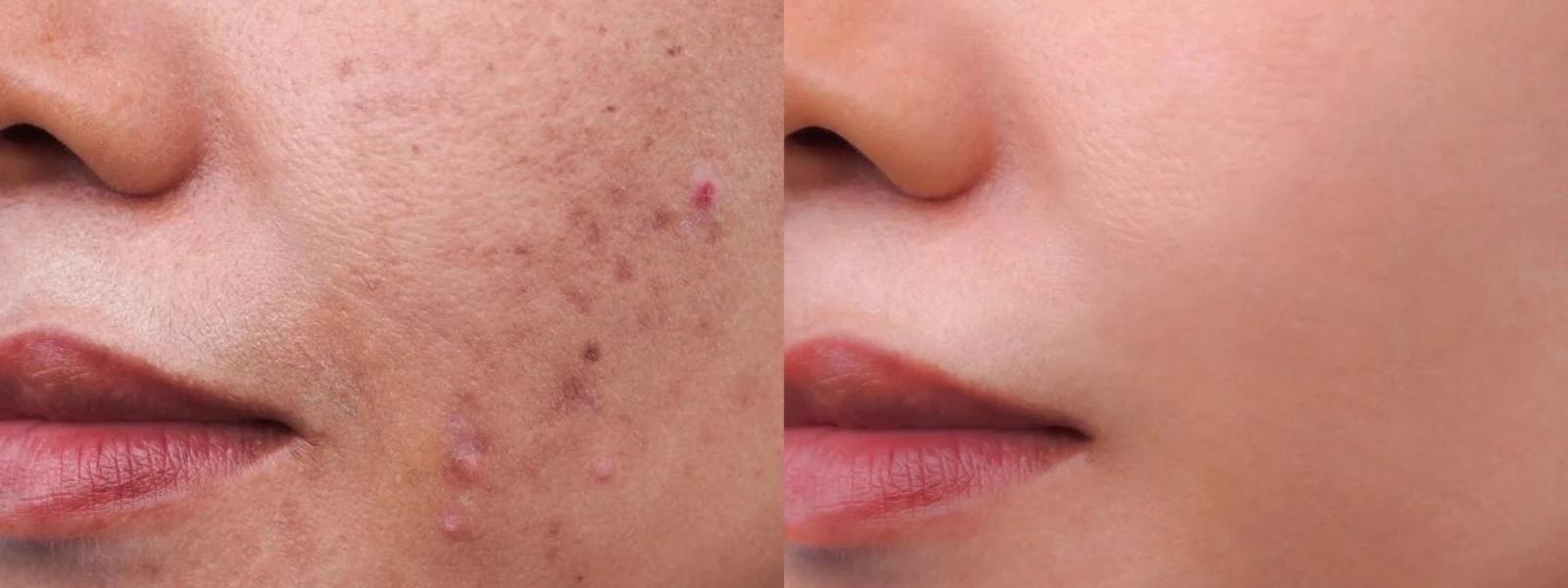
You've finally conquered that stubborn breakout, but now you're left staring at dark spots and uneven patches where your skin used to be smooth. Those post-acne marks feel like a cruel reminder of battles fought, and you're wondering if they'll ever truly fade. The good news? With the right approach and a bit of patience, you can significantly improve how your skin looks and feels. Whether you're dealing with red marks that appeared last month or dark spots that have overstayed their welcome for years, understanding your options is the first step towards clearer, more even-toned skin.
Before diving into treatment options, it's crucial to understand what you're actually dealing with. Many people use "acne scars" as a catch-all term, but there's a significant difference between true scars and post acne marks. This distinction matters because it determines which treatments will work best for your specific situation.
Post-inflammatory hyperpigmentation (PIH) appears as dark brown or black spots on the skin. These marks are flat and occur when your skin produces excess melanin during the healing process. PIH is more common in people with darker skin tones and typically responds well to brightening ingredients and gentle exfoliation.
Post-inflammatory erythema (PIE) shows up as red or pink marks that remain flat against the skin. These red acne marks are caused by dilated capillaries beneath the skin's surface. PIE tends to affect lighter skin tones more frequently and often requires different treatment approaches than PIH.
True acne scars involve actual changes to your skin's texture. Atrophic scars create depressions in the skin and include ice pick scars (deep, narrow pits), boxcar scars (broad depressions with defined edges), and rolling scars (wave-like undulations). Hypertrophic scars are raised above the skin's surface and occur when your body produces too much collagen during healing.
The timeline for natural fading varies dramatically depending on what type of marks you're treating. Understanding these timeframes helps set realistic expectations and decide when professional intervention might be worth considering.
PIH marks typically take anywhere from 3 to 24 months to fade naturally, with most people seeing significant improvement within 6 to 12 months. The depth of pigmentation, your skin's natural turnover rate, and sun exposure all influence this timeline. Darker, deeper marks naturally take longer to fade than lighter surface-level discolouration.
PIE marks often fade more quickly than PIH, sometimes within weeks to months. However, deeper red marks may persist for over a year without intervention. Your age plays a role here too – younger skin typically heals and regenerates faster than mature skin.
Several factors can significantly extend the natural fading process. Sun exposure is the biggest culprit, as UV rays stimulate melanin production and can darken existing marks. Picking at healing skin, using harsh products that cause irritation, and having ongoing active acne all interfere with your skin's natural healing process.

Asaya Dark Spot Reduction Set | 3-Step Routine for Hyperpigmentation & Even Skin Tone | Cleanser, Serum & Moisturizer | Skin Care Routine Kit
The right acne scar cream or serum can dramatically accelerate the fading process. These ingredients work through different mechanisms – some boost cell turnover, others inhibit melanin production, and many provide antioxidant protection that supports healing.
Retinoids are considered the gold standard for addressing both texture and pigmentation concerns. They work by accelerating cell turnover, which helps bring newer, healthier skin cells to the surface whilst pushing pigmented cells up and out. Prescription retinoids like tretinoin work faster than over-the-counter retinol, but both can be effective with consistent use.
Vitamin C serves multiple functions in scar lightening. As a potent antioxidant, it protects against further damage whilst inhibiting melanin production. Vitamin C also supports collagen synthesis, which can help improve skin texture over time. L-ascorbic acid is the most potent form, though magnesium ascorbyl phosphate and sodium ascorbyl phosphate are gentler options for sensitive skin.
Niacinamide offers a gentler approach to treating uneven skin tone. This form of vitamin B3 reduces inflammation, regulates sebum production, and helps fade pigmentation without causing irritation. Most people see improvement within 8 to 12 weeks of consistent use.
Azelaic acid provides dual benefits for post-acne concerns. It gently exfoliates to improve skin texture whilst inhibiting tyrosinase, the enzyme responsible for melanin production. This makes it particularly effective for treating both active acne and the marks left behind.
When topical treatments aren't providing the results you want, professional beauty treatments for scars can offer more dramatic improvements. These treatments work by either removing damaged skin layers or stimulating your body's natural healing response.
Microneedling creates controlled micro-injuries in the skin, triggering your body's wound healing response and boosting collagen production. This treatment is particularly effective for improving skin texture and can help with both pigmentation and shallow scars. Most people need 3 to 6 sessions spaced 4 to 6 weeks apart.
Chemical peels remove damaged skin layers to reveal fresher skin underneath. Superficial peels using glycolic or salicylic acid can help with pigmentation and mild texture issues, whilst deeper peels can address more significant scarring. The downtime and results vary significantly based on peel depth.
Laser therapy offers precise treatment for various types of scarring. Fractional lasers create microscopic treatment zones whilst leaving surrounding tissue intact, promoting faster healing. Ablative lasers remove skin layers entirely, providing more dramatic results but requiring longer recovery times.
Dermal fillers provide immediate improvement for depressed scars by literally filling in the indentations. However, this is a temporary solution requiring maintenance treatments every 6 to 18 months, depending on the filler used.

Asaya Advanced Spot Targeting Gel | Fast-Acting Discolouration Care | Targets Stubborn Marks | Spicules + Biomimetic Peptides + Arbutin | 15g
Whilst you're working to fade post acne scars, certain daily habits can either support or sabotage your efforts. The most crucial habit is consistent sun protection – UV exposure can darken existing marks and slow the healing process significantly.
Apply a broad-spectrum SPF 30 or higher every morning, regardless of weather or season. Look for formulas that won't clog pores or interfere with your other skincare products. Zinc oxide and titanium dioxide are excellent choices for acne-prone skin.
Treating active acne should be your first priority, as new breakouts can create additional scarring. Use gentle, non-comedogenic products and avoid picking or squeezing spots. If over-the-counter treatments aren't controlling your acne, consult a dermatologist for prescription options.
Gentle consistency trumps aggressive treatment every time. Over-exfoliating or using too many active ingredients can actually worsen skin discoloration by causing irritation and inflammation. Stick to one or two key active ingredients and give them time to work.
Moisturising regularly helps maintain your skin barrier and supports the healing process. Look for lightweight, non-comedogenic formulas that won't contribute to breakouts whilst keeping your skin hydrated and healthy.
Developing an effective scar treatment plan starts with honestly assessing your skin's current condition. Take photos in natural lighting to track your progress over time, and identify which type of marks or scars you're primarily dealing with.
For budget-conscious approaches, start with proven topical ingredients like vitamin C, niacinamide, or over-the-counter retinol. These options require patience but can provide significant improvement over 3 to 6 months of consistent use. Many people find success combining these ingredients with regular gentle exfoliation and diligent sun protection.
If you're ready to invest in professional treatments, consider starting with less invasive options like superficial chemical peels or microneedling. These treatments offer noticeable results with minimal downtime and can be repeated as needed.
Consult a dermatologist if you're dealing with deep textural scars, if topical treatments haven't provided improvement after 6 months of consistent use, or if you're experiencing ongoing active acne alongside scarring concerns. A professional can assess your specific situation and recommend the most appropriate treatment combination.
Remember that combination therapy often provides the best results. Many dermatologists recommend using topical treatments alongside professional procedures to maximise improvement and maintain results long-term.

Asaya Face Wash for Dark Spots & Marks | Alpha Arbutin + Kojic Acid | Evens Skin Tone | Non-Stripping Gentle Formula | For All Skin Types | 100ml
Combine consistent use of vitamin C, retinoids, and daily SPF 30+ sunscreen for natural fading. For faster results, consider professional treatments like chemical peels or microneedling. Most people see improvement within 3 to 6 months with proper treatment.
Post-inflammatory marks often fade naturally within 3 to 24 months with proper treatment. True textural scars require professional intervention and may improve significantly but rarely disappear completely. The key is managing expectations whilst pursuing consistent treatment.
Dark marks typically fade in 3 to 24 months with proper treatment, whilst red marks may fade in weeks to months. Textural scars are permanent without professional intervention. Sun protection and active ingredients can significantly speed this process.
Common reasons include continued sun exposure, using harsh products that cause irritation, treating active acne simultaneously, or having true textural scars rather than pigmentation marks. Consistency and patience are crucial for seeing results.
Acne scars cannot be removed overnight naturally. The fastest natural improvement comes from consistent use of gentle exfoliants, vitamin C, and sun protection over several months. Be wary of products promising overnight results.
Fading post-acne marks requires patience, consistency, and the right approach for your specific skin concerns. Whether you're dealing with dark spots, red marks, or textural changes, understanding the difference helps you choose the most effective treatments.
Start with proven topical ingredients and sun protection, then consider professional treatments if you want faster or more dramatic results. Remember that the journey to clearer skin isn't always linear – some days will look better than others, and that's completely normal.
For those exploring new skincare options, platforms like Smytten Shop offer the opportunity to try products from premium brands before committing to full sizes. With over 28 million users discovering effective skincare solutions, you can explore curated selections of hyperpigmentation treatment products whilst earning cashback on your purchases. Your skin deserves the time and care it takes to heal properly, and with the right approach, those stubborn marks will become a thing of the past.
