How to Fade Pigmentation for Even Skin Tone


Dark Spot Reduction Set | 3-Step Routine for Hyperpigmentation & Even Skin Tone | Cleanser, Serum & Moisturizer | Skin Care Routine Kit
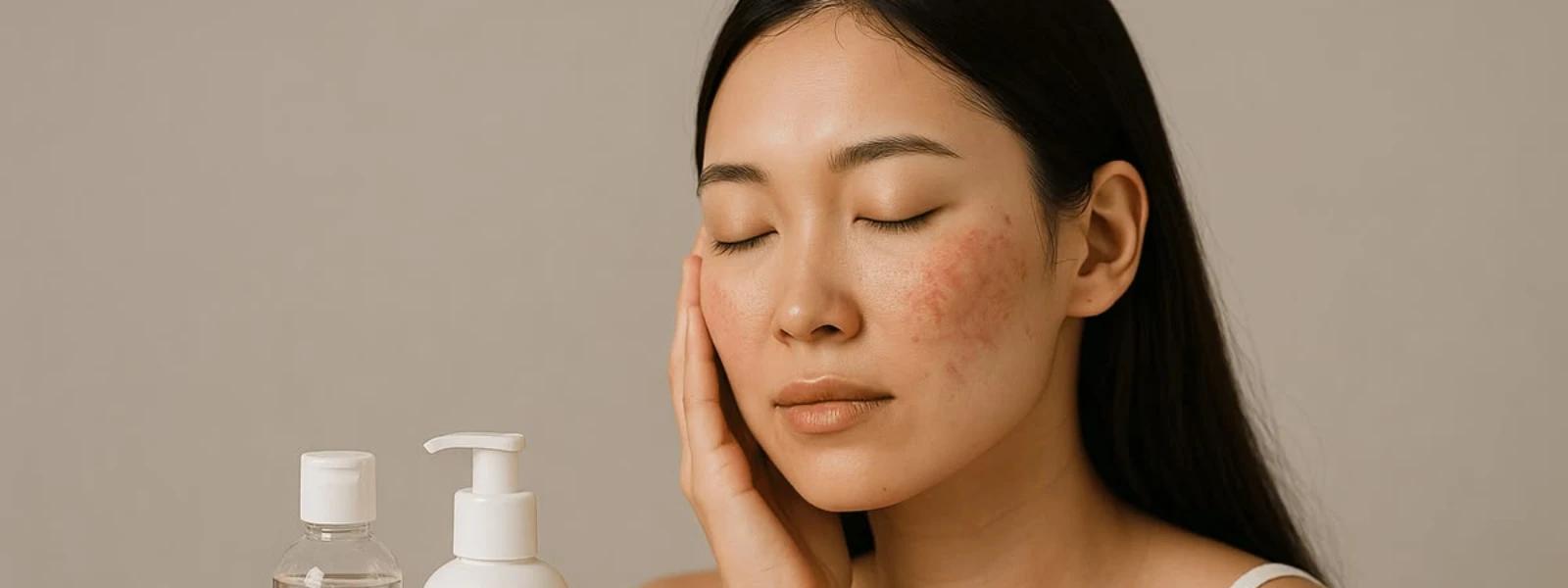
You've been staring at that stubborn dark spot on your cheek for months now, watching it mock your skincare efforts. Maybe it's a souvenir from last summer's beach holiday, or perhaps it appeared after that particularly aggressive breakout. Whatever its origin story, you're not alone in wondering how to fade pigmentation effectively. The good news? With the right approach and realistic expectations, even the most persistent dark spots can be coaxed into submission.
Before diving into solutions, let's decode what we're actually dealing with. Hyperpigmentation isn't just one condition—it's an umbrella term for several types of skin discoloration that occur when your skin produces too much melanin in certain areas.
Post-inflammatory hyperpigmentation (PIH) is probably the most common culprit, especially if you've battled acne. Those dark marks left behind after spots heal are your skin's way of protecting itself, but they can linger for months without proper treatment. Melasma presents as symmetrical patches, often triggered by hormonal changes during pregnancy or from birth control pills. Then there are sun spots and age spots—flat, brown patches that develop from years of UV exposure.
What triggers this melanin overproduction? Sun exposure is the biggest villain, but inflammation from acne, cuts, or even aggressive skincare can kickstart the process. Hormonal fluctuations, certain medications, and even genetics play their part. Understanding your specific type of pigmentation is crucial because different causes respond better to different treatments.
Here's the reality check: pigmentation correction is a marathon, not a sprint. Surface-level spots typically take 6-12 months to fade significantly, while deeper pigmentation can take even longer. Your skin needs time to naturally shed the pigmented cells and replace them with fresh, evenly-toned ones.
The process works through your skin's natural cell turnover cycle, which happens roughly every 28 days in younger skin but slows down as we age. This is why consistency trumps intensity every time—gentle, regular treatment allows your skin to heal and renew without triggering more inflammation.
Real talk: you can't fade existing pigmentation whilst simultaneously creating new spots. This is why SPF 30+ broad-spectrum sunscreen isn't negotiable—it's the foundation of any successful skin brightening routine.
UV rays don't just cause new sun spots; they actively darken existing pigmentation. Even on cloudy days, up to 80% of UV rays penetrate through clouds. Indoor lighting and blue light from screens can also contribute to pigmentation, particularly in those prone to melasma.
Apply sunscreen 20 minutes before sun exposure and reapply every 3-4 hours. If you're wearing makeup, powder SPF or setting sprays with sun protection can help with reapplication. Consider physical barriers too—wide-brimmed hats, UV-protective clothing, and seeking shade during peak hours (10 AM to 4 PM) all contribute to your defence strategy.
 70 ml
70 mlIntimate Brightening Roll-On Serum | Inner Thighs & Bum | 10% AHA + PHA | Evens Skin Tone | Lightweight & Non-Sticky | 70ml
The beauty of modern skincare lies in the powerhouse ingredients now available for home use. These scientifically-backed actives can deliver impressive results when used correctly and consistently.
Vitamin C is your morning brightening hero. This antioxidant doesn't just protect against environmental damage—it actively inhibits melanin production and helps fade existing spots. Look for stable forms like magnesium ascorbyl phosphate or sodium ascorbyl phosphate, which are gentler than pure L-ascorbic acid.
Niacinamide deserves a special mention for its gentle yet effective approach to fade dark marks. This form of vitamin B3 reduces melanin transfer to skin cells whilst soothing inflammation—perfect for sensitive skin that can't tolerate stronger actives. It plays well with other ingredients and rarely causes irritation.
Retinoids accelerate cell turnover, helping pigmented cells shed faster whilst preventing new ones from forming. Start with over-the-counter retinol or adapalene, gradually building tolerance before considering prescription-strength options.
Morning routines should focus on protection and gentle brightening. Apply vitamin C serum to clean skin, followed by niacinamide if your skin tolerates layering, then moisturiser and SPF. Evening is when you can introduce more potent actives like retinoids or AHAs, but never layer them together initially.
Start slowly—introduce one new active at a time, using it every third night for the first week. Patch test everything, and remember that some purging is normal with retinoids and AHAs, but persistent irritation means you need to dial back.
Sometimes, stubborn pigmentation requires professional intervention. Melasma treatment and deep-set age spots often respond better to in-office procedures that can target pigmentation more aggressively than home treatments allow.
 100ml
100mlFace Wash for Dark Spots & Marks | Alpha Arbutin + Kojic Acid | Evens Skin Tone | Non-Stripping Gentle Formula | For All Skin Types | 100ml
Chemical peels use higher concentrations of acids to remove damaged skin layers more effectively than at-home options. Glycolic acid peels work well for surface pigmentation, whilst deeper peels can address more stubborn discoloration. Multiple sessions are typically needed, spaced 4-6 weeks apart.
Laser therapy targets melanin with concentrated light energy, breaking down pigmented cells so your body can naturally eliminate them. Different laser types work better for different pigmentation—IPL (intense pulsed light) suits sun damage, whilst Q-switched lasers target deeper spots.
Microneedling creates controlled micro-injuries that stimulate skin renewal whilst enhancing product penetration. When combined with brightening serums, it can significantly improve pigmentation over a series of treatments.
If you've been consistent with at-home treatments for 6-8 months without significant improvement, it might be time for professional assessment. Dermatologists can determine pigmentation depth and recommend appropriate treatments. They can also prescribe stronger formulations like hydroquinone combinations that aren't available over-the-counter.
For those with sensitive skin or preference for gentler approaches, several natural ingredients offer mild skin brightening benefits. Aloe vera contains aloin, a compound that may help lighten pigmentation whilst soothing inflammation.
Fresh tomato contains lycopene and natural acids that provide gentle exfoliation, whilst papaya enzymes can help remove dead skin cells. However, manage expectations—these natural approaches work much slower than proven actives and may not be sufficient for significant pigmentation.
The Korean skincare philosophy of layering multiple gentle products can be effective for sensitive skin. Multiple thin layers of brightening essences and serums can deliver results without irritation, though patience is essential.
Surface-level pigmentation typically takes 6-12 months to fade significantly with consistent treatment. Deeper pigmentation, like melasma or long-standing age spots, can take 12-18 months or longer. The timeline depends on pigmentation depth, your skin's natural cell turnover rate, and treatment consistency.

Target & Fade Duo for Hyperpigmentation | Even-Tone Underarms, Inner Thighs & Bum | Refines Skin Texture | For All Skin Types
At-home treatments can significantly fade pigmentation, but 'permanent' removal is challenging without professional intervention. Most pigmentation can be reduced to barely noticeable levels with consistent use of proven ingredients like vitamin C, retinoids, and AHAs, but maintenance is usually required to prevent recurrence.
Professional treatments like chemical peels or laser therapy typically show faster results than at-home options. However, the safest approach combines professional treatments with consistent at-home care. Avoid aggressive treatments that promise overnight results—they often cause more harm than good.
Darker skin tones are more prone to post-inflammatory hyperpigmentation and may react differently to certain treatments. Laser therapy and chemical peels require careful selection to avoid worsening pigmentation. Gentler ingredients like niacinamide and vitamin C are generally safer starting points for all skin tones.
The biggest mistake is inconsistency—skipping treatments or constantly switching products prevents progress. Over-exfoliation can worsen pigmentation by causing inflammation. Neglecting sun protection whilst treating pigmentation is counterproductive, as UV exposure darkens existing spots faster than treatments can fade them.
Learning how to fade pigmentation effectively requires patience, consistency, and realistic expectations. Whether you're dealing with post-acne marks, sun damage, or hormonal pigmentation, the key is finding the right combination of protection, treatment, and time.
Start with gentle, proven ingredients and build your routine gradually. Platforms like Smytten Shop make it easier to discover effective pigmentation-fighting products from trusted brands without committing to full sizes immediately. With over 28 million users exploring curated beauty selections, you can find tried-and-tested solutions that work for your specific skin concerns.
Remember, your skin's journey to even tone is unique. What works for your friend might not work for you, and that's perfectly normal. Focus on consistent care, protect your skin daily, and celebrate small improvements along the way. Your future self will thank you for the patience and dedication you show your skin today.
