How to Fade Dark Spots: Your Ultimate Guide
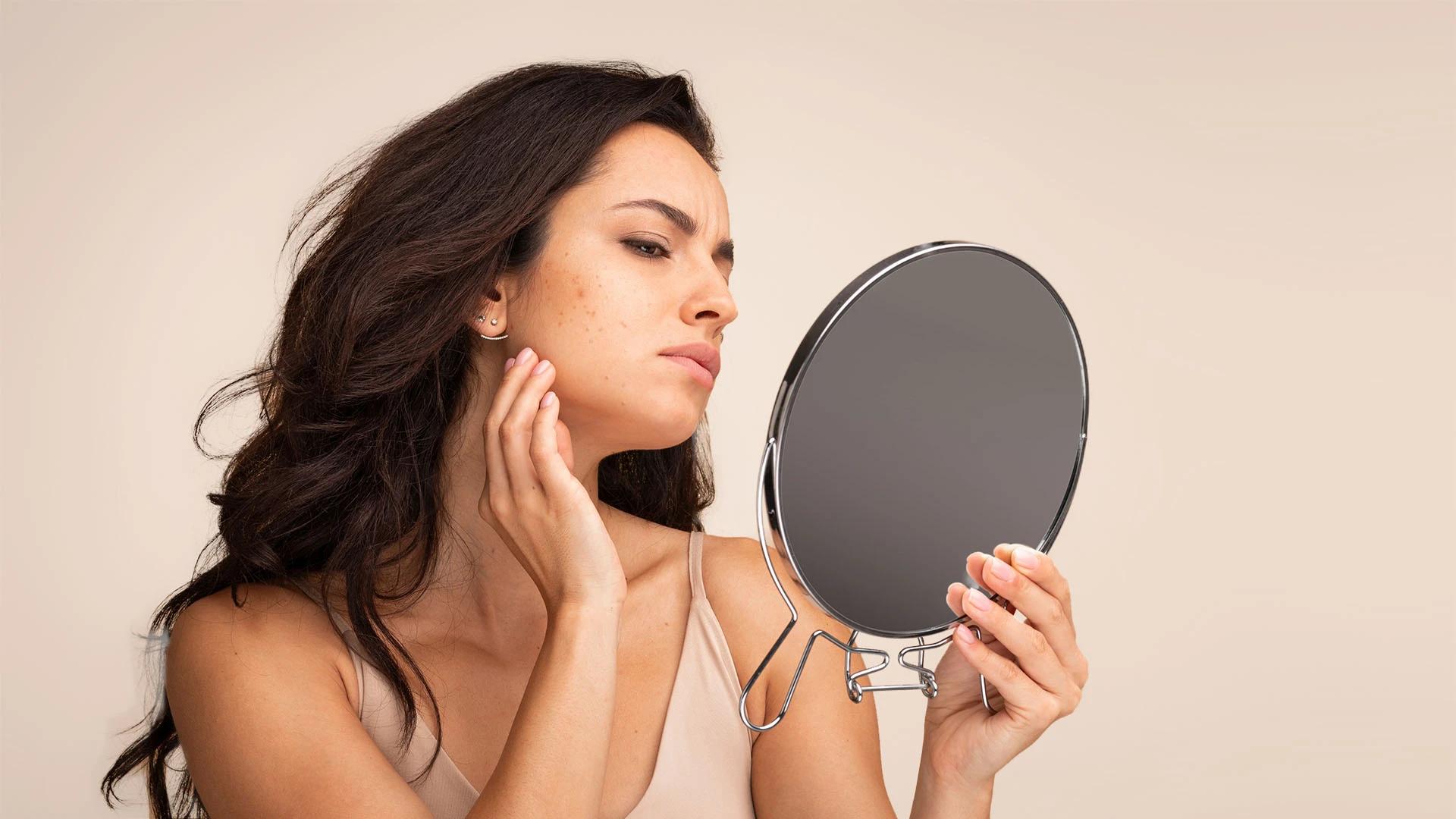

You've been staring at that stubborn dark spot for months now, watching it mock you in every mirror and selfie. Whether it's a reminder of last summer's sun damage, a souvenir from that hormonal breakout, or just the natural progression of time, dark spots have a way of making us feel less confident about our skin. The good news? You're not stuck with them forever. Understanding how to fade dark spots effectively can transform not just your complexion, but how you feel when you look in the mirror.
Dark spots, medically known as hyperpigmentation, occur when your skin produces excess melanin in concentrated areas. Think of melanin as your skin's natural defence system – it's what gives your skin its colour and protects against UV damage. But sometimes, this system goes into overdrive, creating those frustrating patches of skin discoloration that seem impossible to shift.
There are several types of dark spots you might be dealing with. Age spots (also called liver spots) typically appear on areas frequently exposed to sun, like your face, hands, and shoulders. Sun spots are similar but can occur at any age after significant UV exposure. Post-inflammatory hyperpigmentation (PIH) develops after skin trauma – think acne, cuts, or even aggressive skincare treatments. Melasma, often called the "pregnancy mask," creates symmetrical patches usually triggered by hormonal changes.
The process begins deep in your skin's layers. When triggered by sun exposure, hormonal fluctuations, or inflammation, specialised cells called melanocytes ramp up melanin production. This excess pigment gets deposited unevenly, creating those darker patches that can take months or even years to fade naturally. Understanding this process is crucial because it explains why patience and consistency are key to any successful dark spot removal strategy.
Natural approaches to fading dark spots work by gently encouraging cell turnover and inhibiting excess melanin production. While these methods take longer than professional treatments, they're gentler on your skin and budget-friendly. Real talk: if you're seeing ads promising to fade dark spots naturally in three days, that's simply not realistic. Genuine results take time, but they're absolutely achievable.
Vitamin C is perhaps the most researched natural ingredient for addressing uneven skin tone. It works by inhibiting tyrosinase, the enzyme responsible for melanin production, whilst also providing antioxidant protection. Look for serums containing L-ascorbic acid or more stable forms like magnesium ascorbyl phosphate. Apply in the morning under your SPF for maximum benefit.
Natural exfoliants help remove the top layer of pigmented skin cells, revealing brighter skin underneath. Lactic acid from yoghurt, gentle fruit enzymes from papaya, and even finely ground oats can provide this benefit. The key is consistency rather than intensity – over-exfoliating can actually worsen hyperpigmentation by causing inflammation.
Kojic acid, derived from fungi used in sake production, has shown promising results in clinical studies. Licorice root extract contains glabridin, which helps inhibit melanin production. Mulberry extract and bearberry (containing natural arbutin) are other botanicals worth considering. These ingredients work slowly but steadily to help even out your complexion.
When natural methods aren't moving fast enough, it's time to consider proven active ingredients. The best dark spot corrector products combine multiple approaches: inhibiting melanin production, accelerating cell turnover, and providing antioxidant protection. Understanding these ingredients helps you make informed choices about what might work for your specific skin concerns.
Hydroquinone remains the most effective topical ingredient for fading dark spots, available in concentrations up to 2% without prescription. It works by inhibiting tyrosinase activity, effectively putting the brakes on melanin production. However, it requires careful use – start slowly, always use SPF, and consider taking breaks to prevent potential side effects.
Retinoids speed up cell turnover, helping pigmented cells reach the surface and shed more quickly. Prescription tretinoin offers the fastest results, whilst over-the-counter retinol provides a gentler introduction. Start with lower concentrations and gradually increase as your skin adapts. The key is consistency – retinoids work best when used regularly over months.
Niacinamide (vitamin B3) offers multiple benefits for addressing dark spots. It helps regulate melanin transfer to skin cells, reduces inflammation, and strengthens your skin barrier. At concentrations of 5-10%, it's well-tolerated by most skin types and can be used alongside other active ingredients without irritation.
Glycolic acid and lactic acid work by dissolving the bonds between dead skin cells, encouraging faster turnover of pigmented surface layers. Start with lower concentrations (5-10%) and use only in the evening, always followed by SPF the next day. These acids can make your skin more photosensitive, so sun protection becomes even more critical.
When topical treatments aren't delivering the results you want, professional interventions can provide more dramatic improvements. These treatments work by either removing pigmented skin layers or targeting melanin deposits directly. The investment is higher, but results are typically faster and more pronounced than at-home treatments.
Professional chemical peels use higher concentrations of acids than you can access at home. Superficial peels with glycolic or lactic acid require minimal downtime, whilst medium-depth peels with TCA can address deeper pigmentation. Your dermatologist will assess your skin type and pigmentation depth to recommend the most appropriate option.
Laser therapy offers precise targeting of pigmented areas. IPL (Intense Pulsed Light) works well for surface-level sun damage, whilst Q-switched lasers can target deeper pigmentation. Fractional lasers create controlled micro-injuries to stimulate skin renewal. Multiple sessions are typically required, with results becoming apparent over several weeks.
Microdermabrasion physically removes the top layer of skin using fine crystals or a diamond-tipped wand. It's less intensive than chemical peels but requires multiple sessions for significant results. This treatment works best for superficial pigmentation and can be combined with topical treatments for enhanced results.
Post-inflammatory hyperpigmentation from acne requires a slightly different approach. The key is treating active breakouts whilst simultaneously addressing existing dark spots. This delicate balance prevents new pigmentation whilst fading existing marks. Patience is crucial here – aggressive treatment can worsen inflammation and create more dark spots.
Prevention starts with proper acne management. Avoid picking or squeezing spots, as this increases inflammation and subsequent pigmentation. Use gentle, non-comedogenic products and consider ingredients like salicylic acid that can address both acne and mild exfoliation. Azelaic acid is particularly effective here, offering anti-inflammatory, antibacterial, and mild skin-lightening properties.
For existing acne-related dark spots, gentle approaches work best. Niacinamide helps reduce inflammation whilst addressing pigmentation. Vitamin C provides antioxidant protection and brightening benefits. If your skin can tolerate it, low-concentration retinoids can help accelerate cell turnover without excessive irritation.
Success in fading dark spots comes from consistency and patience, not from using every active ingredient at once. A well-structured routine addresses pigmentation whilst maintaining your skin's health and barrier function. Start slowly, introduce one new active ingredient at a time, and always prioritise sun protection.
Your morning routine should focus on protection and antioxidants. After cleansing, apply a vitamin C serum to provide brightening benefits and antioxidant protection. Follow with a moisturiser appropriate for your skin type, then finish with broad-spectrum SPF 30 or higher. Tinted sunscreens containing iron oxide provide additional protection against visible light, which can worsen certain types of hyperpigmentation.
Evening routines are when you can incorporate more active ingredients. Start with gentle cleansing, then apply your chosen active ingredient – whether that's retinoid, hydroquinone, or an AHA. Follow with a hydrating moisturiser to support your skin barrier. If using multiple actives, alternate them on different nights to prevent irritation.
The most effective approach to dark spots is preventing them in the first place. Sun protection is non-negotiable – UV exposure is the primary trigger for most types of hyperpigmentation. This means daily SPF application, reapplication every two hours when outdoors, and seeking shade during peak UV hours.
Consider your lifestyle factors too. Chronic stress can worsen hormonal fluctuations that contribute to melasma. Poor sleep affects skin repair processes. A diet rich in antioxidants supports your skin's natural defence mechanisms. These factors won't single-handedly prevent dark spots, but they contribute to overall skin health and resilience.
For long-term maintenance, continue using gentle exfoliation and antioxidants even after your dark spots have faded. Many people find that incorporating products from curated platforms helps them discover effective formulations without the guesswork. The key is finding products that work for your specific skin type and concerns, then sticking with them consistently.
Professional treatments like chemical peels and laser therapy typically show the fastest results, with improvements visible in 2-8 weeks. Prescription treatments like tretinoin and hydroquinone can show results in 6-12 weeks with consistent use. Over-the-counter options generally take 3-6 months for significant improvement.
Yes, dark spots can fade naturally through your skin's normal cell turnover process, but this can take 6 months to 2 years depending on the depth and type of pigmentation. Active treatment significantly accelerates this process and often achieves better results than waiting for natural fading.
Timeline varies significantly based on treatment type and pigmentation depth. Superficial spots may improve in 4-8 weeks with consistent treatment, whilst deeper pigmentation can take 3-6 months. Some stubborn spots may require professional intervention for complete clearance.
Natural ingredients like vitamin C, kojic acid, and gentle exfoliants can be effective for mild to moderate dark spots, but they work more slowly than clinical-strength treatments. They're excellent for maintenance and prevention, and suitable for those with sensitive skin who can't tolerate stronger actives.
Yes, but introduce them gradually and monitor your skin's response. Combining vitamin C in the morning with retinoids at night is generally well-tolerated. However, using multiple strong actives simultaneously can cause irritation and potentially worsen pigmentation. When in doubt, consult a dermatologist.
Fading dark spots requires patience, consistency, and the right approach for your specific skin type and concerns. Whether you choose natural remedies, over-the-counter treatments, or professional interventions, success comes from understanding your skin's needs and maintaining realistic expectations. Remember that prevention through diligent sun protection is just as important as treatment.
The journey to clearer, more even-toned skin isn't always linear – you might see initial improvement followed by plateaus, or experience some trial and error finding the right products. This is completely normal. What matters is staying consistent with your routine and being patient with the process. Your skin will notice the effort you put in, even if results aren't immediately visible.
