How to Even Skin Tone Naturally for a Brighter Complexion


Target & Fade Duo for Hyperpigmentation | Even-Tone Underarms, Inner Thighs & Bum | Refines Skin Texture | For All Skin Types
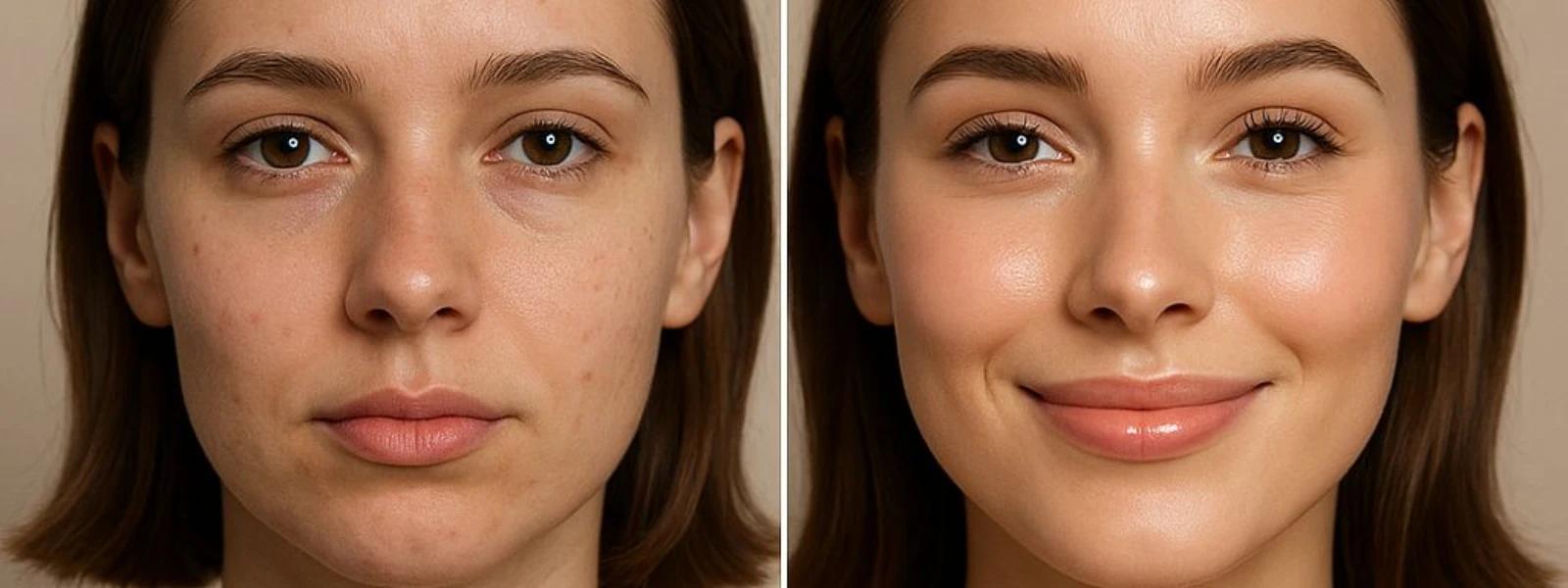
You've been staring at your reflection again, haven't you? That patch of darkness from last summer's breakout, the redness that never quite fades, or perhaps that overall dullness that makes your complexion look tired even when you're not. Uneven skin tone is one of those concerns that creeps up slowly, then suddenly becomes all you notice in photos. The good news? Your skin has an incredible ability to renew itself, and with the right approach, you can work towards a more balanced, radiant complexion naturally.
Before diving into solutions, it's worth understanding what's actually happening beneath the surface. Skin discoloration isn't just about aesthetics—it's your skin's way of responding to various triggers and stressors over time.
The culprits behind uneven skin tone are more common than you might think. Sun damage tops the list, with UV rays triggering melanin production that can create those stubborn dark spots. Even that quick dash to the corner shop without SPF adds up over time.
Hormonal changes play a significant role too, particularly for women. Pregnancy, periods, or starting new contraception can trigger melasma—those symmetrical patches that often appear on the cheeks and forehead. Then there's post-inflammatory hyperpigmentation, which is essentially your skin's overenthusiastic healing response to breakouts, cuts, or irritation.
Not all skin discoloration looks the same. Dark spots and age spots tend to be well-defined and concentrated in sun-exposed areas. Redness and inflammation often appear as patches or generalised flushing, whilst dullness creates an overall lacklustre appearance that makes your skin look tired.
The beauty industry loves to overcomplicate things, but skin brightening really comes down to a handful of proven ingredients that work consistently across different skin types. Let's break down the ones that actually deliver results.
Vitamin C is perhaps the most researched ingredient for complexion correction, and for good reason. It works on multiple levels—protecting against environmental damage whilst actively working to fade existing discoloration. The key is choosing the right form for your skin.
L-ascorbic acid is the most potent form, but it can be irritating for sensitive skin. Magnesium ascorbyl phosphate offers a gentler alternative that's more stable in formulations. Start with concentrations around 10-15% and apply in the morning for maximum antioxidant protection.
Chemical exfoliation is where the magic happens for tone correction. Glycolic acid works on the surface to remove dead skin cells that can make discoloration appear more pronounced. Lactic acid offers similar benefits but with less irritation—perfect if your skin tends to react to stronger acids.

Mineral Sunscreen SPF 50 | Matte Finish | No White Cast | Non-Nano Zinc Oxide | Cica | Pregnancy Safe | All Skin Types | 50ml
For those dealing with redness alongside discoloration, salicylic acid can help reduce inflammation whilst gently exfoliating. The beauty of these acids is that they're naturally derived—glycolic from sugar cane, lactic from fermented milk, and salicylic from willow bark.
Niacinamide deserves special mention for its versatility. This form of vitamin B3 doesn't just work on discoloration—it helps regulate oil production, minimises the appearance of pores, and has anti-inflammatory properties that can help prevent future dark spots from forming.
The brilliant thing about niacinamide is how well it plays with other ingredients. You can layer it with vitamin C, acids, or retinoids without worry. Most people see results with concentrations between 5-10%.
Nature offers some powerful allies in the fight against hyperpigmentation. Kojic acid, derived from fungi, works by inhibiting tyrosinase—the enzyme responsible for melanin production. Arbutin from bearberry works similarly but more gently.
Licorice root extract contains glabridin, which helps fade dark spots whilst soothing irritation. Azelaic acid, found naturally in grains, offers both exfoliating and brightening benefits with minimal irritation.
Consistency trumps complexity when it comes to achieving even skin naturally. Your routine doesn't need to be elaborate, but it does need to be sustainable and targeted.
Mornings are about protection and preparation. Start with a gentle cleanser that removes overnight buildup without stripping your skin. Follow with your vitamin C serum—this is when your skin can best utilise its antioxidant properties.
The non-negotiable step? SPF 30 or higher. Even the most effective brightening routine won't work if you're continuously creating new damage. Choose a broad-spectrum formula that protects against both UVA and UVB rays.
Evenings are when your skin does its repair work, making it the ideal time for active ingredients. Double cleansing ensures you're starting with a clean canvas—use an oil-based cleanser first, followed by a water-based one.
This is when you'd apply your hyperpigmentation treatment serums. Whether it's niacinamide, acids, or plant-based brighteners, evening application allows these ingredients to work without interference from UV exposure.

Salicylic Acid Face Cleanser | Deep Cleansing Formula for Breakouts | Unclogs Pores & Controls Oil | For Oily & Acne-Prone Skin | 100ml
Over-exfoliation is real, and it can actually worsen discoloration by causing irritation. Aim for 2-3 times per week with chemical exfoliants, adjusting based on how your skin responds. Physical exfoliation should be even more gentle and infrequent.
Whilst commercial skin tone products offer concentrated active ingredients, there's something satisfying about creating treatments from your kitchen cupboard. These remedies work more gradually but can complement your main routine beautifully.
Lemon and honey masks combine natural acids with antimicrobial properties, though be cautious with lemon as it can increase photosensitivity. Turmeric offers anti-inflammatory benefits that can help prevent new discoloration from forming.
Oatmeal provides gentle physical exfoliation whilst soothing irritated skin. Green tea can be used as a toner, providing antioxidants that support your skin's natural repair processes.
Your skincare routine is just one piece of the puzzle. Proper hydration supports cellular turnover, whilst an anti-inflammatory diet rich in omega-3s and antioxidants can help reduce overall inflammation that contributes to uneven tone.
Sleep quality directly impacts your skin's ability to repair itself. During deep sleep, your skin increases collagen production and cellular regeneration—both crucial for addressing discoloration.
One of the biggest mistakes people make is expecting overnight transformation. Skin brightening is a gradual process that requires patience and consistency.
In the first two weeks, you might notice improved texture and a slight glow as dead skin cells are removed. Real changes in pigmentation typically become visible around the 4-6 week mark. Significant tone correction usually takes 3-6 months of consistent use.
Remember, your skin has a natural turnover cycle of about 28 days. Each cycle brings new cells to the surface, gradually replacing the pigmented ones. This is why consistency matters more than intensity.

Hydrating Moisturizer | Non-Comedogenic | Boosts Collagen & Hydrates Deeply | Ceramides + Niacinamide | For Normal to Dry Skin | 50g
Sometimes, stubborn discoloration needs professional intervention. Chemical peels, microneedling, and laser treatments can accelerate results, but they work best when combined with a solid at-home routine.
If you've been consistent with your routine for 6 months without seeing improvement, or if you're dealing with deep melasma or extensive sun damage, it might be time to consult a dermatologist. They can assess whether your approach needs adjusting or if professional treatments would be beneficial.
Most people notice initial improvements in skin texture within 2-4 weeks, whilst visible changes in pigmentation typically appear around 6-8 weeks. Significant tone correction usually takes 3-6 months of consistent use, depending on the severity of discoloration and your skin's natural turnover rate.
Yes, but introduce them gradually. Niacinamide pairs well with most ingredients, whilst vitamin C and acids should be used at different times of day initially. Always patch test new combinations and listen to your skin's response.
Natural methods work best for surface-level discoloration and mild hyperpigmentation. Deeper melasma or extensive sun damage may require professional treatments, though natural ingredients can still play a supportive role in your routine.
Take photos in consistent lighting every few weeks to track progress. Look for gradual fading of dark spots, improved overall radiance, and more even skin texture. Remember that progress isn't always linear—some weeks will show more improvement than others.
Absolutely. Anti-inflammatory foods rich in antioxidants, omega-3 fatty acids, and vitamins C and E support your skin's natural repair processes. Limiting processed foods and sugar helps reduce inflammation that can worsen discoloration.
Achieving even skin tone naturally isn't about perfection—it's about supporting your skin's natural processes whilst protecting against future damage. The key lies in consistency, patience, and choosing ingredients that work for your specific concerns and skin type.
Whether you're exploring new products through platforms like Smytten Shop, where you can try samples before committing to full sizes, or creating DIY treatments at home, remember that the best routine is one you'll actually stick to. Your skin's journey towards balance and radiance is unique, and with the right approach, you can achieve the healthy, even complexion you're working towards.
