How to Choose the Best Skin Discoloration Treatments for You


Advanced Anti-Pigmentation Kit | Hyperpigmentation Reduction Kit | Cleanser, Serum, Moisturizer & Sunscreen | Complete Skin Care Routine
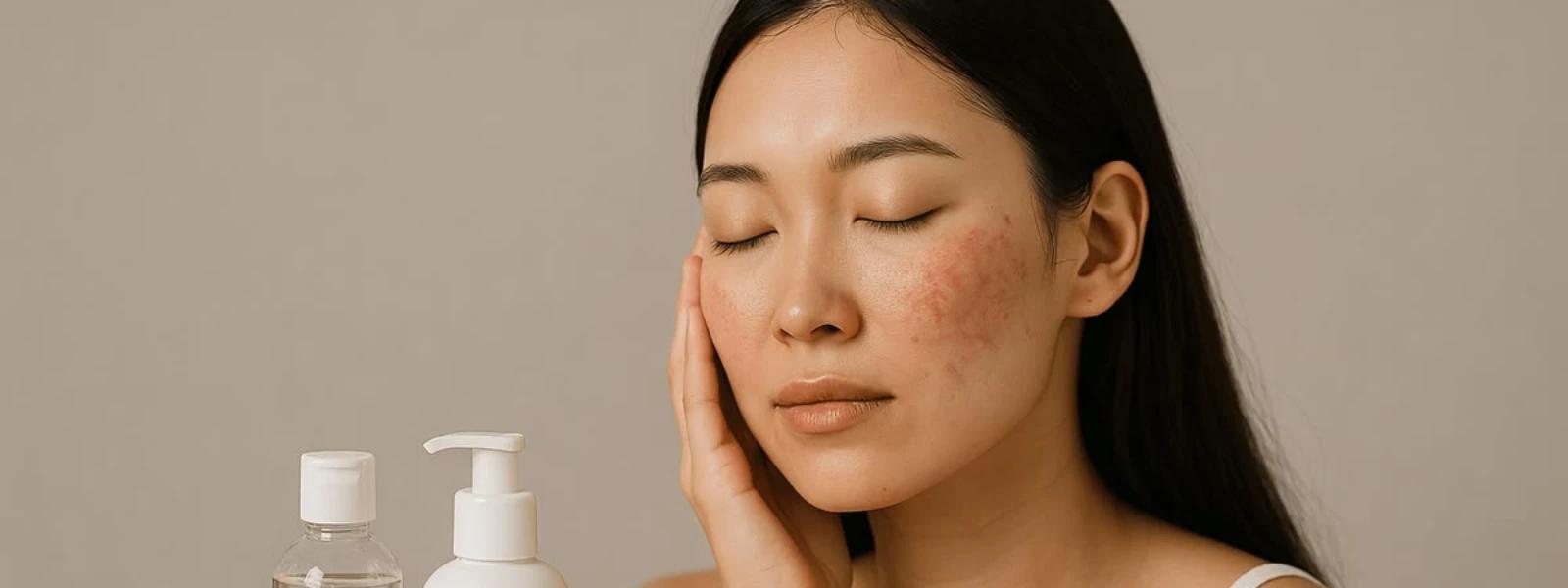
You've been staring at that stubborn dark spot on your cheek for months now, wondering if it's ever going to fade. Or perhaps you've noticed your skin tone looking increasingly uneven, with patches that seem darker than others. You're not alone in this frustration. Skin discoloration affects millions of people, and whilst the beauty industry offers countless solutions, choosing the right treatment can feel overwhelming. The key is understanding your specific type of discoloration and matching it with the most effective approach for your skin type and lifestyle.
Before diving into treatments, it's crucial to identify what type of skin discoloration you're dealing with. Different types respond to different approaches, and using the wrong treatment can sometimes make things worse.
Hyperpigmentation is the umbrella term for areas where your skin produces too much melanin, creating darker patches. Post-inflammatory hyperpigmentation (PIH) often appears after acne breakouts or skin injuries, leaving behind dark marks that can take months to fade naturally. Melasma typically shows up as symmetrical brown patches on the face, often triggered by hormonal changes during pregnancy or from birth control pills. Age spots and sun damage develop over time from UV exposure, appearing as flat brown spots on areas frequently exposed to sunlight.
Understanding the root skin discoloration causes helps you choose more targeted treatments. Sun exposure remains the primary culprit, as UV rays trigger melanin production as a protective response. Hormonal fluctuations during pregnancy, menopause, or from contraceptives can activate melanocytes, leading to melasma. Inflammation from acne, eczema, or even aggressive skincare treatments can leave behind dark marks. Genetics also play a role, with some people naturally more prone to developing pigmentation issues.
The treatment landscape offers options ranging from dermatologist-performed procedures to products you can use in your daily routine. Each approach has its place, depending on the severity of your concerns and your budget.
Chemical peels for uneven skin tone correction work by removing damaged skin layers, revealing fresher skin underneath. Glycolic acid and TCA peels are particularly effective for surface-level discoloration. Laser therapy and IPL (Intense Pulsed Light) treatments target melanin directly, breaking up pigment clusters. These procedures often require multiple sessions but can provide dramatic results for stubborn spots. Microdermabrasion offers a gentler approach, gradually improving skin texture and mild discoloration through controlled exfoliation.
Topical treatments for pigmentation have become increasingly sophisticated, with many containing clinically proven ingredients. Over-the-counter brightening serums often combine multiple active ingredients for enhanced effectiveness. Retinoids accelerate cell turnover, helping fade dark spots whilst preventing new ones from forming. Vitamin C products work as antioxidants whilst inhibiting melanin production, making them excellent for both treatment and prevention.

Target & Fade Duo for Hyperpigmentation | Even-Tone Underarms, Inner Thighs & Bum | Refines Skin Texture | For All Skin Types
Not all treatments work equally well for every type of discoloration. Matching your specific concern with the right active ingredients significantly improves your chances of success.
Hydroquinone remains the gold standard for hyperpigmentation treatment, working by inhibiting the enzyme responsible for melanin production. However, it requires careful use and isn't suitable for long-term application. Kojic acid and arbutin offer gentler alternatives with similar mechanisms of action. Niacinamide provides a well-tolerated option that reduces inflammation whilst gradually fading dark spots, making it suitable for sensitive skin types.
Melasma treatments often require a combination approach for best results. The classic "triple therapy" combines hydroquinone, tretinoin, and a mild corticosteroid under dermatologist supervision. Azelaic acid offers a gentler alternative that's safe during pregnancy, when many other treatments are contraindicated. Consistent sun protection remains absolutely crucial, as melasma can return quickly with UV exposure.
For age spot removal and sun damage repair, glycolic acid treatments excel at removing damaged surface cells whilst stimulating collagen production. Vitamin C serums work particularly well for preventing new sun damage whilst gradually lightening existing spots. Alpha hydroxy acids (AHAs) like lactic acid provide gentler exfoliation for those with sensitive skin.
Selecting the most effective treatment requires honest assessment of your skin's characteristics and realistic goal-setting.
Start by identifying your primary concern: are you dealing with recent acne marks, long-standing melasma, or general uneven tone? Consider your skin's sensitivity level - if you react strongly to new products, gentler ingredients like niacinamide or vitamin C might be better starting points than stronger acids. Set realistic expectations about timelines; most topical treatments require 8-12 weeks to show significant results.
When choosing the best products for dark spots, skin tone plays a crucial role in treatment selection. Deeper skin tones are more prone to post-inflammatory hyperpigmentation and may react differently to certain treatments. Aggressive treatments can sometimes trigger more pigmentation in darker skin, making gentler approaches often more suitable. Always patch test new products and introduce them gradually, regardless of your skin tone.

Mineral Sunscreen SPF 50 | Matte Finish | No White Cast | Non-Nano Zinc Oxide | Cica | Pregnancy Safe | All Skin Types | 50ml
Professional treatments typically cost between ₹5,000-₹25,000 per session, with multiple sessions often required. At-home treatments range from ₹500-₹5,000 for quality products that last several months. Consider your lifestyle too - some treatments increase sun sensitivity, requiring diligent sun protection. Others may cause initial irritation or peeling, which might not suit your work or social schedule.
The world of skin brightening methods is filled with both scientifically proven ingredients and marketing hype. Understanding the difference helps you make informed choices.
Hydroquinone remains the most clinically proven ingredient for reducing melanin production, though it requires careful use. Vitamin C and its stable derivatives like magnesium ascorbyl phosphate provide antioxidant protection whilst inhibiting tyrosinase, the enzyme responsible for melanin formation. Retinoids accelerate cellular turnover, helping fade existing pigmentation whilst preventing new spots from forming. Kojic acid and licorice extract offer natural alternatives with proven efficacy.
Many natural remedies for skin discoloration show promise, though they typically work more slowly than clinical treatments. Liquorice extract contains glabridin, which inhibits melanin production. Mulberry extract and bearberry extract contain natural arbutin. However, DIY treatments like lemon juice or baking soda can actually worsen pigmentation by causing irritation. When choosing between natural and clinical options, consider that natural doesn't always mean gentler or more effective.
Success with skin discoloration treatment comes from a systematic approach rather than random product trials.
Begin with a dermatologist consultation if you're dealing with extensive or persistent discoloration. They can identify the exact type of pigmentation and rule out any underlying conditions. Always patch test new products on a small area for 48 hours before full application. Build your routine gradually, introducing one new active ingredient every 2-3 weeks to monitor your skin's response.
Layering active ingredients requires careful consideration to avoid irritation. Use vitamin C in the morning with sunscreen, and retinoids at night. Niacinamide plays well with most other ingredients and can be used twice daily. Avoid combining multiple acids or using retinoids with AHAs initially. If you're having professional treatments, discuss timing with your dermatologist to avoid over-treating your skin.

Salicylic Acid Face Cleanser | Deep Cleansing Formula for Breakouts | Unclogs Pores & Controls Oil | For Oily & Acne-Prone Skin | 100ml
Daily sun protection with SPF 30 or higher remains the most important step in preventing new discoloration. Reapply every two hours when outdoors, and consider wearing wide-brimmed hats for extra protection. Maintain your treatment routine even after seeing results, as many types of pigmentation can return without consistent care. Regular dermatologist check-ups help monitor progress and adjust treatments as needed.
The best treatment depends on your specific type of discoloration, skin type, and severity. Professional treatments like chemical peels, laser therapy, and prescription topical treatments often provide the most dramatic results, whilst at-home options like vitamin C serums and retinoids can be effective for mild to moderate concerns. Combination approaches typically work best for stubborn pigmentation.
Many types of skin discoloration can be significantly improved or eliminated with proper treatment. However, "permanent" removal depends on the underlying cause and requires ongoing maintenance, especially sun protection, to prevent recurrence. Hormonal pigmentation like melasma may return with hormonal changes or sun exposure.
Most topical treatments require 8-12 weeks to show noticeable results, with full effects often taking 6 months or longer. Professional treatments may show results more quickly, but multiple sessions are usually needed. Patience and consistency are key to successful treatment outcomes.
Some natural ingredients like liquorice extract, kojic acid, and vitamin C show proven efficacy for treating pigmentation. However, they typically work more slowly than clinical treatments and may be less potent. Natural doesn't always mean safer, so patch testing remains important.
Start with a targeted skincare routine including gentle active ingredients, use effective sun protection daily, and consider professional consultation for persistent concerns. Always patch test new products, introduce treatments gradually, and avoid over-exfoliating or using too many active ingredients simultaneously.
Choosing the right skin discoloration treatment is a journey that requires patience, consistency, and often some trial and error. The key is understanding your specific type of pigmentation and matching it with appropriate treatments for your skin type and lifestyle. Whether you opt for professional procedures, at-home treatments, or a combination approach, remember that sun protection remains your most powerful tool for both treatment and prevention.
For those exploring new skincare options, platforms like Smytten Shop offer the opportunity to try products from premium brands before committing to full sizes. With over 28 million users discovering new favourites through sample programmes, you can explore different treatments with confidence. The platform's curated selection includes many of the effective ingredients mentioned in this guide, plus cashback options that make building your personalised routine more affordable.
Remember, your skin's journey is unique. What works brilliantly for your friend might not suit your skin type or concerns. Be patient with the process, celebrate small improvements, and don't hesitate to seek professional guidance when needed. With the right approach and consistent care, clearer, more even-toned skin is absolutely achievable.
