How to Build the Perfect Skincare Routine for Wheatish Skin


Anti-Pigmentation Set | Brightening & Pigmentation Reduction Kit | Cleanser, Serum, Moisturizer & Sunscreen | Complete Skin Care Routine
Ever looked in the mirror and wondered why your wheatish skin seems to have its own set of rules? One day it's glowing beautifully, the next it's dealing with stubborn dark spots or looking a bit dull despite your best efforts. If you've been searching for a skincare routine that actually works for your gorgeous wheatish complexion, you're not alone. Many people with medium skin tones struggle to find the right balance between addressing hyperpigmentation and maintaining that natural radiance. The good news? With the right approach and ingredients, you can build a routine that celebrates your skin tone while tackling those specific concerns that come with wheatish skin.
Wheatish skin sits beautifully in the medium range of skin tones, typically characterised by warm golden, honey, or olive undertones. This complexion is incredibly common across South Asian, Mediterranean, and Latin communities, yet it's often overlooked in mainstream skincare advice. Your wheatish skin has unique characteristics that deserve targeted care.
Medium skin tones like yours contain more melanin than lighter complexions, which provides natural sun protection but also means your skin responds differently to treatments and products. This higher melanin content can be both a blessing and a challenge - it protects you from UV damage better than fair skin, but it also makes you more prone to post-inflammatory hyperpigmentation when your skin gets irritated or experiences breakouts.
If you're dealing with uneven skin tone, dark spots that seem to linger forever, or areas where your skin looks patchy, you're experiencing the most common challenges for wheatish skin. These concerns often include:
Hyperpigmentation from old acne marks or sun exposure
Dullness, especially during winter months or from AC-induced dryness
Uneven texture and tone across different areas of your face
Difficulty finding products that don't leave a white cast or ashy finish
Sensitivity to harsh treatments that can worsen pigmentation
Building the perfect routine for wheatish skin isn't about following generic advice - it's about understanding what your specific skin tone needs to thrive. Let's break down the fundamental steps that should form the backbone of your daily routine.
Gentle cleansing is your first line of defence against dullness and congestion. Look for cleansers that remove impurities without stripping your skin's natural oils. Cream or gel cleansers work particularly well for wheatish skin, as they maintain the moisture balance that keeps your complexion looking healthy rather than ashy.
Moisturising is crucial for maintaining that natural glow. Wheatish skin often benefits from slightly richer formulations than very fair skin, as the natural oil production patterns can vary. A good moisturiser helps prevent the dryness that can make your skin look uneven or patchy.
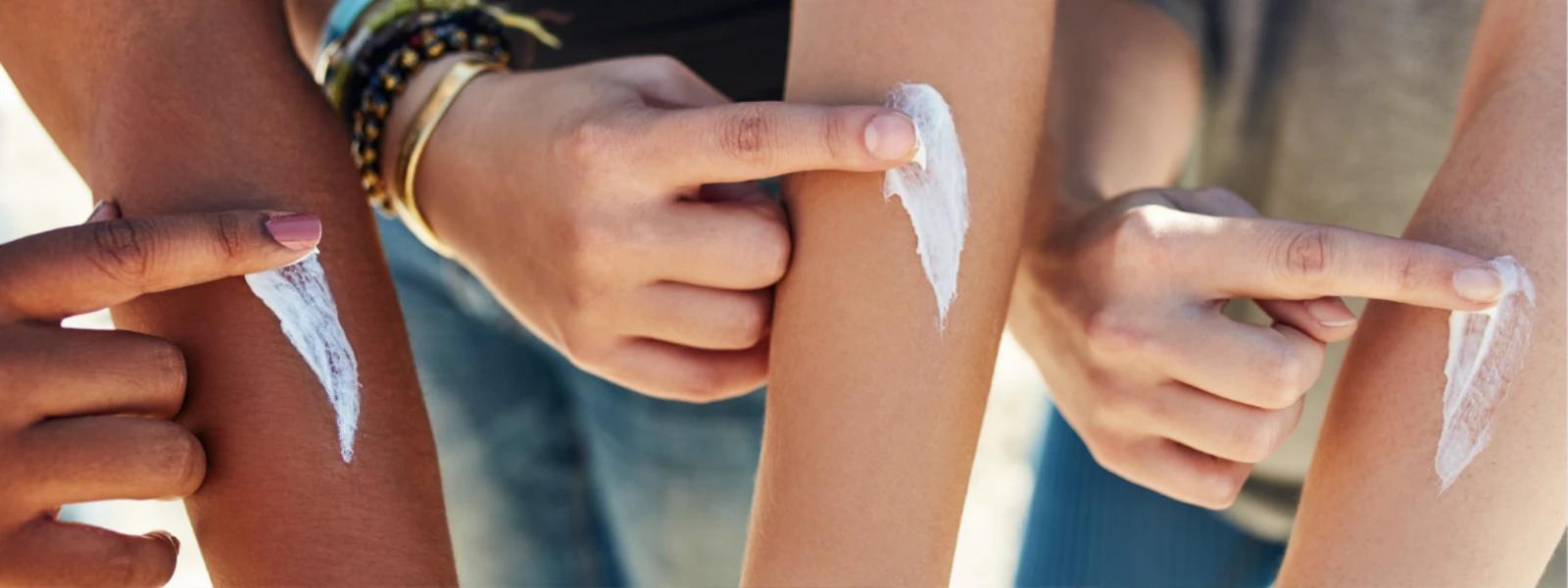
Sun protection is absolutely essential. Even though your melanin provides some natural protection, consistent SPF use prevents new pigmentation and protects the progress you're making with your routine. Look for SPF 30 or higher that doesn't leave a white cast on your beautiful skin tone.
This is where you can really target those specific concerns. Exfoliation 2-3 times per week helps remove dead skin cells that can make wheatish skin look dull. Chemical exfoliants like glycolic acid or lactic acid are often more effective and gentler than physical scrubs for addressing uneven texture.

Better Daily Essentials Set | Cleanser, Moisturizer & Sunscreen | Daily Skincare Routine | Hydration, Protection & Care
Targeted serums can address hyperpigmentation and boost radiance. The key is introducing them gradually and choosing ingredients that work well with your skin tone's natural characteristics.
Not all skincare ingredients work the same way on every skin tone. Here are the ones that consistently deliver results for wheatish complexions, helping you achieve that even, radiant look you're after.
Vitamin C is brilliant for wheatish skin because it works on multiple levels - protecting against environmental damage while gently brightening your overall complexion. Look for stable forms like magnesium ascorbyl phosphate that won't irritate your skin.
Alpha arbutin is particularly effective for medium skin tones because it targets hyperpigmentation without the harsh effects that can sometimes worsen dark spots. It works by inhibiting melanin production in a controlled way, helping to fade existing marks while preventing new ones.
Kojic acid and licorice extract are gentler alternatives that work well for sensitive wheatish skin. They provide brightening benefits without the irritation that stronger ingredients might cause.
Hyaluronic acid is a game-changer for maintaining that plump, healthy look that makes wheatish skin glow. It holds up to 1000 times its weight in water, keeping your skin hydrated throughout the day.
Niacinamide is particularly beneficial for wheatish skin because it helps regulate oil production, minimises pores, and has mild brightening effects. It's gentle enough for daily use and works well with other active ingredients.
Lactic acid is often the best AHA choice for wheatish skin because it exfoliates while providing hydration. It's less likely to cause irritation that could lead to post-inflammatory hyperpigmentation.
For those with combination or oily wheatish skin, salicylic acid can help with congestion and mild breakouts without over-drying your skin.
Now let's put it all together into a practical routine that you can actually stick to. Remember, consistency trumps complexity every time.

Even Tone Restore Set | 3-Step Brightening Routine for Hyperpigmentation | Serum, Moisturizer & Sunscreen | Daily Skincare Kit
Start with a gentle cleanser to remove overnight buildup without stripping your skin. Follow with a vitamin C serum to protect against environmental damage and boost radiance. Apply a lightweight moisturiser that suits your skin type, then finish with broad-spectrum SPF. This simple routine protects your skin and maintains that healthy glow throughout the day.
Evening is when you can focus on treatment and repair. Start with thorough cleansing - double cleansing if you wear makeup or sunscreen. Two to three times per week, use a gentle chemical exfoliant like lactic acid. On alternate nights, apply treatment serums targeting your specific concerns. Always finish with a nourishing night moisturiser to support your skin's natural repair processes.
While modern skincare ingredients are incredibly effective, some natural options can complement your routine beautifully, especially for wheatish skin that often responds well to gentle, traditional ingredients.
Turmeric has been used for centuries to brighten and even skin tone. A weekly mask with turmeric, honey, and yogurt can help address dullness and provide gentle exfoliation. Just be careful with the amount - a pinch is enough to avoid temporary staining.
Honey is naturally antibacterial and hydrating, making it perfect for wheatish skin that needs both cleansing and moisture. Raw honey can be used as a gentle cleanser or in DIY masks.
Aloe vera soothes irritation and provides hydration without heaviness. It's particularly useful if you're dealing with sensitivity from new active ingredients.
This is often the biggest concern for people with wheatish skin, and rightfully so. Hyperpigmentation can be stubborn, but with the right approach, you can see significant improvement over time.
Not all dark spots are the same. Post-inflammatory hyperpigmentation from old breakouts responds differently than melasma or sun damage. Understanding what you're dealing with helps you choose the right treatment approach.
For wheatish skin, gentle consistency beats aggressive treatment every time. Layer brightening ingredients carefully - perhaps vitamin C in the morning and alpha arbutin in the evening. Always introduce new actives one at a time to avoid irritation that could worsen pigmentation.
Learning what not to do is just as important as knowing what works. These common mistakes can set back your progress and sometimes make concerns worse.
It's tempting to think that more exfoliation will speed up results, but wheatish skin can be sensitive to over-treatment. Stick to 2-3 times per week maximum, and always follow up with proper hydration and sun protection.
If your skin starts looking irritated, red, or if dark spots seem to be getting worse, it's time to scale back. Wheatish skin can develop post-inflammatory hyperpigmentation from irritation, so gentle is always better.
Most people start noticing improvements in skin texture and hydration within 2-4 weeks. For hyperpigmentation and uneven tone, expect to see gradual changes over 8-12 weeks of consistent use. Remember, your skin renews itself approximately every 28 days, so patience is key.
Wheatish skin often benefits from seasonal adjustments. During humid months, you might prefer lighter moisturisers and focus more on oil control. In dry seasons, richer creams and extra hydrating serums can prevent that ashy, dull appearance that sometimes affects medium skin tones.
Yes, but introduce them gradually. Start with one brightening ingredient for 2-3 weeks, then slowly add others. Vitamin C in the morning and alpha arbutin in the evening is a popular, effective combination for wheatish skin.
This usually happens with mineral sunscreens containing zinc oxide or titanium dioxide. Look for tinted formulations or chemical sunscreens that blend seamlessly with your skin tone. Many brands now specifically formulate for medium skin tones.
Building the perfect skincare routine for wheatish skin is about understanding and celebrating your unique complexion while addressing its specific needs. Your beautiful skin tone deserves products and routines designed with medium complexions in mind, not one-size-fits-all solutions that might not work for you.
Remember, the goal isn't to change your natural skin tone but to help it look its healthiest and most radiant. With consistent care, gentle active ingredients, and proper sun protection, you can achieve that even, glowing complexion you're after. The journey might take time, but every step brings you closer to skin that feels as beautiful as it looks.
For those ready to explore curated skincare options, platforms like Smytten offer the chance to try products before committing to full sizes - particularly valuable when you're building a routine for your specific skin tone and concerns. With over 28 million users discovering their perfect products through samples and trials, you can find what truly works for your wheatish skin without the guesswork.
