How Long to See Acne Mark Results? Your Guide to Scar Treatment
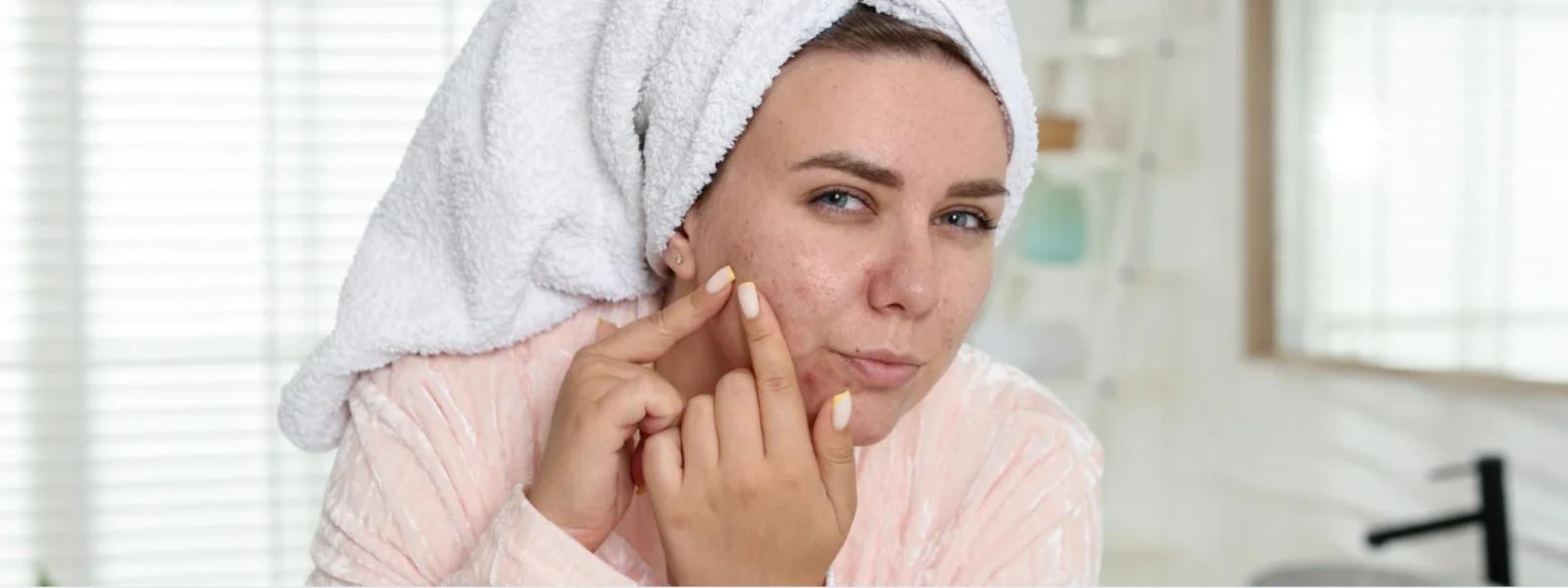

You've been diligently applying your acne scar treatment for weeks now, checking the mirror each morning for signs of improvement. Those stubborn dark spots and textured patches seem to mock your efforts, leaving you wondering if your routine is actually working. Real talk: understanding realistic timelines for acne mark results can save you from the frustration of unrealistic expectations and help you stay committed to treatments that truly work.
Before diving into timelines, let's clarify what we're actually treating. Post inflammatory hyperpigmentation (PIH) appears as flat, discoloured spots where breakouts once lived. These marks range from red to brown or even purple, depending on your skin tone. True acne scars, however, involve textural changes - those indented or raised areas that create an uneven skin surface.
The distinction matters because treatment timelines vary dramatically between these concerns. PIH typically responds faster to topical treatments, whilst textural scars often require more intensive intervention. Red marks (post-inflammatory erythema) usually fade quicker than dark spots, and both clear faster than actual scarring.
Your skin tone also influences healing patterns. Deeper skin tones are more prone to hyperpigmentation, whilst lighter tones may experience more redness. Understanding your specific concern helps set realistic expectations for your scar healing time.
The honest answer? It depends on several factors, but here's what dermatological research tells us about realistic timelines for different approaches.
Left to their own devices, acne marks follow a predictable but slow healing pattern. Red marks typically fade within 3-6 months as inflammation subsides and blood vessels return to normal. Dark spots take considerably longer - anywhere from 6-24 months depending on their intensity and your skin's natural turnover rate.
Textural scars present a different challenge entirely. Shallow scars may improve slightly over 12-24 months, but deeper indentations rarely resolve without intervention. Your age plays a role here too - younger skin with faster cell turnover may see quicker natural improvement than mature skin.
Active treatment significantly accelerates the healing process. Topical treatments typically show initial results within 4-8 weeks, with substantial improvement visible after 3-6 months of consistent use. Professional procedures often deliver faster initial results, with some improvement visible within 2-4 weeks, though full results develop over several months.
Combination approaches - pairing professional treatments with targeted skincare - often yield the most impressive results within the shortest timeframes. This strategy addresses multiple aspects of acne scar removal simultaneously.
Different treatments work at varying speeds, and understanding these timelines helps you choose the right approach for your patience level and skin concerns.
Niacinamide emerges as a gentle yet effective option for post inflammatory hyperpigmentation. Most people notice initial improvements around the 4-6 week mark, with significant lightening visible after 8-12 weeks of twice-daily application. This ingredient works by inhibiting melanin transfer and reducing inflammation.
Retinoids accelerate cell turnover, helping marks fade faster whilst preventing new breakouts. Expect initial results around 6-8 weeks, with substantial improvement after 12-16 weeks. Start slowly to avoid irritation, which can actually worsen pigmentation.
Vitamin C serums brighten existing marks whilst protecting against future damage. Results typically appear after 6-10 weeks of consistent morning application. Look for stable forms like magnesium ascorbyl phosphate for sensitive skin.
Chemical peels offer controlled exfoliation to reduce acne redness and pigmentation. Light peels require 4-6 sessions spaced 2-4 weeks apart, with noticeable improvement after the second treatment. Medium-depth peels show faster results but require longer recovery periods.
Microneedling stimulates collagen production to improve textural scarring. Most people need 3-6 sessions spaced 4-6 weeks apart. Initial improvement appears after the second session, with continued enhancement for months following treatment completion.
Laser treatments target both pigmentation and texture concerns. Fractional lasers typically require 3-5 sessions over 6-12 months, with initial results visible within 2-4 weeks. Full results develop as new collagen forms over the following months.
Evidence-based natural ingredients like azelaic acid, kojic acid, and arbutin can effectively lighten marks over 8-16 weeks. These gentler options work well for sensitive skin or those preferring natural approaches.
Lifestyle factors significantly impact healing speed. Adequate sleep, stress management, and proper nutrition support your skin's natural repair processes. Sun protection remains crucial - UV exposure can darken existing marks and slow healing progress.
Several variables influence how quickly you'll see results from your chosen acne scar treatment. Understanding these factors helps set realistic expectations and optimise your approach.
Your skin type and tone significantly impact healing patterns. Oily skin often responds well to active ingredients but may be prone to post-inflammatory hyperpigmentation. Sensitive skin requires gentler approaches with longer timelines. Deeper skin tones need careful ingredient selection to avoid worsening pigmentation.
The age and severity of your marks matter tremendously. Fresh marks (under 6 months old) typically respond faster than established scarring. Shallow, surface-level concerns clear quicker than deep, textural changes that affect multiple skin layers.
Treatment consistency proves crucial for success. Sporadic application extends timelines significantly, whilst religious adherence to your routine accelerates results. Sun protection cannot be overstated - UV exposure can undo months of progress within days.
Understanding the typical progression helps you stay motivated during slower periods and recognise when treatments are working.
Weeks 1-4 represent the adjustment phase. Your skin adapts to new ingredients, and you might experience initial purging or mild irritation. Don't expect visible improvement yet - your skin is preparing for change at the cellular level.
Weeks 4-8 bring the first encouraging signs. Red marks may appear less angry, and dark spots might seem slightly lighter. This subtle improvement often goes unnoticed without progress photos for comparison.
Months 2-3 deliver more obvious changes. Skin discoloration treatment becomes visibly effective, with marks noticeably lighter and skin texture beginning to smooth. This period often brings renewed motivation to continue treatment.
Months 3-6 showcase significant improvement for most people. Marks that seemed permanent begin fading substantially, and overall skin tone appears more even. This timeframe often represents the sweet spot for topical treatments.
Progress isn't always dramatic, so learning to recognise subtle improvements keeps you motivated. Gradual lightening of dark spots often happens so slowly that daily observation misses the change. Weekly progress photos prove invaluable for tracking improvement.
Improved skin texture signals successful treatment, even when pigmentation changes lag behind. Smoother skin surface and reduced inflammation indicate your routine is addressing underlying concerns effectively.
Strategic application and lifestyle choices can significantly accelerate your acne mark improvement timeline.
Morning routines should focus on protection and gentle brightening. Apply vitamin C serum to clean skin, followed by moisturiser and broad-spectrum SPF 30 or higher. Evening routines can handle more active ingredients like retinoids or niacinamide.
Product layering matters for optimal absorption. Apply thinnest to thickest consistency, allowing each layer to absorb before adding the next. Avoid mixing certain ingredients - like vitamin C and retinoids - which can cause irritation without added benefit.
Consistency trumps intensity every time. Gentle, daily application of appropriate ingredients yields better results than sporadic use of stronger formulations that cause irritation and setbacks.
Sun protection cannot be emphasised enough. UV exposure darkens existing marks and creates new pigmentation, essentially undoing treatment progress. Reapply SPF every 2 hours during sun exposure, and consider physical barriers like hats for extended outdoor time.
Nutrition supports skin healing from within. Antioxidant-rich foods, adequate protein, and proper hydration provide building blocks for healthy skin regeneration. Omega-3 fatty acids help reduce inflammation that can worsen scarring.
Quality sleep and stress management directly impact skin healing. Chronic stress elevates cortisol levels, which can slow wound healing and increase inflammation. Aim for 7-9 hours of quality sleep to support your skin's natural repair processes.
Certain situations warrant professional intervention to achieve optimal results within reasonable timeframes. Deep, textural scarring rarely responds adequately to topical treatments alone. If you've used appropriate products consistently for 3-6 months without improvement, professional evaluation can identify more effective approaches.
Worsening pigmentation during treatment signals the need for professional guidance. Some ingredients can cause irritation that leads to post-inflammatory hyperpigmentation, creating more marks than you started with.
Professional treatments offer faster, more dramatic results for stubborn concerns. Dermatologists can combine multiple modalities - like laser treatments with prescription topicals - for comprehensive acne scar removal approaches that surpass what's possible with over-the-counter options alone.
Cost considerations vary widely depending on treatment type and geographic location. Many dermatologists offer payment plans for extensive treatment series. Some insurance plans cover treatments for severe scarring, though cosmetic concerns typically require out-of-pocket payment.
Without treatment, acne marks typically take 6-24 months to fade naturally, with post-inflammatory hyperpigmentation taking 3-6 months and deeper scars potentially taking years or never fully resolving without intervention. Red marks usually fade faster than dark spots, and both clear quicker than textural scarring.
While 100% removal isn't always possible, combining professional treatments can significantly reduce scar visibility by 50-90%, depending on scar type, depth, and individual healing response. Realistic expectations focus on substantial improvement rather than complete elimination.
Professional treatments like laser therapy, chemical peels, or microneedling combined with prescription topicals typically show the fastest results, with initial improvements visible in 2-4 weeks. However, full results still require several months of treatment and healing time.
Superficial marks may fade naturally over 6-12 months, but deeper scars typically require active treatment to see significant improvement. Age, skin type, and scar severity all influence natural healing potential.
Niacinamide typically shows initial results in 4-6 weeks, with significant improvement in post-inflammatory hyperpigmentation visible after 8-12 weeks of consistent use. This gentle ingredient works well for sensitive skin whilst effectively reducing inflammation and pigmentation.
Patience proves essential when treating acne marks and scarring. Realistic timelines range from 8-12 weeks for initial improvement with topical treatments, extending to 6-12 months for substantial results with deeper concerns. Professional treatments can accelerate this timeline but still require months for full results to develop.
Your skin's healing journey is unique, influenced by factors like skin type, scar severity, treatment consistency, and lifestyle choices. Focus on gentle, consistent care rather than aggressive approaches that can worsen pigmentation or cause new concerns.
Smytten Shop offers access to premium skincare brands with proven ingredients for acne scar treatment, allowing you to try products before committing to full sizes. With over 28 million users discovering effective solutions through sample programmes, you can build a targeted routine without the guesswork. Remember, the best treatment is one you'll use consistently - and finding the right products for your skin makes all the difference in achieving the clear, even complexion you're working towards.
