Hormonal Imbalance Skin Guide FAQ: Your Questions Answered
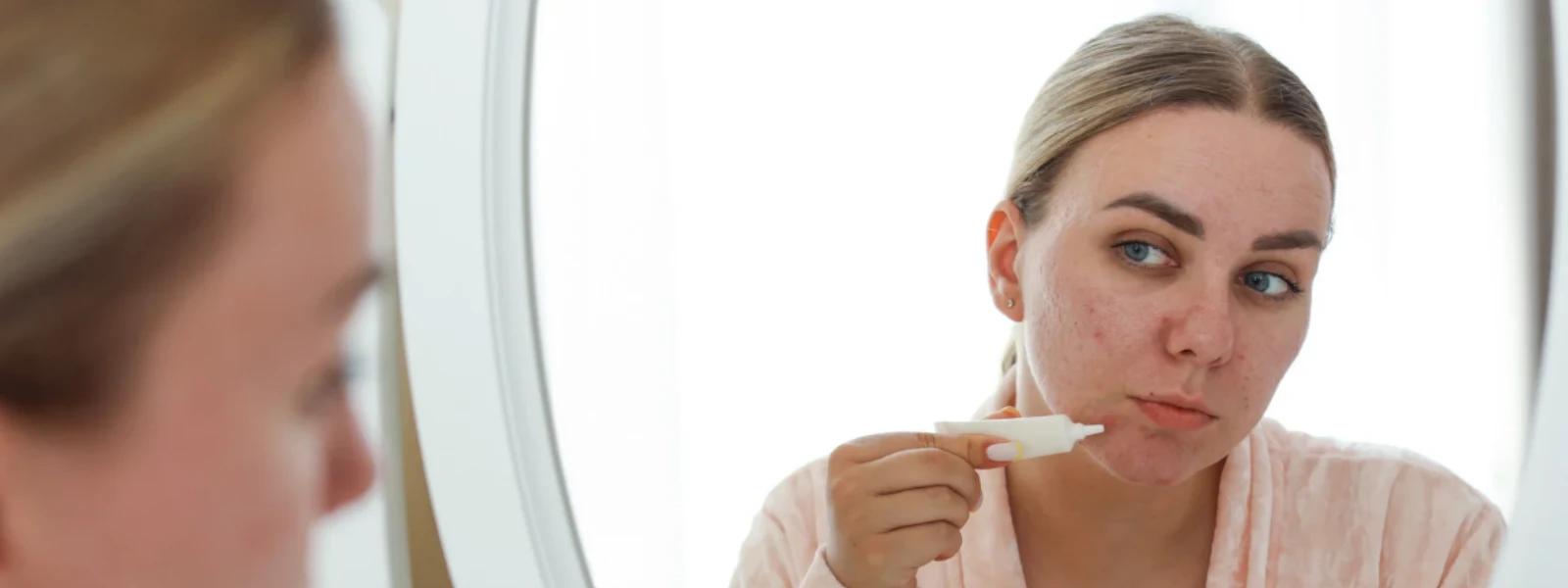

Ever wondered why your skin seems to have a mind of its own? One week it's glowing, the next it's breaking out in places you've never seen spots before. If you've noticed your skin changes with your cycle, stress levels, or life stages, you're not alone. Hormonal imbalance affects up to 85% of women at some point, and your skin often becomes the first messenger. From unexpected breakouts along your jawline to sudden texture changes, hormonal skin problems can feel frustrating and unpredictable. The good news? Understanding the connection between skin and hormones is the first step to getting your glow back.
Your skin is essentially a mirror reflecting what's happening inside your body. When hormones like oestrogen, progesterone, testosterone, cortisol, and insulin fluctuate, your skin responds immediately. Think of it as your body's early warning system.
These hormone related skin issues typically appear during key life stages: puberty (when everything feels chaotic), your monthly cycle (hello, premenstrual breakouts), pregnancy, and menopause. Even daily stressors can trigger cortisol spikes that show up as inflammation or sudden sensitivity.
Hormonal imbalance symptoms skin can manifest in several distinct ways. Acne breakouts that cluster around your jawline, chin, and neck are classic signs. Unlike teenage spots that pop up randomly, hormonal acne follows predictable patterns and timing.
Skin texture changes happen when hormones affect oil production and cell turnover. You might notice your skin becoming suddenly rough, bumpy, or switching between oily and dry patches. Pigmentation issues like melasma or stubborn dark spots often develop during pregnancy or with certain medications.
Premature ageing signs can appear when oestrogen levels drop, affecting collagen production. Finally, increased sensitivity and inflammation might mean products that once worked perfectly now cause redness or irritation.
Recognising hormonal breakout patterns helps you understand what's really happening. Hormonal acne typically appears as deep, cystic spots along your lower face, particularly around your jawline and chin. These breakouts often coincide with your menstrual cycle, appearing 7-10 days before your period.
Regular acne tends to be more widespread across your face, whilst hormonal spots are strategic in their placement. Adult women experiencing hormonal acne for the first time often feel confused—weren't spots supposed to end after your teens?
Certain symptoms warrant medical attention. If you're experiencing severe cystic acne, sudden hair loss, irregular periods alongside skin changes, or rapid weight fluctuations, it's worth consulting a healthcare provider. A comprehensive hormone panel can reveal underlying conditions like PCOS, thyroid dysfunction, or insulin resistance.
Finding the right professional matters. Dermatologists excel at treating the skin symptoms, whilst endocrinologists address the root hormonal causes. Many women benefit from seeing both specialists for comprehensive care.
Hormonal imbalance treatment skin approaches work best when they combine professional guidance with consistent skincare. Topical treatments like retinoids help accelerate cell turnover, whilst salicylic acid and benzoyl peroxide target bacteria and unclog pores.
For persistent cases, hormonal therapies might include birth control pills that regulate androgen levels, or spironolactone, which blocks testosterone's effects on oil glands. These treatments require medical supervision but can dramatically improve hormonal skin problems.
The best skincare hormonal imbalance routine focuses on gentle consistency rather than aggressive treatments. Morning routines should include a mild cleanser, treatment products like niacinamide for oil control, a lightweight moisturiser, and broad-spectrum SPF.
Evening routines benefit from double cleansing to remove makeup and daily buildup, followed by active ingredients like retinol or azelaic acid. These ingredients help regulate oil production and prevent clogged pores without over-drying your skin.
Treating hormonal acne naturally involves supporting your body's hormone production and metabolism. Diet plays a significant role—reducing dairy and high-glycemic foods can help some people see improvements in their skin within 6-8 weeks.
Anti-inflammatory foods like fatty fish, leafy greens, and berries provide nutrients that support healthy hormone function. Omega-3 supplements, zinc, and probiotics have shown promise in clinical studies for reducing inflammatory acne.
Stress management directly impacts cortisol levels, which influence oil production and inflammation. Regular exercise helps regulate insulin and supports healthy hormone metabolism, but avoid over-exercising, which can increase cortisol.
Sleep quality affects growth hormone and cortisol rhythms. Aim for 7-9 hours of consistent sleep, and consider your bedroom environment—blue light from screens can disrupt melatonin production.
Skin changes hormonal imbalance vary significantly depending on your age and life circumstances. Teenage hormonal skin benefits from gentle, consistent routines that don't strip the skin barrier. Over-cleansing often worsens teenage acne by triggering more oil production.
Women in their reproductive years might notice cyclical skin changes. Some find success with cycle-syncing their skincare—using gentler products during the luteal phase when skin becomes more sensitive, and incorporating stronger actives during the follicular phase.
Pregnancy hormones can trigger melasma, increased sensitivity, or unexpected acne. Many traditional acne treatments aren't safe during pregnancy, so focus on gentle cleansing, azelaic acid (generally considered safe), and diligent sun protection.
Postpartum skin often experiences dramatic changes as hormone levels shift again. Be patient with your skin during this transition—it can take 6-12 months for hormones to stabilise after childbirth or breastfeeding.
Most people notice initial improvements within 6-8 weeks of starting treatment, but significant changes typically take 3-6 months. Hormonal acne responds more slowly than other types because you're addressing underlying hormone fluctuations, not just surface symptoms. Consistency with your routine and patience are essential.
While hormonal breakouts can leave temporary marks, permanent damage is preventable with proper treatment. Post-inflammatory hyperpigmentation (dark spots) usually fades within 6-12 months. Scarring occurs when cystic acne isn't treated promptly, so early intervention matters.
Hormonal acne typically appears along the jawline, chin, and neck, often coinciding with menstrual cycles or stress. Regular acne tends to be more widespread across the face and responds well to standard topical treatments. Hormonal acne often requires internal treatment approaches for lasting results.
Hormonal treatments like birth control or spironolactone can have side effects including mood changes, breast tenderness, or changes in menstrual patterns. Your healthcare provider will discuss these risks and monitor your response. Many people find the skin benefits outweigh temporary adjustment periods.
Research shows that high-glycemic foods and dairy can worsen hormonal acne in some people. Anti-inflammatory diets rich in omega-3s, antioxidants, and fibre support healthy hormone metabolism. While diet alone rarely clears severe acne, it can significantly complement other treatments.
Key indicators include breakouts that worsen before your period, acne concentrated around your jawline and chin, adult-onset acne after years of clear skin, or skin changes that coincide with life events like starting birth control, pregnancy, or increased stress.
Absolutely. Men can develop hormonal acne from testosterone fluctuations, stress-induced cortisol spikes, or underlying conditions affecting hormone balance. Male hormonal acne often appears in the beard area and across the back and chest.
Understanding your hormonal imbalance skin guide empowers you to make informed decisions about treatment. Remember that skin and hormones are intricately connected, and addressing both internal and external factors yields the best results.
Whether you're dealing with cyclical breakouts, sudden texture changes, or persistent adult acne, solutions exist. The key is finding the right combination of professional treatment, consistent skincare, and lifestyle support that works for your unique situation.
Platforms like Smytten Shop make it easier to explore different skincare approaches without committing to full-sized products immediately. With access to premium brands and the ability to try before you buy, you can build a routine that truly supports your skin's hormonal needs. Your skin's journey is unique, and with patience and the right approach, balanced, healthy skin is absolutely achievable.
