Home Remedies for Dark Knees FAQ: Causes & Natural Treatments
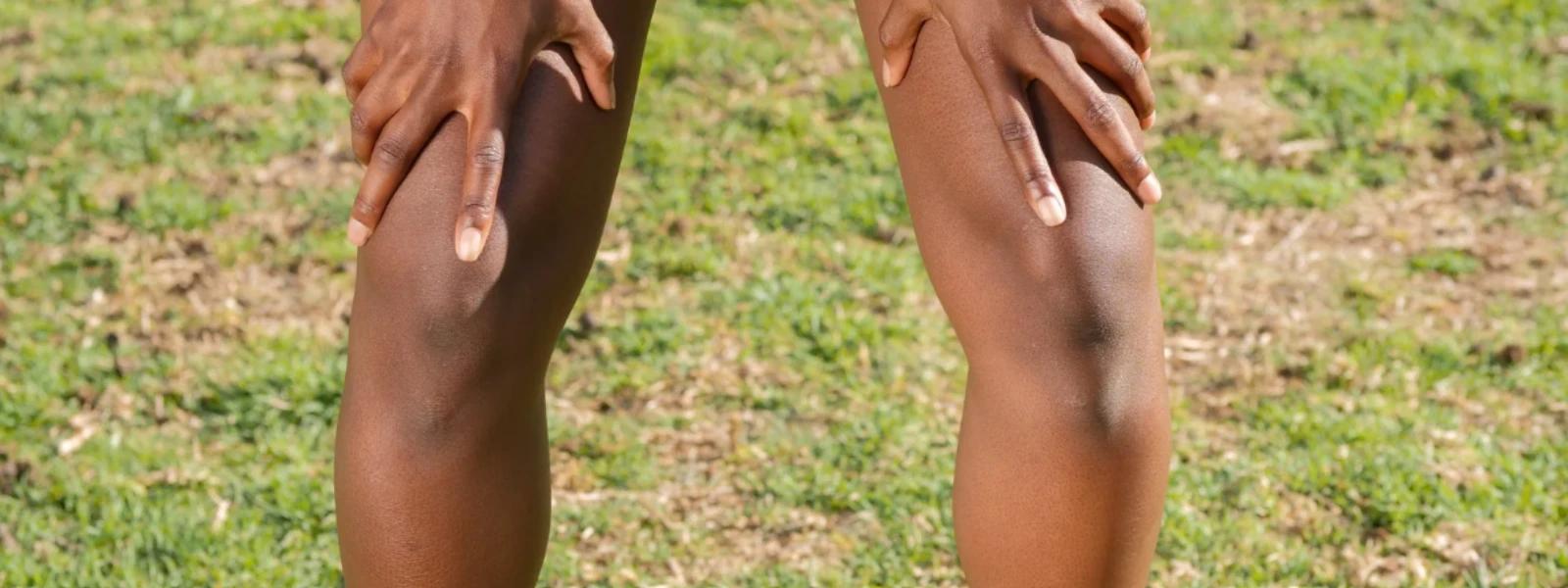

You've noticed them in the mirror – those darker patches on your knees that seem to have appeared out of nowhere. Whether it's from years of kneeling, dry skin that's built up over time, or simply genetics playing their part, dark knees are incredibly common and absolutely nothing to feel self-conscious about. The good news? There are plenty of gentle, natural ways to help lighten and brighten the skin on your knees using ingredients you likely already have at home. Let's explore what causes this hyperpigmentation and discover some tried-and-tested home remedies for dark knees that actually work.
Before diving into treatments, it's worth understanding why your knees might have darkened in the first place. Knee discoloration happens for several reasons, and knowing the cause can help you choose the most effective approach.
The most common culprit behind dark knees is simple friction. Every time you kneel down to tie your shoes, play with children, or clean the floor, you're creating pressure and rubbing against the skin. Over time, this constant friction causes the skin to thicken and darken as a protective response.
Dry skin plays a huge role too. When your knees lack moisture, dead skin cells build up, creating that rough, darker appearance. This is why you might notice your knees looking particularly dark during winter months when the air is drier.
Sometimes, dark knees can signal underlying health conditions like insulin resistance or diabetes. This condition, called acanthosis nigricans, causes skin to darken in body folds and creases. Hormonal changes, particularly during pregnancy or due to thyroid issues, can also contribute to uneven skin tone on the knees.
Whilst most knee discoloration is purely cosmetic, it's important to recognise when it might indicate something more serious. If your knees have darkened suddenly, feel thick or velvety to touch, or if you're experiencing other symptoms like excessive thirst or fatigue, it's worth consulting a healthcare provider.
Generally speaking, if the darkening has been gradual and your knees feel normal to touch, you're likely dealing with friction-related pigmentation that responds well to gentle natural remedies for dark skin.
The key to successful dark knees treatment lies in combining gentle exfoliation with deep moisturising. These natural approaches work gradually but effectively, helping to remove dead skin cells whilst nourishing the new skin underneath.
Sugar and olive oil make a brilliant combination for gentle exfoliation. Mix 2 tablespoons of granulated sugar with 1 tablespoon of olive oil to create a paste. Massage this onto damp knees using circular motions for about 2 minutes, then rinse with warm water. The sugar helps slough off dead skin cells whilst the olive oil provides deep moisture.
For a slightly more intensive treatment, try a baking soda and milk scrub. Combine 1 tablespoon of baking soda with enough milk to form a thick paste. The lactic acid in milk provides gentle chemical exfoliation whilst the baking soda offers physical scrubbing action. Use this mixture 2-3 times weekly, leaving it on for 5 minutes before gently massaging and rinsing off.
Lemon juice has been used for generations to help brighten skin, thanks to its natural citric acid content. Mix the juice of half a lemon with 1 tablespoon of baking soda to create a paste. Apply this to your knees, leave for 10-15 minutes, then rinse thoroughly. Always use this treatment in the evening and apply sunscreen the next day, as lemon can make skin more sensitive to UV rays.
Turmeric and yogurt create a powerhouse mask for addressing hyperpigmentation knees. Mix half a teaspoon of turmeric powder with 1 tablespoon of plain yogurt. The curcumin in turmeric has anti-inflammatory properties, whilst yogurt's lactic acid helps gently brighten skin. Leave this mask on for 10-15 minutes before rinsing with lukewarm water.
Coconut oil deserves a special mention for dark knees treatment. Its fatty acids penetrate deeply into the skin, helping to repair the skin barrier and reduce the dryness that often contributes to darkening. Apply a small amount to clean knees every night before bed, massaging gently until absorbed.
Almond oil is another excellent choice, particularly rich in vitamin E which supports skin repair and regeneration. Its light texture makes it perfect for daily use without feeling greasy or heavy on the skin.
Creating your own DIY knee scrub allows you to control exactly what goes onto your skin whilst saving money on expensive treatments. These recipes use kitchen staples that are gentle yet effective.
For a nourishing weekly treatment, try an oatmeal and honey scrub. Blend 2 tablespoons of oats into a coarse powder, then mix with 1 tablespoon of honey and enough water to create a spreadable paste. Oats provide gentle exfoliation whilst honey's humectant properties draw moisture into the skin.
A green tea and sugar scrub offers antioxidant benefits alongside exfoliation. Brew a strong cup of green tea, let it cool, then mix 2 tablespoons of the tea with 3 tablespoons of brown sugar and 1 tablespoon of olive oil. The antioxidants in green tea may help protect skin from further damage whilst the sugar removes dead cells.
When applying any DIY knee scrub, always start with damp skin – this prevents over-exfoliation and helps the ingredients spread more easily. Use gentle, circular motions for 1-2 minutes maximum, focusing on the darkest areas but being careful not to scrub too vigorously.
After exfoliating, always follow up with a moisturiser or oil to lock in hydration. This step is crucial for preventing the dryness that can lead to further darkening.
One of the most important things to understand about natural remedies for dark skin is that they work gradually. Unlike harsh chemical treatments, natural approaches respect your skin's natural renewal cycle whilst providing gentle, lasting results.
During the first fortnight of consistent treatment, you'll likely notice your knees feeling softer and smoother. The regular exfoliation removes the buildup of dead skin cells, whilst moisturising treatments begin to improve the skin's texture and hydration levels.
Don't expect dramatic colour changes yet – your skin is still adjusting to the new routine and beginning its natural renewal process.
This is typically when people start noticing real changes in their knee discoloration. The skin should appear brighter and more even-toned, with a noticeable reduction in the contrast between your knees and surrounding skin.
Consistency is absolutely key during this phase. Skipping treatments or being inconsistent can slow down progress significantly.
Your skin naturally renews itself approximately every 28 days, which is why most skin lightening for knees treatments require at least a month to show significant results. Trying to rush the process with harsh scrubbing or daily treatments can actually make darkening worse by causing irritation and inflammation.
Once you've successfully lightened your knees, prevention becomes crucial for maintaining your results. Small changes to your daily routine can make a significant difference in preventing future hyperpigmentation.
Consider the activities that might be causing friction on your knees. If you spend time gardening, cleaning floors, or playing sports that involve kneeling, invest in knee pads or cushions to reduce direct pressure and rubbing.
Tight clothing, particularly leggings or jeans that rub against your knees when you walk or sit, can contribute to darkening over time. Opt for looser-fitting clothes when possible, or choose fabrics that don't create as much friction.
Just like the skin on your face, your knees benefit from daily attention. Apply a moisturiser every morning after showering, whilst your skin is still slightly damp to lock in hydration.
Don't forget about sun protection – UV exposure can worsen hyperpigmentation, so apply sunscreen to exposed knees during summer months or when wearing shorts and skirts.
Whilst home remedies for dark knees work well for many people, sometimes professional intervention might be necessary. If you've been consistent with natural treatments for 6-8 weeks without seeing improvement, it might be time to consult a dermatologist.
Dermatologists can offer treatments like chemical peels, laser therapy, or prescription lightening creams that work more quickly than natural remedies. They can also rule out any underlying health conditions that might be contributing to the darkening.
Professional treatments are particularly helpful if your dark knees are related to a medical condition like diabetes or insulin resistance, which requires addressing the root cause rather than just the symptoms.
Most people notice improvements in skin texture within 1-2 weeks, with visible lightening typically occurring after 3-4 weeks of consistent treatment. Remember, natural remedies work gradually but provide lasting results when used consistently.
It's best to limit lemon juice treatments to 2-3 times per week maximum. Daily use can cause irritation and make your skin more sensitive to sunlight. Always apply sunscreen the day after using lemon-based treatments.
Absolutely not. Dark knees are primarily caused by friction, genetics, or underlying health conditions – not cleanliness. In fact, over-scrubbing in an attempt to 'clean' dark knees can make the problem worse by causing irritation.
Coconut oil and almond oil are both excellent choices. Coconut oil is particularly good for very dry skin, whilst almond oil is lighter and absorbs more quickly. You can even alternate between the two to get benefits from both.
When used correctly (2-3 times weekly maximum), baking soda is generally safe for most people. However, if you have sensitive skin or notice any irritation, reduce frequency or discontinue use. Always follow up with moisturiser after using baking soda treatments.
Not at all. Whilst acanthosis nigricans (which can cause dark knees) is sometimes associated with insulin resistance, the majority of dark knees are simply due to friction and dry skin. However, if you have other symptoms or the darkening appeared suddenly, it's worth consulting a healthcare provider.
Dealing with dark knees doesn't have to be complicated or expensive. These natural remedies offer gentle, effective ways to improve uneven skin tone whilst nourishing your skin with ingredients you can trust. The key is consistency, patience, and being gentle with your skin throughout the process.
Remember that everyone's skin responds differently, so what works quickly for one person might take longer for another. Focus on the overall health and texture of your skin rather than expecting overnight transformations. With regular care and the right approach, you can achieve smoother, more even-toned knees that you feel confident showing off.
For those exploring new skincare solutions, platforms like Smytten offer the perfect opportunity to discover products that might complement your natural routine. With access to samples from premium brands and a community of over 28 million users sharing their experiences, you can find products that work specifically for your skin type without the commitment of full-sized purchases.
