Friction vs Hormonal Acne FAQ: Causes & Treatments


Target & Fade Duo for Hyperpigmentation | Even-Tone Underarms, Inner Thighs & Bum | Refines Skin Texture | For All Skin Types
You've been staring at your reflection, trying to decode the breakouts scattered across your face. Some spots feel tender and deep, appearing like clockwork with your monthly cycle. Others seem to pop up after wearing that new face mask or following an intense gym session. The frustration is real – but here's the thing: not all acne is created equal. Understanding whether you're dealing with friction-induced acne or hormonal breakouts is the first step towards clearer skin. Let's dive into the science behind these different types of acne and discover how ingredients like niacinamide can help tackle both concerns.
The difference between friction-induced niacinamide and hormonal issues lies in their root causes and treatment approaches. While both can leave you with unwanted breakouts, they stem from completely different triggers and require tailored solutions. Think of it like treating a headache – you wouldn't use the same remedy for tension headaches and migraines, would you?
Friction-induced acne, also known as acne mechanica, occurs when physical irritation disrupts your skin's natural barrier. Meanwhile, hormonal acne develops from internal fluctuations that affect sebum production and inflammation. Recognising which type you're dealing with can save you months of trial and error with products that simply weren't designed for your specific concern.
Friction acne develops when repeated rubbing, pressure, or heat irritates your skin. This physical trauma causes micro-injuries to the skin barrier, leading to inflammation and clogged pores. Common culprits include tight clothing, sports equipment, face masks, or even aggressive cleansing techniques.
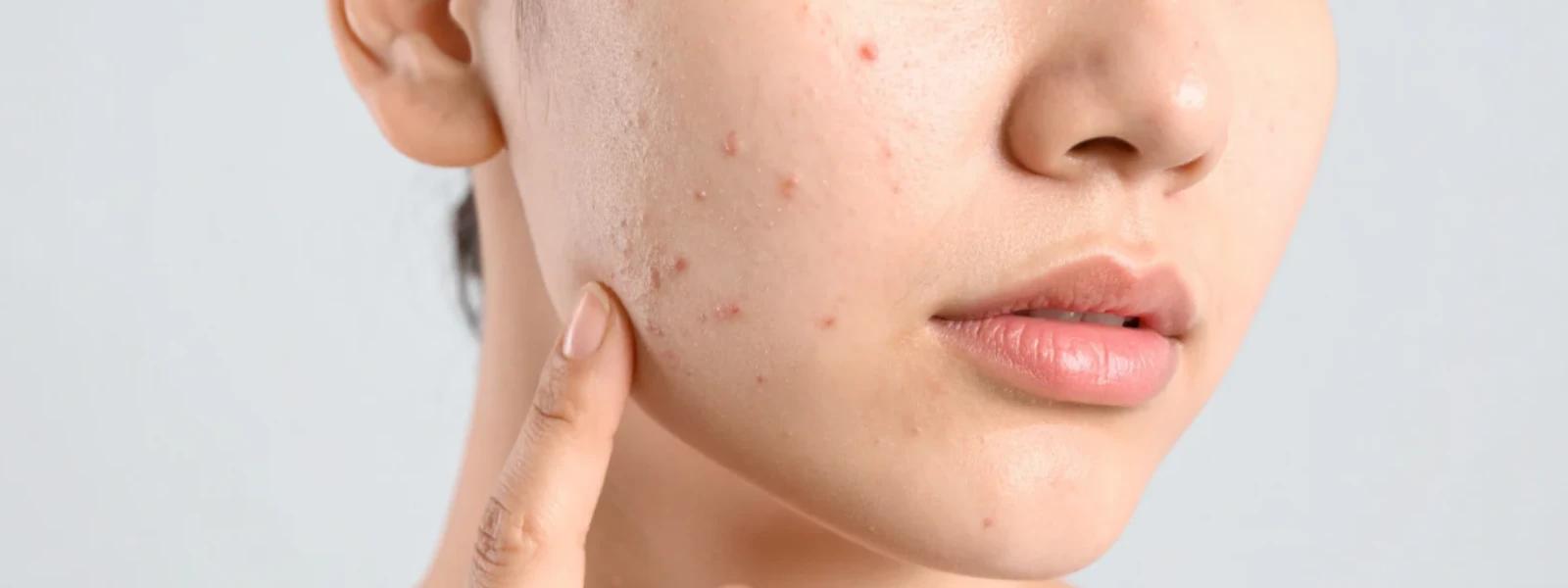
You'll typically spot friction acne in areas where clothing or accessories make contact with your skin – think along your jawline where face masks sit, on your forehead from headbands, or across your back from tight sports bras. The breakouts often appear as small, inflamed bumps rather than deep cysts, and they tend to cluster in the exact spots where friction occurs.
Hormonal imbalance skin manifests quite differently from friction-related breakouts. These spots typically appear along the lower face – your chin, jawline, and sometimes cheeks. They're often deeper, more painful, and can develop into cystic lesions that take weeks to heal.
The telltale sign of hormonal acne is its timing. Many people notice flare-ups occurring roughly two weeks before their period, coinciding with hormonal fluctuations. Unlike friction acne, which appears consistently in areas of physical irritation, hormonal breakouts can shift locations and vary in severity based on your internal hormonal landscape.
Friction acne often presents as smaller, surface-level bumps with mild to moderate inflammation. These breakouts typically heal faster once the source of irritation is removed. Hormonal acne, conversely, tends to be deeper, more painful, and can leave behind post-inflammatory hyperpigmentation that lingers for months.
The healing timeline also differs significantly. Friction acne may clear within days to weeks of eliminating the irritant, whilst hormonal breakouts often require consistent treatment over several months to see substantial improvement.
Understanding hormonal acne causes requires diving into the complex interplay between your endocrine system and skin health. Unlike external triggers that cause friction acne, hormonal breakouts stem from internal fluctuations that affect how your skin produces oil and responds to inflammation.
The primary culprit behind hormonal acne is androgens – male hormones present in all bodies, regardless of gender. When androgen levels spike, they stimulate sebaceous glands to produce excess sebum. This extra oil, combined with dead skin cells, creates the perfect environment for acne-causing bacteria to thrive.
Several hormones play crucial roles in skin health. Androgens like testosterone and dihydrotestosterone (DHT) directly increase sebum production. Even small fluctuations can trigger breakouts in sensitive individuals. Estrogen and progesterone levels also impact skin health, with declining estrogen often leading to increased androgen activity.

Mineral Sunscreen SPF 50 | Matte Finish | No White Cast | Non-Nano Zinc Oxide | Cica | Pregnancy Safe | All Skin Types | 50ml
Insulin deserves special attention, as elevated levels can increase androgen production and inflammation. This explains why some people notice clearer skin when following low-glycemic diets. Cortisol, your stress hormone, can also worsen acne by increasing inflammation and oil production whilst compromising your skin's barrier function.
Hormonal acne isn't just a teenage concern. Many adults experience their first significant breakouts in their twenties and thirties, particularly women. This adult-onset acne often coincides with life changes like starting or stopping birth control, pregnancy, or increased stress levels.
During pregnancy, fluctuating hormones can either improve or worsen acne, often changing throughout different trimesters. Postpartum hormonal shifts frequently trigger breakouts as hormone levels readjust. Even menopause can bring unexpected skin challenges as declining estrogen levels allow androgens to dominate.
Here's where things get exciting – niacinamide benefits extend to both friction-induced and hormonal acne, making it a versatile addition to most skincare routines. This form of vitamin B3 works through multiple mechanisms to address the underlying issues that contribute to both types of breakouts.
Niacinamide for acne has gained popularity for good reason. Clinical studies show it can reduce sebum production by up to 20% whilst simultaneously strengthening the skin barrier. This dual action makes it particularly effective for managing different types of acne without the irritation often associated with stronger actives like retinoids or benzoyl peroxide.
Skin barrier repair is niacinamide's strongest suit when dealing with friction-induced breakouts. When physical irritation compromises your skin's protective barrier, niacinamide helps rebuild the lipid matrix that keeps irritants out and moisture in. This restoration process reduces the inflammation that leads to acne triggers.
The ingredient's anti-inflammatory properties also help calm existing irritation whilst preventing new breakouts from forming. Unlike harsh treatments that might further compromise an already damaged barrier, niacinamide actually strengthens your skin's natural defences against future friction damage.
For hormonal acne, niacinamide's sebum-regulating properties take centre stage. By helping normalise oil production, it addresses one of the key factors that contribute to hormonal breakouts. The ingredient also helps minimise pore appearance and reduces the post-inflammatory hyperpigmentation that often follows hormonal acne.
Research indicates that 5% niacinamide can be as effective as 2% clindamycin (a prescription antibiotic) for reducing inflammatory acne lesions. This makes it an excellent option for those seeking effective skincare for hormonal acne without the potential side effects of stronger medications.
Most effective niacinamide products contain between 2-10% of the active ingredient. Concentrations around 5% tend to offer the best balance of efficacy and tolerability for most skin types. Higher concentrations aren't necessarily better and may cause irritation in sensitive individuals.
Look for formulations that combine niacinamide with complementary ingredients like hyaluronic acid for hydration or zinc for additional anti-inflammatory benefits. The key is finding products that address your specific concerns without overwhelming your skin.
Friction acne treatment starts with identifying and eliminating the source of irritation. This detective work is crucial – you can apply the most expensive serums in the world, but if you're still wearing that rough scarf or using aggressive cleansing techniques, you'll continue triggering new breakouts.

Salicylic Acid Face Cleanser | Deep Cleansing Formula for Breakouts | Unclogs Pores & Controls Oil | For Oily & Acne-Prone Skin | 100ml
The good news is that once you remove the irritant, friction acne often improves relatively quickly. Unlike hormonal acne, which requires addressing internal imbalances, friction acne responds well to external modifications and gentle, barrier-supporting skincare.
Start by examining your daily habits and identifying potential sources of friction. Common culprits include phone cases, pillowcases, workout equipment, tight clothing, and even aggressive towel drying. Replace rough fabrics with softer alternatives, clean items that contact your face regularly, and consider protective barriers like silk pillowcases.
For athletes or those who wear protective equipment, look for moisture-wicking fabrics and ensure proper cleaning between uses. Sometimes simple changes like loosening straps or adding padding can eliminate the friction that triggers breakouts.
Gentle is the keyword when treating friction acne. Harsh scrubs or aggressive actives will only worsen the irritation. Instead, focus on soothing, barrier-repairing ingredients like niacinamide, ceramides, and hyaluronic acid. These help restore the compromised skin barrier whilst reducing inflammation.
Expect to see improvement within 2-4 weeks of eliminating the friction source and implementing a gentle skincare routine. If breakouts persist beyond this timeframe, consider whether other factors might be contributing to your acne.
Skincare for hormonal acne requires a more comprehensive approach than friction acne treatment. Since the triggers are internal, topical treatments work best when combined with lifestyle modifications and, sometimes, professional medical intervention.
The key is patience and consistency. Hormonal acne treatment typically takes 3-6 months to show significant improvement, as you're working to rebalance internal systems rather than simply removing external irritants.
Effective hormonal acne treatment often involves combining multiple active ingredients. Niacinamide pairs beautifully with salicylic acid for pore-clearing benefits, or with retinoids for enhanced cell turnover. The key is introducing new actives gradually to avoid overwhelming your skin.
Benzoyl peroxide can be effective for inflammatory hormonal acne, but it may be too drying when combined with other actives. Start with one active ingredient and build your routine slowly, allowing your skin to adjust between additions.
For persistent hormonal acne, internal treatments may be necessary. Hormonal birth control can help regulate the fluctuations that trigger breakouts, though it may take several months to see results. Spironolactone, an anti-androgen medication, specifically targets the hormonal component of acne.
Some people find success with supplements like spearmint tea, zinc, or omega-3 fatty acids, though evidence for these approaches is more limited. Always consult with a healthcare provider before starting any internal treatments.
Supporting your hormonal health through lifestyle changes can significantly impact your skin. Stress management techniques like meditation or yoga help regulate cortisol levels. Prioritising sleep supports overall hormonal balance, whilst regular exercise can help regulate insulin and reduce inflammation.

Hydrating Moisturizer | Non-Comedogenic | Boosts Collagen & Hydrates Deeply | Ceramides + Niacinamide | For Normal to Dry Skin | 50g
Dietary modifications, particularly reducing high-glycemic foods and dairy, may help some individuals. However, dietary changes should complement, not replace, appropriate skincare and medical treatments.
Look at the location, timing, and appearance of your breakouts. Hormonal acne typically appears along the lower face and jawline, often coinciding with your menstrual cycle. These breakouts tend to be deeper and more painful. Friction acne appears in areas where clothing, equipment, or accessories make contact with your skin and often presents as smaller, surface-level bumps.
Absolutely. Many people experience both friction-induced and hormonal acne at the same time. You might notice hormonal breakouts along your jawline whilst also dealing with friction acne from face masks or workout equipment. This is why it's important to address both potential triggers in your treatment approach.
For friction acne, you may notice improvements within 2-4 weeks of consistent use, especially when combined with eliminating the source of irritation. Hormonal acne typically takes longer to respond, with noticeable improvements often appearing after 6-12 weeks of regular niacinamide use. Remember, hormonal acne requires addressing internal imbalances, which takes more time.
Friction acne doesn't transform into hormonal acne, as they have different underlying causes. However, chronic friction and inflammation can worsen existing hormonal acne or make your skin more sensitive to hormonal fluctuations. This is why addressing all potential triggers is important for clear skin.
Focus on gentle, barrier-supporting ingredients like niacinamide that address both types of acne. Use a mild cleanser, incorporate niacinamide serum, and finish with a lightweight moisturiser. Avoid harsh scrubs or over-drying products that could worsen friction-induced irritation whilst still addressing the oil production that contributes to hormonal breakouts.
Choose moisture-wicking fabrics, ensure equipment is clean, and avoid touching your face during workouts. Cleanse gently immediately after exercise, and consider using a barrier cream in areas prone to friction. If you wear headbands or caps, wash them regularly and ensure they're not too tight.
Understanding the difference between friction-induced niacinamide and hormonal issues empowers you to choose the right treatment approach for your skin. Whether you're dealing with breakouts from physical irritation or internal hormonal fluctuations, targeted solutions can help you achieve clearer skin.
The beauty of ingredients like niacinamide lies in their versatility – they can address multiple types of acne whilst supporting overall skin health. Remember, skincare is deeply personal, and what works for others might not work for you. On platforms like Smytten, you can explore curated selections of skincare products and discover what truly works for your unique skin concerns through their try-before-you-buy approach, helping you make informed decisions without the guesswork.
Your skin journey is valid, whether you're dealing with stubborn hormonal breakouts or frustrating friction-induced spots. With patience, the right products, and a clear understanding of your skin's needs, clearer days are ahead. Trust the process, listen to your skin, and remember that achieving healthy skin is a marathon, not a sprint.
