Friction Pigmentation vs Hormonal Issues FAQ: Your Questions Answered
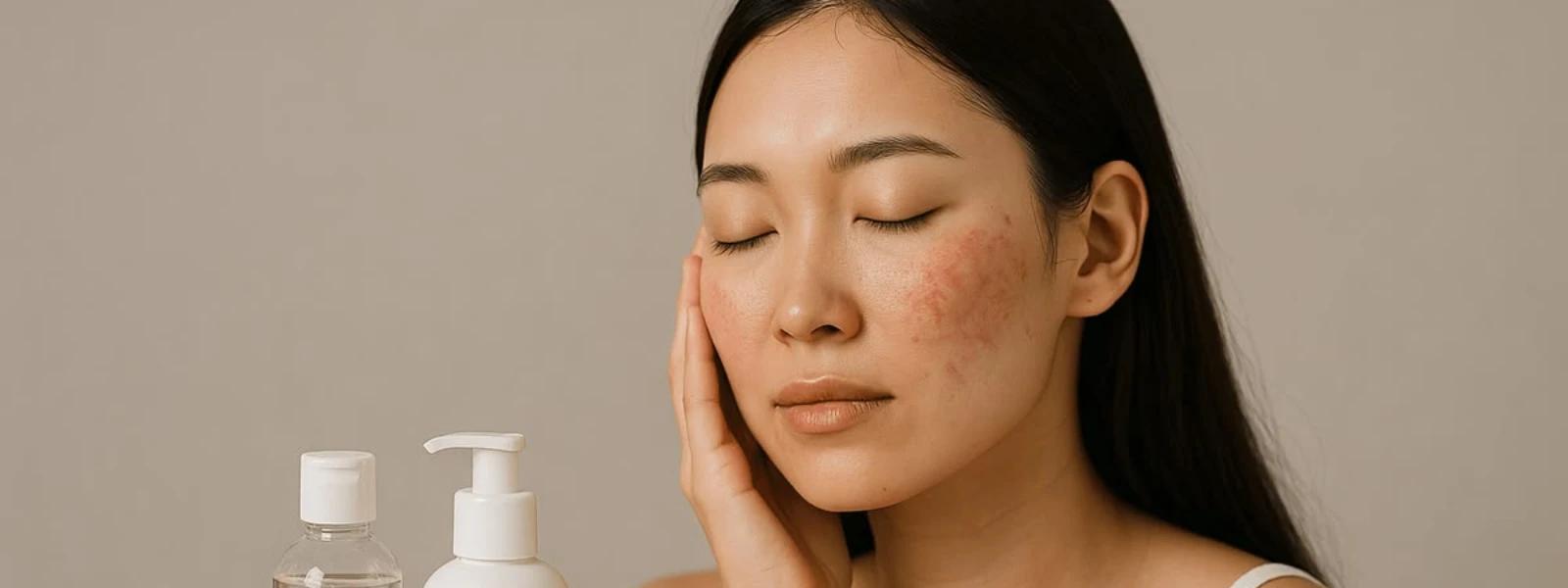

You've noticed dark patches on your face, but you're not quite sure what's causing them. Is it from constantly adjusting your glasses? Could it be linked to your recent hormonal changes? The truth is, facial pigmentation causes can be surprisingly varied, and understanding whether you're dealing with friction-induced darkening or hormonal issues makes all the difference in finding the right treatment. Let's clear up the confusion and help you identify exactly what's happening with your skin.
When dark spots appear on your face, your skin is essentially telling you a story about what's been happening beneath the surface. Skin discoloration causes generally fall into two main categories: external physical factors and internal hormonal influences. Both trigger your skin's melanin production, but they do so through completely different pathways.
Melanin, the pigment responsible for your skin colour, gets produced when your skin perceives a threat or stimulus. Sometimes that stimulus is physical friction repeatedly rubbing against the same area. Other times, it's hormonal fluctuations sending signals throughout your body that affect how your skin behaves.
Your face encounters countless potential triggers daily. From the glasses you wear to the hormonal shifts during your cycle, each interaction with your skin can potentially lead to pigmentation changes. Research shows that facial pigmentation affects nearly 90% of people at some point in their lives, with women being disproportionately affected due to hormonal factors.
The key difference lies in the trigger mechanism. Friction hyperpigmentation develops from repeated physical contact that causes micro-inflammation in your skin. Meanwhile, hormonal pigmentation stems from internal chemical changes that affect melanin production throughout your body, often appearing in characteristic patterns.
Misidentifying the type of pigmentation you're dealing with can lead to months of ineffective treatment and frustration. If you're treating hormonal pigmentation with friction-focused solutions, you might see minimal improvement because you're not addressing the root cause.
Understanding the difference between friction-induced facial pigmentation and hormonal issues helps you choose targeted treatments that actually work. It's the difference between applying a topical treatment to an area that needs internal hormone regulation, or vice versa.
Think about the areas where your face experiences regular contact throughout the day. The bridge of your nose where your glasses sit, the jawline where your face mask rubs, or even spots where you habitually touch your face. These are prime locations for friction hyperpigmentation to develop.
This type of pigmentation occurs when repeated mechanical trauma causes inflammation in your skin. Your body responds to this ongoing irritation by producing excess melanin as a protective mechanism, similar to how a callus forms on your hands from repeated friction.
The process begins with micro-trauma to your skin cells. Each time something rubs against your face—whether it's glasses, a phone, or even aggressive skincare application—it creates tiny inflammatory responses. Over time, these repeated inflammatory episodes trigger your melanocytes (pigment-producing cells) to go into overdrive.
Common sources include face masks (especially during extended wear), glasses frames, phone contact, harsh towel drying, aggressive exfoliation, and even sleeping positions that create pressure against pillows. The resulting post-inflammatory hyperpigmentation can persist long after the initial friction source is removed.
Friction-induced pigmentation has distinct characteristics that help differentiate it from other types. The darkening typically appears in irregular patterns that directly correspond to areas of repeated contact. You might notice darkening along your nose bridge, jawline, or behind your ears where glasses rest.
The texture often feels slightly different too—areas affected by friction may feel rougher or have a subtle raised quality compared to surrounding skin. The pigmentation usually develops gradually over weeks or months of repeated contact, rather than appearing suddenly.
Hormonal pigmentation tells a different story entirely. Instead of responding to external friction, your skin reacts to internal chemical changes that affect melanin production throughout your body. This type of pigmentation often appears in symmetrical patterns and can fluctuate with your hormonal cycles.
Hormonal imbalance skin effects extend beyond just pigmentation—you might also notice changes in acne patterns, skin texture, and oil production. These changes often coincide with life events like pregnancy, starting or stopping birth control, or significant hormonal shifts.
Absolutely. Hormonal fluctuations, particularly involving estrogen and progesterone, directly influence melanin production. During pregnancy, for instance, up to 90% of women experience some form of pigmentation changes, commonly known as the "pregnancy mask" or melasma.
Birth control pills, hormone replacement therapy, and natural hormonal cycles can all trigger pigmentation changes. The mechanism involves hormones stimulating melanocyte activity, leading to increased pigment production in specific facial areas that are particularly sensitive to hormonal influences.
Melasma represents the most common form of hormonal pigmentation, characterised by symmetrical brown or grey patches typically appearing on the cheeks, forehead, nose bridge, and upper lip. Unlike friction-induced pigmentation, melasma often appears in a distinctive butterfly pattern across the face.
The condition predominantly affects women, particularly those with darker skin tones, and often develops during pregnancy or while taking hormonal contraceptives. Sun exposure significantly worsens melasma, making it a complex interplay between hormonal sensitivity and environmental factors.
Understanding the difference between friction-induced facial pigmentation and hormonal issues requires looking at several key factors: location, pattern, timing, and associated symptoms. These differences guide both diagnosis and treatment approaches.
Friction pigmentation typically appears at contact points and follows the exact pattern of whatever's causing the friction. Hormonal pigmentation, conversely, appears in characteristic locations regardless of external contact, often showing bilateral symmetry.
Location patterns provide the clearest distinction. Friction pigmentation appears where contact occurs—nose bridge from glasses, jawline from masks, or specific areas from phone contact. Hormonal pigmentation favours the central face, particularly the cheeks, forehead, and upper lip area.
Timing also differs significantly. Friction pigmentation develops gradually after establishing a pattern of repeated contact. Hormonal pigmentation often appears during specific life phases—pregnancy, starting contraceptives, or during significant hormonal transitions.
Dermatologists use several assessment techniques to distinguish between friction and hormonal pigmentation. Wood's lamp examination can reveal the depth and extent of pigmentation, while detailed medical history helps identify potential hormonal triggers or friction sources.
Your doctor might also recommend hormonal testing if they suspect internal factors, particularly if you're experiencing other symptoms like irregular periods, unexpected acne patterns, or mood changes alongside the pigmentation.
Successful pigmentation treatment depends entirely on addressing the root cause. Friction-induced pigmentation requires eliminating the source of irritation while promoting skin healing. Hormonal pigmentation needs a more comprehensive approach that may include internal hormone regulation alongside topical treatments.
The good news is that both types of pigmentation can improve significantly with proper treatment, though the timeline and approach differ considerably. Understanding your specific type helps set realistic expectations and choose the most effective treatment path.
The first step involves identifying and eliminating the friction source. This might mean adjusting glasses fit, changing face mask styles, modifying skincare application techniques, or addressing habits like phone contact with your face.
Topical treatments focus on accelerating skin turnover and reducing inflammation. Vitamin C serums, niacinamide, and gentle AHAs can help fade existing pigmentation while preventing new formation. Professional treatments like chemical peels or laser therapy may be necessary for deeper pigmentation.
Managing hormonal pigmentation often requires addressing the underlying hormonal imbalance alongside topical treatments. This might involve working with your healthcare provider to adjust contraceptives, manage pregnancy-related changes, or address other hormonal factors.
Melasma treatment typically involves combination therapy—topical lightening agents, sun protection, and sometimes professional procedures. The key is consistency and patience, as hormonal pigmentation often takes longer to improve and may require ongoing maintenance.
Some treatments benefit both friction and hormonal pigmentation. Gentle exfoliation with AHAs or BHAs helps accelerate skin turnover regardless of the pigmentation cause. Antioxidant serums containing vitamin C or niacinamide provide protection and gradual lightening effects.
Sun protection remains crucial for both types, as UV exposure can worsen existing pigmentation and slow healing. A broad-spectrum SPF 30 or higher should be non-negotiable in any pigmentation treatment routine.
Prevention strategies differ significantly between friction and hormonal pigmentation. For friction-related issues, focus on eliminating or reducing contact sources. For hormonal pigmentation, emphasis shifts to managing internal factors and protecting against triggers like sun exposure.
Long-term success often requires ongoing vigilance and maintenance, particularly for hormonal pigmentation which can recur with hormonal changes. Building sustainable routines that address your specific triggers helps prevent recurrence.
Simple adjustments can prevent most friction-induced pigmentation. Ensure glasses fit properly, choose softer face mask materials, apply skincare products gently, and be mindful of phone contact with your face. When friction is unavoidable, protective barriers like silicone pads can help.
Regular assessment of your daily habits helps identify new potential friction sources before they cause pigmentation. Pay attention to any areas that feel irritated or look slightly darker than usual.
Lifestyle factors significantly impact hormonal balance and subsequent skin effects. Regular exercise, stress management, adequate sleep, and a balanced diet all contribute to more stable hormone levels. While you can't always control hormonal fluctuations, you can support your body's natural balance.
During known hormonal transition periods—pregnancy, starting contraceptives, menopause—extra attention to sun protection and gentle skincare becomes crucial for preventing pigmentation development.
Look at the location and pattern. Friction pigmentation appears exactly where contact occurs—nose bridge, jawline, or specific pressure points. Hormonal pigmentation typically shows up symmetrically on cheeks, forehead, and upper lip area, often in a butterfly pattern. Consider timing too: did it appear after starting new glasses or during hormonal changes like pregnancy?
Yes, friction-induced pigmentation can fade naturally once you eliminate the source of irritation. However, this process typically takes several months and may be incomplete without targeted treatment. Using gentle exfoliants and vitamin C can significantly speed up the fading process.
Absolutely. Hormonal imbalances often cause both acne and pigmentation simultaneously. The acne typically appears along the jawline and chin, while pigmentation may develop in the central face area. Both conditions stem from the same hormonal fluctuations affecting your skin in different ways.
Melasma requires combination therapy including topical lightening agents, strict sun protection, and often professional treatments. PIH (post-inflammatory hyperpigmentation) responds well to vitamin C, retinoids, and gentle exfoliation. The key difference is that melasma needs ongoing hormonal consideration, while PIH focuses on healing inflammation.
Friction-induced pigmentation typically shows improvement within 6-12 weeks of eliminating the source and starting treatment. Hormonal pigmentation, particularly melasma, often requires 3-6 months of consistent treatment and may need ongoing maintenance. Patience is crucial as rushing the process can worsen pigmentation.
Darker skin tones are more susceptible to developing pigmentation from friction due to higher melanin activity. However, any skin type can develop friction-induced darkening. Those with sensitive skin or existing inflammatory conditions may also be more prone to developing pigmentation from minimal friction.
Yes, but the approach needs to be comprehensive. Address friction sources while using treatments that work for both types—gentle exfoliation, vitamin C, and sun protection. However, hormonal pigmentation may also require internal management through healthcare providers for optimal results.
Facial redness often precedes pigmentation development. Friction causes immediate redness and inflammation that can lead to darkening. Hormonal changes can cause increased sensitivity and redness, particularly during certain cycle phases. Both types of redness indicate inflammation that may result in pigmentation if not addressed.
Understanding the difference between friction-induced facial pigmentation and hormonal issues empowers you to choose the right treatment approach from the start. Whether you're dealing with marks from your daily glasses wear or pigmentation linked to hormonal changes, targeted treatment makes all the difference in achieving clearer, more even skin.
Remember that pigmentation treatment requires patience and consistency. While friction-induced darkening may resolve more quickly once you eliminate the source, hormonal pigmentation often needs ongoing management and professional guidance. The key is identifying your specific triggers and addressing them comprehensively.
For those exploring effective beauty pigmentation solutions, platforms like Smytten offer access to premium skincare brands with proven ingredients like vitamin C, niacinamide, and gentle exfoliants. With over 28 million users discovering products through trial sizes, you can find the right pigmentation treatment for your specific needs without committing to full-sized products immediately. The platform's curated selection includes dermatologist-recommended brands that address both friction and hormonal pigmentation concerns, helping you build an effective routine based on your skin's unique requirements.
