Essential Checklist for Choosing Your Pigmentation Correction Serum


Asaya Head to Toe Anti-Pigmentation Set | Brightens & Evens Skin Tone from Head to Toe | Targets Dark Spots | Nourishing & Brightening Routine
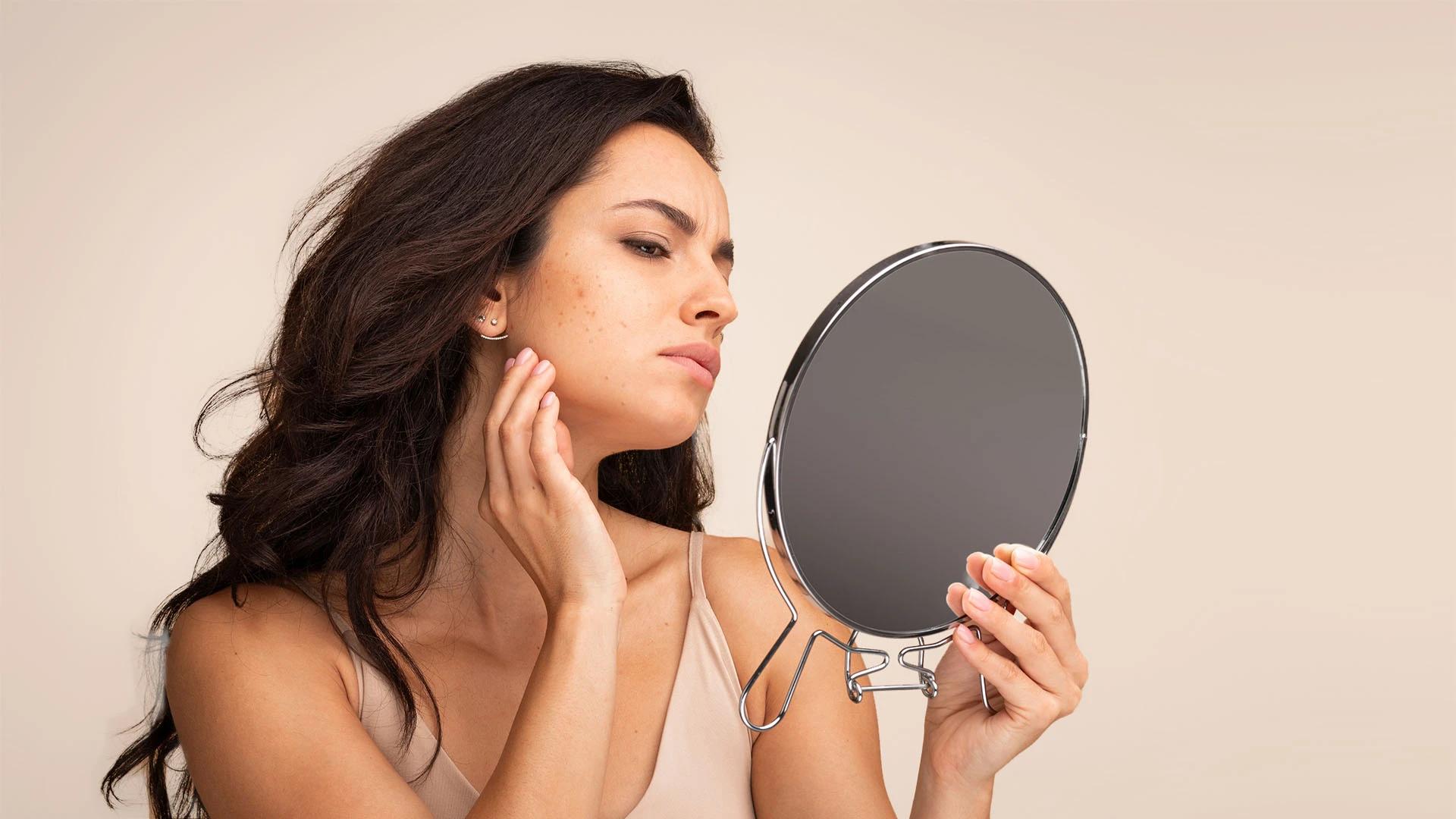
That moment when you catch your reflection and notice those stubborn dark spots that seem to have appeared overnight. Whether it's post-acne marks from last summer's breakouts, melasma that's been your unwelcome companion, or age spots that crept up without warning, finding the right pigmentation correction serum feels like searching for a needle in a haystack. With countless options promising miraculous results, how do you separate the genuinely effective formulations from the marketing hype? The key lies in understanding exactly what to look for before you order.
Before diving into ingredient lists and product reviews, you need to identify what type of hyperpigmentation you're dealing with. Not all dark spots are created equal, and different types respond better to specific treatments. This understanding will guide your entire selection process and help you choose a pigmentation serum that actually addresses your concerns.
Melasma appears as symmetrical patches, often triggered by hormonal changes during pregnancy or from birth control. These deeper, more stubborn patches typically require stronger actives like tranexamic acid or kojic acid for effective treatment.
Post-inflammatory hyperpigmentation (PIH) develops after acne, cuts, or any skin trauma. These spots are usually easier to treat and respond well to vitamin C serums and alpha arbutin. If you're dealing with leftover marks from recent breakouts, this is likely your concern.
Age spots and sun damage result from years of UV exposure and appear as flat, brown spots on areas like your face, hands, and shoulders. These require consistent treatment with proven brightening ingredients and religious sun protection.
Take photos of your skin in natural light to track your progress accurately. Notice whether your spots are raised or flat, their colour intensity, and how they respond to current products. If you're unsure about the type of pigmentation you have, especially if spots are changing in size or colour, consult a dermatologist before starting any new treatment.
Always perform a patch test when trying a new dark spot corrector. Apply a small amount to your inner arm and wait 24-48 hours to check for any adverse reactions.
The ingredient list is where the magic happens. Effective skin brightening serums contain specific actives that have been clinically proven to inhibit melanin production and accelerate cell turnover. Understanding these ingredients helps you make informed decisions and avoid products that rely on marketing rather than science.
Alpha Arbutin at 2% concentration is one of the most effective and gentle brightening ingredients available. It works by inhibiting tyrosinase, the enzyme responsible for melanin production, without causing irritation that many people experience with hydroquinone.
Kojic Acid offers powerful brightening benefits and works particularly well for melasma and stubborn spots. Look for concentrations between 1-4%, and remember that this ingredient can increase sun sensitivity, making SPF absolutely essential.
Vitamin C in the form of L-Ascorbic Acid (10-20%) or stable derivatives like Magnesium Ascorbyl Phosphate provides antioxidant protection whilst brightening existing spots. Morning application works best, followed by SPF.
Tranexamic Acid has gained recognition for its effectiveness against melasma and hormonal pigmentation. At 2-5% concentration, it helps reduce inflammation that contributes to pigmentation formation.
Niacinamide at 5-10% offers gentle brightening whilst strengthening your skin barrier. It's particularly beneficial for those with sensitive skin or when starting a new pigmentation routine.

Asaya Even Tone Restore Set | 3-Step Brightening Routine for Hyperpigmentation | Serum, Moisturizer & Sunscreen | Daily Skincare Kit
Look for hyaluronic acid to maintain hydration, as many brightening actives can be drying. Peptides support skin barrier function and help minimise irritation from stronger actives. Natural extracts like liquorice root and bearberry provide additional gentle brightening support.
Steer clear of harsh chemicals like mercury or unlisted bleaching agents. Avoid products with high concentrations of acids if you have sensitive skin, and be cautious of formulations with multiple strong actives that might cause irritation.
Your skin type significantly influences how well a pigmentation serum will work for you. The same ingredient at the same concentration can produce different results depending on your skin's unique characteristics and needs.
If your skin tends to react to new products, start with gentler options like niacinamide or low-concentration alpha arbutin. Introduce new products gradually, using them every other day initially before building up to daily use.
Look for formulations that include soothing ingredients like allantoin or centella asiatica to minimise potential irritation. Avoid products with high concentrations of acids or multiple actives until your skin builds tolerance.
Choose lightweight, water-based formulations that won't clog pores. Niacinamide works particularly well for this skin type as it helps control oil production whilst addressing pigmentation from past breakouts.
Ensure any uneven skin tone serum you choose is non-comedogenic and oil-free. You can safely combine most pigmentation treatments with acne medications, but introduce them slowly to avoid over-drying your skin.
Look for skin discoloration serums that include hydrating ingredients like hyaluronic acid or glycerin. Your skin may tolerate higher concentrations of actives better, but you'll need to ensure adequate moisture to prevent irritation.
Consider serums that offer anti-aging benefits alongside brightening, such as those containing vitamin C and peptides. Layer your pigmentation treatment under a rich moisturiser to lock in hydration.
Understanding effective concentrations helps you identify products that will actually deliver results rather than just pretty packaging. Clinical studies provide the roadmap for what works and what doesn't in pigmentation treatment.
Alpha Arbutin shows optimal results at 1-2% concentration. Higher percentages don't necessarily mean better results and may increase irritation risk without additional benefits.
Kojic Acid works effectively at 1-4%, with most people seeing results at 2%. Start lower if you have sensitive skin and gradually increase as your skin adapts.

Asaya Ceramide Moisturizer for Pigmentation | Reduces Hyperpigmentation & Fades Spots | Targets Blemishes & Uneven Tone | For All Skin Types | 50g
Vitamin C as L-Ascorbic Acid shows benefits from 10-20%, whilst stable derivatives like Sodium Ascorbyl Phosphate work well at 5-10%. Choose based on your skin's tolerance and the product's overall formulation.
Realistic expectations are crucial for success. Most people see initial improvements in 4-6 weeks, with significant results appearing after 8-12 weeks of consistent use. Take progress photos monthly to track subtle changes that you might not notice day-to-day.
If you don't see any improvement after 12 weeks of consistent use, it may be time to reassess your product choice or consult a dermatologist for alternative treatments.
Even the most effective pigmentation correction serum won't work if you're not using it correctly. Proper application technique and timing can significantly impact your results and help you avoid common mistakes that slow progress.
Most brightening skincare products work best when applied to clean, dry skin. Use gentle patting motions rather than rubbing, and always apply SPF 30 or higher during the day, regardless of whether you're using the serum morning or evening.
Layer your pigmentation serum after cleansing and toning but before heavier creams or oils. Wait 10-15 minutes between application and your next skincare step to allow proper absorption.
You can safely combine most pigmentation ingredients, but introduce them gradually. Vitamin C pairs well with niacinamide, whilst alpha arbutin works beautifully with hyaluronic acid.
Avoid combining multiple acids or strong actives initially. If you're using retinol or AHAs, alternate nights or use pigmentation treatments in the morning and other actives at night.
Beyond ingredients and concentrations, several practical factors determine whether a pigmentation serum will work for your lifestyle and deliver value for money. These considerations help you make a purchase you'll actually be happy with long-term.
Look for products that list exact concentrations of active ingredients rather than hiding behind proprietary blends. Third-party testing and dermatologist recommendations add credibility to product claims.
Packaging matters more than you might think. Vitamin C serums need dark, airtight containers to maintain potency, whilst pump dispensers help maintain product integrity better than dropper bottles for most formulations.
Calculate the cost per millilitre and compare it against the concentration of active ingredients. A ₹2,000 serum with 2% alpha arbutin might offer better value than a ₹1,000 product with 0.5% concentration.

Asaya Face Wash for Dark Spots & Marks | Alpha Arbutin + Kojic Acid | Evens Skin Tone | Non-Stripping Gentle Formula | For All Skin Types | 100ml
Consider the recommended usage amount and frequency. A product that requires twice-daily application will run out faster than one used once daily, affecting the overall cost per month of treatment.
Active ingredients like vitamin C can degrade during shipping, especially in hot climates. Choose retailers who store products properly and offer temperature-controlled shipping when possible.
Check the manufacturing date and shelf life, particularly for products containing unstable ingredients. Most pigmentation serums last 6-12 months after opening when stored correctly.
Alpha Arbutin 2% combined with Kojic Acid 1% shows the highest efficacy for most pigmentation types, with visible results in 6-8 weeks of consistent use. This combination works well for various skin types and concerns.
Complete pigmentation removal in 7 days isn't realistic or safe. Effective treatment requires 6-12 weeks minimum, with professional treatments offering faster but gradual results. Expecting overnight changes often leads to disappointment and potentially harmful product choices.
Limit high-glycemic foods, excessive dairy, and inflammatory foods. Focus on antioxidant-rich foods like berries, leafy greens, and vitamin C sources to support skin healing from within.
Citrus fruits (vitamin C), berries (antioxidants), and papaya (natural enzymes) support skin brightening when consumed regularly as part of a balanced diet. However, topical treatments remain more effective than dietary changes alone.
You can layer compatible ingredients, but start with one product and add others gradually. Combining niacinamide with alpha arbutin works well, whilst mixing multiple acids might cause irritation.
Vitamin C, niacinamide, and alpha arbutin are generally considered safe during pregnancy, but avoid kojic acid and always consult your healthcare provider before starting new skincare treatments.
Choosing the right pigmentation correction serum doesn't have to feel overwhelming when you know what to look for. Focus on proven ingredients at effective concentrations, consider your skin type and concerns, and remember that consistency trumps perfection every time. The best serum is one you'll actually use daily for the 8-12 weeks needed to see real results.
Platforms like Smytten make this journey easier by offering sample sizes of premium dark spot correctors and skin brightening serums, allowing you to test products before committing to full sizes. With over 28 million users discovering their perfect skincare matches through curated selections and cashback offers, you can explore various formulations without the financial risk of buying products that might not work for your skin.
Remember, your skin's journey is unique, and what works for others might not work for you. Trust the process, track your progress, and don't be afraid to adjust your approach as you learn what your skin responds to best. The right pigmentation serum is out there waiting for you to discover it.
