Essential Acne Care Tips for Beginners: Your Complete Guide


Asaya Anti-Acne Set | Targets Acne, Breakouts & Clogged Pores | Lightweight, Non-Greasy Routine | Ideal for Oily & Acne-Prone Skin
That first breakout can feel overwhelming, especially when you're scrolling through endless skincare advice online. One day you're dealing with clear skin, the next you're staring at stubborn spots wondering where to even begin. If you're new to acne care, you're not alone—millions of people navigate this journey every year, and the good news is that effective acne treatment doesn't have to be complicated. With the right knowledge and a gentle approach, you can build a routine that actually works for your skin.
Before diving into products and routines, it's worth understanding what's actually happening beneath your skin. Acne isn't just about being "dirty" or eating too much chocolate—it's a complex skin condition with several contributing factors that work together to create those frustrating breakouts.
Think of acne formation like a perfect storm where four key factors come together:
Excessive sebum production: Your oil glands work overtime, often triggered by hormones, genetics, or environmental factors
Hyperkeratinisation of follicles: Dead skin cells stick together instead of shedding naturally, creating plugs in your pores
P. acnes bacteria proliferation: These bacteria thrive in the oxygen-free environment of clogged pores, multiplying rapidly
Inflammation response: Your immune system responds to the bacteria, causing redness, swelling, and those tender bumps
Not all spots are created equal, and recognising different types of acne helps you choose the right treatment approach. Blackheads and whiteheads are non-inflammatory—they're simply clogged pores with or without exposure to air. Papules are small, red bumps without a white head, whilst pustules are the classic "pimples" with white or yellow centres. Cystic acne involves deeper, painful lumps under the skin that often require professional treatment. If you're dealing with widespread cystic acne or scarring, it's worth consulting a dermatologist rather than trying to manage it alone.
Creating an effective skincare routine for acne doesn't mean buying every product on the shelf. In fact, starting simple is often the most successful approach, especially for skin care for beginners. Your skin needs time to adjust to new products, and overwhelming it with too many active ingredients can actually make breakouts worse.
Start with these three fundamental steps, morning and evening:
Gentle cleansing: Use a mild, non-stripping cleanser to remove dirt, oil, and makeup without over-drying your skin
Treatment application: Apply one targeted treatment product—start with just one active ingredient
Moisturising and sun protection: Hydrate your skin and protect it from UV damage, which can worsen acne and cause dark spots

Asaya Dark Spot Reduction Set | 3-Step Routine for Hyperpigmentation & Even Skin Tone | Cleanser, Serum & Moisturizer | Skin Care Routine Kit
Your skin type influences which products will work best for you. Oily skin can typically handle stronger treatments and gel-based products, whilst combination skin might need different approaches for different areas of your face. If you have sensitive skin, start with lower concentrations of active ingredients and always patch test new products on a small area first. Reading ingredient labels becomes second nature once you know what to look for—avoid products with harsh sulphates, excessive fragrances, or comedogenic oils if you're prone to breakouts.
The world of acne treatment ingredients can feel overwhelming, but focusing on a few proven actives will serve you well. Understanding what each ingredient does helps you make informed choices rather than buying products based on marketing claims alone.
Salicylic acid is often the best starting point for beginners—this BHA gently exfoliates inside your pores, helping to clear existing blockages and prevent new ones. Benzoyl peroxide kills acne bacteria effectively but can be drying, so start with lower concentrations (2.5%) and use it every other day initially. Retinoids are incredibly effective for acne prevention but require patience—they increase cell turnover, which means your skin might purge initially before improving. Niacinamide is gentler and helps reduce inflammation whilst regulating oil production, making it perfect for sensitive skin types.
When choosing a facial cleanser for acne, look for gentle formulas with salicylic acid or mild surfactants that won't strip your skin. CeraVe Foaming Facial Cleanser and Neutrogena Ultra Gentle Daily Cleanser are reliable options that many beginners find effective. For treatments, start with single-ingredient products like The Ordinary Niacinamide 10% + Zinc 1% or Paula's Choice 2% BHA Liquid Exfoliant. Always choose non-comedogenic moisturisers—Cetaphil Daily Facial Moisturiser and Olay Regenerist Micro-Sculpting Cream work well for most skin types. Don't skip broad-spectrum SPF; La Roche-Posay Anthelios and EltaMD UV Clear are excellent for acne-prone skin.
Knowing how to clear acne effectively requires patience and consistency rather than aggressive treatments. The key is building sustainable habits that support your skin's natural healing process whilst addressing the underlying causes of breakouts.
Your morning routine should focus on protection: gentle cleansing, a light treatment (if your skin tolerates it), moisturiser, and SPF. Your evening routine is when you can use stronger treatments: thorough cleansing to remove the day's buildup, your main treatment product, and a nourishing moisturiser. Introduce new products gradually—add one new product every 2-3 weeks so you can identify what works and what doesn't. This approach also helps prevent the dreaded "purging" period from becoming overwhelming.

Asaya Rapid Dark Spot Correction Set | Reduces Dark Spots & Post-Acne Marks | Cleanser, Gel, Moisturizer & Sunscreen Kit
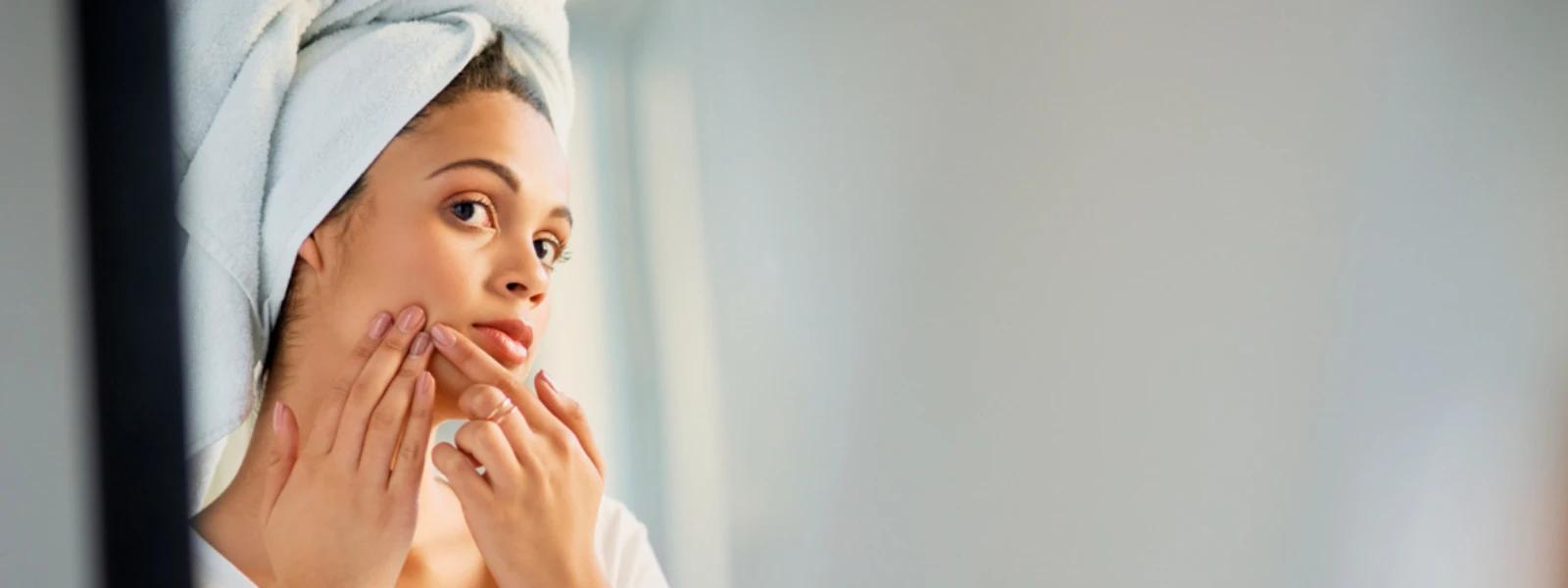
For blemish control, resist the urge to pick or squeeze spots—this often pushes bacteria deeper and can lead to scarring. If you must extract a whitehead, use clean hands and gentle pressure, then apply a spot treatment immediately. Hydrocolloid patches are brilliant for drawing out pus safely whilst protecting the area from further irritation. For emergency situations, a small amount of benzoyl peroxide or tea tree oil can help reduce inflammation overnight.
Acne prevention extends beyond topical treatments—your lifestyle choices significantly impact your skin's behaviour. While you can't control genetics or hormones entirely, you can influence many factors that contribute to breakouts.
Your diet doesn't directly cause acne, but certain foods may trigger breakouts in some people. High-glycemic foods (white bread, sugary snacks) and dairy products are common culprits worth monitoring. Keep a food diary if you suspect dietary triggers—elimination and reintroduction can help identify patterns. Sleep quality affects hormone regulation, so aim for 7-9 hours nightly. Stress management is crucial since cortisol can increase oil production. Regular exercise improves circulation and helps manage stress, but always cleanse immediately after sweating to prevent pore blockages.
Clay masks once or twice weekly can help absorb excess oil—bentonite and kaolin clays are particularly effective. Honey has antimicrobial properties; raw manuka honey makes an excellent gentle mask. Tea tree oil can be effective but must be diluted (5-10% concentration) to avoid irritation. For gentle exfoliation, try a oatmeal mask—blend oats with water to create a soothing scrub that removes dead skin cells without harsh abrasion.
Even with the best intentions, beginners often make mistakes that can worsen their acne. Understanding these pitfalls helps you avoid setbacks and maintain steady progress towards clearer skin.
The biggest mistake beginners make is thinking more products equal faster results. Over-cleansing strips your skin's natural barrier, triggering increased oil production and irritation. Washing your face more than twice daily or using harsh scrubs can actually worsen acne. Similarly, layering multiple active ingredients without understanding how they interact can cause chemical burns or severe dryness. Signs of over-treatment include increased redness, flaking, burning sensations, or new breakouts in areas that weren't previously affected.
Real improvement takes time—typically 6-8 weeks to see significant changes, and up to 3-4 months for full results. Many people give up after just a few weeks, switching to new products before giving their current routine a fair chance. Understanding the difference between purging (temporary worsening as your skin adjusts to active ingredients) and genuine product reactions helps you stay consistent. Purging typically occurs in areas where you usually break out and resolves within 4-6 weeks.
 15 G
15 GAsaya Advanced Spot Targeting Gel | Fast-Acting Discolouration Care | Targets Stubborn Marks | Spicules + Biomimetic Peptides + Arbutin | 15g
Most people see initial improvements within 6-8 weeks of starting a consistent routine, but complete clearing can take 3-6 months. Severe or cystic acne may require professional treatment and can take longer to resolve. Patience and consistency are more important than switching products frequently.
While diet doesn't directly cause acne, some people find that high-glycemic foods (white bread, sugary snacks), dairy products, and foods high in iodine (seaweed, shellfish) can trigger breakouts. Keep a food diary to identify your personal triggers rather than eliminating entire food groups unnecessarily.
Twice daily is sufficient for most people—once in the morning and once before bed. Over-washing can strip your skin's natural oils, leading to increased oil production and irritation. If you exercise or sweat heavily, rinse with plain water and cleanse properly later.
Yes, but choose non-comedogenic, oil-free formulas. Look for makeup labelled as suitable for acne-prone skin. Always remove makeup thoroughly before bed and consider giving your skin makeup-free days when possible to let it breathe.
Consult a dermatologist if you have cystic acne, scarring, or if over-the-counter treatments haven't improved your skin after 3 months of consistent use. They can prescribe stronger treatments like prescription retinoids or antibiotics that aren't available over the counter.
Starting your acne care journey doesn't have to be overwhelming. The most effective approach is often the simplest—gentle cleansing, one proven treatment ingredient, proper moisturising, and sun protection. Remember that your skin is unique, and what works for others might not work for you immediately. The key is patience, consistency, and gradual adjustments based on how your skin responds.
If you're looking to explore different products without committing to full sizes, platforms like Smytten offer an excellent way to try samples from various brands before making larger purchases. With access to curated selections from trusted brands and the ability to test products risk-free, you can build your ideal routine without the guesswork. Your skin deserves thoughtful care, and taking the time to find what truly works will pay off in the long run.
