Effective Hyperpigmentation Creams vs. Home Remedies: Which Fades Dark Spots Faster?


Asaya Dark Spot Reduction Set | 3-Step Routine for Hyperpigmentation & Even Skin Tone | Cleanser, Serum & Moisturizer | Skin Care Routine Kit
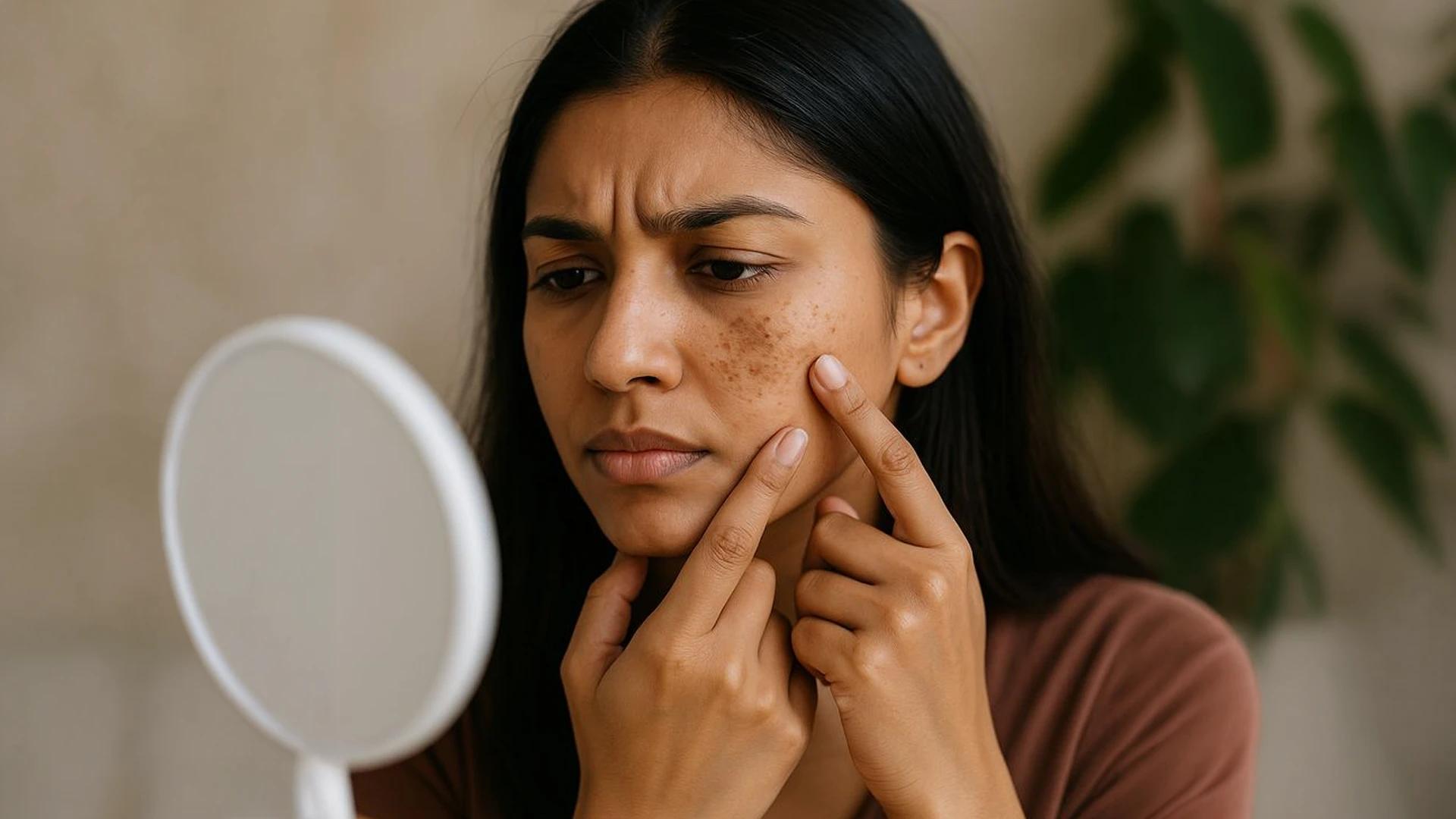
You've tried everything from lemon juice to expensive serums, but those stubborn dark spots from last summer's breakouts are still staring back at you in the mirror. Whether it's post-acne marks, melasma patches, or sun damage that's been building up over the years, dealing with hyperpigmentation can feel like an endless cycle of trial and error. The real question isn't just what works, but what works fastest—and whether those DIY remedies your mum swears by can actually compete with dermatologist-recommended creams.
Hyperpigmentation happens when your skin produces too much melanin in certain areas, creating those frustrating patches that seem to have a mind of their own. It's not just one condition—there are actually several types, each with different triggers and timelines.
Post-inflammatory hyperpigmentation (PIH) is probably what you're dealing with if you've had acne, eczema, or any skin injury. These dark marks can linger for months after the original spot has healed. Melasma tends to show up as symmetrical patches on your cheeks, forehead, or upper lip, often triggered by hormonal changes during pregnancy or from birth control. Then there are age spots and sun damage—those brown patches that develop over years of UV exposure.
If you have medium to darker skin tones, you're more likely to develop hyperpigmentation because your skin naturally produces more melanin. This means even minor inflammation from a small spot can leave behind a dark mark that takes ages to fade. The good news? Understanding your skin type helps you choose the right hyperpigmentation treatment approach.
Professional effective hyperpigmentation creams work by targeting the melanin production process at different stages. Unlike home remedies that might provide surface-level benefits, these formulations are designed to penetrate deeper layers of skin where pigmentation actually forms.
Hydroquinone remains the gold standard for pigmentation removal. It works by inhibiting tyrosinase, the enzyme responsible for melanin production. Most dermatologists recommend 2-4% concentrations, which can show visible results within 4-6 weeks when used consistently.
Kojic acid is a natural alternative that's gentler than hydroquinone but still effective at blocking melanin production. Niacinamide works differently—it prevents melanin from transferring to the surface of your skin, making it particularly effective for Indian skin tones. You'll typically see results within 4-8 weeks.
Vitamin C and retinoids work as supporting players, with vitamin C providing antioxidant protection whilst retinoids speed up cell turnover to help fade existing dark spots faster. The key difference between professional formulations and DIY approaches is concentration and stability—these ingredients need to be formulated properly to actually penetrate your skin.

Asaya Rapid Dark Spot Correction Set | Reduces Dark Spots & Post-Acne Marks | Cleanser, Gel, Moisturizer & Sunscreen Kit
When dermatologists recommend skin brightening cream options, they're looking at both efficacy and safety profiles. Prescription-strength treatments typically contain higher concentrations of active ingredients, which means faster results but also higher risk of irritation.
Triple combination creams containing hydroquinone, tretinoin, and a mild corticosteroid are considered the most effective dark spot corrector treatments available. These can show significant improvement within 6-8 weeks, but they require careful monitoring by a dermatologist.
For those preferring non-prescription options, look for formulations with 5-10% niacinamide, which is particularly effective for Indian skin. Kojic acid combined with glycolic acid can also provide good results, typically within 8-12 weeks of consistent use.
The best hyperpigmentation cream for you depends on your skin type, the severity of pigmentation, and your tolerance for active ingredients. What matters most is consistency—even the most effective cream won't work if you only use it occasionally.
Let's be honest about home remedies—they're appealing because they're accessible and feel natural, but the science behind them is often limited. Lemon juice contains citric acid, which can provide mild exfoliation, but it's also highly photosensitising and can actually make pigmentation worse if you go in the sun.
Turmeric does have anti-inflammatory properties, and some studies suggest it may help with skin discoloration, but the concentrations in homemade masks are typically too low to create significant change. Aloe vera is soothing and may help with healing, but it's not going to fade established dark spots.
Home remedies for hyperpigmentation treatment typically take 3-6 months to show any visible results, and even then, the improvement is usually minimal compared to professional treatments. The biggest risk isn't that they don't work—it's that some can actually make pigmentation worse or cause irritation.
Licorice root extract and green tea do have some scientific backing, but again, the concentrations you'll get from DIY preparations are nowhere near what you'd find in properly formulated skincare products.
Here's where the difference becomes crystal clear. Professional effective hyperpigmentation creams typically show initial lightening within 2-4 weeks, with noticeable improvement by 6-8 weeks. By 12 weeks, most people see significant fading of their dark spots.
 30 ml X 2
Asaya Dark Spot Serum For Pigmentation | With Niacinamide & Alpha Arbutin | Fades Melasma & Acne Marks | For Oily & Dry Skin | Pack of 2 | 30ml
Home remedies, on the other hand, follow a much slower timeline. You might see minimal visible change in the first 1-2 months, gradual lightening around months 3-4, and moderate improvement only after 6 months of consistent use—if you're lucky.
The depth and age of your pigmentation matter enormously. Fresh post-inflammatory hyperpigmentation from recent breakouts will fade faster than melasma that's been developing for years. Your skin type also plays a role—sensitive skin may need gentler formulations, which can slow down results.
Consistency is absolutely crucial. Using a dark spot corrector every other day won't give you the same results as daily application. And here's something many people miss—sun protection is non-negotiable. Without proper SPF, even the most effective treatments can't keep up with new pigmentation forming.
Professional beauty cream formulations can cause initial irritation, dryness, and increased photosensitivity. This is normal and usually subsides as your skin adjusts, but it's why patch testing is so important. Hydroquinone, whilst effective, can cause ochronosis (blue-black discolouration) if used improperly or for too long.
Home remedies aren't automatically safer just because they're natural. Citrus-based treatments can cause severe photosensitivity, leading to burns and paradoxically, more pigmentation. Essential oils can trigger allergic reactions, and the inconsistent pH levels in homemade preparations can disrupt your skin barrier.
If your hyperpigmentation is extensive, getting darker, or not responding to over-the-counter treatments after 12 weeks, it's time to see a professional. Dermatologists can prescribe stronger formulations and rule out any underlying conditions that might be causing your uneven skin tone.
Hydroquinone-based creams are considered the gold standard, treating most cases within 12 weeks. For stubborn dark spots resistant to other treatments, dermatologist-prescribed hydroquinone formulations show the fastest results. However, niacinamide-based creams are excellent alternatives, particularly for sensitive skin or long-term use.
 30 ml
30 mlAsaya Dark Spot Serum For Pigmentation | With Niacinamide, Alpha Arbutin & MelaMe Complex | Fades Melasma & Acne Marks | For Oily & Dry Skin | 30ml
Prescription-strength combinations containing hydroquinone (2-4%), tretinoin, and mild corticosteroids provide the most effective treatment, with visible results in 4-6 weeks. These triple combination creams address pigmentation from multiple angles simultaneously.
Professional treatments like chemical peels combined with prescription topical creams offer the fastest results, typically showing improvement within 2-4 weeks. However, there's no true 'cure'—maintenance is always required to prevent new pigmentation from forming.
Niacinamide (5-10% concentration) is highly effective for Indian skin, blocking melanin transfer and reducing post-inflammatory marks with visible results in 4-8 weeks. Traditional ingredients like turmeric and kojic acid are also popular, though professional formulations work faster than home preparations.
Home remedies can lighten pigmentation over time, but they rarely provide permanent removal and work much slower than professional treatments. Most natural ingredients lack the concentration needed for significant pigmentation removal.
Most effective creams show initial results in 2-4 weeks, with significant improvement by 8-12 weeks of consistent use. The timeline depends on the active ingredients, concentration, and individual skin response.
The evidence is clear: professional effective hyperpigmentation creams work 2-3 times faster than home remedies and provide more predictable results. Whilst home remedies aren't necessarily harmful, they're simply not efficient if you want to see real change in a reasonable timeframe.
That said, the best approach often combines both worlds—using proven active ingredients as your primary treatment whilst incorporating gentle, supportive home care practices. If you're dealing with mild pigmentation and have plenty of patience, home remedies might be worth trying. But for anything more significant, investing in properly formulated products will save you time and frustration.
Remember, consistency trumps everything. Whether you choose professional treatments or natural approaches, the key is sticking with your routine and protecting your skin from further damage. Your skin will notice the difference, and with platforms like Smytten Shop, you can explore curated hyperpigmentation treatment options from trusted brands without committing to full-sized products until you've found what works for your unique skin needs.
