Dark Spots Removal FAQ: Your Questions Answered
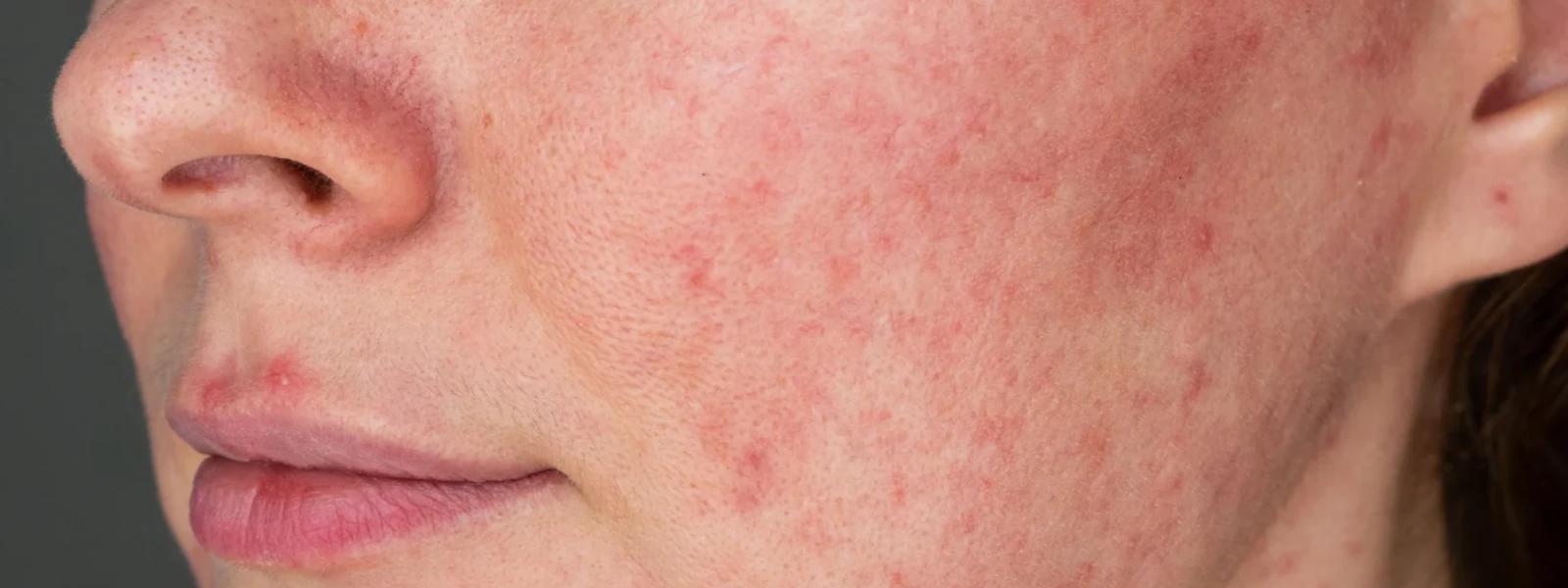

You've noticed those stubborn dark patches on your cheeks that seem to multiply after every summer holiday. Or perhaps it's the lingering marks from last year's breakouts that refuse to budge despite your best efforts. Dark spots removal is one of the most searched skincare concerns, and for good reason—hyperpigmentation affects nearly everyone at some point. Whether you're dealing with sun damage, hormonal changes, or post-acne marks, understanding what actually works (and what doesn't) can save you time, money, and frustration on your journey to clearer, more even-toned skin.
Dark spots, medically known as hyperpigmentation, occur when your skin produces excess melanin in specific areas. Think of melanin as your skin's natural defence mechanism—it's what gives your skin its colour and protects against UV damage. However, when this system goes into overdrive or becomes uneven, you end up with those frustrating patches that seem impossible to shift.
Not all dark spots are created equal, and understanding which type you're dealing with is crucial for effective treatment:
Age spots or sun spots appear as flat, brown patches typically on areas that see the most sun exposure—your face, hands, shoulders, and arms. These develop gradually over years of UV exposure and are most common in people over 40.
Melasma presents as symmetrical brown patches, often called the "pregnancy mask" because hormonal fluctuations trigger it. You'll typically see it on the forehead, cheeks, and upper lip in a butterfly-like pattern.
Post-inflammatory hyperpigmentation (PIH) develops after skin trauma—think acne, cuts, or even aggressive skincare treatments. These spots can range from pink to deep brown, depending on your skin tone.
Understanding what triggers pigmentation helps you prevent future spots whilst treating existing ones. UV exposure remains the primary culprit—even brief, unprotected sun exposure can trigger melanin production that leads to dark spots months later.
Hormonal changes during pregnancy, menopause, or from birth control can trigger melasma. Inflammation from acne, eczema, or even over-exfoliation can leave lasting marks. Some people are simply more genetically predisposed to developing uneven skin tone, particularly those with darker skin tones who naturally produce more melanin.
The skincare world is full of promises about overnight transformations, but dark spots removal requires patience and the right active ingredients. The most effective treatments work by either inhibiting melanin production, accelerating cell turnover, or both.
Niacinamide has become a skincare favourite for good reason—this form of vitamin B3 not only helps fade dark spots but also strengthens your skin barrier and reduces inflammation. Look for concentrations between 5-10% for optimal results without irritation.
Vitamin C works as both a preventative and treatment ingredient. As an antioxidant, it protects against future damage whilst helping to brighten existing spots. L-ascorbic acid is the most potent form, though magnesium ascorbyl phosphate is gentler for sensitive skin.
Retinoids accelerate cell turnover, helping to shed pigmented cells more quickly whilst preventing new spots from forming. Start with retinyl palmitate or granactive retinoid if you're new to this ingredient family.
Alpha hydroxy acids (AHAs) like glycolic and lactic acid gently exfoliate the surface layer of skin, revealing brighter skin underneath. They're particularly effective for surface-level pigmentation.
If you prefer gentler, plant-based options, several natural ingredients have proven skin brightening properties. Kojic acid, derived from fungi, inhibits tyrosinase—the enzyme responsible for melanin production.
Arbutin, found in bearberry plants, works similarly to hydroquinone but with less potential for irritation. Licorice root extract contains glabridin, which helps prevent UV-induced pigmentation whilst soothing inflammation.
This is perhaps the most important question, and the answer depends on several factors. The depth of pigmentation, your skin type, the cause of the spots, and your commitment to treatment and prevention all play crucial roles.
Epidermal pigmentation—spots that sit in the top layer of skin—respond well to topical treatments and can often be significantly lightened or even eliminated. Dermal pigmentation, which sits deeper in the skin, is more challenging and may require professional treatments.
Age spot removal tends to be more successful than melasma treatment, as hormonal pigmentation can be triggered repeatedly by the same factors that caused it initially. Sun spot removal is often permanent if you maintain strict sun protection, whilst PIH from acne typically fades completely with time and proper treatment.
Real talk: anyone promising to fade dark spots in days is selling you false hope. Skin cell turnover takes approximately 28 days, and pigmented cells often need multiple cycles to be completely shed.
You might notice initial brightening within 4-6 weeks of consistent treatment. Significant improvement typically occurs between 3-6 months, whilst stubborn spots may take 6-12 months to reach maximum improvement. This timeline varies based on spot depth, size, and your skin's natural renewal rate.
Home treatment can be highly effective for many types of dark spots, especially when you're consistent and patient. The key is choosing the right products and using them correctly.
A well-formulated dark spot corrector serum should contain at least one proven active ingredient at an effective concentration. Look for products that combine multiple approaches—for example, niacinamide for inflammation control, vitamin C for antioxidant protection, and gentle AHAs for exfoliation.
Targeted treatments work best when applied to clean skin before moisturiser. Some ingredients, like retinoids and AHAs, increase photosensitivity, so they're best used in your evening routine alongside diligent morning SPF application.
Whilst natural remedies work more slowly than clinical-strength actives, some have genuine skin brightening properties. Green tea contains polyphenols that can help prevent new pigmentation, whilst rice water has gentle exfoliating properties.
Turmeric contains curcumin, which has anti-inflammatory properties that may help with PIH. However, be cautious with DIY treatments—always patch test, and remember that "natural" doesn't automatically mean "safe" or "effective."
Sometimes home treatments aren't enough, particularly for deep, stubborn pigmentation or extensive sun damage. Professional treatments can provide more dramatic results, though they typically require multiple sessions and careful aftercare.
Chemical peels use higher concentrations of acids than home treatments, providing more dramatic exfoliation. Medium-depth peels can reach deeper pigmentation, whilst superficial peels offer gentler improvement with minimal downtime.
Laser treatments target pigment specifically, breaking it down so your body can naturally eliminate it. IPL (intense pulsed light) works well for sun damage, whilst Q-switched lasers can target deeper pigmentation. These treatments require careful consideration of your skin tone, as some lasers can actually worsen pigmentation in darker skin.
Consider professional consultation if your dark spots are changing in size, shape, or colour, as this could indicate something more serious than benign pigmentation. If home treatments haven't shown improvement after 6 months of consistent use, a dermatologist can assess whether you need stronger treatments or if you're dealing with deeper pigmentation.
Prevention truly is better than cure when it comes to hyperpigmentation. Once you've achieved your desired results, maintaining them requires ongoing commitment to protective habits.
SPF 30 or higher, applied daily regardless of weather, is non-negotiable for preventing new dark spots and protecting existing treatments. Reapply every two hours when outdoors, and don't forget often-missed areas like your hands, neck, and ears.
Physical barriers—wide-brimmed hats, UV-protective clothing, and seeking shade during peak hours—provide additional protection that no sunscreen can match completely.
A maintenance routine should include gentle daily exfoliation, antioxidant protection, and ingredients that support healthy cell turnover. Morning routines benefit from vitamin C and SPF, whilst evening routines can incorporate gentle retinoids or AHAs.
Consistency matters more than perfection—a simple routine you follow daily will outperform an elaborate one you use sporadically.
No legitimate natural treatment can completely remove established dark spots in just seven days. Skin cell turnover takes approximately 28 days, and pigmented cells often require multiple cycles to be eliminated. However, you might notice slight brightening from gentle exfoliation and hydration within a week. Focus on consistent, long-term treatment rather than quick fixes that often disappoint or potentially harm your skin.
Professional treatments like chemical peels and laser therapy typically provide the fastest results, with noticeable improvement often visible within 2-4 weeks. However, "fastest" doesn't mean "instant"—even professional treatments require time for your skin to heal and regenerate. At-home treatments with proven ingredients like niacinamide, vitamin C, and retinoids provide gradual but sustainable improvement over 3-6 months.
The best cream depends on your skin type, the type of dark spots, and your tolerance for active ingredients. Look for products containing proven ingredients like niacinamide (5-10%), vitamin C (10-20%), or gentle retinoids. Combination products that address multiple aspects of pigmentation reduction often work better than single-ingredient treatments. Always patch test new products and introduce them gradually to avoid irritation.
Most dark spots are not permanent, though some types are more persistent than others. Sun spots and PIH typically respond well to treatment and can be significantly lightened or eliminated. Melasma can be more challenging due to its hormonal triggers and may return even after successful treatment. The key is early intervention, consistent treatment, and ongoing prevention through sun protection.
Vitamin C can help fade dark spots over time through its antioxidant properties and ability to inhibit melanin production. However, it works gradually and is most effective when combined with other ingredients and consistent sun protection. L-ascorbic acid is the most potent form, whilst magnesium ascorbyl phosphate offers gentler brightening for sensitive skin. Expect to see results after 8-12 weeks of consistent use.
Some treatments, particularly those that increase cell turnover like retinoids and AHAs, may initially make dark spots appear more prominent as they bring deeper pigmentation to the surface. This is temporary and typically resolves within 4-6 weeks. However, if spots become darker, larger, or more numerous, discontinue treatment and consult a dermatologist, as this could indicate irritation or an adverse reaction.
Achieving clearer, more even-toned skin is absolutely possible with the right approach, realistic expectations, and consistent effort. Whether you choose gentle natural ingredients or clinical-strength actives, the key is understanding your skin's specific needs and committing to a long-term strategy that includes both treatment and prevention.
Remember that dark spots removal is a journey, not a destination. Your skin will notice the difference when you treat it with patience and the right ingredients. For those exploring new products and treatments, platforms like Smytten Shop offer the opportunity to try premium skin brightening products before committing to full sizes—a smart approach when building an effective routine for your unique skin concerns.
The most successful approach combines proven ingredients, sun protection, and realistic timelines. Your skin has been developing these spots for months or years, so give your chosen treatments adequate time to work. With consistency and the right products, clearer, more radiant skin is within reach.
