Dark Spots on Brown Skin Treatment FAQ: Your Questions Answered
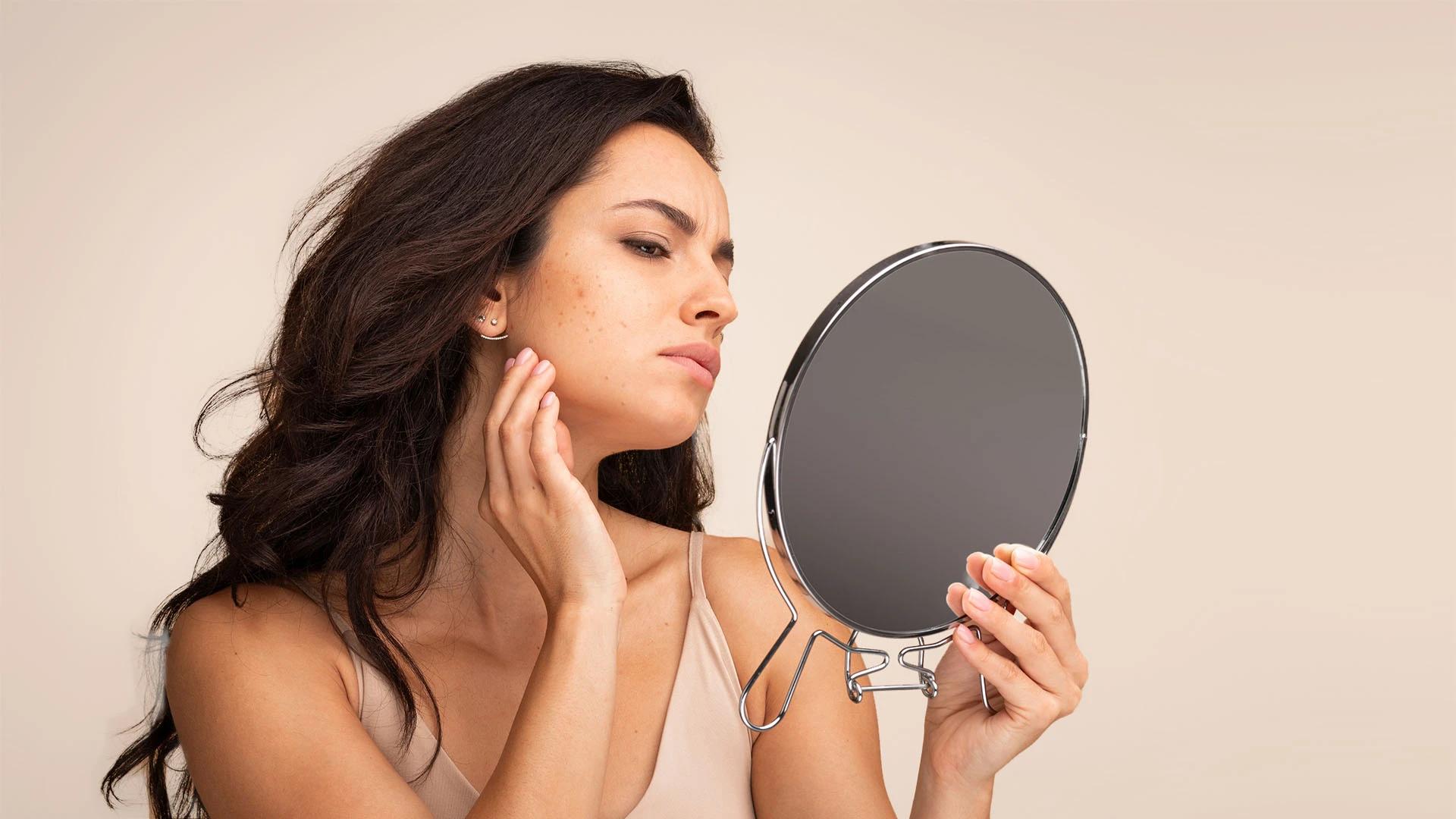

You've noticed those stubborn dark spots that seem to appear overnight and linger for months. If you have brown skin, you're not alone in this frustration. Hyperpigmentation affects melanin-rich skin differently, and what works for lighter skin tones might not be the best approach for you. The good news? There are proven treatments and strategies specifically effective for brown skin that can help fade those spots and prevent new ones from forming.
Hyperpigmentation in brown skin happens when melanin production goes into overdrive. Your skin naturally produces more melanin, which gives you that beautiful rich tone but also means you're more prone to developing dark spots after any inflammation or injury.
There are several types of dark spots you might be dealing with. Post-inflammatory hyperpigmentation (PIH) appears after acne, cuts, or any skin trauma. Melasma shows up as larger patches, often triggered by hormones or sun exposure. Age spots develop over time from cumulative sun damage, whilst acne marks are the lingering reminders of past breakouts.
The key difference with brown skin is that melanin reduction takes longer and requires gentler approaches. Your skin's protective response is stronger, which means treatments need to be both effective and safe to avoid causing more pigmentation issues.
Heat, friction, harsh products, and even stress can trigger melanin production. That's why gentle, consistent care works better than aggressive treatments that might backfire.
Professional treatments can be incredibly effective, but choosing the right one for brown skin dark spot removal requires careful consideration. Not all treatments are created equal when it comes to melanin-rich skin.
Chemical peels using glycolic acid or salicylic acid can work well, but they need to be done at lower concentrations and with longer intervals between sessions. Your skin needs time to heal without triggering more pigmentation.
Q-switched lasers and certain fractional lasers can be effective, but they must be performed by practitioners experienced with brown skin. The wrong settings can cause more dark spots rather than removing them.
Hydroquinone remains the gold standard for hyperpigmentation treatment, but it should be used under dermatological supervision. Tretinoin combined with other ingredients can accelerate cell turnover and fade spots over time. Kojic acid offers a gentler alternative for sensitive skin.
Realistic expectations are crucial. Most treatments take 6-12 weeks to show visible results, and complete fading can take 6-12 months depending on the depth and age of the spots.
The right dark spot correctors can make a significant difference when chosen specifically for brown skin. Look for products that combine multiple active ingredients for comprehensive skin brightening for brown skin.
Vitamin C in stable forms like magnesium ascorbyl phosphate works better for brown skin than L-ascorbic acid, which can be too irritating. Niacinamide is particularly effective because it not only helps fade spots but also strengthens your skin barrier.
Azelaic acid is brilliant for sensitive brown skin because it's anti-inflammatory whilst helping to fade dark spots. Kojic acid and mulberry extract offer natural brightening without the harsh side effects of stronger treatments.
Application technique matters just as much as ingredient choice. Always apply treatments to clean skin, use sunscreen during the day, and introduce new products gradually to avoid irritation.
Whilst professional treatments are most effective, certain natural remedies for dark spots can complement your routine safely. The key is choosing evidence-based options that won't cause more harm than good.
Aloe vera contains compounds that can help calm inflammation and support healing. Apply pure aloe gel twice daily to affected areas. Green tea extract has antioxidant properties that may help prevent further damage whilst supporting skin repair.
Turmeric and honey masks can be soothing, but patch test first as turmeric can temporarily stain brown skin. Licorice root extract contains glabridin, which research suggests may help inhibit melanin production.
Avoid lemon juice, baking soda, and other acidic home remedies that can irritate brown skin and potentially cause more skin discoloration. Your skin needs gentle, consistent care rather than harsh DIY treatments.
Post-inflammatory hyperpigmentation is perhaps the most common concern for brown skin. Every small cut, insect bite, or pimple can leave behind a dark mark that takes months to fade.
Prevention starts with treating the underlying inflammation quickly and gently. For acne, use salicylic acid or benzoyl peroxide in low concentrations. Never pick or squeeze spots, as this guarantees PIH will develop.
The moment you notice inflammation, start using anti-inflammatory ingredients like niacinamide or azelaic acid. Apply a thin layer of petroleum jelly to cuts or scrapes to promote healing without scarring.
For uneven skin tone correction, consistency is key. Use your chosen treatments daily, protect your skin from sun exposure, and be patient with the process.
Whilst you're working to fade dark spots, you don't have to hide away. Smart makeup techniques can help even out your skin tone whilst treatments do their work.
Colour correction is your friend. Peach and orange correctors neutralise dark spots on brown skin better than pink or lavender tones. Apply corrector only to the dark spots, then blend your foundation over the top.
If you notice spots appearing suddenly, changing in size or colour, or not responding to treatment after 3-4 months, it's time to consult a dermatologist. Some conditions require professional diagnosis and treatment.
Most dark spots on brown skin are not permanent, but they can take longer to fade than on lighter skin tones. With consistent treatment and sun protection, most spots will fade significantly within 6-12 months. However, very deep or old spots may require professional treatment and can take up to two years to fade completely.
Realistic timelines vary by treatment type and spot depth. Topical treatments typically show results in 6-8 weeks, with significant improvement in 3-6 months. Professional treatments like chemical peels may show faster results but require multiple sessions. The key is consistency and patience, as rushing the process can cause more pigmentation.
Body skin is thicker than facial skin, so treatments may take longer to show results. However, you can use stronger concentrations of active ingredients on the body. Glycolic acid lotions, retinol body treatments, and professional treatments can be effective. Always use sunscreen on treated areas, especially if they're exposed to sunlight.
Age spots are a type of hyperpigmentation caused by cumulative sun damage over time. They're usually larger, more defined, and appear on sun-exposed areas. Other types of hyperpigmentation include melasma (hormonal) and PIH (from inflammation). Treatment approaches are similar, but age spots may require more intensive treatment due to their depth.
Combining treatments can be effective but requires careful planning. Never use multiple strong acids together, as this can cause irritation and worsen pigmentation. A typical safe combination might include vitamin C in the morning and retinol at night, with niacinamide used twice daily. Always introduce new products one at a time and consult a dermatologist for complex combinations.
Brown skin naturally produces more melanin, which provides protection against UV damage but also means any inflammation triggers a stronger pigmentation response. This evolutionary advantage becomes a cosmetic concern when dealing with acne, cuts, or other skin trauma that leaves behind dark marks.
Prevention is absolutely possible with the right approach. Daily broad-spectrum SPF 30 or higher is non-negotiable, even indoors. Treat acne and other skin conditions promptly and gently. Avoid picking at your skin, and use anti-inflammatory ingredients like niacinamide regularly to keep your skin calm and less reactive.
The most effective hyperpigmentation treatment is prevention. Once you understand how your brown skin responds to inflammation and sun exposure, you can take steps to minimise future dark spot formation.
Sunscreen isn't just for beach days. UV exposure, even through windows, can darken existing spots and create new ones. Choose a broad-spectrum SPF 30 or higher and reapply every two hours when outdoors.
Your daily skincare routine should focus on maintaining a healthy skin barrier and preventing inflammation. Gentle cleansing, consistent moisturising, and regular use of niacinamide can help keep your skin calm and less prone to reactive pigmentation.
Even after your dark spots have faded, maintenance is crucial. Continue using your proven treatments 2-3 times per week, never skip sunscreen, and address any new inflammation quickly to prevent new spots from forming.
Treating dark spots on brown skin requires patience, consistency, and the right approach for your unique skin needs. What works for your friend might not work for you, and that's perfectly normal. The key is finding gentle, effective treatments and sticking with them long enough to see results.
Remember that your skin's natural protective response is actually a strength, even when it feels frustrating. With the right care and realistic expectations, you can achieve the even, radiant skin tone you're looking for. Whether you choose professional treatments, proven skincare ingredients, or a combination approach, consistency and sun protection will always be your best allies in this journey.
