Dark Spots Fade FAQ: Your Questions Answered

 100ml
100mlFace Wash for Dark Spots & Marks | Alpha Arbutin + Kojic Acid | Evens Skin Tone | Non-Stripping Gentle Formula | For All Skin Types | 100ml
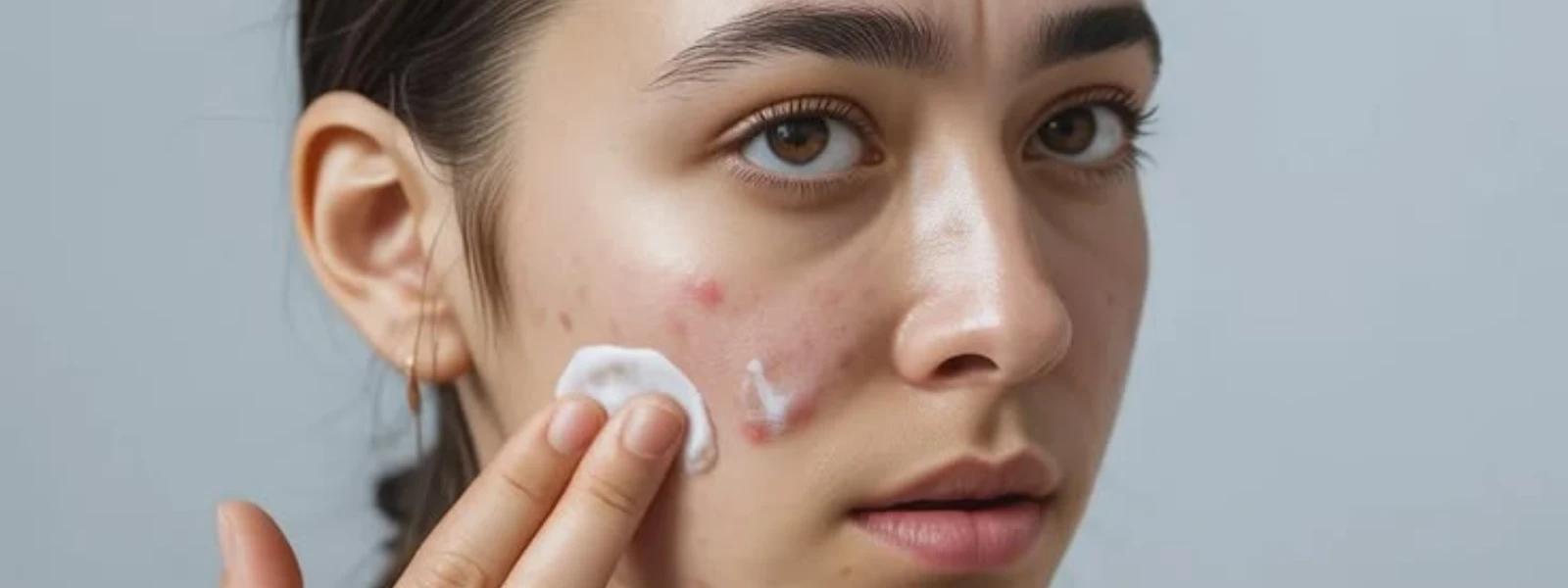
You've been staring at that stubborn dark spot on your cheek for months now, wondering if it'll ever fade on its own. Maybe it appeared after a particularly nasty breakout, or perhaps you noticed it creeping up after too many beach days without proper SPF. The truth is, dark spots are one of the most common skin concerns affecting people across all skin tones, and understanding how they fade is the first step toward clearer, more even skin.
Dark spots, medically known as hyperpigmentation, occur when your skin produces excess melanin in response to inflammation, sun damage, or hormonal changes. Think of melanin as your skin's natural defence mechanism – it's trying to protect deeper layers from further damage, but sometimes it goes into overdrive.
The process begins when melanocytes (pigment-producing cells) receive signals to ramp up production. This can happen after acne inflammation, UV exposure, or even from picking at your skin. The excess melanin gets deposited in clusters, creating those frustrating brown or black patches that seem to linger forever.
Without any intervention, dark spots fade naturally through your skin's normal cell turnover process. However, this can take anywhere from 3 to 24 months, depending on several factors. Surface-level spots from recent acne might fade within a few months, whilst deeper sun spots or age spots can persist for years.
The key difference lies in where the pigment sits. Post-inflammatory hyperpigmentation (PIH) from acne typically affects the upper layers of skin and fades more quickly. Sun damage and age spots, however, often penetrate deeper layers, making them more stubborn and requiring targeted treatment for effective skin discoloration correction.
When natural fading feels too slow, proven ingredients can significantly accelerate the process. The most effective dark spot removal approaches work by either inhibiting melanin production, increasing cell turnover, or both.
Vitamin C serums are your first line of defence against uneven skin tone. This powerful antioxidant not only prevents new damage but also helps break down existing melanin clusters. Look for stable forms like magnesium ascorbyl phosphate or sodium ascorbyl phosphate, which are less likely to oxidise in our humid climate.
Retinoids work by accelerating cell turnover, essentially helping your skin shed pigmented cells faster whilst preventing new ones from forming. Start with retinyl palmitate or granactive retinoid if you're new to the ingredient, then gradually work up to stronger formulations.
Glycolic acid and lactic acid (AHAs) provide gentle exfoliation that removes the top layer of pigmented skin cells. These are particularly effective for surface-level spots and work well in combination with other brightening ingredients.
Niacinamide offers a gentler approach to melanin reduction. This form of vitamin B3 reduces inflammation whilst inhibiting the transfer of melanin to skin cells, making it perfect for sensitive skin types prone to irritation.
 70 ml
70 mlIntimate Brightening Roll-On Serum | Inner Thighs & Bum | 10% AHA + PHA | Evens Skin Tone | Lightweight & Non-Sticky | 70ml
For stubborn spots that resist topical treatments, professional interventions can provide faster, more dramatic results. Laser therapy using Q-switched lasers targets melanin specifically, breaking it down so your body can naturally eliminate it. Most people see significant improvement within 4-6 sessions.
Chemical peels offer another professional route, using higher concentrations of acids to remove pigmented layers more aggressively than at-home treatments. Medium-depth peels can address deeper pigmentation but require proper aftercare and sun protection.
If you prefer gentler, natural approaches to brighten skin, several ingredients have shown promise in clinical studies. Licorice root extract contains glabridin, which inhibits tyrosinase – the enzyme responsible for melanin production. It's particularly effective for melasma and hormonal pigmentation.
Turmeric and honey masks combine anti-inflammatory properties with gentle exfoliation. Curcumin in turmeric helps reduce the inflammatory response that triggers excess melanin production, whilst honey provides moisture and mild enzymatic exfoliation.
Aloe vera gel contains aloesin, a compound that inhibits melanin production whilst soothing irritated skin. Fresh aloe is most potent, but look for gels with high aloe concentrations if fresh isn't available.
Green tea and rice water toners offer gentle daily melanin reduction through antioxidants and kojic acid naturally present in rice. These work slowly but consistently when used as part of your regular routine.
Remember, natural doesn't always mean safe for everyone. Patch test new ingredients and discontinue use if you experience irritation or increased sensitivity.
Here's the reality check: no dark spot removal treatment will work effectively without proper sun protection. UV rays not only create new spots but also darken existing ones, essentially undoing all your hard work.
Broad-spectrum SPF 30 or higher should be non-negotiable in your daily routine. For those with deeper skin tones, tinted sunscreens containing iron oxide provide superior protection against visible light, which can also trigger melanin production.
Physical sunscreens with zinc oxide or titanium dioxide offer the most reliable protection, especially during active treatment with acids or retinoids that increase photosensitivity. Reapplication every two hours isn't just a suggestion – it's essential for preventing new age spots whilst treating existing ones.
 15 G
15 GAdvanced Spot Targeting Gel | Fast-Acting Discolouration Care | Targets Stubborn Marks | Spicules + Biomimetic Peptides + Arbutin | 15g
Korean skincare philosophy emphasises prevention and gentle, consistent treatment over aggressive interventions. The multi-step approach typically includes a vitamin C serum in the morning, followed by niacinamide or other brightening ingredients, and always ending with SPF.
Evening routines focus on gentle exfoliation with AHAs or BHAs, followed by hydrating essences containing ingredients like arbutin or kojic acid. This consistency-over-intensity approach often yields better long-term results with less irritation.
Managing expectations is crucial for successful hyperpigmentation treatment. Natural fading without intervention typically takes 6-24 months, depending on the spot's depth and your skin's natural turnover rate.
With consistent use of over-the-counter treatments, most people begin seeing visible improvement within 8-12 weeks. However, complete fading can take 6 months or longer for deeper spots. Professional treatments can show results within 4-8 weeks but may require multiple sessions.
Several factors affect fading speed: your skin type, the depth of pigmentation, consistency of treatment, and sun protection habits. Darker skin tones may see slower initial progress but often achieve more dramatic final results with proper treatment.
Yes, dark spots fade naturally through your skin's normal cell turnover process, but this can take 6-24 months. Surface-level spots from recent acne typically fade faster than deeper sun damage or age spots. However, without proper sun protection, existing spots may darken and new ones can form during this time.
Professional treatments like laser therapy and chemical peels provide the fastest results, often showing improvement within 4-6 weeks. For at-home care, combining vitamin C, retinoids, and AHAs with strict sun protection typically yields the quickest results, with visible improvement in 8-12 weeks.
 30 ml
30 ml15% Vitamin C Face Serum | Brightens & Evens Skin Tone | Boosts Collagen & Firmness | Reduces Dark Spots | Vitamin C & E + Ferulic Acid | 30ml
Complete fading depends on the spot's depth and your treatment approach. Surface-level post-inflammatory hyperpigmentation may fade in 3-6 months with treatment, whilst deeper sun spots or age spots can take 6-12 months or longer. Consistency with treatment and sun protection is key to achieving complete skin discoloration correction.
No legitimate treatment can completely remove established dark spots in just 2 days. Whilst some natural ingredients like lemon juice or baking soda are often suggested for quick fixes, these can actually cause irritation and worsen pigmentation. Safe, effective dark spot removal requires time and consistent treatment.
Sudden appearance of brown spots can result from recent sun exposure, hormonal changes, certain medications, or underlying skin conditions. If spots appear rapidly, change in size or colour, or have irregular borders, consult a dermatologist to rule out serious conditions and determine the best hyperpigmentation treatment approach.
The terms are often used interchangeably, but age spots typically refer to pigmentation that appears with advancing age, whilst sun spots specifically result from UV damage. Both are forms of solar lentigines and respond to similar treatments focusing on melanin reduction and skin renewal.
With proper treatment and sun protection, many dark spots can be permanently removed or significantly lightened. However, your skin's tendency to develop pigmentation remains, so new spots can form with sun exposure or inflammation. Ongoing prevention and maintenance treatments are essential for long-term results.
Whilst many dark spots respond well to over-the-counter treatments, certain situations warrant professional evaluation. If spots are growing, changing colour, developing irregular borders, or causing itching or bleeding, seek immediate dermatological assessment to rule out skin cancer.
Additionally, if you've been consistently treating spots for 3+ months without improvement, a dermatologist can assess whether you need stronger treatments or if there's an underlying condition affecting your results. They can also help distinguish between different types of pigmentation and recommend the most effective treatment approach for your specific concerns.
Understanding how dark spots fade empowers you to make informed decisions about your skincare routine. Whether you choose natural methods, over-the-counter treatments, or professional interventions, consistency and patience are your greatest allies in achieving clearer, more even skin.
Remember that effective dark spot removal isn't just about treating existing pigmentation – it's about preventing new spots from forming through diligent sun protection and gentle skincare practices. With the right approach and realistic expectations, you can successfully address hyperpigmentation and achieve the brightened skin you're working towards.
For those exploring new treatments and products, platforms like Smytten Shop offer the opportunity to try premium skincare brands through samples before committing to full sizes, helping you find the most effective products for your unique skin concerns without the guesswork.
