Dark Spot Causes Explained: Your FAQ Answered
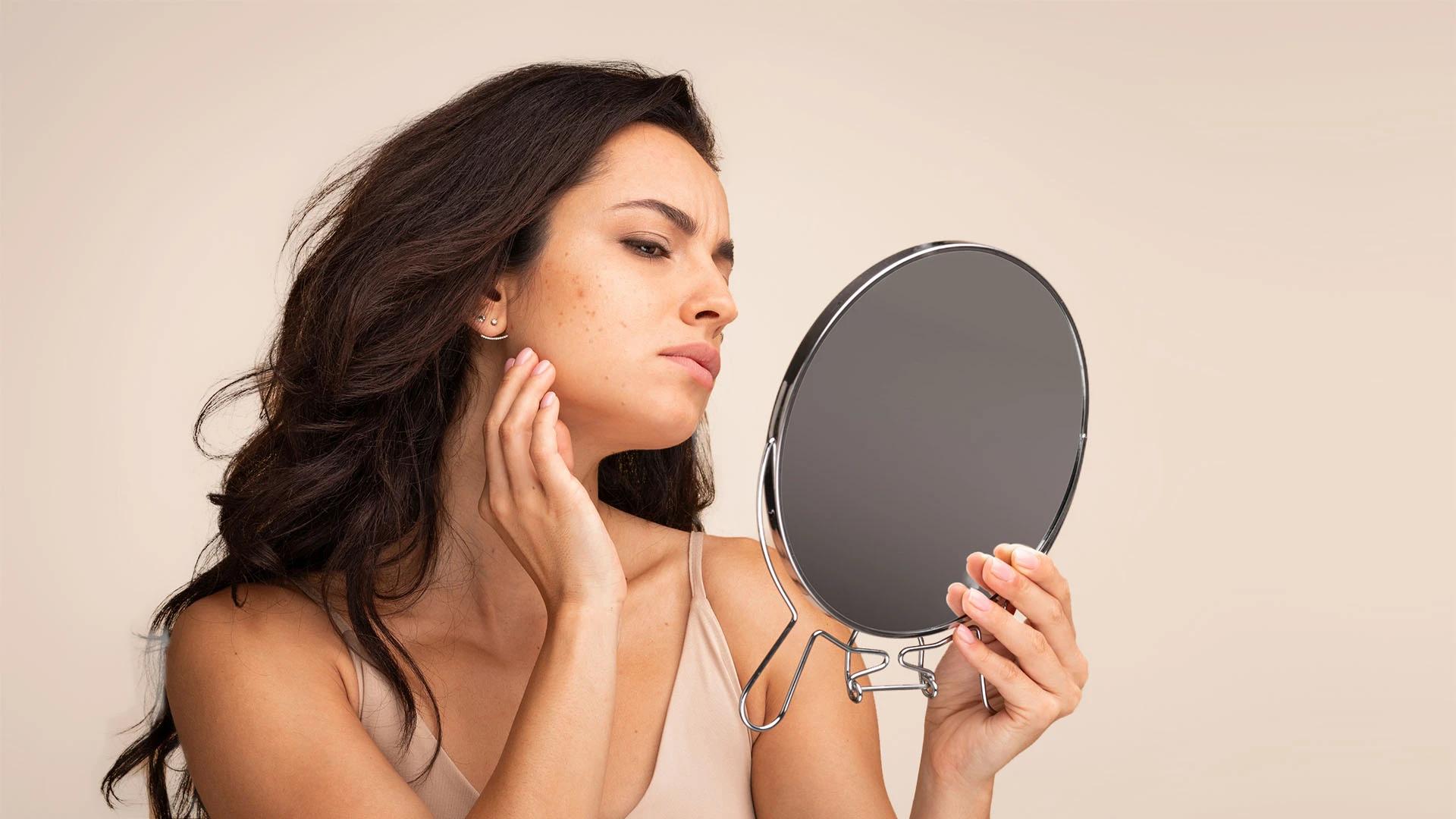

Ever noticed a new dark spot appearing seemingly overnight and wondered where it came from? You're definitely not alone. Whether it's a stubborn mark from last summer's holiday or mysterious patches that showed up after a particularly stressful month, dark spot causes can feel like a skincare mystery. The good news? Understanding why these spots appear is the first step to managing them effectively. From sun damage to hormonal shifts, there are clear reasons behind most skin discoloration – and once you know what's causing yours, you can tackle it with confidence.
Dark spots, medically known as hyperpigmentation, occur when your skin produces excess melanin in certain areas. Think of melanin as your skin's natural protection system – it's what gives your skin its colour and helps shield you from UV damage. Sometimes, though, this system goes into overdrive, creating concentrated patches of pigment that appear darker than your surrounding skin.
These spots typically show up as brown, black, or grey patches on areas that see the most sun exposure: your face, hands, shoulders, and arms. The key thing to understand is that not all skin discoloration is permanent. Some dark marks are temporary responses to injury or inflammation, whilst others develop over years of accumulated damage.
The difference lies in where the excess pigment sits in your skin. Surface-level pigmentation often fades naturally as your skin cells turn over, but deeper pigmentation can be more stubborn. This is why some spots seem to disappear on their own whilst others stick around for months or even years.
Understanding the root cause of your dark spots is crucial for choosing the right treatment approach. Here are the most common culprits behind hyperpigmentation:
This is the big one. UV rays trigger your melanocytes (pigment-producing cells) to work overtime, leading to sun spots and age spots. Even brief, unprotected sun exposure can cause lasting damage, especially if you have fair skin. These spots often appear years after the initial damage occurred, which is why they're sometimes called "age spots" – they're really just accumulated sun damage showing up over time.
Melasma creates symmetrical patches, usually on the face, and is strongly linked to hormonal fluctuations. Pregnancy, birth control pills, and hormone replacement therapy can all trigger this type of pigmentation. The patches often appear on the forehead, cheeks, and upper lip in a distinctive butterfly pattern.
This happens when your skin darkens after inflammation or injury. Post-inflammatory hyperpigmentation is particularly common after acne breakouts, but it can also follow eczema flare-ups, cuts, or even aggressive skincare treatments. The darker your natural skin tone, the more likely you are to develop PIH.
As we age, our skin's natural repair mechanisms slow down. Cell turnover decreases, meaning pigmented cells stick around longer. Plus, years of cumulative sun exposure start to show up as age spots and general uneven skin tone.
Constant rubbing from tight clothing, aggressive scrubbing, or frequent shaving can cause darkening in affected areas. This type of pigmentation is particularly common in areas where skin rubs against skin, like the neck, underarms, or inner thighs.
Certain medications, including some antibiotics and antimalarials, can cause drug-induced pigmentation. Medical conditions like Addison's disease or insulin resistance can also lead to darkening of the skin.
Your genes play a significant role in how your skin responds to triggers. If your parents or grandparents had issues with skin blemishes or pigmentation, you're more likely to develop them too. Certain ethnic backgrounds are also more prone to specific types of hyperpigmentation.
Whilst most dark spots develop gradually, sudden appearance can be alarming. If you notice new spots appearing rapidly, especially if they're irregular in shape, have multiple colours, or are changing quickly, it's worth seeing a dermatologist. Most skin discoloration is benign, but sudden changes can occasionally indicate something more serious.
Normal pigmentation changes tend to be symmetrical, have smooth edges, and develop slowly over weeks or months. They're usually brown or black and feel flat to the touch. Concerning changes include spots that are asymmetrical, have irregular borders, multiple colours, are larger than 6mm, or are evolving rapidly.
Not all dark spots are created equal. Here's how to identify the most common types:
These are flat, brown or black spots that typically appear on sun-exposed areas. They're usually round or oval and range from a few millimetres to over a centimetre in size. Despite the name, they're caused by sun damage, not aging itself.
Melasma appears as larger, irregular patches rather than discrete spots. The pigmentation is usually brown or grey-brown and appears symmetrically on both sides of the face. It's often called the "pregnancy mask" because it commonly develops during pregnancy.
These appear as flat, discoloured areas where acne lesions have healed. They can range from pink to dark brown, depending on your skin tone. Unlike acne scars, these marks are flat and will eventually fade on their own, though it can take months.
The answer depends on the type and depth of pigmentation. Surface-level spots, particularly those from post-inflammatory hyperpigmentation, often fade naturally as your skin renews itself. This process typically takes 3-6 months for facial skin and up to a year for body skin.
However, deeper pigmentation from years of sun damage or hormonal changes is unlikely to disappear completely without intervention. Age spots and established melasma tend to be persistent and may even darken over time without proper protection and treatment.
Your skin's natural turnover rate plays a crucial role in how quickly spots fade. Younger skin typically renews itself every 28 days, whilst mature skin can take 40-60 days. This is why dark marks often seem to linger longer as we age.
Prevention is always easier than treatment when it comes to pigmentation. The most crucial step is consistent sun protection – and we mean every single day, not just when you're at the beach. Choose a broad-spectrum SPF 30 or higher that contains iron oxides, which help protect against visible light that can worsen melasma.
Gentle skincare is equally important. Avoid aggressive scrubbing or harsh treatments that can cause inflammation and subsequent post-inflammatory hyperpigmentation. If you're prone to acne, treat breakouts promptly and gently to minimise the risk of dark marks forming.
For those dealing with hormonal fluctuations, work with your healthcare provider to manage hormone levels when possible. If you're on birth control or hormone replacement therapy and notice new pigmentation, discuss alternatives with your doctor.
When it comes to dark mark removal, patience is key. Most effective treatments work gradually over several months.
Ingredients like niacinamide, vitamin C, and gentle AHAs can help with mild pigmentation. These work by supporting healthy cell turnover and inhibiting excess melanin production. However, results are gradual and work best on newer, surface-level spots.
For stubborn or extensive pigmentation, professional treatments like chemical peels, laser therapy, or prescription medications may be necessary. A dermatologist can assess your specific type of pigmentation and recommend the most effective approach.
Success depends on several factors: the type and depth of pigmentation, your skin type, consistency with treatment, and ongoing sun protection. Combination approaches often work best, and maintenance treatments are usually necessary to prevent recurrence.
Sun exposure is the leading cause of dark spots. UV rays trigger excess melanin production, leading to sun spots and age spots. Even brief, unprotected exposure can cause lasting damage that appears years later.
Surface-level spots from recent inflammation or minor sun damage often fade naturally over 3-6 months. However, deeper pigmentation from years of damage or hormonal causes typically requires active treatment to see significant improvement.
Daily broad-spectrum SPF 30+ sunscreen is essential, even indoors. Gentle skincare, prompt acne treatment, and managing hormonal fluctuations also help prevent new hyperpigmentation from developing.
OTC products containing niacinamide, vitamin C, or gentle acids can help with mild, recent pigmentation. However, established or deep spots often require professional treatment for significant results.
Consult a professional if spots appear suddenly, change rapidly, have irregular shapes or colours, or don't respond to consistent OTC treatment after 3-4 months. They can also help identify the specific type of pigmentation you're dealing with.
Yes, darker skin tones are more susceptible to post-inflammatory hyperpigmentation, whilst fair skin is more prone to sun spots. Hormonal pigmentation like melasma affects all skin types but is more common in women and those with olive or darker complexions.
Understanding dark spot causes empowers you to make informed decisions about prevention and treatment. Whether you're dealing with stubborn age spots, hormonal melasma, or post-acne marks, remember that effective management takes time and consistency.
The key is identifying your specific type of pigmentation and addressing the underlying cause whilst protecting your skin from further damage. For those exploring treatment options, platforms like Smytten offer access to curated skincare products from trusted brands, allowing you to try targeted treatments before committing to full sizes. With over 28 million users discovering effective solutions through sample-first shopping, you can find what works for your unique skin concerns without the guesswork.
Your skin's journey with pigmentation is unique, and what works for others might not work for you. Be patient with the process, consistent with protection, and don't hesitate to seek professional guidance when needed. Clear, even-toned skin is achievable with the right approach and realistic expectations.
