Causes of Skin Pigmentation FAQ: Understanding Hyperpigmentation

 50 g
50 gCeramide Moisturizer for Pigmentation | Reduces Hyperpigmentation & Fades Spots | Targets Blemishes & Uneven Tone | For All Skin Types | 50g
Ever noticed how that one stubborn dark spot seems to appear overnight, or wondered why your skin tone looks uneven despite your best skincare efforts? You're not alone in this frustration. Skin pigmentation concerns affect millions of people, and understanding what causes these changes is the first step towards addressing them effectively. From unexpected hormonal shifts to that holiday sunburn you thought had healed completely, the reasons behind hyperpigmentation are more complex than you might think.
Skin pigmentation refers to the colouring of your skin, which is primarily determined by a pigment called melanin. Think of melanin as your skin's natural defence system – it's produced by specialised cells called melanocytes that live in the deepest layer of your epidermis. When everything works as it should, these cells produce just the right amount of melanin to give you your natural skin tone.
Hyperpigmentation occurs when this system goes into overdrive. Instead of producing melanin evenly across your skin, certain areas start producing excess amounts, leading to those frustrating dark patches, spots, or uneven skin tone that many of us know all too well. The process isn't immediate – it can take weeks or even months for melanin production changes to become visible on your skin's surface.
What makes this particularly tricky is that melanocytes have excellent memories. Once they've been triggered to produce excess melanin, they can continue this overproduction long after the initial trigger has disappeared. This explains why that acne mark from months ago is still visible, or why your skin seems to darken in the same spots every summer.
Understanding what triggers your melanocytes to go into overdrive is crucial for both preventing and treating skin discoloration. The causes range from obvious culprits like sun exposure to surprising factors you might never have considered.
Sun exposure remains the leading cause of skin pigmentation issues worldwide. When UV rays hit your skin, they signal your melanocytes to produce more melanin as a protective response. UVA rays penetrate deeper into your skin and are primarily responsible for long-term pigmentation changes, whilst UVB rays cause more immediate effects like sunburn.
What's particularly frustrating about sun-induced pigmentation is its delayed appearance. You might think you've escaped that beach holiday unscathed, only to notice new dark spots appearing weeks later. This happens because damaged melanocytes can take time to ramp up their melanin production, and the pigment itself needs time to travel to your skin's surface.
Hormonal changes are behind some of the most persistent forms of hyperpigmentation. Melasma, often called the "pregnancy mask," affects up to 90% of pregnant women and appears as symmetrical brown patches, typically on the face. But pregnancy isn't the only hormonal trigger – birth control pills, hormone replacement therapy, and even thyroid disorders can all influence melanin production.
The connection between hormones and pigmentation is so strong that many women notice their dark spots getting darker during certain times of their menstrual cycle. Oestrogen and progesterone fluctuations can make your melanocytes more sensitive to other triggers, particularly sun exposure.
Post-inflammatory hyperpigmentation is your skin's response to injury or inflammation. Every time your skin experiences trauma – whether it's a pimple, a cut, an insect bite, or even aggressive scrubbing – the healing process can trigger excess melanin production. This is why acne often leaves behind dark marks that can persist for months or even years.
PIH is particularly common in people with darker skin tones, as their melanocytes are naturally more active. Even minor irritation that might not affect lighter skin can result in noticeable darkening in melanin-rich skin.

Target & Fade Duo for Hyperpigmentation | Even-Tone Underarms, Inner Thighs & Bum | Refines Skin Texture | For All Skin Types
Your genetic makeup plays a significant role in how prone you are to developing pigmentation issues. If your parents or grandparents dealt with melasma, age spots, or uneven skin tone, you're more likely to experience similar concerns. Some people are simply born with more reactive melanocytes that respond strongly to triggers like sun exposure or hormonal changes.
Certain ethnic backgrounds also have higher predispositions to specific types of pigmentation disorders. For instance, melasma is more common in people of Hispanic, Asian, and African descent, whilst solar lentigines (age spots) are more frequently seen in fair-skinned individuals with a history of sun exposure.
Not all dark spots are created equal, and understanding the different types of skin conditions that cause pigmentation can help you identify what you're dealing with and choose the most appropriate treatment approach.
Age spots, also known as solar lentigines, are flat, brown spots that typically appear on sun-exposed areas like your face, hands, shoulders, and arms. Despite their name, these aren't necessarily related to age – they're actually the result of cumulative sun damage over time. You might start noticing them in your thirties or forties, but they represent decades of UV exposure.
These spots tend to be well-defined with clear borders and uniform colour. They're most common on the backs of hands and the face, particularly the cheeks and forehead where sun exposure is most intense.
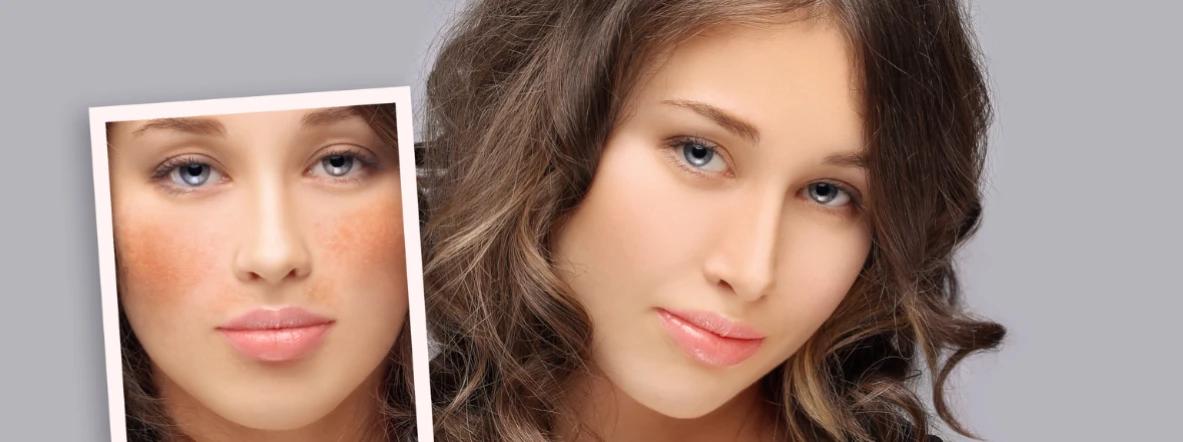
Melasma presents as larger, irregularly shaped patches of brown or grey-brown discolouration, typically appearing symmetrically on both sides of the face. The most common pattern includes the cheeks, bridge of the nose, forehead, chin, and upper lip. Unlike age spots, melasma patches often have irregular borders and can vary in intensity.
What makes melasma particularly challenging is its tendency to worsen with sun exposure and fluctuate with hormonal changes. Many women find their melasma darkens during pregnancy or when taking hormonal contraceptives, then lightens somewhat afterwards – though it rarely disappears completely without treatment.
Freckles come in two main types: ephelides (true freckles) and solar lentigines (often called age spots or sun spots). True freckles are genetic and typically appear in childhood, becoming more prominent with sun exposure and fading in winter. They're most common in people with fair skin and red or blonde hair.
Solar lentigines, on the other hand, are permanent and result from cumulative sun damage. Unlike true freckles, they don't fade in winter and tend to become more numerous and darker with age.
Sometimes the causes of skin pigmentation extend beyond the obvious culprits of sun and hormones. Various medications, medical conditions, and lifestyle factors can all contribute to unwanted skin darkening.
 30 ml
30 mlDark Spot Serum For Pigmentation | With Niacinamide, Alpha Arbutin & MelaMe Complex | Fades Melasma & Acne Marks | For Oily & Dry Skin | 30ml
Certain medications can cause your skin to darken as a side effect. Antimalarial drugs like chloroquine and hydroxychloroquine are well-known culprits, often causing a blue-grey discolouration. Some antibiotics, particularly tetracyclines, can make your skin more sensitive to sun damage, leading to increased pigmentation.
Chemotherapy drugs can also affect pigmentation, sometimes causing darkening along the veins where the medication was administered, or creating horizontal bands across the nails. Even some common medications like amiodarone (used for heart rhythm problems) can cause a distinctive blue-grey skin discolouration with prolonged use.
Several medical conditions can manifest as changes in skin pigmentation. Addison's disease, which affects your adrenal glands, often causes a bronze-like darkening of the skin, particularly in areas that see friction like elbows and knees. Diabetes can lead to a condition called acanthosis nigricans, which appears as dark, velvety patches in skin folds.
Autoimmune conditions can also affect pigmentation. Vitiligo causes loss of pigmentation, creating white patches, whilst other autoimmune disorders might trigger increased melanin production in certain areas.
Repeated friction can cause darkening in areas like elbows, knees, and underarms – a condition called friction melanosis. This is particularly common in people who are overweight or who wear tight clothing that rubs against the skin. Heat exposure, whether from saunas, hot baths, or even laptop computers resting on your thighs, can also trigger localised pigmentation.
Exposure to certain chemicals, including some perfumes, cosmetics, and cleaning products, can cause contact dermatitis followed by post-inflammatory hyperpigmentation. This is why patch testing new products is so important, especially if you have sensitive or reactive skin.
If you've found yourself wondering "why is my skin getting darker for no reason," you're experiencing one of the most frustrating aspects of pigmentation disorders. The truth is, there's always a reason – it's just not always obvious.
Sudden pigmentation changes often result from delayed reactions to triggers that occurred weeks or months earlier. That sunburn from your summer holiday might not show its full pigmentation effects until autumn. Similarly, hormonal changes from starting or stopping birth control can take months to manifest as visible skin changes.
Sometimes the trigger is something you wouldn't expect. A new medication, a change in your skincare routine, or even increased stress levels can all influence your skin's pigmentation. Stress affects your hormone levels, which in turn can make your melanocytes more reactive to other triggers.
If you're experiencing sudden, widespread darkening of your skin, particularly if it's accompanied by other symptoms like fatigue or changes in appetite, it's important to consult a healthcare provider. While most pigmentation changes are benign, sudden changes can sometimes indicate underlying medical conditions that need attention.
 70 ml
70 mlIntimate Brightening Roll-On Serum | Inner Thighs & Bum | 10% AHA + PHA | Evens Skin Tone | Lightweight & Non-Sticky | 70ml
Sudden pigmentation often results from delayed reactions to triggers like sun exposure, hormonal changes, or new medications. Your melanocytes can take weeks or months to respond to stimuli, so what appears "sudden" may actually be the result of earlier triggers. Recent changes in birth control, pregnancy, stress levels, or even new skincare products can all contribute to unexpected pigmentation.
Sun exposure is by far the most common cause of hyperpigmentation worldwide. UV radiation triggers excess melanin production as your skin's natural defence mechanism. Even brief, unprotected sun exposure can lead to pigmentation changes, and the effects are cumulative – meaning damage builds up over time, often becoming visible years later.
Certain foods can make your skin more sensitive to sun damage, potentially increasing pigmentation. These include citrus fruits, celery, parsley, and figs, which contain compounds called psoralens. When these foods come into contact with your skin followed by sun exposure, they can cause a reaction called phytophotodermatitis, leading to dark patches. However, eating these foods doesn't directly cause pigmentation – the reaction occurs when the food touches your skin.
Yes, stress can indirectly contribute to pigmentation issues. Chronic stress affects your hormone levels, particularly cortisol, which can make your melanocytes more reactive to other triggers. Stress can also worsen inflammatory skin conditions like acne or eczema, leading to post-inflammatory hyperpigmentation. Additionally, stress might cause you to neglect your skincare routine or sun protection, increasing your risk of pigmentation.
Pigmentation from sun exposure doesn't appear immediately. Initial tanning might be visible within hours, but true pigmentation changes typically take 2-4 weeks to become apparent. This delayed response is why you might not notice sun damage until well after your holiday or outdoor activity. The pigmentation can continue to darken for several weeks after the initial exposure.
Most types of hyperpigmentation can be improved with proper treatment, though some are more stubborn than others. Post-inflammatory hyperpigmentation often fades naturally over 6-12 months, whilst sun-induced age spots and melasma typically require active treatment. The key is early intervention and consistent sun protection to prevent further darkening.
Existing pigmentation often darkens in summer due to increased UV exposure. Even with sunscreen, some UV rays can penetrate and stimulate melanocytes that are already overactive. Heat itself can also trigger melanin production in some people. This is why dermatologists often recommend starting pigmentation treatments in autumn or winter when sun exposure is naturally lower.
Understanding the causes of skin pigmentation is the foundation for effectively addressing these common concerns. Whether you're dealing with sun damage, hormonal changes, or post-inflammatory hyperpigmentation, knowing what triggered your pigmentation helps you choose the right treatment approach and prevent future issues.
The most important takeaway is that pigmentation is rarely about just one factor – it's usually a combination of triggers working together. Your genetic predisposition, hormonal status, sun exposure history, and even your skincare routine all play a role in how your skin responds to various stimuli.
For those looking to explore targeted treatments for pigmentation concerns, platforms like Smytten Shop offer access to premium skincare brands with proven ingredients like niacinamide, vitamin C, and gentle exfoliating acids. With over 28 million users discovering new products through samples, you can try before you commit to full-sized treatments, making your journey towards clearer, more even-toned skin both affordable and informed.
Remember, addressing pigmentation is a marathon, not a sprint. Consistency with sun protection, gentle skincare, and patience with treatments will serve you better than any quick-fix promises. Your skin's journey is unique, and understanding what causes your specific pigmentation concerns is the first step towards the healthy, even-toned skin you're working towards.
