Causes of Dark Spots FAQ: Hyperpigmentation & Melanin Production Explained
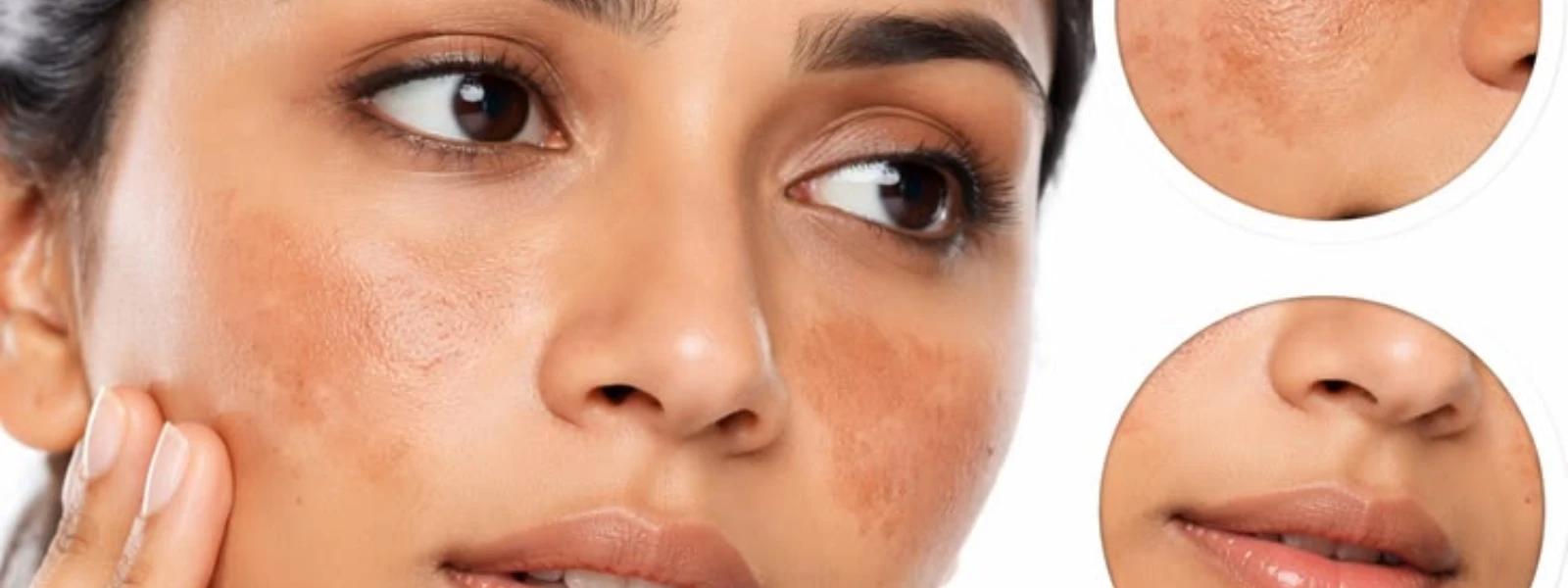

Ever noticed a new dark spot appearing seemingly overnight? Or perhaps you've been wondering why certain areas of your face seem stubbornly darker than others? You're not alone in this skin concern. Dark spots and hyperpigmentation affect millions of people across all skin tones, and understanding what causes them is the first step toward achieving the even complexion you're after. From that persistent mark left behind by last summer's breakout to the gradual appearance of age spots on your hands, these skin changes tell a story of everything your skin has experienced.
Dark spots, medically known as hyperpigmentation, occur when your skin produces excess melanin in specific areas. Think of melanin as your skin's natural defence system—it's the pigment responsible for your skin colour and acts as a protective shield against UV damage. When this system goes into overdrive in certain spots, you end up with patches that are noticeably darker than your surrounding skin tone.
The process begins deep within your skin cells called melanocytes. These cells produce melanin in response to various triggers, from sun exposure to inflammation. Sometimes, this production becomes uneven or excessive, leading to the concentrated patches we recognise as dark spots. What makes this particularly frustrating is that once these spots form, they can persist for months or even years without proper treatment.
There are several types of hyperpigmentation you might encounter. Solar lentigines, commonly called age spots or sun spots, typically appear on areas frequently exposed to sunlight. Melasma presents as symmetrical patches, often on the face, and is closely linked to hormonal changes. Post-inflammatory hyperpigmentation (PIH) develops after skin trauma, such as acne scars or injuries. Understanding which type you're dealing with helps determine the most effective treatment approach.
Understanding the root causes of dark spots empowers you to both treat existing pigmentation and prevent new spots from forming. Here are the main culprits behind skin discoloration:
Sun exposure remains the leading cause of dark spots worldwide. When UV rays penetrate your skin, they trigger melanocytes to produce more melanin as protection. Over time, this repeated stimulation leads to uneven melanin production and the formation of concentrated dark patches. Your face, hands, shoulders, and décolletage bear the brunt of this damage because they're most frequently exposed to sunlight throughout your life.
Hormonal fluctuations, particularly during pregnancy, can trigger a specific type of hyperpigmentation called melasma. Often referred to as the "mask of pregnancy," these symmetrical patches typically appear on the forehead, cheeks, and upper lip. Birth control pills and hormone replacement therapy can also trigger similar pigmentation changes, making this a common concern for many women.
When your skin experiences trauma—whether from acne, eczema, cuts, or even aggressive skincare treatments—the healing process can trigger excess melanin production. This explains why acne scars often appear as dark marks long after the original blemish has healed. The inflammation signals your melanocytes to produce more pigment, resulting in those persistent dark spots that seem to linger for months.
As we age, our skin's ability to repair itself slows down, and years of accumulated sun damage begin to manifest as visible age spots. Additionally, the natural cell turnover process becomes less efficient, meaning pigmented cells stick around longer than they should. This is why many people notice an increase in dark spots after their thirties, even in areas that weren't previously problematic.
Chronic friction from clothing, repeated rubbing, or even aggressive scrubbing can lead to skin discoloration. This type of pigmentation commonly appears in areas like the underarms, inner thighs, or neck, where skin regularly rubs against fabric or other skin. The constant irritation triggers an inflammatory response that can result in persistent dark patches.
Certain medications, including some antibiotics, antimalarials, and chemotherapy drugs, can increase your skin's sensitivity to light or directly affect melanin production. Additionally, medical conditions such as Addison's disease or diabetes can contribute to changes in skin pigmentation. If you notice sudden or widespread changes in your skin colour, it's worth discussing with your healthcare provider.
The sudden appearance of dark spots often puzzles people, but there's usually an underlying explanation. Sometimes, damage that occurred months or even years ago finally becomes visible as your skin's repair mechanisms slow down or become overwhelmed. Hormonal changes, increased sun exposure, or even stress can "activate" dormant pigmentation, making it suddenly noticeable.
Seasonal changes also play a role. Many people notice their dark spots becoming more prominent after summer holidays or periods of increased sun exposure. The UV damage doesn't always show immediately—it can take weeks or months for the excess melanin to work its way to the skin's surface and become visible.
Solar lentigines appear as flat, brown spots typically on sun-exposed areas and increase in number and size with age. Melasma presents as larger, symmetrical patches with irregular borders, most commonly on the face. Post-inflammatory hyperpigmentation varies in appearance depending on the original trauma but often appears as dark marks in the exact shape and location of previous blemishes or injuries.
Prevention remains your most powerful tool against hyperpigmentation. Daily SPF application is non-negotiable—choose a broad-spectrum sunscreen with at least SPF 30 and reapply every two hours when outdoors. Remember that UV rays can penetrate windows, so protection is important even when you're indoors near windows or driving.
Gentle skincare practices also play a crucial role. Avoid picking at blemishes, as this increases the risk of post-inflammatory hyperpigmentation. When treating acne or other skin concerns, opt for gentle, consistent approaches rather than aggressive treatments that might trigger inflammation. If you're prone to melasma, discuss hormonal contraception options with your healthcare provider, as some formulations may be less likely to trigger pigmentation changes.
Once dark spots have formed, several treatment approaches can help fade them over time. Professional treatments like chemical peels, laser therapy, and IPL (Intense Pulsed Light) can be highly effective but require consultation with a qualified dermatologist to determine the best approach for your skin type and specific concerns.
For at-home treatment, ingredients like vitamin C, niacinamide, and gentle AHAs can help promote cell turnover and gradually fade pigmentation. Retinol products are particularly effective for addressing multiple signs of ageing, including uneven skin tone. However, patience is key—most topical treatments require 3-6 months of consistent use to show significant results.
Sun exposure is the primary cause of dark spots for most people. UV radiation triggers excess melanin production, leading to concentrated areas of pigmentation. However, individual factors like genetics, hormones, and skin trauma also contribute significantly to hyperpigmentation development.
Some dark spots, particularly those caused by post-inflammatory hyperpigmentation, may fade naturally over 6-12 months as your skin's natural cell turnover process gradually removes pigmented cells. However, sun-induced age spots and melasma typically require active treatment to see significant improvement.
Natural fading of dark spots varies greatly depending on their cause, depth, and your skin's natural renewal rate. Post-inflammatory hyperpigmentation may improve in 3-6 months, while deeper pigmentation from sun damage or melasma can take 12-18 months or longer without active treatment.
Consult a dermatologist if you notice sudden changes in existing spots, irregular borders, multiple colours within one spot, or rapid growth. Additionally, if dark spots are significantly impacting your confidence or if over-the-counter treatments haven't shown improvement after 3-4 months of consistent use, professional guidance can help.
While hyperpigmentation can affect all skin tones, people with naturally higher melanin levels may be more prone to post-inflammatory hyperpigmentation and may find that spots take longer to fade. However, those with lighter skin tones are often more susceptible to sun-induced age spots due to less natural UV protection.
Yes, harsh or irritating skincare products can worsen hyperpigmentation by causing inflammation. Over-exfoliation, products with high concentrations of active ingredients, or formulations that don't suit your skin type can trigger post-inflammatory hyperpigmentation. Always introduce new products gradually and discontinue use if irritation occurs.
Dark spots often reflect accumulated skin damage, particularly from UV exposure. While they're generally harmless from a health perspective, they do indicate that your skin has experienced stress or trauma. This makes prevention through sun protection and gentle skincare practices even more important.
While diet doesn't directly cause dark spots, certain nutrients can support skin health and potentially aid in prevention and healing. Antioxidant-rich foods may help protect against UV damage, while anti-inflammatory foods might reduce the risk of post-inflammatory hyperpigmentation. However, topical treatments and sun protection remain the most effective approaches.
Understanding the causes of dark spots empowers you to make informed decisions about prevention and treatment. Whether you're dealing with sun-induced age spots, hormonal melasma, or acne scars, remember that improvement takes time and consistency. The most effective approach combines prevention through daily sun protection with appropriate treatment for existing pigmentation.
For those exploring treatment options, platforms like Smytten Shop offer access to premium skincare brands with ingredients proven effective for hyperpigmentation. With over 28 million users discovering products through trial sizes, you can find the right combination of vitamin C, niacinamide, and other brightening ingredients without committing to full-sized products immediately. Remember, your skin's journey toward evenness is unique—what works for others may need adjustment for your specific concerns and skin type.
