Body Acne on Indian Skin FAQ: Causes and Solutions
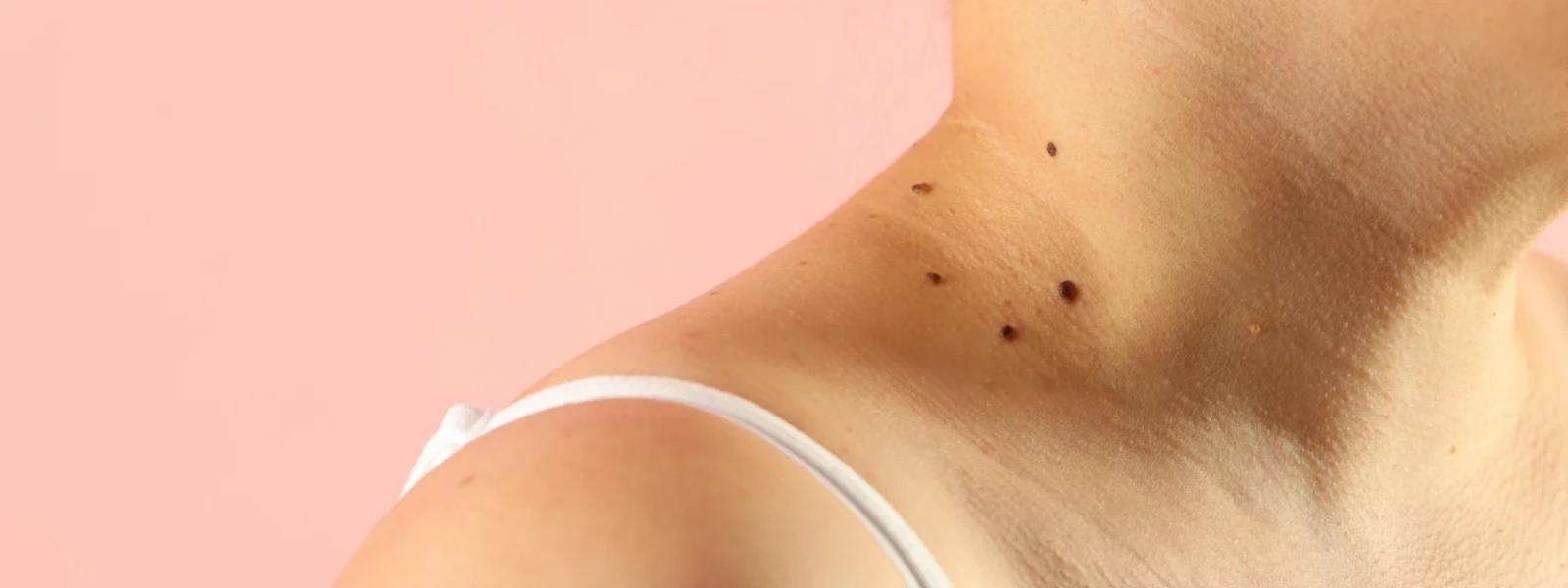

You've noticed those stubborn bumps on your back, chest, or shoulders that just won't budge. You're not alone—body acne affects millions across India, and there's something uniquely challenging about managing it in our climate and with our skin type. Whether it's the humid monsoons triggering fresh breakouts or the frustrating dark spots that linger long after the acne clears, body acne on Indian skin comes with its own set of hurdles. Let's dive into why this happens and what actually works.
Research shows that 85% of Indians aged 18-24 experience acne, with body acne being particularly persistent in our population. What makes Indian skin different isn't just genetics—it's the combination of our climate, lifestyle, and how our skin responds to inflammation.
The most significant challenge? Post-inflammatory hyperpigmentation affects nearly 60% of Indians with acne, meaning those dark spots stick around long after the actual breakout heals. This happens because Indian skin produces more melanin in response to inflammation, creating those stubborn marks that can take months to fade.
Unlike acne in other populations, adult acne persistence is remarkably common in India, with many experiencing breakouts well into their 40s. This extended timeline means finding effective, gentle solutions becomes even more crucial for long-term skin health.
Understanding why body acne happens to Indian skin requires looking at multiple factors working together. It's rarely just one thing—it's usually a perfect storm of genetics, environment, and lifestyle.
Genetic predisposition plays a significant role, but it's not destiny. If your parents dealt with acne, you're more likely to experience it, but environmental factors often determine severity and persistence. Indian populations show specific hormonal patterns that can influence sebum production and skin cell turnover.
Our tropical climate creates ideal conditions for acne development. The combination of heat and humidity increases sebum production, while frequent temperature changes between air-conditioned spaces and outdoor heat can shock the skin. During monsoon season, the sudden spike in humidity often triggers fresh breakouts, especially on areas covered by clothing.
Urban pollution adds another layer of complexity. Fine particulate matter settles on skin throughout the day, mixing with sweat and natural oils to clog pores. This is particularly problematic for body areas that aren't cleansed as frequently as the face.
Female hormonal acne often appears around the jawline, chest, and back, particularly during menstrual cycles. PCOS, which affects up to 20% of Indian women, can exacerbate body acne through elevated androgen levels.
Male-specific causes typically involve excessive sweating, especially post-workout, and the use of hair oils that transfer to the back and shoulders. The higher testosterone levels in men can also increase sebum production on the body.
Back acne is perhaps the most frustrating type of body acne because it's hard to reach and often hidden until it becomes severe. In Indian skin, back acne frequently stems from clothing friction—synthetic fabrics trap sweat and bacteria against the skin.
Hair oil application is a common culprit for back acne Indian remedies often overlook. Traditional hair oiling practices can lead to product buildup on the upper back and shoulders, especially when hair is worn long. The key isn't avoiding hair care but being mindful of application and thorough cleansing.
Chest acne in Indian skin often correlates with tight-fitting blouses, bras, or kurtas that don't allow proper air circulation. Synthetic fabrics worsen this by trapping moisture. Additionally, hair care products applied during morning routines can transfer to the chest area throughout the day.
Shoulder and arm breakouts frequently result from bag straps, especially heavy laptop bags or purses that create friction points. In India's intense sun, these areas can also develop heat rash that progresses to acne-like bumps.
Effective treatment for body acne treatment Indian skin requires a gentle but consistent approach. The goal is clearing current breakouts while preventing the hyperpigmentation that follows.
A proper Indian skin care routine for body acne starts with the right cleanser. Look for salicylic acid body washes that can penetrate oil and exfoliate dead skin cells without over-drying. Use lukewarm water—hot showers feel good but can irritate inflamed skin and trigger more oil production.
For active breakouts, benzoyl peroxide remains one of the most effective treatments, but start with lower concentrations (2.5%) to avoid irritation. Indian skin can be sensitive to higher concentrations, and irritation often leads to more pronounced dark spots.
Natural alternatives like neem and tea tree oil have genuine antimicrobial properties. Neem, in particular, has been used in Ayurveda for centuries and shows real promise in modern studies for acne management. However, always patch test first—natural doesn't automatically mean gentle.
Professional treatments like chemical peels can be highly effective for Indian skin when performed by experienced dermatologists who understand how to prevent post-inflammatory hyperpigmentation. Glycolic acid and lactic acid peels, when done correctly, can improve both active acne and existing dark spots.
Prevention is often more effective than treatment when it comes to preventing body acne Indian skin. Small changes in daily habits can make a significant difference over time.
Fabric choices matter enormously in our climate. Cotton and bamboo fabrics allow better air circulation than synthetic materials. During humid months, loose-fitting clothes reduce friction and allow sweat to evaporate rather than sitting against the skin.
Post-workout hygiene is crucial for Indian skin acne prevention. If you can't shower immediately after exercise, at least change out of sweaty clothes and use a gentle body wipe on acne-prone areas. Leaving gym clothes on for hours creates the perfect environment for bacteria to multiply.
Hair care routines need adjustment if you're prone to body acne. Apply oils and heavy conditioners away from the hairline and shoulders. Consider protective styles that keep hair products from transferring to the back and chest throughout the day.
Dietary factors, while not the primary cause, can influence inflammation levels. Some people find that reducing dairy or high-glycemic foods helps with their acne, though this varies significantly between individuals.
Indian skin isn't necessarily more prone to developing acne, but several factors make it more challenging to manage. Our tropical climate increases sebum production and bacterial growth. Additionally, Indian skin has a higher tendency to develop post-inflammatory hyperpigmentation, making acne marks more noticeable and longer-lasting. Genetic factors also play a role, with certain hormonal patterns being more common in Indian populations.
The key is gentle, consistent treatment rather than aggressive approaches. Use salicylic acid or benzoyl peroxide in low concentrations, always follow with a moisturiser, and never skip sunscreen on treated areas. Avoid picking or squeezing, which almost guarantees dark spots. Consider incorporating niacinamide into your routine, as it helps with both acne and hyperpigmentation.
Absolutely. The sudden increase in humidity during monsoon can trigger fresh breakouts, especially if your skin has adapted to drier conditions. The key is adjusting your routine—you might need to cleanse more frequently or switch to lighter, non-comedogenic moisturisers during this season. Don't stop moisturising completely, as this can actually increase oil production.
Some traditional remedies have genuine benefits backed by modern research. Neem has proven antimicrobial properties, turmeric can help with inflammation, and sandalwood has cooling properties that may soothe irritated skin. However, these work best as part of a comprehensive routine rather than standalone treatments. Always patch test, as even natural ingredients can cause reactions.
Consider professional help if over-the-counter treatments haven't shown improvement after 6-8 weeks, if you're developing cysts or nodules, or if the emotional impact is significant. Dermatologists can prescribe stronger treatments and help prevent scarring. They're also essential if you're dealing with extensive hyperpigmentation that isn't responding to gentle treatments.
While diet isn't the primary cause of acne, certain foods may influence inflammation levels in some people. High-glycemic foods and dairy are the most commonly reported triggers, though individual responses vary greatly. Rather than eliminating entire food groups, consider keeping a food diary to identify your personal triggers. Focus on anti-inflammatory foods like those rich in omega-3 fatty acids and antioxidants.
Air conditioning can dehydrate your skin, leading to increased oil production as your skin tries to compensate. The constant temperature changes between AC and outdoor heat can also stress your skin. Use a gentle, hydrating moisturiser even in air-conditioned spaces, and consider a humidifier in your bedroom if you sleep with AC on.
Managing body acne on Indian skin requires patience and a tailored approach that considers our unique climate, lifestyle, and skin characteristics. The combination of genetic predisposition, environmental factors, and the tendency for post-inflammatory hyperpigmentation means that gentle, consistent care often works better than aggressive treatments.
Remember that improvement takes time—typically 6-12 weeks for noticeable changes, and longer for dark spots to fade. The key is finding products and routines that work for your specific skin type and sticking with them. Whether you're exploring options on platforms like Smytten Shop, where you can try products before committing to full sizes, or working with a dermatologist, the goal is building a sustainable routine that prevents future breakouts while addressing current concerns.
Your skin journey is unique, and what works for others might not work for you. Be patient with the process, celebrate small improvements, and don't hesitate to seek professional help when needed. Clear, healthy skin is absolutely achievable—it just requires the right approach for your individual needs.
