Blue Light Damage Prevention FAQ: All Your Questions Answered

 30 ml
30 ml15% Vitamin C Face Serum | Brightens & Evens Skin Tone | Boosts Collagen & Firmness | Reduces Dark Spots | Vitamin C & E + Ferulic Acid | 30ml
You're scrolling through your phone at 11 PM, and suddenly you realise you've been staring at screens for nearly 12 hours straight. Your eyes feel gritty, your head's pounding, and you're wondering if all this blue light exposure is actually damaging your vision. With the average person spending over 7 hours daily looking at digital devices, concerns about blue light damage prevention have never been more relevant. From digital eye strain to sleep disruption, the effects of our screen-heavy lifestyle are becoming impossible to ignore. This comprehensive guide answers your most pressing questions about protecting yourself from blue light's potential harm.
Blue light sits on the high-energy visible (HEV) spectrum, emitting wavelengths between 380-500 nanometres. Unlike other colours, blue light penetrates deeper into your eye, reaching the retina with more intensity. The sun naturally produces blue light during daylight hours, which actually helps regulate your circadian rhythm and keeps you alert.
However, artificial blue light from screens operates differently. Your smartphone emits roughly 40-50% less blue light than direct sunlight, but the proximity and duration of exposure create unique challenges. When you hold your phone 30cm from your face for hours, your eyes work harder to process this concentrated light source.
Natural blue light protection comes from blinking, looking away, and the sun's changing intensity throughout the day. Artificial sources don't offer these natural breaks. LED screens, fluorescent lighting, and digital displays all emit varying levels of blue light, with newer devices often producing higher concentrations.
The intensity matters less than the cumulative exposure. Your laptop might emit less blue light than your phone, but if you're using both simultaneously for work, the combined effect increases your daily dose significantly.
Research shows that blue light damage prevention isn't about complete avoidance—it's about managing exposure intelligently. Current studies haven't definitively proven that typical screen use causes permanent retinal damage in healthy adults. However, the immediate effects like eye fatigue and sleep disruption are well-documented.
The key lies in understanding that your eyes aren't designed for prolonged close-up focus on bright screens. This creates strain regardless of the light spectrum, but blue light can amplify the discomfort.
Effective digital eye strain relief starts with simple, evidence-based techniques that you can implement immediately. The goal isn't to eliminate blue light entirely but to reduce the cumulative stress on your visual system.
Your eyes need regular breaks from focused screen work, proper hydration, and environmental adjustments to function optimally during extended digital sessions.
Every 20 minutes, look at something 20 feet away for at least 20 seconds. This simple technique helps your eye muscles relax and refocus. Set phone reminders initially until it becomes automatic. For even better eye fatigue relief, try the 30-30-30 variation: every 30 minutes, look 30 feet away for 30 seconds whilst blinking deliberately.
 30 ml
30 mlDark Spot Serum For Pigmentation | With Niacinamide, Alpha Arbutin & MelaMe Complex | Fades Melasma & Acne Marks | For Oily & Dry Skin | 30ml
Blue light glasses filter 15-50% of blue light depending on the lens coating. Studies show mixed results for eye strain relief, but many users report improved comfort during long screen sessions. The placebo effect might contribute to their perceived effectiveness, but if they encourage better screen habits, they're still valuable.
Consider them if you experience significant discomfort during screen work, but don't expect them to solve poor ergonomics or excessive screen time.
Adjust your screen brightness to match your surroundings—it shouldn't be the brightest or darkest object in your field of view. Enable night mode after sunset to reduce blue light emission. Position screens slightly below eye level and maintain arm's length distance to reduce computer vision syndrome symptoms.
Your skin faces blue light exposure from both screens and environmental sources daily. While research is still emerging, some studies suggest that prolonged HEV light exposure might contribute to premature ageing and pigmentation changes, particularly in melanin-rich skin.
The beauty and technology intersection has sparked interest in protective skincare formulations designed specifically for our digital lifestyle.
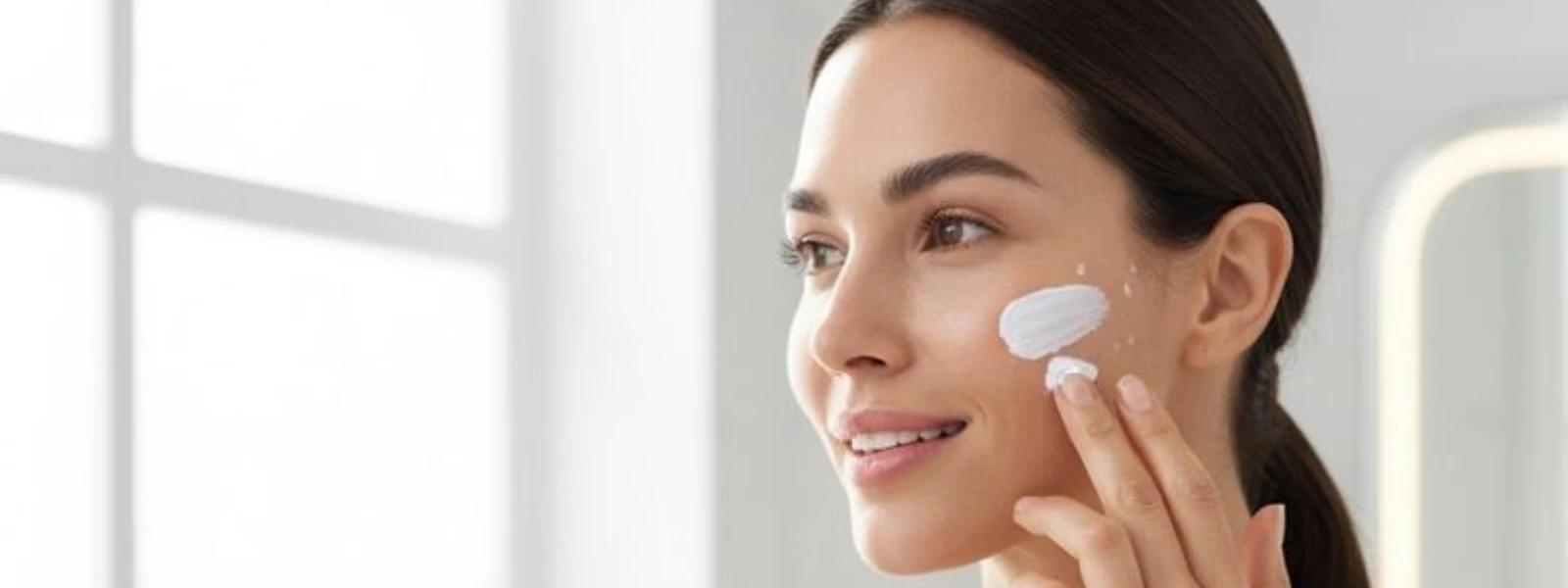
Skincare for blue light protection focuses on antioxidant-rich formulations that neutralise free radicals potentially generated by HEV exposure. Ingredients like vitamin C, niacinamide, and zinc oxide create a protective barrier whilst supporting your skin's natural repair processes.
Blue light penetrates deeper than UV-A rays, potentially affecting collagen production and cellular repair mechanisms. However, the concentrations from typical screen use are significantly lower than environmental sources.
Anti-blue light serum formulations often contain iron oxides, antioxidants, and peptides that support skin resilience. Look for products with lutein, astaxanthin, or specialised mineral filters that reflect HEV light whilst providing additional skincare benefits.
Incorporate these products into your morning routine, especially if you spend significant time near windows or under LED lighting throughout the day.
Blue light exposure in the evening suppresses melatonin production, making it harder to fall asleep naturally. Your brain interprets blue light as daylight, keeping you alert when you should be winding down.
The screen time effects on sleep quality extend beyond just falling asleep—they can also affect sleep depth and morning alertness.
 30 ml
30 ml2% Kojic Acid Serum | Dark Spot & Pigmentation Care | Alpha Arbutin + Niacinamide | Even-Tone Formula | For All Skin Types | 30ml
The melatonin and blue light relationship is well-established: exposure to blue light within 2-3 hours of bedtime can delay melatonin release by up to 90 minutes. This doesn't just affect when you fall asleep—it shifts your entire circadian rhythm, making morning wake-ups more difficult.
Even brief blue light exposure during the night can disrupt sleep cycles, so consider red-light alternatives for late-night navigation.
Implement a digital sunset: reduce screen brightness and enable night mode 2-3 hours before bed. Use warm lighting in your bedroom and consider blue light blocking glasses for essential evening screen use. Create a charging station outside your bedroom to avoid late-night scrolling temptation.
While most blue light damage prevention strategies can be implemented at home, certain symptoms warrant professional attention. Understanding when to seek help ensures you address underlying issues rather than masking symptoms.
Professional eye care providers can assess your individual risk factors and recommend personalised protection strategies based on your specific needs and lifestyle.
Consult an optometrist if you experience persistent headaches, vision changes, or eye pain that doesn't improve with basic screen hygiene. They can rule out underlying conditions and provide prescription solutions if needed. Regular eye exams become more important as screen time increases, especially after age 40.
Free solutions include adjusting device settings, improving workspace ergonomics, and establishing screen time boundaries. Many devices now include built-in blue light filters and automatic brightness adjustment. Focus on sustainable habits rather than expensive gadgets for long-term blue light damage prevention.
Current research hasn't established that typical screen use causes permanent retinal damage in healthy adults. However, excessive blue light exposure can contribute to digital eye strain, sleep disruption, and discomfort. The key is managing exposure rather than complete avoidance.
 50 g
50 gCeramide Moisturizer for Pigmentation | Reduces Hyperpigmentation & Fades Spots | Targets Blemishes & Uneven Tone | For All Skin Types | 50g
There's no official limit, but symptoms of eye fatigue typically appear after 2-4 hours of continuous screen use. Focus on taking regular breaks and adjusting your environment rather than strict time limits. Quality of screen time matters more than quantity.
Blue light glasses provide modest filtering but aren't a cure-all solution. They may help some people feel more comfortable during screen work, but proper ergonomics and screen habits are more important for preventing computer vision syndrome.
Phone screens emit similar blue light levels but are typically held closer to your face, creating more intense exposure. The proximity and duration matter more than the device type. Tablets and laptops used at proper distances may be less straining.
Most digital eye strain symptoms are temporary and improve with proper screen hygiene and rest. However, if you're experiencing persistent issues, it's important to rule out other underlying conditions with professional eye care.
Ideally, reduce screen use 2-3 hours before bedtime to minimise melatonin disruption. If you must use devices, enable night mode and reduce brightness significantly. The timing depends on your individual sensitivity and sleep schedule.
Foods rich in lutein and zeaxanthin, like leafy greens and eggs, support overall eye health. However, dietary changes alone won't prevent screen time effects. Combine good nutrition with proper screen habits for comprehensive protection.
Children's eyes are more sensitive to blue light, and their developing circadian rhythms are more easily disrupted. Establish screen time limits, ensure proper lighting, and model good digital habits. Consider professional guidance for heavy screen users.
Blue light damage prevention isn't about avoiding technology—it's about using it mindfully. The most effective protection combines simple techniques: regular breaks, proper ergonomics, environmental adjustments, and healthy sleep habits. While blue light glasses and specialised skincare might provide additional comfort, they can't replace good screen hygiene.
Focus on sustainable changes that fit your lifestyle rather than expensive solutions that you won't maintain long-term. Your eyes and overall wellbeing will benefit more from consistent, evidence-based practices than from any single product or technique. Remember, the goal is comfortable, sustainable technology use that supports rather than compromises your health.
