Alpha Arbutin FAQ: Fade Hyperpigmentation Naturally & Fast


Asaya Dark Spot Reduction Set | 3-Step Routine for Hyperpigmentation & Even Skin Tone | Cleanser, Serum & Moisturizer | Skin Care Routine Kit
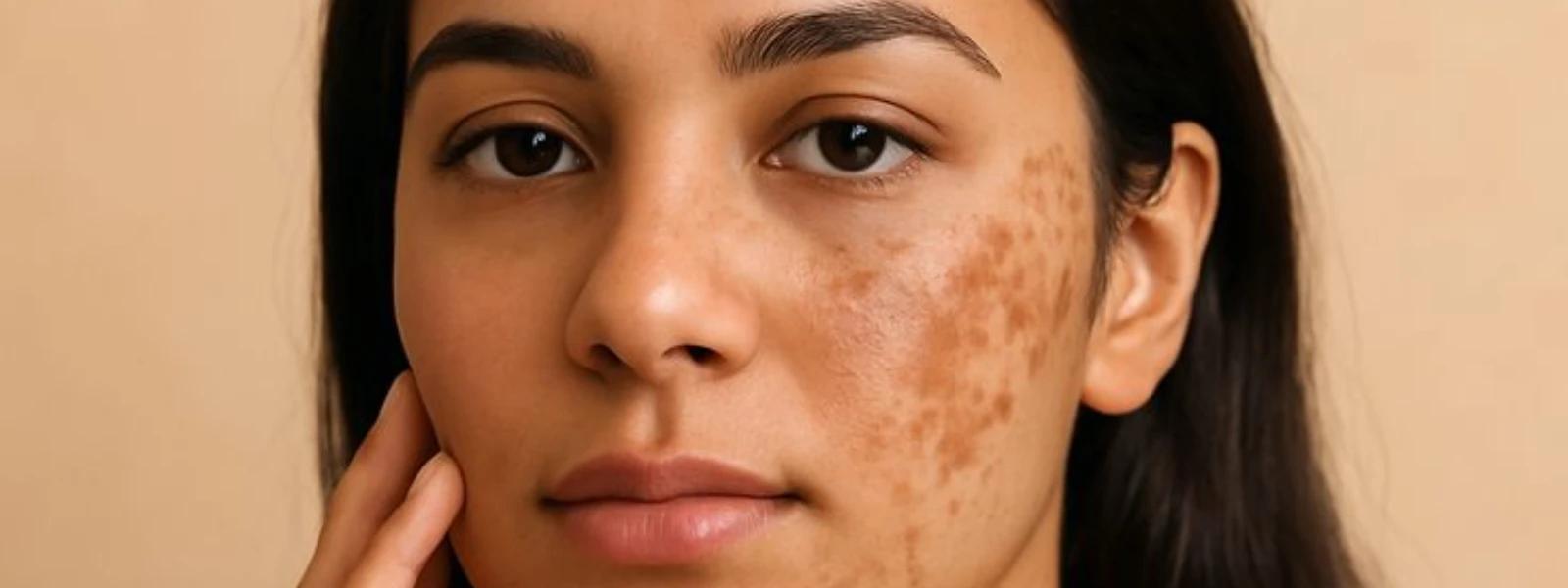
Ever stared at those stubborn dark spots in the mirror, wondering if they'll ever fade? You're not alone. Hyperpigmentation affects millions, leaving many searching for gentle yet effective solutions. While alpha arbutin has gained popularity as a natural skin brightener, understanding how to maximise its potential—and knowing your alternatives—can make all the difference in your journey to clearer, more even-toned skin.
Alpha arbutin is a naturally occurring compound derived from the bearberry plant, though it's often synthesised for skincare use. Think of it as nature's gentle answer to harsh chemical lighteners—it works by inhibiting tyrosinase, the enzyme responsible for melanin production.
Unlike its cousin beta arbutin, alpha arbutin is more stable and potent, making it a preferred choice for hyperpigmentation treatment. The beauty lies in its mechanism: rather than stripping away existing pigment aggressively, it gradually slows down the production of new melanin, allowing your skin's natural renewal process to reveal brighter, more even-toned skin over time.
Research shows that alpha arbutin can reduce melanin synthesis by up to 68% when used consistently. What makes it particularly appealing is its safety profile—unlike hydroquinone, which can cause irritation and rebound hyperpigmentation, alpha arbutin offers a gentler approach to achieving similar results.
Ready to supercharge your alpha arbutin routine? These evidence-based methods can help you see results faster whilst keeping your approach completely natural.
Pairing alpha arbutin with vitamin C creates a powerful duo for skin brightening. Apply vitamin C in the morning and alpha arbutin in the evening, or look for formulations that combine both ingredients. This combination not only enhances absorption but also provides antioxidant protection against future damage.
Niacinamide works beautifully alongside alpha arbutin to reduce skin discoloration. This vitamin B3 derivative helps regulate oil production whilst supporting the skin barrier, creating optimal conditions for alpha arbutin to work effectively. Apply niacinamide first, followed by alpha arbutin.
Incorporating AHAs or BHAs into your routine 2-3 times weekly can accelerate cell turnover, helping alpha arbutin penetrate deeper and work more efficiently. Start with lower concentrations to avoid irritation—your skin needs to be healthy to respond well to treatment.
Consistency trumps intensity every time. Apply alpha arbutin twice daily on clean skin, allowing it to absorb fully before layering other products. Most people see initial results within 4-6 weeks of consistent use.

Asaya Rapid Dark Spot Correction Set | Reduces Dark Spots & Post-Acne Marks | Cleanser, Gel, Moisturizer & Sunscreen Kit
This cannot be overstated: SPF is non-negotiable when treating hyperpigmentation. Even the best natural skin brighteners will fail without proper sun protection. Use broad-spectrum SPF 30 or higher daily, reapplying every two hours when outdoors.
Well-hydrated skin responds better to active ingredients. Use a gentle, hydrating moisturiser containing ceramides or hyaluronic acid to maintain your skin barrier whilst treating hyperpigmentation.
Your skin reflects your overall health. Adequate sleep, stress management, and a diet rich in antioxidants all support your skin's natural repair processes, making your hyperpigmentation treatment more effective.
Whilst alpha arbutin is excellent, it's not your only option for achieving brighter, more even-toned skin. These natural remedies for hyperpigmentation offer different mechanisms of action and can be used alongside or instead of alpha arbutin.
Derived from fungi used in sake production, kojic acid is another tyrosinase inhibitor that works similarly to alpha arbutin. It's particularly effective for melasma and age spots, though it can be more irritating for sensitive skin types.
Licorice root extract contains glabridin, which helps fade dark spots naturally whilst providing anti-inflammatory benefits. It's gentler than many alternatives, making it suitable for sensitive skin or those just starting their brightening journey.
From L-ascorbic acid to magnesium ascorbyl phosphate, vitamin C derivatives offer varying levels of potency and stability. They work by inhibiting melanin production whilst providing antioxidant protection—a true multitasker for uneven skin tone correction.
Azelaic acid is particularly effective for post-inflammatory hyperpigmentation from acne. It gently exfoliates whilst reducing melanin production, making it an excellent choice for those dealing with both active breakouts and resulting dark spots.

Asaya Dark Spot Serum For Pigmentation | With Niacinamide & Alpha Arbutin | Fades Melasma & Acne Marks | For Oily & Dry Skin | Pack of 2 | 30ml
Creating an effective routine for hyperpigmentation treatment requires strategic layering and timing. Here's a comprehensive protocol that maximises results whilst maintaining skin health.
Start with a gentle cleanser, followed by vitamin C serum on clean skin. Allow it to absorb for 10-15 minutes before applying niacinamide if using. Follow with a hydrating moisturiser and finish with broad-spectrum SPF. This routine protects against further damage whilst supporting your evening treatment.
Double cleanse to remove sunscreen and daily buildup. Apply alpha arbutin to clean, dry skin, focusing on areas of concern. Wait 10-15 minutes before layering a nourishing moisturiser. On exfoliation nights, apply your AHA or BHA first, wait 20 minutes, then proceed with alpha arbutin.
Incorporate gentle exfoliation 2-3 times weekly, and consider adding a brightening mask once weekly. Assess your progress monthly—take photos in consistent lighting to track improvements objectively. Adjust frequency or concentration based on your skin's response.
Even with the best intentions, certain mistakes can sabotage your skin brightening efforts. Avoiding these pitfalls will help you achieve results faster and more safely.
More isn't always better with active ingredients. Using too much alpha arbutin or applying it too frequently can irritate your skin, potentially worsening hyperpigmentation. Start with once daily application and gradually increase if your skin tolerates it well.
The order matters when layering skincare products. Apply products from thinnest to thickest consistency, and always allow adequate absorption time between layers. Mixing certain ingredients incorrectly can reduce their efficacy or cause irritation.
This bears repeating: without proper SPF, even the most effective natural skin brighteners will fail. UV exposure not only creates new pigmentation but can also darken existing spots, undoing weeks of progress.

Asaya Dark Spot Serum For Pigmentation | With Niacinamide, Alpha Arbutin & MelaMe Complex | Fades Melasma & Acne Marks | For Oily & Dry Skin | 30ml
Most people notice initial improvements within 4-6 weeks of consistent use, with significant results typically visible after 8-12 weeks. Natural ways to fade alpha arbutin fast require patience—whilst the process is gentler than harsh chemicals, it takes time for your skin's natural renewal cycle to reveal brighter, more even-toned skin.
Yes, alpha arbutin pairs beautifully with vitamin C, niacinamide, and gentle exfoliants. However, introduce new ingredients gradually and always patch test first. Some combinations, like alpha arbutin with retinol, should be used on alternating nights to prevent irritation.
Natural skin brighteners like alpha arbutin work more gradually but with fewer side effects compared to synthetic alternatives like hydroquinone. They're generally safer for long-term use and less likely to cause rebound hyperpigmentation when discontinued.
While generally well-tolerated, some people may experience mild irritation, especially when starting treatment. Always patch test new products and introduce them gradually. If you experience persistent redness, burning, or worsening pigmentation, discontinue use and consult a dermatologist.
Start with concentrations between 1-2% for daily use. Higher concentrations (up to 5%) are available but should be introduced gradually. Your skin type, sensitivity level, and the severity of hyperpigmentation will influence the ideal concentration for you.
Alpha arbutin is generally considered safe during pregnancy, unlike hydroquinone which should be avoided. However, always consult your healthcare provider before starting any new skincare routine during pregnancy or breastfeeding.
Foods rich in vitamin C (citrus fruits, berries), vitamin E (nuts, seeds), and antioxidants (green tea, dark leafy greens) support your skin's natural repair processes. Staying hydrated and maintaining a balanced diet enhances the effectiveness of topical treatments.
Achieving brighter, more even-toned skin through natural ways to fade alpha arbutin fast requires patience, consistency, and the right approach. Remember that hyperpigmentation treatment is a journey, not a destination—your skin's unique characteristics will influence how quickly you see results.
The beauty of natural approaches lies in their gentleness and sustainability. Whether you choose alpha arbutin, explore arbutin alternatives, or combine multiple natural skin brighteners, the key is finding what works for your skin and sticking with it.
For those looking to explore premium formulations and discover new brands, platforms like Smytten Shop offer curated selections from trusted names in skincare. With access to samples and exclusive deals, you can find the perfect products for your hyperpigmentation treatment journey without the guesswork. Your skin deserves the best care, and with the right knowledge and products, achieving that healthy, radiant glow is entirely within reach.
