Acne Marks Treatment Causes FAQ: Understanding Skin Discoloration


Advanced Spot Targeting Gel | Fast-Acting Discolouration Care | Targets Stubborn Marks | Spicules + Biomimetic Peptides + Arbutin | 15g
You've been dealing with breakouts for months, and just when you think your skin is finally clearing up, you're left with dark spots and marks that seem to linger forever. Sound familiar? Acne marks and post acne marks are often more frustrating than the original blemishes themselves, leaving many wondering about effective acne marks treatment causes and solutions. Understanding why these marks form and how to address them properly is the first step towards achieving the clear, even-toned skin you're after.
Before diving into treatment options, it's crucial to understand what you're actually dealing with. Acne marks and acne scars are two different concerns that require different approaches, though many people use these terms interchangeably.
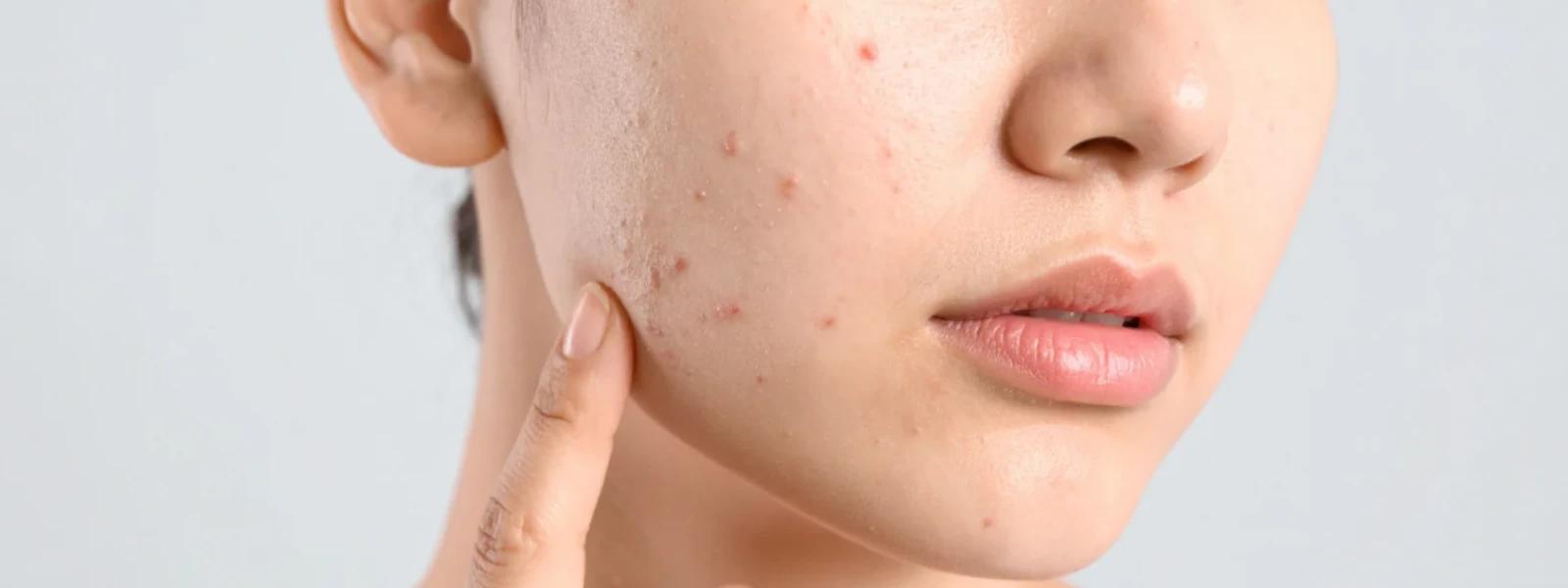
Acne marks are flat, discoloured areas that remain after a blemish heals. These appear as either red or dark spots and are caused by inflammation during the healing process. Acne scars, on the other hand, involve actual changes to your skin's texture - they can be depressed (atrophic) or raised (hypertrophic).
The formation process begins when your skin experiences inflammation from acne. During a breakout, your immune system sends white blood cells to fight the bacteria, causing swelling and redness. This inflammatory response can trigger your melanocytes (pigment-producing cells) to produce excess melanin, particularly in those with darker skin tones. This process, called post-inflammatory hyperpigmentation (PIH), is one of the primary causes of acne scars and marks.
The timeline varies significantly from person to person. Some may notice skin discoloration after acne within days of a blemish healing, whilst others might see marks develop weeks later. Factors like skin tone, genetics, and the severity of the original breakout all influence how quickly and intensely these marks form.
Identifying your specific type of scarring or marking is essential for choosing the right treatment approach. Each type responds differently to various therapies, so understanding what you're dealing with can save you time, money, and frustration.
These are the most common types of acne scars, characterised by depressions in the skin where tissue has been lost. They form when there isn't enough collagen produced during the healing process.
Ice pick scars: Deep, narrow scars that extend into the dermis, resembling small puncture wounds
Rolling scars: Broad depressions with sloping edges that create a wave-like appearance
Boxcar scars: Broad, rectangular depressions with sharply defined edges
These raised scars occur when too much collagen is produced during healing. They're more common in people with darker skin tones and typically appear on the chest, back, and jawline.
Red acne marks (post-inflammatory erythema) appear as pink or red flat spots where blood vessels have dilated during inflammation. Dark acne marks (post-inflammatory hyperpigmentation) show up as brown, black, or grey spots, particularly common in those with medium to dark skin tones.
Understanding the causes of acne scars helps explain why some people develop them whilst others with similar acne don't. The primary culprit is inflammation - the more severe and prolonged the inflammation, the higher the risk of scarring.
When acne develops deep within your pores, it can cause the pore wall to break down. If the rupture is small, the blemish usually heals quickly with minimal marking. However, when the break is large, infected material can spill into surrounding tissue, creating deeper inflammation and increasing the likelihood of scarring.
Genetic predisposition plays a significant role. If your parents or siblings have acne scars, you're more likely to develop them too. Your skin's natural healing response, collagen production capacity, and inflammatory response are all influenced by genetics.

Dark Spot Reduction Set | 3-Step Routine for Hyperpigmentation & Even Skin Tone | Cleanser, Serum & Moisturizer | Skin Care Routine Kit
Picking, squeezing, or aggressively treating active acne significantly increases scarring risk. This mechanical trauma can push infected material deeper into the skin and cause additional tissue damage. Hormonal fluctuations, particularly during puberty, menstruation, or pregnancy, can also influence both acne severity and healing response.
Environmental factors like sun exposure can worsen existing marks and slow the healing process. UV radiation can darken post acne marks and make them more persistent, which is why sun protection is crucial during and after acne treatment.
When dealing with hyperpigmentation treatment, patience and consistency are key. Dark marks from acne can take anywhere from three months to two years to fade naturally, but targeted treatments can significantly speed up this process.
Vitamin C serums are excellent for addressing skin discoloration after acne. This antioxidant helps inhibit melanin production whilst promoting collagen synthesis. Look for stable forms like magnesium ascorbyl phosphate or sodium ascorbyl phosphate, which are less likely to irritate sensitive post-acne skin.
Retinoids remain the gold standard for treating both acne and its aftermath. They accelerate cell turnover, helping to shed pigmented cells more quickly whilst preventing new breakouts. Start with a lower concentration retinol product and gradually increase strength as your skin adapts.
Niacinamide is particularly effective for Indian skin tones, as it helps regulate melanin transfer without causing irritation. This ingredient also has anti-inflammatory properties that can prevent new marks from forming during active breakouts.
Alpha hydroxy acids (AHAs) like glycolic acid and lactic acid help exfoliate the skin's surface, removing pigmented cells and revealing brighter skin underneath. These are particularly effective when combined with other brightening ingredients.
For faster and more dramatic results, professional treatments can be worth the investment. Chemical peels using glycolic acid, salicylic acid, or trichloroacetic acid (TCA) can significantly improve pigmentation in just a few sessions.
Microneedling stimulates collagen production whilst creating micro-channels that allow topical treatments to penetrate deeper. This treatment is particularly effective for both textural scarring and pigmentation issues.
The best treatment for acne scars depends entirely on your specific scar type, skin tone, budget, and downtime tolerance. What works brilliantly for ice pick scars might be ineffective for rolling scars, which is why professional consultation is often valuable.
Fractional laser resurfacing is considered the gold standard for acne scar removal. This treatment creates controlled micro-injuries that stimulate collagen production and skin remodelling. Different laser types target various scar depths and skin tones.
Microneedling with radiofrequency combines the collagen-stimulating effects of needling with the skin-tightening benefits of radiofrequency energy. This treatment is particularly effective for rolling scars and is suitable for all skin tones.
For deep ice pick scars, punch excision or punch elevation techniques can provide dramatic improvement. These minor surgical procedures remove or reposition scar tissue before treating the area with resurfacing techniques.
Dermal fillers offer immediate improvement for certain types of atrophic scars by literally filling in the depression. Whilst results are temporary (lasting 6-18 months), they can provide confidence whilst pursuing longer-term treatments.

Rapid Dark Spot Correction Set | Reduces Dark Spots & Post-Acne Marks | Cleanser, Gel, Moisturizer & Sunscreen Kit
Consistent at-home care forms the foundation of any effective acne scar treatment plan. Building a routine around proven ingredients can provide gradual but significant improvement over time.
A comprehensive routine might include a gentle cleanser, a retinoid product (used gradually), a vitamin C serum for morning use, and a broad-spectrum SPF. Evening treatments could incorporate AHAs or BHAs for exfoliation, always followed by a hydrating moisturiser.
The key is consistency rather than aggressive treatment. Many people make the mistake of using too many active ingredients too quickly, which can cause irritation and actually worsen pigmentation issues.
Whilst professional treatments offer the fastest results, there are evidence-based approaches for those wondering how to fade acne scars using gentler methods. Natural doesn't always mean ineffective, but it does require realistic expectations about timelines.
Rosehip oil contains natural retinoids and vitamin C, making it beneficial for both pigmentation and mild textural issues. Apply a few drops to clean skin before your moisturiser, focusing on affected areas.
Green tea extract has anti-inflammatory properties that can help prevent new marks from forming whilst providing antioxidant protection. Look for products containing at least 10% green tea extract or brew strong green tea to use as a toner.
However, it's important to understand the limitations of natural treatments. Whilst they can help with mild pigmentation and provide supportive care, significant textural scarring typically requires professional intervention for meaningful improvement.
Sun protection cannot be overstated in its importance. UV exposure can darken existing marks and slow the healing process significantly. Use a broad-spectrum SPF 30 or higher daily, regardless of weather or season.
Proper hydration and nutrition support your skin's natural healing processes. Foods rich in vitamin C, zinc, and omega-3 fatty acids can help optimise collagen production and reduce inflammation.
Quality sleep is when your skin does most of its repair work. Aim for 7-9 hours nightly and consider using a silk pillowcase to reduce friction against healing skin.
The most effective approach to dealing with acne scars is preventing them from forming in the first place. Early intervention during active breakouts can significantly reduce the risk of long-term marking and scarring.
Treat acne promptly and appropriately rather than hoping it will resolve on its own. The longer inflammation persists, the higher the risk of permanent damage. This might mean consulting a dermatologist for persistent or severe acne rather than relying solely on over-the-counter products.
Resist the urge to pick, squeeze, or aggressively treat active blemishes. If you must extract a blemish, do so safely with clean tools and proper technique, or better yet, leave it to professionals.
During active breakouts, use gentle, non-comedogenic products that won't further irritate inflamed skin. Harsh scrubs or aggressive treatments can worsen inflammation and increase scarring risk.

Target & Fade Duo for Hyperpigmentation | Even-Tone Underarms, Inner Thighs & Bum | Refines Skin Texture | For All Skin Types
Acne scars form when inflammation from acne blemishes damages the skin's deeper layers. The acne pore swells, causing breakdown in the pore wall, and when contents spill into surrounding tissue, deeper scarring occurs. The severity depends on the depth of inflammation, your skin's healing response, and genetic factors.
Complete acne scar removal isn't always achievable, but combining treatments like laser therapy, microneedling, and professional peels can significantly reduce visibility by 70-90%, depending on scar type and severity. The goal is usually significant improvement rather than complete elimination.
Acne marks can be treated through topical treatments like retinoids and vitamin C, professional procedures such as chemical peels and laser therapy, and consistent skincare routines with sun protection. The approach depends on whether you're dealing with pigmentation or textural scarring.
Permanent acne scars result from significant collagen damage during the inflammatory healing process, particularly when acne is severe, picked at, or left untreated. The skin's inability to regenerate normal tissue structure leads to permanent textural changes.
Post-inflammatory hyperpigmentation typically fades in 3-24 months, whilst red marks may resolve in 2-6 months. Actual scars involving textural changes rarely improve significantly without professional treatment. Darker skin tones often experience longer fading times.
Avoid harsh scrubs, high concentrations of acids when starting treatment, and products containing alcohol or fragrances that might irritate healing skin. Also avoid mixing certain actives like retinoids with AHAs initially, as this can cause excessive irritation.
Acne scars themselves don't typically worsen, but sun exposure can darken pigmented marks and make them more noticeable. Additionally, natural ageing processes can make textural scarring more apparent as skin loses elasticity and volume.
Not necessarily. Whilst professional treatments often provide faster results, consistent use of proven ingredients like retinoids and vitamin C can be highly effective over time. The key is choosing treatments appropriate for your specific scar type and skin concerns.
Understanding acne marks treatment causes is the foundation for developing an effective treatment strategy. Whether you're dealing with red acne marks, dark pigmentation, or textural scarring, the key is patience, consistency, and choosing appropriate treatments for your specific concerns.
Remember that healing takes time, and what works for one person might not work for another. Your skin tone, scar type, and individual healing response all influence treatment outcomes. Don't be discouraged if you don't see immediate results - most effective treatments require several months of consistent use to show significant improvement.
For those exploring treatment options, platforms like Smytten Shop offer access to premium skincare brands with proven ingredients for addressing post acne marks and scarring. With over 28 million users discovering effective products through sample programmes, you can try treatments before committing to full sizes, ensuring you find what works for your unique skin needs.
Your journey to clearer, more even-toned skin is entirely achievable with the right knowledge and approach. Focus on prevention, be patient with treatment timelines, and don't hesitate to seek professional guidance when needed. Your skin has an remarkable ability to heal and regenerate - sometimes it just needs the right support to do so effectively.
