9 Ways to Fade Skin & Brighten Skin Naturally
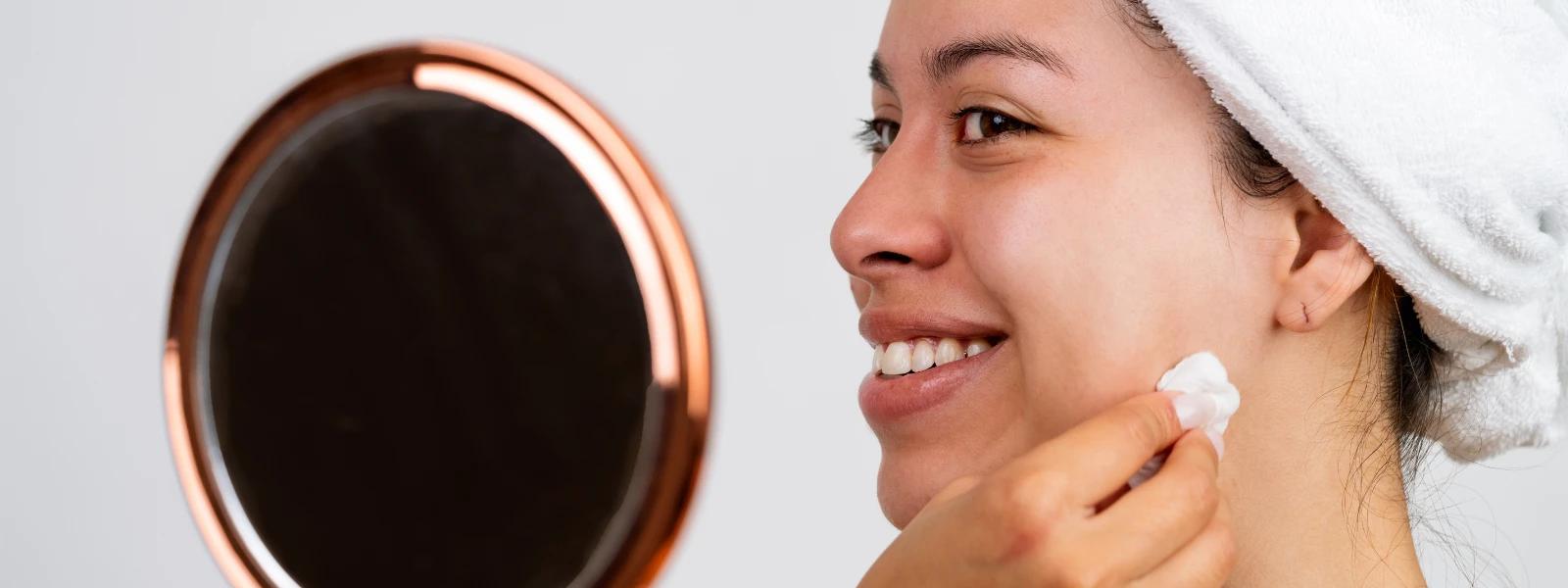

That stubborn dark spot from last summer's breakout. The melasma patches that appeared during pregnancy. The age spots your mum warned you about. If you're dealing with uneven skin tone or hyperpigmentation, you're definitely not alone. Nearly 90% of adults experience some form of skin discoloration by age 50, but the good news? You don't need harsh chemicals or expensive treatments to see real improvement. Natural methods can be surprisingly effective at helping to fade dark spots and restore your skin's natural radiance when used consistently and safely.
Before diving into solutions, it's worth understanding what's actually happening beneath the surface. Skin pigmentation occurs when melanin production goes into overdrive, creating those darker patches we're keen to address.
Sun exposure remains the biggest culprit behind age spot formation and general skin discoloration. Those UV rays don't just cause immediate damage—they create a pigmentation memory that can surface years later. Hormonal shifts, particularly during pregnancy or when starting new contraception, often trigger melasma—those symmetrical brown patches that appear on the cheeks and forehead. Post-inflammatory hyperpigmentation is another common concern, especially after acne breakouts or any skin injury that causes inflammation.
Not all dark spots are created equal, and understanding what you're dealing with helps determine the most effective approach. Age spots tend to be well-defined and respond well to gentle exfoliation and vitamin C. Melasma requires more patience and often benefits from combination approaches. Post-acne marks, technically post-inflammatory hyperpigmentation, usually fade naturally over time but can be encouraged along with the right ingredients.
Ready to explore gentle, effective methods that work with your skin rather than against it? These natural approaches focus on supporting your skin's natural renewal process whilst providing targeted ingredients that may help reduce the appearance of dark spots over time.

Target & Fade Duo for Hyperpigmentation | Even-Tone Underarms, Inner Thighs & Bum | Refines Skin Texture | For All Skin Types
 15 G
15 GAdvanced Spot Targeting Gel | Fast-Acting Discolouration Care | Targets Stubborn Marks | Spicules + Biomimetic Peptides + Arbutin | 15g
This antioxidant superstar works on multiple levels to address hyperpigmentation. Vitamin C helps inhibit melanin production whilst protecting against further UV damage. Look for serums with stable vitamin C forms like magnesium ascorbyl phosphate, or try natural sources like rosehip oil, which contains natural vitamin C alongside other skin-supporting nutrients. Apply in the morning under SPF for maximum benefit.
Alpha hydroxy acids like lactic acid and glycolic acid help speed up cell turnover, gradually revealing brighter skin underneath. Lactic acid, derived from fermented milk, tends to be gentler than glycolic acid, making it suitable for sensitive skin. Start with products containing 5-10% AHA concentration, using them 2-3 times weekly in the evening. Always follow with SPF the next day, as AHAs can increase photosensitivity.
Traditional Asian skincare has long celebrated rice water for its skin lightening properties. Rice contains kojic acid naturally, along with vitamins and minerals that support skin health. Create a simple rice water toner by soaking rice in water for 30 minutes, straining, and applying the liquid to clean skin. This gentle approach provides mild brightening effects without irritation.
Licorice root extract contains glabridin, which helps inhibit tyrosinase—the enzyme responsible for melanin production. This makes it particularly effective for addressing melasma and other forms of hormonal pigmentation. Look for serums or creams containing licorice root extract, or create a gentle DIY treatment by steeping licorice root tea and applying the cooled liquid as a toner.
This golden spice contains curcumin, which has both anti-inflammatory and potential skin lightening properties. Mix a pinch of turmeric with raw honey to create a gentle mask that may help with scar fading whilst soothing irritated skin. Use sparingly—turmeric can temporarily stain fair skin yellow, so always patch test first and rinse thoroughly.

Dark Spot Reduction Set | 3-Step Routine for Hyperpigmentation & Even Skin Tone | Cleanser, Serum & Moisturizer | Skin Care Routine Kit
 30 ml
30 mlDark Spot Serum For Pigmentation | With Niacinamide, Alpha Arbutin & MelaMe Complex | Fades Melasma & Acne Marks | For Oily & Dry Skin | 30ml
Both ingredients offer soothing properties whilst providing gentle brightening effects. Aloe contains aloesin, which may help inhibit melanin production, whilst green tea provides antioxidants that protect against further damage. Mix fresh aloe gel with cooled green tea for a refreshing treatment that's suitable for daily use, particularly after sun exposure.
Also known as vitamin B3, niacinamide helps regulate melanin transfer whilst strengthening the skin barrier. It's particularly effective for addressing post-acne marks and general uneven skin tone. Unlike some brightening ingredients, niacinamide is well-tolerated by most skin types and can be used morning and evening. Look for concentrations between 5-10% for optimal results.
Papaya and pineapple contain natural enzymes that gently dissolve dead skin cells, revealing brighter skin underneath. Create a gentle enzyme mask by mashing fresh papaya or pineapple and leaving on skin for 10-15 minutes. This approach provides exfoliation without the potential irritation of physical scrubs, making it suitable for sensitive skin dealing with hyperpigmentation.
Prevention truly is the best medicine when it comes to skin discoloration. Daily SPF 30 or higher prevents further darkening of existing spots whilst protecting against new damage. Look for mineral sunscreens containing zinc oxide or titanium dioxide, which provide broad-spectrum protection without potentially irritating chemical filters. Reapply every two hours, especially during peak sun hours.
Consistency matters more than perfection when it comes to natural hyperpigmentation treatment. The key is creating a sustainable routine that you can maintain long-term, as natural methods require patience to show results.
Some ingredients work better at specific times of day. Vitamin C and SPF are morning essentials, providing antioxidant protection and preventing further damage. Evening is ideal for AHAs, retinoids, and other potentially photosensitising ingredients. Niacinamide and aloe vera are gentle enough for twice-daily use if your skin tolerates them well.
Natural methods typically require 8-12 weeks of consistent use before you notice significant changes in skin pigmentation. Surface-level discoloration may improve sooner, whilst deeper pigmentation takes longer to address. Take progress photos in consistent lighting to track subtle improvements that might not be immediately obvious day-to-day.
Whilst natural approaches can be remarkably effective, it's important to have realistic expectations about what they can achieve. Deep melasma or severe age spots may require professional intervention for significant improvement.
If you've been consistent with natural methods for 3-4 months without seeing improvement, or if your pigmentation is affecting your confidence significantly, consider consulting a dermatologist. Professional treatments like chemical peels, laser therapy, or prescription retinoids can provide more dramatic results for stubborn hyperpigmentation.
Natural doesn't automatically mean gentle, so patch testing remains crucial when trying new ingredients. Apply a small amount to your inner wrist or behind your ear, waiting 24-48 hours to check for any adverse reactions.
Darker skin tones can be more prone to post-inflammatory hyperpigmentation, making gentle approaches particularly important. Avoid over-exfoliation or harsh treatments that might trigger additional pigmentation. Start with the mildest methods and gradually introduce stronger ingredients if needed.
Most people begin noticing subtle improvements after 6-8 weeks of consistent use, with more significant changes becoming apparent after 3-4 months. The timeline varies depending on the type and depth of pigmentation, your skin's natural renewal rate, and the specific methods you're using.
Natural approaches can significantly lighten many types of hyperpigmentation, particularly surface-level discoloration and post-acne marks. However, very deep pigmentation or extensive melasma may only partially improve with natural methods alone. The goal is often evening out skin tone rather than complete spot removal.
Most natural brightening ingredients like niacinamide, aloe vera, and vitamin C are gentle enough for daily use. However, exfoliating ingredients like AHAs should be introduced gradually, starting with 2-3 times weekly. Always listen to your skin and reduce frequency if you experience irritation.
Vitamin C serums and gentle AHAs tend to show the quickest results, often within 4-6 weeks of consistent use. However, the most effective approach usually involves combining multiple methods rather than relying on a single ingredient. Niacinamide paired with vitamin C and consistent sun protection often provides the best results.
Natural skin lightening methods offer a gentle, sustainable approach to addressing uneven skin tone and hyperpigmentation. Whilst they require more patience than professional treatments, they're often better tolerated and can be easily incorporated into your existing routine. The key is consistency, realistic expectations, and understanding that healthy skin is a long-term investment rather than a quick fix. Whether you're dealing with post-acne marks, age spots, or hormonal pigmentation, these natural approaches can help support your skin's journey back to a more even, radiant complexion. For those exploring new skincare options, platforms like Smytten offer the opportunity to try products from premium brands before committing to full sizes, making it easier to find the right combination of ingredients for your unique skin needs.
