Year-Round UV Protection for Fair South Indian Women: FAQ
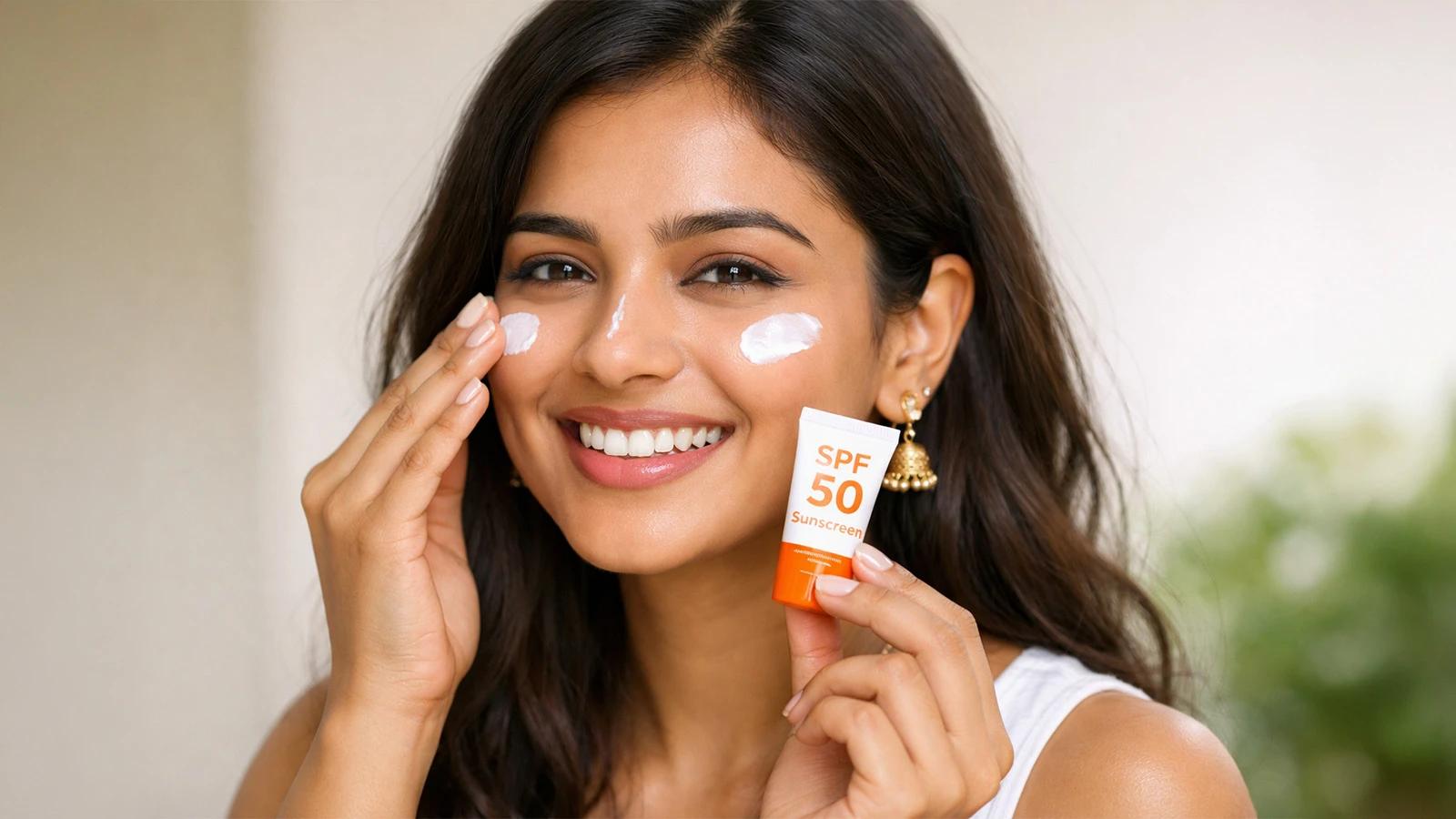

You've probably noticed how the South Indian sun feels different on your fair skin. That gentle morning warmth quickly turns intense, leaving you wondering if your usual skincare routine is enough. Fair-skinned South Indian women face unique challenges when it comes to UV protection - the tropical climate, high humidity, and year-round intense sunlight create a perfect storm for sun damage. Your skin might burn easily, develop dark spots faster than expected, or feel constantly under attack from environmental stressors. The good news? Understanding your skin's specific needs in this climate is the first step towards proper protection.
Fair skin in South India exists in a fascinating paradox. Whilst you have less melanin to protect against UV damage, your skin often responds more dramatically to sun exposure than fair skin in cooler climates. The tropical South Indian climate maintains a UV index of 10+ for most of the year, meaning extreme UV exposure is the norm, not the exception.
Your fair skin produces melanin differently than darker Indian skin tones. When exposed to UV radiation, fair South Indian skin tends to develop post-inflammatory hyperpigmentation more readily, creating stubborn dark spots that can take months to fade. This happens because your skin's melanin response is both protective and reactive - it tries to shield deeper layers but often overproduces pigment in the process.
Hormonal factors also play a crucial role. South Indian women often experience melasma and hormonal pigmentation more intensely due to the combination of genetic predisposition and constant UV exposure. Your skin's sensitivity fluctuates with your menstrual cycle, pregnancy, or hormonal treatments, making consistent year-round UV protection essential rather than seasonal.
South India's high humidity creates additional challenges for fair skin. Your sunscreen needs to withstand constant moisture whilst remaining effective. Many formulations that work well in dry climates become patchy or ineffective in humid conditions, leaving your fair skin vulnerable to UV damage.
The immediate risks of UV exposure on fair South Indian skin go beyond simple sunburn. Your skin might experience inflammation, heat rash, and increased sensitivity within hours of inadequate protection. The humid climate can exacerbate these reactions, creating a cycle of irritation and vulnerability.
Long-term consequences develop more quickly in fair skin exposed to intense tropical UV. Premature ageing accelerates due to collagen breakdown, whilst melasma and dark spots become increasingly common. Fair South Indian skin often shows sun damage earlier and more prominently than darker skin tones, making prevention crucial.
What makes fair South Indian skin unique is its response pattern. Unlike Caucasian fair skin, which might simply burn and peel, fair Indian skin often develops persistent pigmentation changes. These can include uneven skin tone, stubborn dark patches, and increased photosensitivity that makes future sun exposure even more damaging.
South India's environmental factors compound UV damage risks. Urban pollution creates free radicals that interact with UV radiation, accelerating skin damage. The combination of intense sunlight, high humidity, and environmental pollutants creates a challenging environment for maintaining healthy fair skin.
Selecting the right sunscreen for fair South Indian skin requires understanding both your skin's sensitivity and the climate's demands. Your sunscreen needs to provide broad-spectrum protection whilst remaining comfortable in humid conditions and under makeup or daily activities.
Physical sunscreens containing zinc oxide and titanium dioxide often work best for sensitive fair skin. These mineral filters sit on the skin's surface, reflecting UV rays without penetrating deeply. They're less likely to cause irritation and provide immediate protection upon application.
Chemical sunscreens can trigger reactions in sensitive fair skin, particularly in hot, humid climates where increased absorption occurs. Ingredients like oxybenzone and octinoxate may cause stinging, redness, or allergic reactions. Physical formulations offer gentler protection whilst maintaining effectiveness in South India's intense UV environment.
Fair South Indian skin requires minimum SPF 30 daily, with SPF 50+ recommended for extended outdoor exposure. The intense tropical UV levels mean that lower SPF ratings provide insufficient protection for fair skin that burns easily and develops pigmentation quickly.
Proper application involves using approximately 1/4 teaspoon for face and neck - roughly three finger-lengths of product. This amount ensures even coverage and adequate protection. Many people apply too little sunscreen, reducing its effectiveness significantly.
Your morning routine should include sunscreen as the final step before makeup. Allow 15-20 minutes for proper absorption, particularly important in humid climates where immediate sweating can compromise protection. Choose formulations that work well under makeup and won't pill or separate throughout the day.
Reapplication every two hours becomes crucial in South India's climate. Sweating, humidity, and constant UV exposure break down sunscreen protection faster than in cooler, drier climates. Keep a travel-size sunscreen for midday touch-ups, particularly on often-missed areas like ears, neck, and the back of hands.
Body protection requires equal attention. Fair skin on arms, shoulders, and décolletage burns quickly in South Indian sun. Choose lightweight, fast-absorbing formulations that won't feel heavy or sticky in humid conditions. Water-resistant options work better for daily wear when dealing with perspiration and humidity.
Layer sunscreen over your regular moisturiser and serums, allowing each product to absorb fully. Antioxidant serums containing vitamin C or niacinamide work synergistically with sunscreen, providing additional protection against environmental damage whilst supporting your skin's natural repair processes.
Fair Indian skin's tendency toward post-inflammatory hyperpigmentation makes prevention absolutely crucial. Even minor irritation or breakouts can leave lasting dark spots when combined with UV exposure. Your prevention strategy should include consistent sunscreen use alongside gentle skincare that doesn't compromise your skin barrier.
Treatment of existing sun damage requires patience and consistency. Ingredients like niacinamide, alpha arbutin, and vitamin C can help fade dark spots over time, but only when combined with diligent sun protection. Without proper UV protection, these treatments become ineffective as new damage continues to occur.
Professional treatments like chemical peels or laser therapy can be effective for fair South Indian skin, but timing matters. These treatments often increase photosensitivity, making them best scheduled during cooler months with extra sun protection measures in place.
Combining sunscreen with antioxidants creates a comprehensive defence system. Vitamin C in the morning provides additional protection against free radical damage, whilst retinoids at night support skin renewal and repair. Always use these active ingredients with consistent sun protection to prevent irritation and pigmentation.
Balancing vitamin D synthesis with sun protection requires strategic timing. In South India, early morning sunlight between 6-8 AM provides gentle vitamin D production with minimal UV damage risk. This window allows brief, unprotected exposure before the sun's intensity peaks.
Vitamin D supplementation often becomes necessary for fair-skinned individuals who maintain strict sun protection. Consult healthcare providers about appropriate supplementation levels, particularly important in South India where cultural and lifestyle factors may limit safe sun exposure opportunities.
The midday sun in South India reaches dangerous UV levels that far outweigh any vitamin D benefits. Between 10 AM and 4 PM, UV radiation peaks at levels that can cause immediate damage to fair skin, making protection essential during these hours.
Apply sunscreen using three finger-lengths of product for your face and neck. This equals approximately 1/4 teaspoon, the recommended amount for adequate protection. This rule ensures you're using enough product to achieve the SPF rating listed on the bottle.
Fair-skinned South Indian women should use minimum SPF 30 daily, with SPF 50+ recommended for extended outdoor exposure. The intense tropical UV levels in South India require higher protection than temperate climates, particularly for fair skin that burns easily.
In South India, early morning sunlight between 6-8 AM provides gentle vitamin D synthesis with minimal UV damage risk for fair skin. This window offers the best balance between vitamin D production and sun safety.
No, 12 PM sunlight in South India has peak UV intensity with UV index levels of 10+ and poses maximum damage risk to fair skin. Avoid direct exposure during 10 AM-4 PM when UV radiation reaches dangerous levels that can cause immediate and long-term skin damage.
No safe tan exists for fair skin. Any tanning indicates DNA damage occurring in your skin cells. Fair South Indian skin should focus on protection rather than tanning for long-term skin health, as the risk of burns, hyperpigmentation, and premature ageing far outweighs any cosmetic benefits.
Every two hours, or immediately after sweating, swimming, or towelling off in South India's humid climate. The combination of intense UV, high humidity, and perspiration breaks down sunscreen protection faster than in cooler climates.
Avoid chemical filters like oxybenzone and octinoxate if you have sensitive fair skin. These ingredients can cause irritation, particularly in hot, humid climates where increased absorption occurs. Stick to physical sunscreens with zinc oxide and titanium dioxide for gentler protection.
Yes, fair Indian skin often has different melanin distribution and tends to develop post-inflammatory hyperpigmentation more readily than Caucasian fair skin. This means you need consistent protection to prevent not just burns, but also the stubborn dark spots that can result from even minor sun exposure.
Protecting fair skin in South India's intense climate requires understanding your unique vulnerabilities and responding accordingly. Your skin's tendency toward hyperpigmentation, combined with year-round UV exposure, makes consistent protection non-negotiable rather than seasonal.
The key lies in finding formulations that work with your skin type and lifestyle. Whether you're dealing with humidity, sensitivity, or the challenge of reapplication throughout busy days, the right approach makes UV protection manageable and effective.
Platforms like Smytten Shop make discovering suitable sunscreens easier, offering curated selections from premium brands with the benefit of trying products before committing to full sizes. With over 28 million users exploring beauty and wellness products, you can find recommendations and reviews from others with similar skin concerns, plus enjoy cashback on purchases that work for your skin.
Remember, protecting your fair skin isn't about avoiding the outdoors entirely - it's about enjoying South India's beautiful climate whilst keeping your skin healthy for years to come. Your skin will thank you for the consistent care, and you'll feel confident knowing you're taking the right steps for long-term skin health.
