Why Does Tanning Happen to Indian Skin? Understanding Melanin & Tanning
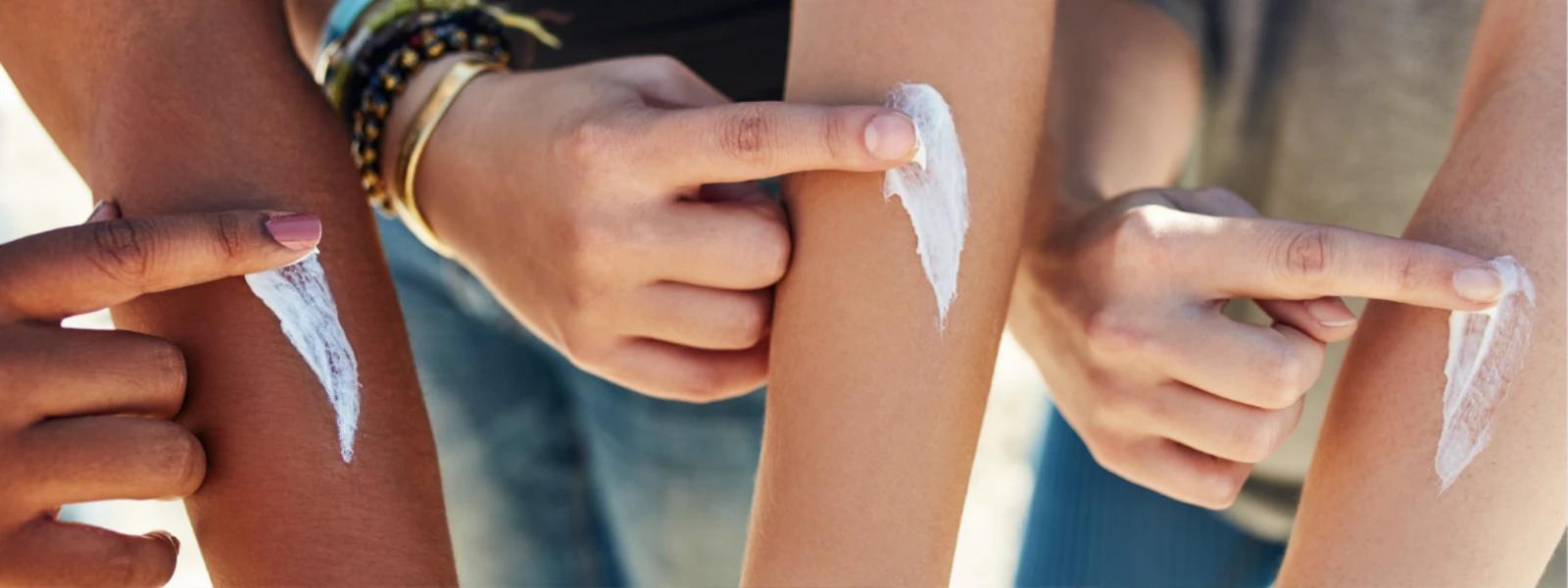

Ever noticed how your skin seems to darken after just one afternoon in the sun, whilst your friend with lighter skin barely changes colour? If you've wondered why does tanning happen to Indian skin so readily, you're not alone. The answer lies in our skin's unique melanin activity and how it responds to India's intense UV environment. Understanding this process isn't just about curiosity—it's about taking better care of your skin and making informed choices about protection and treatment.
Indian skin tanning happens more readily than in lighter skin types due to our naturally higher melanin content and more reactive melanocytes. Most Indian skin falls into Fitzpatrick skin types III to V, which means we have more melanin-producing cells that respond quickly to UV exposure.
When UV rays hit your skin, they trigger melanocytes to produce more melanin as a protective response. Think of melanin and tanning as your skin's natural sunscreen—it's trying to shield deeper layers from damage. However, Indian skin's melanocytes are particularly efficient at this process, which explains why we develop a tan faster and more intensely than lighter skin types.
This heightened melanin activity serves as both protection and challenge. Whilst it does offer some natural SPF (roughly equivalent to SPF 4-6), it also means that skin darkening causes can be triggered by relatively minimal sun exposure. Your skin's melanin distribution can also be uneven, leading to patchy tanning or darker spots in areas that receive more friction or sun exposure.
The genetic makeup of Indian skin includes more active tyrosinase, the enzyme responsible for melanin production. This means that even brief UV exposure can kickstart the tanning process. Additionally, Indian skin tends to have larger melanosomes (melanin-containing structures) that distribute pigment more readily throughout the skin layers.
Living in India means dealing with one of the world's highest UV indexes year-round. Our proximity to the equator ensures intense sun exposure, but tanning on brown skin isn't just about direct sunlight. The combination of heat, humidity, and environmental factors creates a perfect storm for increased pigmentation.
Even on cloudy days, up to 80% of UV rays can penetrate through clouds, meaning your skin is constantly exposed to tanning triggers. The high temperatures common across India also increase blood circulation to the skin, making melanocytes more active and responsive to UV stimulation.
Urban pollution adds another layer of complexity. Particulate matter and environmental toxins can trigger inflammatory responses in the skin, leading to post-inflammatory hyperpigmentation that mimics or compounds natural tanning. This is why city dwellers often notice more uneven skin tone compared to those in less polluted areas.
During summer months (April to June), UV levels in India can reach extreme levels (11+ on the UV index). Monsoon season brings humidity that can make skin more photosensitive, whilst winter months still maintain UV levels that would be considered high in many other countries.
Not all skin darkening is the same, and understanding the difference between normal tanning and hyperpigmentation Indian skin concerns is crucial for proper treatment. Normal tanning typically appears as an even darkening across sun-exposed areas and gradually fades when UV exposure decreases.
Hyperpigmentation, however, appears as darker patches, spots, or uneven areas that don't fade naturally. This can result from acne scarring, hormonal changes, or repeated inflammation. Indian skin is particularly prone to post-inflammatory hyperpigmentation, where any skin trauma—from a pimple to a small cut—can leave behind a dark mark that persists for months.
Melasma, often called the "mask of pregnancy," is another common concern in Indian women. This appears as symmetrical brown patches on the face and is triggered by hormonal changes combined with sun exposure. Unlike regular tanning, melasma requires specific treatment approaches and can be challenging to address.
Watch for patches that are significantly darker than your natural skin tone, areas that don't fade after reducing sun exposure, or pigmentation that appears without corresponding UV exposure. These signs suggest you're dealing with hyperpigmentation rather than normal tanning.
The best sunscreen for Indian skin needs to work harder than products designed for lighter skin types. Look for broad-spectrum protection with at least SPF 30, though SPF 50 is often more appropriate for Indian conditions. The key is finding formulations that don't leave a white cast on darker skin tones.
Chemical sunscreens containing avobenzone, octinoxate, or zinc oxide work well for Indian skin, but physical sunscreens with micronised zinc oxide or titanium dioxide are often gentler for sensitive skin types. Many Indian brands now offer tinted sunscreens that complement darker skin tones whilst providing protection.
Beyond sunscreen, how to prevent tanning involves a multi-layered approach. Seek shade during peak UV hours (10 AM to 4 PM), wear protective clothing with tightly woven fabrics, and don't forget often-missed areas like your ears, neck, and the tops of your feet.
Apply sunscreen 20-30 minutes before sun exposure and reapply every two hours, or more frequently if you're sweating or swimming. In India's humid climate, water-resistant formulations are particularly important, even if you're not planning to get wet.
When it comes to sun tan removal Indian skin responds well to certain ingredients, but patience is key. Vitamin C serums can help brighten skin and prevent further pigmentation, whilst ingredients like kojic acid, arbutin, and liquorice extract work to inhibit melanin production.
Gentle exfoliation with AHAs like glycolic acid or lactic acid can help speed up cell turnover, revealing fresher skin underneath. However, Indian skin can be sensitive to over-exfoliation, which can actually worsen pigmentation through inflammation.
Tan removal remedies from your kitchen can provide gentle support. Turmeric mixed with milk or yoghurt has anti-inflammatory properties, whilst tomato pulp contains natural acids that may help brighten skin. However, these should complement, not replace, proven skincare ingredients.
For stubborn pigmentation, dermatological treatments like chemical peels, laser therapy, or microdermabrasion can be effective. However, these treatments require careful selection of practitioners experienced with Indian skin, as aggressive treatments can sometimes worsen pigmentation in darker skin types.
Achieving and maintaining an even skin tone requires consistency rather than quick fixes. A daily routine that includes gentle cleansing, vitamin C in the morning, and retinoids at night (when your skin can tolerate them) provides the foundation for healthy skin.
Managing uneven skin tone Indian skin concerns also involves addressing lifestyle factors. Adequate sleep, stress management, and a diet rich in antioxidants all support your skin's natural repair processes. Hydration is particularly important in India's climate, as dehydrated skin can appear dull and uneven.
Regular use of niacinamide can help regulate melanin production whilst strengthening your skin barrier. This ingredient is particularly beneficial for Indian skin as it addresses multiple concerns—pigmentation, enlarged pores, and excess oil production—common in our climate.
Adapt your routine to India's changing seasons. During monsoon, focus on preventing fungal infections and managing humidity-induced breakouts. In winter, even though UV levels remain high, you might need richer moisturisers to combat dryness from air conditioning and heating.
Tanning on Indian skin isn't permanent, but it can take longer to fade compared to lighter skin types. With proper sun protection and consistent use of brightening ingredients, most tans will fade within 2-6 months. However, repeated sun exposure without protection can lead to cumulative pigmentation that becomes increasingly difficult to reverse.
Indians have naturally higher melanin content and more active melanocytes, which respond quickly to UV exposure. Additionally, India's geographic location near the equator means year-round intense UV radiation, creating conditions where tanning happens rapidly even with minimal sun exposure.
Yes, whilst melanin provides some natural protection (roughly SPF 4-6), this isn't sufficient against India's intense UV levels. Indian skin can still experience DNA damage, premature ageing, and skin cancer, though at lower rates than lighter skin types. Sunscreen remains essential regardless of your natural skin colour.
Healthy tanning appears as even darkening across sun-exposed areas and gradually fades when UV exposure decreases. Hyperpigmentation appears as uneven patches, spots, or areas that persist long after sun exposure ends. If you notice asymmetrical darkening or patches that don't correspond to sun exposure patterns, you're likely dealing with hyperpigmentation.
Natural tan removal typically takes 2-4 months with consistent sun protection and proper skincare. However, deeper pigmentation or hyperpigmentation can take 6-12 months or longer to fade. Professional treatments can accelerate this process, but realistic expectations are important—dramatic changes don't happen overnight.
Understanding why tanning happens so readily in Indian skin empowers you to make better choices about protection and treatment. Your skin's melanin response is both a blessing and a challenge—it provides natural protection whilst also making you more susceptible to uneven pigmentation.
The key is working with your skin's natural characteristics rather than against them. Consistent sun protection, gentle but effective skincare ingredients, and patience with the tan removal process will serve you better than harsh treatments or unrealistic expectations.
For those exploring new skincare solutions, platforms like Smytten Shop offer access to premium brands and curated selections that cater to Indian skin needs. With over 28 million users discovering products through samples and reviews, you can find what works for your unique skin concerns without the guesswork. Remember, the best skincare routine is one you'll actually follow consistently—and understanding your skin's behaviour is the first step towards that consistency.
