Uneven Skin Tone FAQ: Causes, Treatment & Brightening Tips
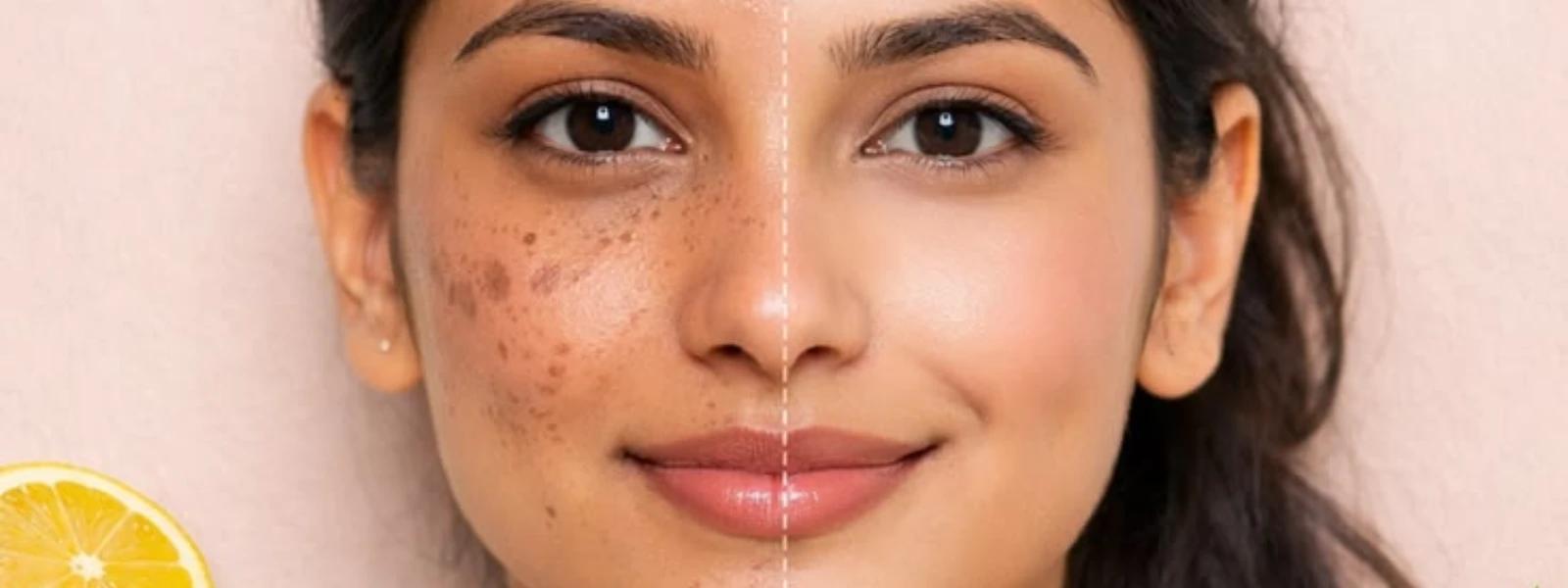

You've been staring at your reflection, wondering why your skin looks patchy despite following every skincare tip on Instagram. One cheek seems darker than the other, there are stubborn marks from last month's breakouts, and that glow everyone talks about feels impossibly out of reach. If you're nodding along, you're dealing with uneven skin tone — one of the most common skin concerns that affects people across all ages and skin types. The good news? Understanding what causes it and knowing the right uneven skin tone tips can help you work towards the balanced, radiant complexion you're after.
Uneven skin tone refers to areas of your skin that appear darker, lighter, or more discoloured compared to your natural complexion. Unlike uneven skin texture, which you can feel with your fingertips, tone issues are purely visual — think dark spots, redness, or patches that make your skin look inconsistent.
The most common areas where people notice uneven tone include the face (especially around the T-zone and cheeks), neck, chest, and hands. These spots get the most sun exposure and are often where skin discoloration causes become most apparent.
Some discoloration fades naturally over time — like the redness after a spot heals or slight darkening from a recent tan. However, deeper pigmentation issues, sun damage, and certain types of hyperpigmentation require targeted treatment to improve.
Understanding skin discoloration causes helps you choose the right treatment approach. Most uneven tone issues stem from melanin production going into overdrive in certain areas, creating those frustrating patches and spots.
This is the biggest culprit behind uneven skin tone. UV rays trigger melanin production as your skin's natural defence mechanism. Over time, this creates age spots, sun spots, and general darkening in exposed areas. Even cloudy days contribute to cumulative sun damage.
Pregnancy, periods, and hormonal contraceptives can trigger melasma — symmetrical dark patches usually appearing on the face. This type of hyperpigmentation is particularly common in women and can be stubborn to treat.
When your skin heals from acne, cuts, or irritation, it sometimes produces excess melanin in that spot. This is why acne marks often appear darker than your surrounding skin, especially on deeper skin tones.
As we age, our skin's ability to regenerate slows down, and years of sun exposure catch up with us. Age spots and general unevenness become more noticeable, particularly on the hands, face, and décolletage.
For significant discoloration issues, professional hyperpigmentation treatment can provide faster, more dramatic results than at-home care alone. These treatments work by either removing the top layers of pigmented skin or breaking down melanin deposits.
Professional peels using glycolic acid, lactic acid, or TCA can dramatically improve uneven tone by removing damaged skin layers. Expect some downtime and peeling, but results can be quite impressive for dark spots removal.
IPL (Intense Pulsed Light) and fractional lasers target pigmented areas specifically. These treatments require multiple sessions but can address both tone and texture issues simultaneously.
Dermatologists can prescribe stronger concentrations of hydroquinone, tretinoin, and other active ingredients than what's available over the counter. These provide more potent skin tone correction but require careful monitoring.
The right ingredients can make a significant difference in achieving more even skin tone. These powerhouse actives work by either preventing new pigmentation or helping fade existing discoloration.
Vitamin C serum benefits include brightening existing dark spots and preventing new ones from forming. L-ascorbic acid is the most potent form, while magnesium ascorbyl phosphate is gentler for sensitive skin. Apply in the morning under your SPF for maximum protection.
These vitamin A derivatives speed up cell turnover, helping pigmented cells shed faster while encouraging fresh, even-toned skin to surface. Start slowly to build tolerance, and always use SPF during the day.
Glycolic and lactic acids provide gentle exfoliation for skin, removing the top layer where much surface pigmentation sits. They also help other brightening ingredients penetrate more effectively.
This form of vitamin B3 is brilliant for reducing redness on face and preventing melanin transfer to skin cells. It's gentle enough for daily use and works well with other active ingredients.
While professional treatments work faster, there are effective ways to brighten skin using gentler, natural approaches. These methods take longer but are more budget-friendly and suitable for sensitive skin.
This cannot be overstated — SPF 30 or higher every single day is your most important step. Without proper sun protection, any brightening efforts will be undone by new damage.
Regular exfoliation for skin helps remove pigmented dead skin cells. Choose between physical exfoliants (gentle scrubs) or chemical ones (AHAs/BHAs) based on your skin's tolerance.
Well-hydrated skin appears more even and glowing. Look for moisturisers with ceramides, hyaluronic acid, or glycerin to maintain your skin barrier while treating pigmentation.
Foods high in vitamins C and E, beta-carotene, and other antioxidants support your skin's natural repair processes from the inside out. Think berries, leafy greens, and colourful vegetables.
Different types of discoloration require slightly different approaches. Here's how to tackle the most common uneven tone issues you might be facing.
These respond well to vitamin C, retinoids, and gentle acids. Consistency is key — expect to see gradual fading over 8-12 weeks with dedicated dark spots removal routine.
For persistent redness on face, focus on gentle, anti-inflammatory ingredients like niacinamide, azelaic acid, and centella asiatica. Avoid harsh scrubs and strong acids that might worsen irritation.
Post-inflammatory hyperpigmentation requires patience. Combine gentle exfoliation with brightening serums, and never pick at active breakouts to prevent new marks from forming.
Creating an effective routine for uneven skin tone doesn't require dozens of products. Focus on consistency with a few key steps that address your specific concerns.
Start with a gentle cleanser, apply vitamin C serum to damp skin, follow with a lightweight moisturiser, and finish with broad-spectrum SPF. This combination protects against new damage while working on existing issues.
Double cleanse to remove SPF and daily buildup, apply your treatment serums (retinol, niacinamide, or acids), and seal everything with a nourishing night moisturiser. This is when your skin does most of its repair work.
Add a gentle exfoliating mask or treatment once or twice weekly. This boosts cell turnover and helps your daily products work more effectively.
Most people start noticing improvements in 4-6 weeks with consistent use of the right products. However, significant changes in stubborn pigmentation can take 3-6 months. Professional treatments typically show faster results but may require multiple sessions.
Yes, but introduce them gradually. Vitamin C works well in the morning, while retinoids are best used at night. Niacinamide can be used twice daily and pairs well with most other ingredients. Always patch test new combinations.
Different light sources highlight various aspects of your skin. Natural daylight shows true colours, while artificial lighting can emphasise redness or make dark spots appear more prominent. This is normal and doesn't mean your skin is getting worse.
Not at all. Makeup can actually help protect your skin and boost confidence while treatments work. Use a good primer, choose non-comedogenic formulas, and always remove makeup thoroughly before your evening skincare routine.
Some people experience initial purging when starting active ingredients like retinoids or acids. This usually settles within 4-6 weeks. However, if irritation persists or worsens, reduce frequency or consult a dermatologist.
Absolutely. Hormonal fluctuations during periods, pregnancy, or menopause can trigger new pigmentation or slow progress. Be patient with your skin during these times and maintain your protective routine.
Achieving more even skin tone is absolutely possible with the right approach and realistic expectations. Whether you choose professional treatments, at-home care, or a combination of both, consistency and sun protection are your most powerful tools.
Remember that everyone's skin responds differently to treatments. What works brilliantly for your friend might take longer for you, and that's completely normal. The key is finding products and routines that suit your skin type, lifestyle, and budget.
For those exploring new products and brands, platforms like Smytten Shop offer the opportunity to try samples before committing to full sizes. With over 28 million users discovering their perfect skincare matches, you can explore curated selections of brightening serums, gentle exfoliants, and protective SPFs with confidence. The cashback options make building your ideal routine more affordable while you work towards that even, glowing complexion you're after.
