Understanding Uneven Skin FAQ: Causes and Treatments

 50 g
50 gCeramide Moisturizer for Pigmentation | Reduces Hyperpigmentation & Fades Spots | Targets Blemishes & Uneven Tone | For All Skin Types | 50g
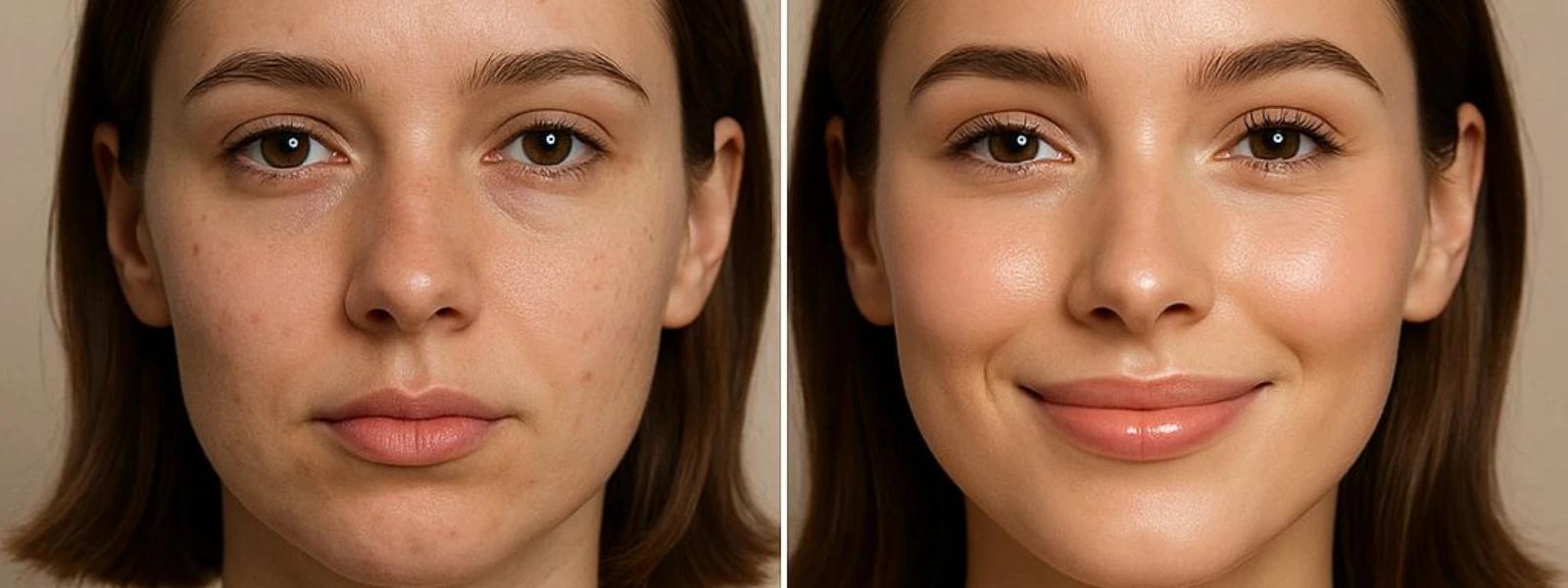
You've noticed it in the mirror – patches that seem darker than the rest of your face, areas where your foundation doesn't quite match, or that persistent dullness that no amount of highlighter can fix. Understanding uneven skin is the first step towards addressing these concerns that affect nearly everyone at some point. Whether it's post-acne marks that refuse to fade, sun damage from last summer's holiday, or simply the natural variations that come with being human, uneven skin tone and texture can feel frustrating when you're trying to achieve that effortless, healthy glow.
Uneven skin encompasses both tone and texture irregularities that create visual inconsistencies across your complexion. It's not just about colour variations – though skin discoloration is certainly a major component. Your skin might feel rough in some areas whilst smooth in others, or appear bright and radiant on your cheeks but dull around your T-zone.
Skin discoloration refers to variations in pigmentation caused by melanin distribution irregularities. You might notice darker patches around your mouth, lighter spots where old blemishes have healed, or areas that appear redder than your natural skin tone. Skin texture issues, on the other hand, involve the physical surface of your skin – think enlarged pores around your nose, rough patches on your cheeks, or areas that feel bumpy to the touch.
The most obvious indicators include dark spots and hyperpigmentation patches, particularly common in areas exposed to sun or where acne has previously occurred. Redness on face can appear as persistent blotchy areas or temporary flushing that seems to linger longer than it should. Dull skin lacks that natural radiance, often appearing flat or lifeless even when you're well-rested and hydrated.
Understanding what's behind your skin concerns helps you choose the most effective treatments. The causes of uneven skin are surprisingly varied, ranging from environmental factors you encounter daily to genetic predispositions you've inherited.
Sun exposure remains the primary culprit behind most uneven skin tone causes. UV rays trigger melanin production unevenly, creating those stubborn dark spots that seem to appear overnight but take months to fade. Pollution and free radical damage compound this issue, particularly if you live in urban areas where your skin faces daily assault from environmental aggressors.
Your skincare routine – or lack thereof – plays a significant role too. Inconsistent cleansing can lead to product buildup and clogged pores, whilst over-exfoliating can cause irritation and subsequent pigmentation issues.
Hormonal fluctuations create some of the most challenging pigmentation patterns. Pregnancy, menstrual cycles, and hormonal contraceptives can all trigger melasma – those symmetrical brown patches that typically appear on the cheeks and forehead. Post-inflammatory hyperpigmentation from acne is another common concern, particularly for those with deeper skin tones who naturally produce more melanin.
 100ml
100mlFace Wash for Dark Spots & Marks | Alpha Arbutin + Kojic Acid | Evens Skin Tone | Non-Stripping Gentle Formula | For All Skin Types | 100ml
The natural ageing process affects both tone and texture as collagen production slows down and cell turnover decreases. Some people are simply genetically predisposed to uneven pigmentation, making prevention and early intervention particularly important.
Certain medications can increase photosensitivity or directly affect pigmentation. Skin trauma from picking at blemishes, aggressive treatments, or even tight clothing can lead to irregular healing and subsequent colour variations. Underlying conditions like eczema or dermatitis can also create uneven texture and tone.
When at-home treatments aren't delivering the results you're hoping for, professional interventions can provide more dramatic improvements. These treatments work by targeting specific layers of skin or addressing pigmentation at a cellular level.
Chemical peels offer controlled exfoliation that removes damaged surface layers whilst promoting cellular renewal. Different acid concentrations target various concerns – lighter peels for general skin brightening, deeper peels for stubborn pigmentation. Laser treatments provide precise targeting of melanin deposits, though they require careful consideration of your skin tone to avoid further pigmentation issues.
Microneedling creates controlled micro-injuries that stimulate collagen production and improve product absorption. This treatment particularly excels at addressing texture irregularities and can enhance the effectiveness of topical treatments.
Prescription-strength retinoids accelerate cell turnover more effectively than over-the-counter alternatives. Hydroquinone remains the gold standard for melanin reduction, though it requires careful monitoring. Professional-grade vitamin C formulations offer higher concentrations and better stability than most consumer products.
Whilst professional treatments can provide dramatic results, consistent at-home care forms the foundation of any effective approach to evening skin tone. Natural ingredients and DIY treatments can be surprisingly effective when used correctly and consistently.
Natural exfoliating ingredients like oatmeal, rice powder, and fruit enzymes provide gentle texture improvement without the irritation risk of harsh scrubs. Vitamin C-rich ingredients such as lemon juice, orange peel, and kakadu plum can support skin brightening, though they should always be used with caution and proper sun protection.

Even Skin Duo for Hyperpigmentation | Even-Tone Inner Thighs, Knees, Neck & Elbows | Works on High-Friction Zones | For All Skin Types
Hydrating treatments using ingredients like honey, aloe vera, and cucumber can improve overall skin texture whilst supporting the skin's natural repair processes. These gentle approaches work well for sensitive skin types who might react poorly to stronger active ingredients.
Your diet directly impacts skin health – antioxidant-rich foods support cellular repair, whilst adequate hydration maintains skin plumpness and radiance. Quality sleep allows for optimal skin regeneration, whilst stress management prevents hormone-related breakouts and subsequent pigmentation.
Regular exercise improves circulation, delivering nutrients to skin cells whilst promoting that natural post-workout glow. However, remember to cleanse promptly after sweating to prevent pore congestion.
Building an effective routine requires understanding how different products work together to address your specific concerns. The key lies in consistency and patience – most treatments require 6-12 weeks to show visible improvements.
Sunscreen application remains non-negotiable for preventing further pigmentation. Choose broad-spectrum SPF 30 or higher, and reapply every two hours when outdoors. Antioxidant serums containing vitamin C, vitamin E, or niacinamide provide additional environmental protection whilst supporting skin repair.
Gentle cleansing removes daily buildup without stripping your skin's natural barrier. Double cleansing in the evening ensures thorough removal of sunscreen and makeup that could otherwise clog pores and create texture issues.
Vitamin C works as both a preventative antioxidant and active tone correction ingredient. Start with lower concentrations and gradually increase as your skin builds tolerance. AHA and BHA exfoliants remove dead skin cells that can make complexion appear dull whilst promoting cellular turnover for improved texture.
Niacinamide offers multiple benefits – pore refinement, oil regulation, and gentle brightening effects. It's particularly suitable for sensitive skin types who might struggle with stronger actives. Retinol remains the gold standard for cellular renewal, though it requires careful introduction and consistent sun protection.
Proper moisturising supports your skin's natural repair processes whilst preventing the irritation that can lead to further pigmentation. Choose formulations appropriate for your skin type – lightweight gels for oily skin, richer creams for dry areas.
 30 ml
30 mlDark Spot Serum For Pigmentation | With Niacinamide, Alpha Arbutin & MelaMe Complex | Fades Melasma & Acne Marks | For Oily & Dry Skin | 30ml
Overnight treatments provide intensive repair when your skin's natural regeneration processes are most active. Ingredients like peptides, ceramides, and hyaluronic acid support barrier function and cellular repair.
Look for variations in colour, texture, or radiance across your face. Common signs include dark spots, areas of redness on face, patches that appear duller than surrounding skin, or regions where makeup doesn't apply evenly. Taking photos in natural light can help you identify subtle variations that might not be obvious in bathroom lighting.
Start with consistent sun protection and gentle exfoliation to prevent further damage whilst promoting cellular turnover. Introduce active ingredients like vitamin C and niacinamide gradually, focusing on one concern at a time. Most people see initial improvements within 4-6 weeks, with significant changes occurring over 3-6 months of consistent use.
Many forms of uneven skin tone and texture can be significantly improved with proper treatment, though complete elimination isn't always realistic. Surface-level concerns like dull skin and mild texture irregularities often respond well to consistent skincare. Deeper pigmentation and genetic factors may require ongoing management rather than complete resolution.
Look for products containing proven ingredients like vitamin C for skin brightening, niacinamide for pore refinement, gentle acids for exfoliation, and broad-spectrum sunscreen for prevention. The "best" products depend on your specific concerns, skin type, and tolerance levels. Start with gentler formulations and gradually increase strength as your skin adapts.
Focus on gentle, consistent care using natural exfoliants like oatmeal or rice water, vitamin C-rich ingredients, and plenty of hydration. Maintain a healthy lifestyle with adequate sleep, stress management, and antioxidant-rich nutrition. Always patch test natural ingredients and remember that "natural" doesn't automatically mean gentle or suitable for all skin types.
Understanding uneven skin requires recognising that it's a common concern with multiple contributing factors. Whether you're dealing with hyperpigmentation, texture irregularities, or general dullness, the key lies in consistent, patient care rather than quick fixes. Prevention through daily sun protection remains your most powerful tool, whilst gentle active ingredients can gradually improve existing concerns.
Remember that achieving complexion perfection isn't about eliminating every natural variation in your skin – it's about supporting your skin's health and radiance. With platforms like Smytten Shop, you can explore curated skincare solutions from premium brands, taking advantage of sample sizes to find what works for your unique skin before committing to full-sized products. This approach, combined with the collective wisdom of 28M+ users, helps you build an effective routine without the guesswork or waste of trial and error.
