Understanding Melanin Skin: Your Questions Answered

 70 ml
70 mlIntimate Brightening Roll-On Serum | Inner Thighs & Bum | 10% AHA + PHA | Evens Skin Tone | Lightweight & Non-Sticky | 70ml
Ever wondered why your friend's skin seems to handle sun exposure differently than yours, or why certain skincare ingredients work brilliantly for some but not others? The answer often lies in understanding melanin skin and how this remarkable pigment shapes everything from your natural protection against UV rays to how your skin responds to different treatments. Whether you're dealing with uneven skin tone, curious about hyperpigmentation, or simply want to better understand your skin's unique needs, getting to grips with melanin is the first step towards truly effective skincare.
Melanin is your skin's natural pigment, produced by specialised cells called melanocytes that live in the deepest layer of your epidermis. Think of melanin as your skin's built-in security system – it's constantly working to protect you from environmental damage whilst determining your unique skin tone. The amount and type of melanin your skin produces is largely determined by genetics, but factors like sun exposure, hormones, and age can influence its distribution and concentration.
Your melanin production happens through a fascinating process involving an enzyme called tyrosinase, which converts the amino acid tyrosine into melanin. This process can ramp up when your skin detects UV exposure, which is why you might notice your skin darkening after spending time in the sun. For those with melanin rich skin, this natural protection system is particularly robust, offering significant advantages in terms of UV defence and slower visible ageing.
Understanding your skin's melanin levels helps explain why certain skincare concerns are more common in different skin tones. Hyperpigmentation, for instance, tends to be more noticeable in melanin-rich skin because the contrast between affected and unaffected areas is more pronounced. This doesn't mean the skin is problematic – it's simply responding to inflammation or injury in its natural way.
Your skin tone isn't just about how much melanin you have, but how it's distributed throughout your skin. Even within the same person, melanin levels can vary across different areas of the body. This natural variation is completely normal and contributes to the beautiful diversity of human skin tones we see across different ethnicities and individuals.
Not all melanin is created equal. Your skin actually produces different types of melanin, each contributing to your overall skin pigmentation in unique ways. Understanding these differences helps explain why skincare approaches need to be tailored to individual skin types rather than following a one-size-fits-all approach.
Eumelanin is the brown-black pigment that's most abundant in darker skin tones. This type of melanin provides excellent UV protection and is responsible for the rich, deep colours we see in melanin-rich skin. Pheomelanin, on the other hand, produces red and yellow tones and is more common in lighter skin types. Interestingly, pheomelanin offers less UV protection than eumelanin, which explains why those with lighter skin tones are more susceptible to sun damage.
The ratio of these different melanin types in your skin determines not just your colour, but also how your skin responds to sun exposure, inflammation, and certain skincare ingredients. This is why understanding your melanin profile is so crucial for developing an effective skincare routine.
 100ml
100mlFace Wash for Dark Spots & Marks | Alpha Arbutin + Kojic Acid | Evens Skin Tone | Non-Stripping Gentle Formula | For All Skin Types | 100ml
Whilst genetics play the primary role in determining your baseline melanin levels, several factors can influence production. Sun exposure is the most obvious trigger, but hormonal changes during pregnancy or when taking certain medications can also affect melanin production. Age is another factor – melanin production tends to become less efficient and more uneven as we get older, which can contribute to age spots and uneven skin tone.
Having melanin rich skin comes with some remarkable advantages that extend far beyond aesthetics. The melanin benefits for skin health are substantial and scientifically well-documented, making melanin-rich skin naturally more resilient in many ways.
The most significant advantage is natural UV protection. Melanin acts like tiny umbrellas within your skin cells, absorbing and scattering harmful UV radiation before it can cause DNA damage. This natural SPF effect means that those with higher melanin levels have a significantly reduced risk of skin cancer and tend to show signs of photoaging much later in life. Research suggests that melanin-rich skin has an equivalent SPF of about 13, compared to an SPF of about 3 in very fair skin.
Beyond UV protection, melanin also functions as an antioxidant, helping to neutralise free radicals that can cause cellular damage. This contributes to the slower ageing process often observed in melanin-rich skin. The collagen and elastin fibres that keep skin firm and elastic tend to remain intact longer, which is why fine lines and wrinkles typically appear later and less prominently.
The anti-aging benefits of melanin extend beyond just UV protection. Melanin-rich skin tends to have a thicker dermis and more robust collagen structure, contributing to maintained firmness and elasticity over time. This natural advantage means that whilst everyone ages, the visible signs tend to manifest differently across various skin tones.
Whilst melanin offers many protective benefits, it can sometimes work a bit too enthusiastically, leading to hyperpigmentation and uneven skin tone. This isn't a flaw in melanin-rich skin – it's actually a sign that your skin's protective mechanisms are highly responsive, which is generally a good thing.
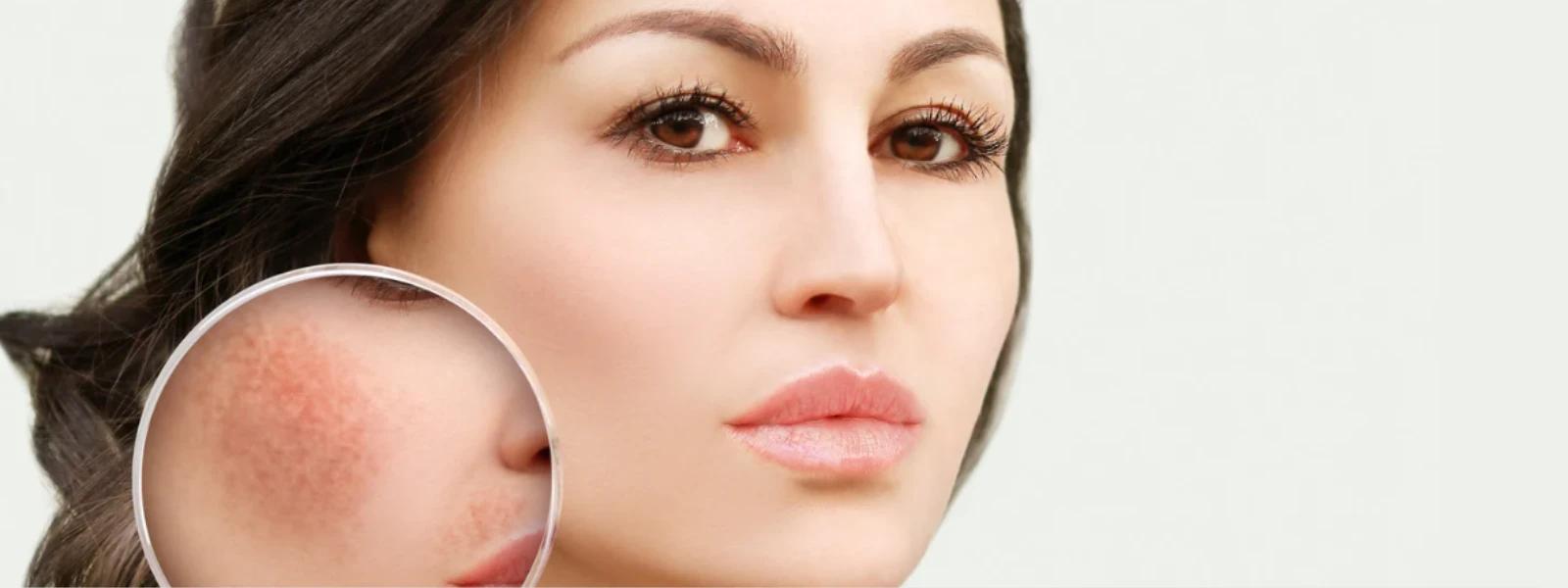
Hyperpigmentation occurs when melanocytes produce excess melanin in response to triggers like inflammation, hormonal changes, or UV exposure. Common types include post-inflammatory hyperpigmentation (PIH), which appears after acne or injury; melasma, often triggered by hormonal changes; and age spots, which develop from cumulative sun exposure over time.
For those with melanin-rich skin, hyperpigmentation can be more noticeable and persistent because the contrast between affected and normal skin is more pronounced. However, this same responsive melanin system also means the skin is excellent at protecting itself from more serious UV-related damage.
The key to managing hyperpigmentation in melanin-rich skin is patience and gentle, consistent care. Harsh treatments can actually trigger more melanin production, creating a cycle of irritation and pigmentation. Instead, focus on gentle exfoliation with ingredients like lactic acid, consistent sun protection, and targeted treatments with ingredients like niacinamide or kojic acid.
Effective melanin skincare isn't about fighting against your skin's natural processes – it's about working with them. Understanding how your skin's melanin responds to different ingredients and environmental factors allows you to build a routine that supports healthy melanin function whilst addressing any concerns.
For melanin-rich skin, gentle is often more effective than aggressive. Ingredients like niacinamide can help regulate melanin production without causing irritation, whilst vitamin C provides antioxidant protection and can help brighten existing pigmentation over time. Retinoids can be beneficial but should be introduced slowly to avoid triggering inflammatory hyperpigmentation.
Sun protection remains crucial regardless of your natural melanin levels. Whilst melanin-rich skin has built-in protection, consistent SPF use prevents the accumulation of UV damage that can lead to hyperpigmentation and premature ageing. Look for broad-spectrum formulas that don't leave a white cast on darker skin tones.
A melanin-friendly skincare routine focuses on maintaining your skin's natural barrier function whilst providing targeted support for any specific concerns. This might include gentle cleansing to avoid stripping natural oils, consistent moisturising to support barrier function, and targeted treatments for hyperpigmentation or other concerns.
You can assess your melanin level by observing how your skin responds to sun exposure, your natural skin tone, and your family history. Professional assessment using tools like a Mexameter can provide precise measurements, but generally, if you tan easily and rarely burn, you likely have higher melanin levels. The Fitzpatrick skin type scale (Types I-VI) is another useful reference, with Types IV-VI typically indicating higher melanin content.
High melanin levels provide excellent natural UV protection and slower visible ageing, but can also make hyperpigmentation more noticeable when it occurs. You might find that your skin takes longer to heal from blemishes visually, even though the actual healing process isn't slower. High melanin skin also tends to be more sensitive to inflammatory triggers that can cause post-inflammatory hyperpigmentation.
Your baseline melanin production is genetically determined and cannot be permanently altered. However, you can influence melanin distribution and production through sun exposure, certain skincare ingredients, and professional treatments. Temporary changes are possible, but your skin will always return to its genetic baseline over time.
Melanin-rich skin has certain health advantages, particularly regarding UV protection and slower photoaging. However, all skin types have their own benefits and challenges. The key is understanding and working with your skin's unique characteristics rather than trying to change them fundamentally.
As we age, melanin production can become less efficient and more uneven. This can lead to age spots in some areas and a general dulling of skin tone. The melanocytes themselves may also decrease in number over time, which can contribute to grey hair and changes in skin pigmentation patterns.
Understanding your melanin skin is about appreciating the remarkable protective system you were born with whilst learning how to support its optimal function. Whether you're dealing with hyperpigmentation, curious about the best ingredients for your skin tone, or simply want to build a more effective routine, the key lies in working with your skin's natural processes rather than against them.
Remember that beautiful, healthy skin comes in all shades and melanin levels. The goal isn't to change your natural skin tone but to help it function at its best. With platforms like Smytten Shop, you can explore curated skincare options specifically chosen for diverse skin needs, allowing you to try products before committing to full sizes. This approach helps you discover what works best for your unique melanin profile without the guesswork.
Your skin's melanin is a gift – embrace it, understand it, and care for it with the respect it deserves. The journey to healthy skin isn't about conforming to one standard of beauty, but about celebrating and nurturing the skin you're in.
