Sweat Effect on Skin FAQ: Everything You Need to Know
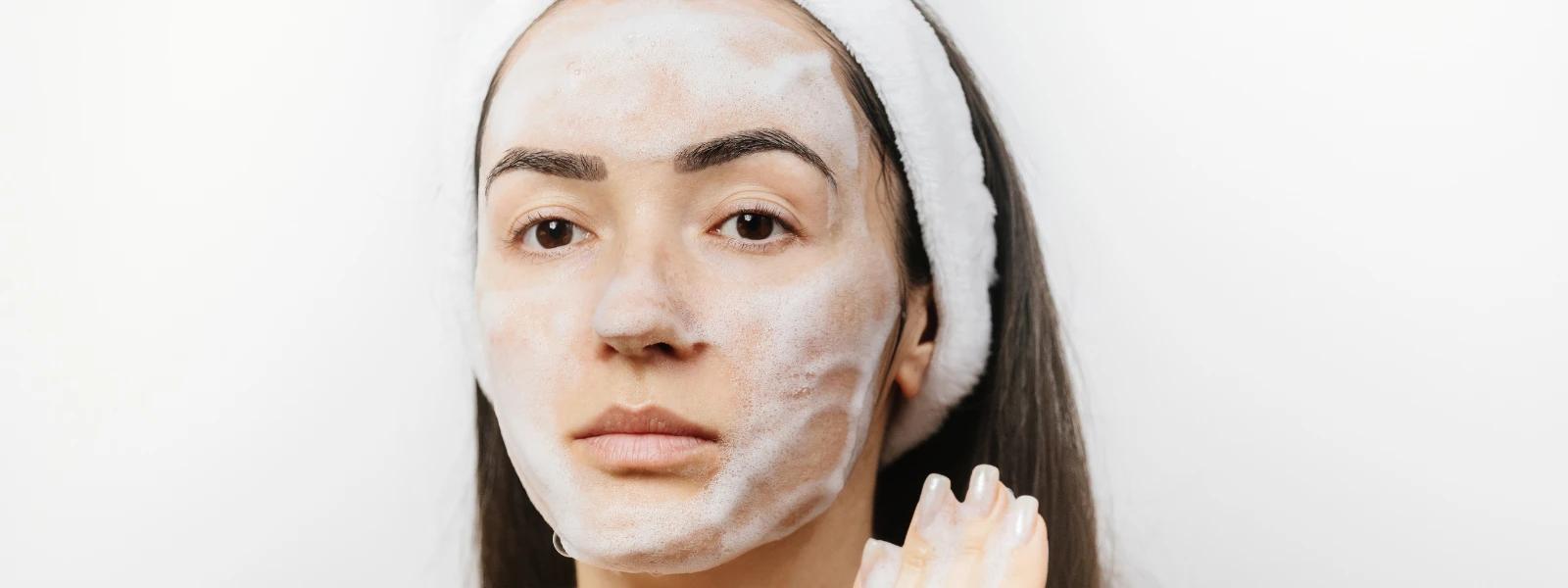

That post-gym glow everyone talks about? It's real, but so is the breakout that sometimes follows. If you've ever wondered whether sweating is actually helping or hurting your skin, you're not alone. The sweat effect on skin is surprisingly complex—whilst your body's natural cooling system can deliver some genuine benefits, it can also create the perfect storm for irritation, clogged pores, and those frustrating chest breakouts that seem to appear overnight. Understanding how sweat and skin interact is the first step to making your workout routine work for your complexion, not against it.
Your skin houses millions of sweat glands that spring into action the moment your body temperature rises. These tiny powerhouses produce a cocktail of water, urea, minerals like sodium and potassium, and amino acids that your skin actually recognises and can use. When you're moving, whether it's a morning run or an intense HIIT session, your sweat glands are essentially giving your skin a custom-made treatment.
The effects of sweat begin the moment moisture hits your skin's surface. Your natural barrier—that protective layer of oils and beneficial bacteria—suddenly has to navigate this new environment. In ideal conditions, sweat works with your skin's natural processes. But when sweat sits on your skin too long, mixes with makeup, or gets trapped under tight clothing, that's when problems start brewing.
What makes sweat particularly interesting is its pH level, which sits around 4.5 to 6.8—slightly acidic, just like healthy skin. This means fresh sweat isn't inherently problematic for most skin types. The trouble starts when sweat dries, concentrates, and creates an environment where bacteria can multiply rapidly.
Before we dive into the challenges, let's talk about why sweating can actually be brilliant for your skin. The benefits are real, and understanding them helps you maximise the good whilst minimising the not-so-good.
Sweat acts as a natural humectant, helping your skin retain moisture from the environment. The amino acids in sweat, particularly serine and glycine, are the same ingredients you'll find in expensive skin hydration serums. When you sweat, you're essentially giving your skin a dose of natural moisturising factors that help maintain its suppleness and barrier function.
That satisfying feeling after a good sweat session isn't just in your head. Sweating helps flush out impurities, excess oil, and dead skin cells from your pores. Think of it as a natural deep-cleansing treatment that works from the inside out. The process also has antimicrobial properties—your sweat contains dermcidin, a natural antibiotic that helps protect your skin from harmful bacteria.
Regular sweating from exercise improves blood circulation, delivering oxygen and nutrients directly to your skin cells. This enhanced blood flow gives you that coveted post-workout glow and may help improve skin elasticity over time. Some research suggests that the increased circulation from regular exercise can help reduce the appearance of fine lines and support overall skin health.
Now for the flip side. Whilst sweating has its benefits, it can also create conditions that lead to various skin concerns, especially if you're not managing it properly.
The relationship between acne and sweat is where things get tricky. When sweat mixes with oil, makeup, and dead skin cells, it can clog pores and create the perfect breeding ground for acne-causing bacteria. This is particularly common on your chest, back, and along your hairline—areas where sweat tends to linger. Sweat induced skin problems often appear as small, inflamed bumps that seem to multiply after intense workout sessions.
Skin irritation from sweat and sweat rash development are common complaints, especially during summer months or in humid gym environments. Prickly heat occurs when sweat ducts become blocked, trapping moisture under the skin. You might notice small red bumps, particularly in areas where clothing rubs against sweaty skin. This type of irritation is your skin's way of saying it needs better ventilation and care.
Extended exposure to sweat can lead to fungal infections, particularly in warm, moist areas like underarms and groin. For those with sensitive skin conditions like eczema, sweat can trigger flare-ups and increase inflammation. The salt content in dried sweat can also be particularly irritating for already compromised skin barriers.
Your post workout skin routine is crucial for maintaining healthy skin whilst staying active. The key is acting quickly and using the right approach for your skin type.
The golden rule for skin care after exercise is to cleanse within 30 minutes of finishing your workout. This prevents sweat from drying and concentrating on your skin. Use lukewarm water rather than hot, which can strip your skin's natural oils and increase irritation. A gentle, non-comedogenic cleanser will remove sweat, oil, and any bacteria without over-drying your skin.
Choose cleansers with salicylic acid or niacinamide if you're prone to breakouts, as these ingredients help prevent pore-clogging whilst being gentle enough for daily use. After cleansing, always follow with a lightweight, non-comedogenic moisturiser to restore your skin's barrier. Even if your skin feels clean and fresh post-shower, it still needs hydration to recover from the workout session.
Prevention is always better than treatment when it comes to sweat-related skin problems. Understanding how to prevent sweat acne starts with creating the right environment for your skin before, during, and after exercise.
Start with clean skin and avoid heavy moisturisers or makeup that can mix with sweat and clog pores. If you must wear makeup, choose non-comedogenic, sweat-resistant formulas. Tie your hair back to prevent oils and products from transferring to your face during exercise.
Choose breathable, moisture-wicking fabrics that pull sweat away from your skin rather than trapping it. Cotton might feel comfortable, but synthetic blends designed for athletic wear are much better at managing moisture. Clean your equipment before use, and bring a clean towel to dab away excess sweat during your workout.
If possible, exercise in well-ventilated areas or outdoors where sweat can evaporate more easily. Indoor cycling classes and hot yoga can create particularly challenging conditions for your skin, so extra care with pre and post-workout routines is essential.
Sweat is neither inherently good nor bad—it's all about management. Fresh sweat can provide natural hydration and help cleanse pores, but when it sits on your skin or mixes with oil and bacteria, it can cause breakouts and irritation. The key is understanding your skin type and responding appropriately.
Yes, the immediate glow after sweating comes from increased blood circulation and temporary plumping from moisture. However, this effect is temporary. For lasting skin benefits, focus on the improved circulation from regular exercise rather than the sweat itself.
Normal sweating during exercise is healthy and beneficial. However, excessive sweating (hyperhidrosis) can lead to skin irritation, fungal infections, and social discomfort. If you're sweating excessively without physical exertion, it's worth consulting a healthcare professional.
Immediately after sweating, your skin may appear plumper and more radiant due to increased moisture and circulation. As sweat dries, it can leave behind salt and minerals that may irritate sensitive skin. Without proper cleansing, dried sweat can clog pores and lead to breakouts.
Ideally, shower within 30 minutes of finishing your workout. This prevents sweat from drying on your skin and reduces the risk of clogged pores and bacterial growth. If you can't shower immediately, at least rinse your face and change out of sweaty clothes.
Sweat itself doesn't cause permanent damage, but chronic irritation from poor sweat management can lead to post-inflammatory hyperpigmentation, especially in darker skin tones. Proper cleansing and moisturising prevent most sweat-related skin issues.
Understanding the sweat effect on skin helps you make the most of your active lifestyle without compromising your complexion. The relationship between sweat and skin doesn't have to be complicated—with the right approach, you can enjoy all the benefits of regular exercise whilst maintaining healthy, clear skin.
Remember that everyone's skin responds differently to sweat and exercise. What works for your gym buddy might not work for you, and that's perfectly normal. Pay attention to how your skin reacts and adjust your routine accordingly. Whether you're dealing with occasional breakouts or persistent skin irritation from sweat, the solution often lies in consistent, gentle care rather than harsh treatments.
For those exploring new skincare products to support their active lifestyle, platforms like Smytten Shop offer the perfect opportunity to try products before committing to full sizes. With over 28 million users discovering their ideal skincare matches through samples, you can find the right post-workout cleanser or gentle moisturiser without the guesswork. Your skin deserves products that work as hard as you do.
