Sunscreen UV Protection FAQ: Your Questions Answered
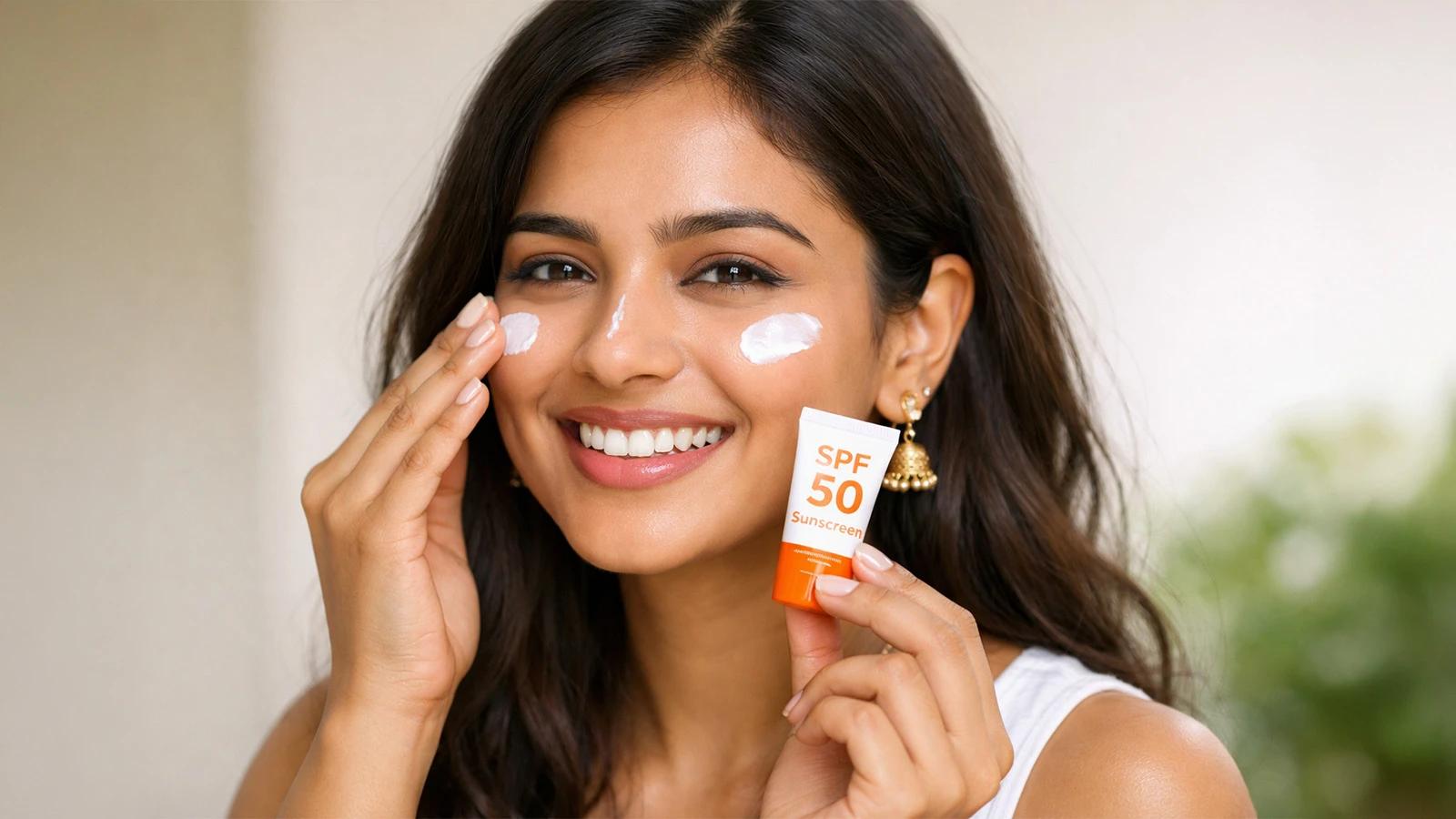

Picture this: you're standing in the skincare aisle, completely overwhelmed by rows of sunscreens promising everything from SPF 15 to SPF 100+. The labels mention UVA, UVB, broad spectrum, and PA ratings that might as well be written in another language. If you've ever felt confused about which sunscreen actually protects your skin from UV damage, you're definitely not alone. Understanding UV protection doesn't have to be complicated, and the right knowledge can help you make choices that truly protect your skin from sun damage, premature ageing, and more serious concerns like skin cancer.
UV radiation from the sun reaches your skin in two main forms: UVA and UVB rays. Think of UVB as the "burning" rays that cause immediate redness and sunburn, whilst UVA rays are the "ageing" rays that penetrate deeper into your skin. UVA rays are particularly sneaky because they don't cause immediate visible damage, but they're responsible for breaking down collagen, creating dark spots, and contributing to premature ageing.
Here's what makes UV exposure particularly concerning for Indian skin: our melanin-rich skin can develop post-inflammatory hyperpigmentation more easily when exposed to UV rays. That means even minor sun damage can lead to stubborn dark spots that take months to fade. UV radiation also weakens your skin's natural barrier, making it more susceptible to environmental damage and dehydration.
The long-term effects of unprotected UV exposure include premature wrinkles, uneven skin tone, age spots, and an increased risk of skin cancer. Even on cloudy days, up to 80% of UV rays can penetrate through clouds, which means your skin needs protection year-round, not just during beach holidays.
Broad spectrum sunscreen protects against both UVA and UVB rays using either chemical or mineral filters. Chemical filters like avobenzone and octinoxate absorb UV rays and convert them to heat, whilst mineral filters like zinc oxide and titanium dioxide create a physical barrier that reflects UV rays away from your skin. Both types are effective when formulated properly.
The PA rating system, commonly used in Asian sunscreens, specifically measures UVA protection. PA+ offers some protection, whilst PA++++ provides the highest level of UVA defence. Many dermatologists recommend looking for both high SPF and PA++++ ratings for comprehensive protection.
SPF stands for Sun Protection Factor, and it measures how long you can stay in the sun without burning compared to unprotected skin. If you normally burn after 10 minutes, SPF 30 theoretically allows you to stay in the sun for 300 minutes (10 x 30) without burning. However, this calculation assumes perfect application and no sweating, swimming, or towel drying.
Here's the reality about SPF numbers: SPF 30 blocks about 97% of UVB rays, SPF 50 blocks about 98%, and SPF 100 blocks about 99%. The difference between SPF 30 and SPF 50 is more significant than the difference between SPF 50 and SPF 100. Most dermatologists recommend SPF 30 as the minimum for daily use, with SPF 50 being ideal for extended outdoor activities.
The biggest misconception about SPF is that higher numbers mean you can reapply less frequently. Regardless of SPF level, sunscreen should be reapplied every two hours, or immediately after swimming, sweating, or towel drying. No sunscreen provides 100% protection, which is why reapplication is crucial.
The PA system originated in Japan and measures UVA protection levels. PA+ indicates some UVA protection, PA++ indicates moderate protection, PA+++ indicates high protection, and PA++++ indicates extremely high UVA protection. Since UVA rays are primarily responsible for premature ageing and hyperpigmentation, the PA rating is particularly important for maintaining healthy, even-toned skin over time.
Your skin type significantly influences which sunscreen formulation will work best for you. Oily and combination skin types benefit from lightweight, matte-finish sunscreens that won't clog pores or create excess shine. Look for gel-based or fluid formulations with niacinamide, which helps control oil production whilst providing additional skin benefits.
Sensitive skin requires gentle, mineral-based sunscreens with zinc oxide or titanium dioxide as the active ingredients. These physical blockers are less likely to cause irritation compared to chemical filters. Fragrance-free and hypoallergenic formulations are essential for reactive skin types.
For dry skin, hydrating sunscreens with ingredients like hyaluronic acid, ceramides, or glycerin provide moisture whilst protecting from UV damage. These formulations often have a slightly richer texture that helps combat the drying effects of sun exposure and air conditioning.
Acne-prone skin needs non-comedogenic sunscreens that won't trigger breakouts. Oil-free, lightweight formulations work best, and some sunscreens even contain salicylic acid or other acne-fighting ingredients for additional benefits.
Anti-ageing sunscreens often include antioxidants like vitamin C, vitamin E, or green tea extract to provide additional protection against environmental damage. Tinted sunscreens offer light coverage whilst protecting your skin, making them perfect for daily wear when you want to skip foundation.
Water-resistant formulations are essential for swimming, sports, or any activity that involves sweating. These sunscreens maintain their SPF protection for 40 to 80 minutes in water, depending on their specific formulation.
Consistent sunscreen use is one of the most effective anti-ageing strategies available. UV rays break down collagen and elastin, the proteins responsible for keeping your skin firm and elastic. By protecting your skin from UV damage, you're essentially preventing premature wrinkles, fine lines, and sagging skin.
Hyperpigmentation prevention is another crucial benefit, especially for Indian skin tones. UV exposure can trigger melanin production, leading to dark spots, melasma, and uneven skin tone. Daily sunscreen use helps maintain the results of treatments like vitamin C serums, retinoids, and professional treatments.
Modern sunscreens also offer protection against environmental aggressors like pollution and blue light from digital devices. Some formulations include antioxidants and anti-pollution ingredients that create a protective barrier against urban environmental damage.
Sunscreen should be the final step in your morning skincare routine, applied after moisturiser but before makeup. If you're using active ingredients like retinoids or AHAs, sunscreen becomes even more critical as these ingredients can increase your skin's photosensitivity.
When layering skincare products, allow each layer to absorb for a few minutes before applying sunscreen. This ensures proper adherence and effectiveness. If you're wearing makeup, look for sunscreens that work well under foundation without pilling or creating a greasy base.
The amount of sunscreen you apply directly affects its effectiveness. Most people apply only 25-50% of the recommended amount, which significantly reduces protection. For your face and neck, you need approximately 1/4 teaspoon of sunscreen. This might seem like a lot, but proper coverage requires this amount to achieve the stated SPF protection.
Apply sunscreen 15-30 minutes before sun exposure to allow the ingredients to bind properly to your skin. This is particularly important for chemical sunscreens, which need time to absorb and activate. Don't forget often-missed areas like your ears, the back of your neck, and your hairline.
Reapplication is crucial for maintaining protection throughout the day. Even if you're indoors most of the time, UV rays can penetrate windows, and your sunscreen naturally breaks down over time. Set reminders to reapply every two hours, or use powder sunscreens for easy touch-ups over makeup.
Your eye area is particularly vulnerable to UV damage but often gets overlooked during sunscreen application. Use a gentle, ophthalmologist-tested sunscreen around your eyes, or invest in sunglasses with UV protection for additional coverage.
Don't forget your lips, which can develop sun damage and even skin cancer. Use a lip balm with at least SPF 15, and reapply frequently throughout the day, especially after eating or drinking.
Dermatologists recommend a minimum of SPF 30 with broad spectrum protection for daily use. This blocks approximately 97% of UVB rays whilst also protecting against UVA rays. For extended outdoor activities, SPF 50 provides additional protection and peace of mind. Look for sunscreens that also carry PA+++ or PA++++ ratings for comprehensive UVA protection.
Yes, when applied correctly and reapplied regularly, sunscreen is highly effective at preventing UV damage. Clinical studies show that consistent sunscreen use can prevent up to 90% of premature skin ageing. The key is using enough product (1/4 teaspoon for face and neck) and reapplying every two hours or after swimming and sweating.
SPF 50 offers the best balance of protection and practicality for most people. Whilst SPF 30 blocks 97% of UVB rays, SPF 50 blocks 98%, providing that extra margin of safety. SPF 70 and higher offer minimal additional protection (99%) but often come with heavier formulations that people are less likely to apply properly or reapply regularly.
For malassezia-safe sunscreens, avoid ingredients like fatty acids, oils, and esters that can feed fungal acne. Look for zinc oxide or titanium dioxide-based formulations without coconut oil, shea butter, or fatty alcohols. Gel-based or mineral sunscreens are typically safer choices for fungal acne-prone skin.
Absolutely. Choose mineral sunscreens with zinc oxide or titanium dioxide as the active ingredients, as these are less likely to cause irritation. Look for fragrance-free, hypoallergenic formulations, and consider doing a patch test before applying to your entire face.
Yes, especially if you sit near windows or spend time in rooms with significant natural light. UVA rays can penetrate glass, contributing to premature ageing and hyperpigmentation over time. A lightweight daily sunscreen with SPF 30 is sufficient for indoor protection.
Understanding UV protection doesn't have to be overwhelming once you know the basics. The most important factors are choosing a broad spectrum sunscreen with at least SPF 30, applying enough product, and reapplying regularly. Your skin type and lifestyle will guide you towards the best formulation, whether that's a lightweight gel for oily skin or a hydrating cream for dry skin.
Remember, the best sunscreen is the one you'll actually use consistently. Don't get caught up in finding the "perfect" product if it means you're not protecting your skin daily. Through platforms like Smytten, you can try different sunscreen formulations to find what works best for your skin before committing to full-size products. With over 28 million users discovering their perfect skincare matches, you're in good company on this journey to better sun protection.
Your future skin will thank you for the consistent protection you provide today. Whether you're dealing with existing sun damage or working to prevent it, daily sunscreen use is one of the most powerful tools in your skincare routine.
