Sunscreen for Indian Drivers: Your FAQ Answered
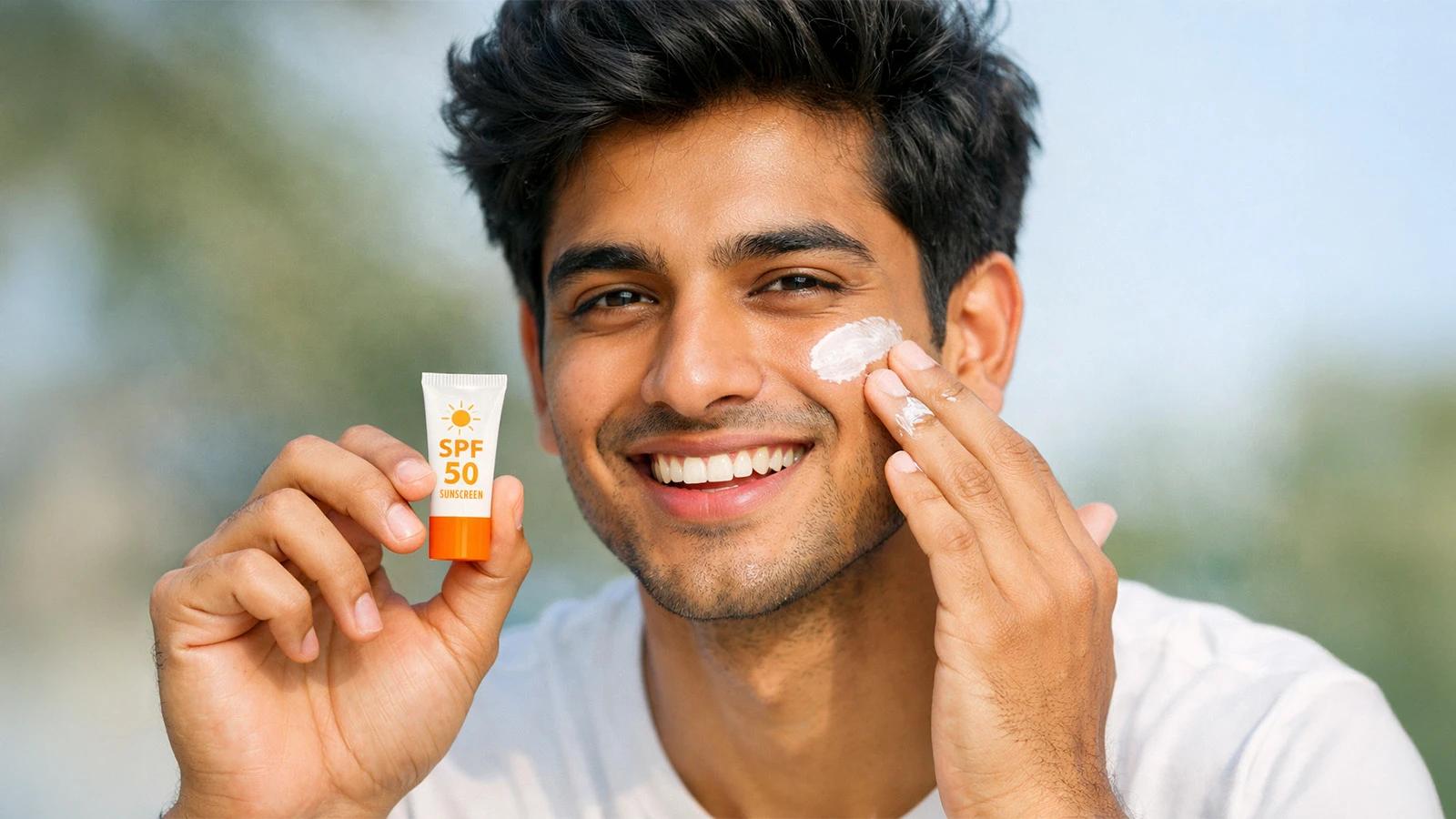

Picture this: you're stuck in Mumbai traffic at 2 PM, windows down because the AC's playing up, and that familiar sting hits your left arm. Sound familiar? If you're nodding along, you're not alone. Indian drivers face some of the most intense UV exposure in the world, yet most of us treat sunscreen as an optional extra rather than essential protection. The truth is, your daily commute might be doing more damage to your skin than you realise, and it's time we talked about it properly.
Let's get one thing straight: sitting in your car doesn't shield you from the sun's harmful rays. In fact, it creates a unique set of challenges that many of us simply aren't prepared for. The combination of India's intense climate and our driving habits means we need to think differently about sun protection while driving.
Here's what most people don't know: while your car's windscreen blocks most UVB rays (the ones that cause sunburn), it lets through about 80% of UVA rays. These are the sneaky ones that penetrate deeper into your skin, causing premature ageing and increasing your risk of skin cancer. When you add India's high UV index—often reaching extreme levels between 11 AM and 3 PM—you're looking at significant exposure during your daily drives.
The left side of your body (if you're driving) gets the worst of it. Studies have shown that drivers often develop more sun damage on their left arm and face compared to their right side. It's so common that dermatologists have a term for it: "driver's side photoaging."
Now, there's a persistent myth that needs addressing: "I have dark skin, so I don't need sunscreen." This couldn't be further from the truth. While melanin does provide some natural protection, it's equivalent to about SPF 4—nowhere near enough for Indian driving conditions. Sunscreen for Indian skin is absolutely essential, regardless of your skin tone.
Indian skin is particularly prone to post-inflammatory hyperpigmentation (PIH). This means that even minor sun damage can lead to dark spots and uneven skin tone that can take months or years to fade. For many of us, this shows up as stubborn patches on our forearms, face, and neck—exactly the areas most exposed during driving.
The damage isn't just cosmetic. Regular unprotected sun exposure while driving can lead to premature wrinkles, age spots, and in severe cases, skin cancer. Your hands, gripping the steering wheel, are particularly vulnerable. Many drivers notice their hands looking older than their age—and UV exposure is often the culprit.
Not all sunscreens are created equal, especially when it comes to car use. You need something that can handle the heat, won't make you feel sticky, and provides reliable protection throughout your journey. Here's what dermatologists recommend for the best sunscreen for car use.
For Indian driving conditions, SPF 30 is your absolute minimum, but SPF 50+ is ideal for longer commutes or if you're driving during peak sun hours. Remember, SPF isn't just about strength—it's about duration of protection. A higher SPF gives you more leeway if you can't reapply as frequently.
Broad-spectrum protection is non-negotiable. This means your sunscreen protects against both UVA and UVB rays. Look for ingredients like zinc oxide, titanium dioxide, or avobenzone on the label.
Car interiors get hot, and the last thing you want is sunscreen sliding off your face or making your steering wheel slippery. Gel-based or lightweight lotion formulations work best. They absorb quickly and don't leave that greasy residue that attracts dust and grime.
Water-resistant formulas are worth considering, especially if you're prone to sweating or if your car's AC isn't reliable. These formulations stay put better, even when you're dealing with Mumbai's humidity or Delhi's heat.
Physical sunscreens containing zinc oxide or titanium dioxide are excellent choices for drivers. They start working immediately (no waiting time) and are less likely to cause irritation. Chemical sunscreens with avobenzone or octinoxate are also effective but need about 20 minutes to activate.
Look for added antioxidants like vitamin C or vitamin E. These help neutralise free radicals generated by UV exposure and provide an extra layer of protection against environmental damage.
Knowing which sunscreen to use is only half the battle. How and when you apply it makes all the difference between adequate protection and wasted effort. These sunscreen application tips are specifically designed for drivers who need reliable, long-lasting protection.
Apply your sunscreen 15-20 minutes before you start driving. This gives chemical sunscreens time to activate and ensures even coverage. Don't forget the often-missed spots: your ears, the back of your neck, and your hands. These areas get significant exposure but are frequently overlooked.
Use about a teaspoon of sunscreen for your face and neck, and don't skimp on your arms. If you're wearing short sleeves, apply sunscreen from your wrists to your shoulders. It might seem like a lot, but under-application is one of the main reasons sunscreen fails to protect adequately.
The two-hour reapplication rule still applies when you're driving, but it needs to be practical. Keep a travel-size sunscreen in your glove compartment. During traffic stops or when you're parked, take a moment to reapply to your face and hands.
Spray sunscreens can be handy for quick touch-ups, but never apply them while driving. Pull over safely, apply with windows down, and wait for any fumes to clear before continuing your journey.
Your skin care doesn't end when you park. These beauty tips for drivers will help repair and protect your skin after sun exposure. Cleanse thoroughly to remove sunscreen, pollution, and sweat. Follow up with a moisturiser containing hyaluronic acid or ceramides to restore hydration.
If you notice any redness or irritation, apply a soothing gel with aloe vera or niacinamide. These ingredients help calm inflammation and support your skin's natural repair processes.
Sunscreen is crucial, but it's just one part of a comprehensive driving in sun protection strategy. Think of it as building layers of defence against UV damage, with each layer adding to your overall protection.
Consider wearing UV-protective clothing for longer drives. Long-sleeved shirts with UPF (Ultraviolet Protection Factor) ratings provide excellent coverage. If that's not practical, keep a light cotton shirt or scarf in your car to cover exposed arms during particularly sunny stretches.
Quality sunglasses aren't just a style choice—they're essential for protecting the delicate skin around your eyes. Look for glasses that block 99-100% of UV rays and consider wraparound styles for maximum coverage.
Window tinting can significantly reduce UV exposure, but check your local regulations first. Most states allow up to 70% visible light transmission for front windows. Even within legal limits, quality window film can block up to 99% of UV rays.
Dashboard covers and steering wheel protectors aren't just about keeping your car cool—they also reduce UV reflection that can contribute to facial sun damage. These simple additions can make your daily commute more comfortable and safer for your skin.
When possible, plan your drives to avoid peak UV hours between 10 AM and 4 PM. If you must drive during these times, take extra precautions with sunscreen application and reapplication. Choose covered parking whenever available, and consider your route—tree-lined roads provide natural shade and reduce overall UV exposure.
The effort you put into preventing sun damage while driving today pays dividends for years to come. Regular sun protection isn't just about avoiding sunburn—it's an investment in your skin's long-term health and appearance.
The sunscreen benefits for drivers extend far beyond preventing immediate damage. Regular use can prevent the formation of age spots, reduce the risk of premature wrinkles, and maintain more even skin tone. For professional drivers who spend hours on the road daily, these benefits are even more pronounced.
Studies show that people who use sunscreen daily show 24% less skin ageing than those who use it occasionally. For drivers, this difference is often most visible on the left side of the face and left arm—areas that get the most exposure during driving.
If driving is your profession—whether you're a taxi driver, delivery person, or long-haul trucker—skincare for vehicle drivers becomes even more critical. Consider it part of your occupational health routine, just like wearing a seatbelt or taking regular breaks.
Professional drivers should invest in higher SPF formulations and be more diligent about reapplication. Keep multiple tubes of sunscreen in your vehicle and set reminders on your phone for reapplication during longer shifts.
A good sunscreen costs between ₹500-₹1500 and lasts about a month with regular use. Compare this to the cost of treating sun damage: laser treatments for age spots can cost ₹5000-₹15000 per session, and you often need multiple sessions. Prevention is not just better for your skin—it's significantly more economical.
Absolutely. Car windows block most UVB rays but allow about 80% of UVA rays to pass through. These UVA rays penetrate deeper into your skin and cause premature ageing, dark spots, and increase skin cancer risk. In India's intense sun, wearing sunscreen while driving is essential year-round, not just during summer months.
Yes, regardless of skin tone. While melanin provides some natural protection (equivalent to about SPF 4), it's insufficient for India's high UV index. Indian skin is particularly prone to hyperpigmentation, making sun protection crucial for preventing dark spots and uneven skin tone. Dermatologists recommend daily sunscreen use for all skin types in Indian climatic conditions.
Apply broad-spectrum SPF 30+ sunscreen 15-20 minutes before leaving home. Cover your face, neck, ears, and any exposed arms or hands. Keep travel-size sunscreen in your car for reapplication during long commutes. In the evening, cleanse thoroughly and follow with a moisturiser to repair and hydrate your skin after sun exposure.
The standard two-hour rule applies, but for practical purposes, reapply during traffic stops, lunch breaks, or whenever you're parked for more than a few minutes. For drives longer than two hours, plan stops specifically for reapplication. Keep spray sunscreen handy for quick touch-ups, but never apply while actively driving.
Window tinting is an excellent complement to sunscreen but cannot replace it entirely. Quality window film blocks up to 99% of UV rays, significantly reducing exposure. However, you still need sunscreen for times when windows are down, during entry and exit from the vehicle, and for complete protection. Think of tinting and sunscreen as working together, not as alternatives.
Your daily commute doesn't have to compromise your skin health. With the right sunscreen, proper application techniques, and a few smart strategies, you can protect yourself from UV damage while driving. Remember, consistency is key—make sunscreen application as routine as checking your mirrors or fastening your seatbelt.
The beauty of building these habits is that they become second nature. Soon, you'll be reaching for your sunscreen without thinking, and your skin will thank you for years to come. Whether you're navigating city traffic or cruising down highways, your skin deserves the same protection you'd give it at the beach.
For those looking to explore quality sunscreen options, platforms like Smytten offer curated selections from trusted brands, allowing you to try products before committing to full sizes. With over 28 million users discovering their perfect skincare matches, you can find expert-recommended sun protection that fits your driving lifestyle and budget. Your skin's health is worth the investment, and the right protection makes all the difference on Indian roads.
