Sunscreen for Greasy Face FAQ: Your Oily Skin Questions Answered
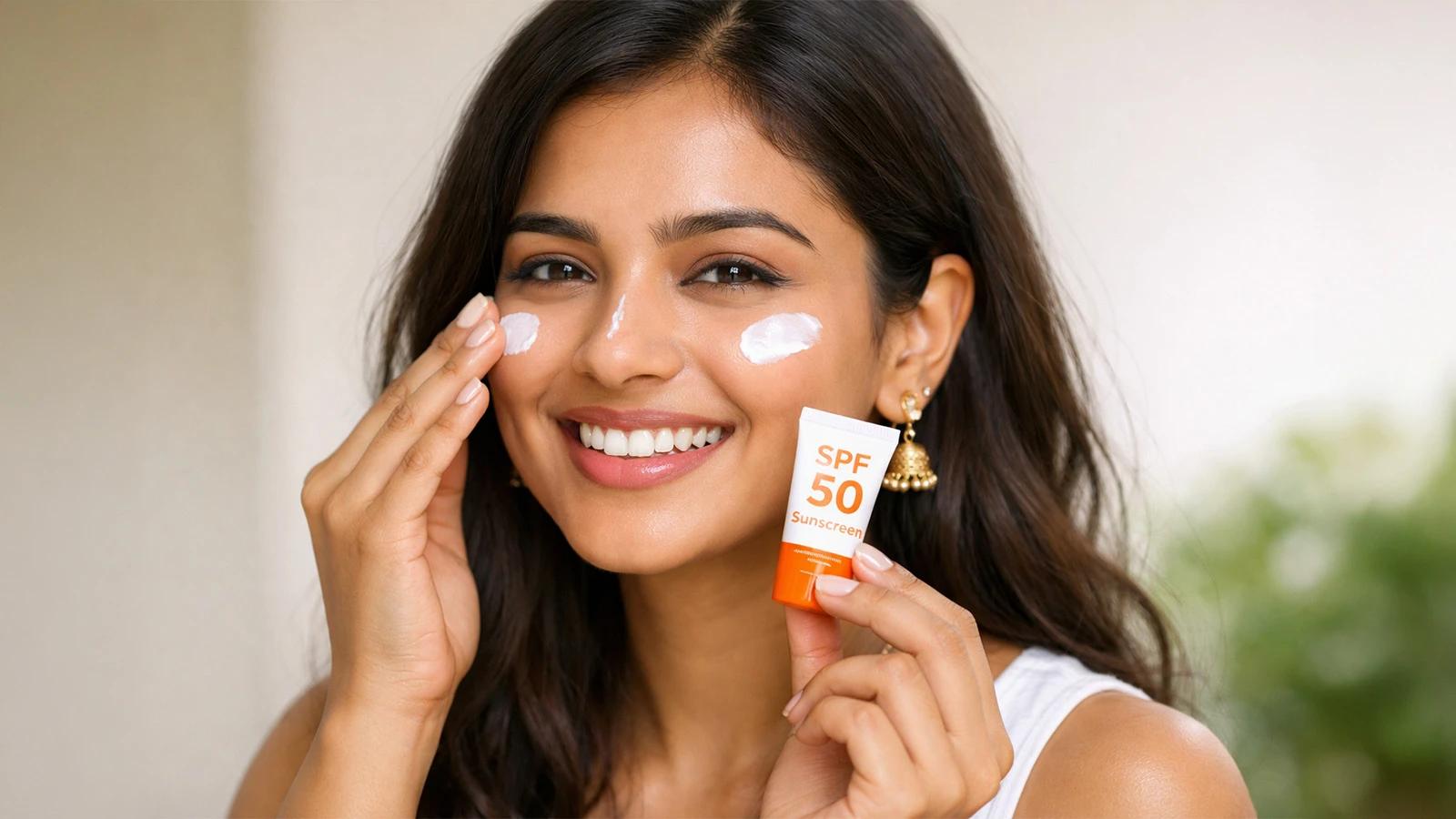

That moment when you finally find the perfect sunscreen for greasy face concerns, only to discover it leaves you looking like you've dunked your head in olive oil? If you've been through the frustrating cycle of trying SPF after SPF, watching your T-zone turn into a slip-and-slide by noon, you're absolutely not alone. The truth is, most traditional sunscreens weren't designed with oily skin in mind, which explains why finding the right formula feels like searching for a needle in a haystack.
Your skin produces sebum naturally, and when you layer a heavy, emollient-rich sunscreen on top, you're essentially creating the perfect storm for that dreaded greasy feeling. Traditional SPF formulas often contain comedogenic oils like coconut oil or heavy silicones that sit on your skin's surface rather than absorbing properly.
The science behind this is actually quite straightforward. When your sebaceous glands are already working overtime, adding products with occlusive ingredients creates a barrier that traps oil underneath. This not only makes your skin feel greasy but can also lead to clogged pores and breakouts. That's why choosing an oil-free sunscreen specifically formulated for oily skin types makes such a difference.
Climate plays a huge role too. In India's humid conditions, your skin naturally produces more oil to cope with environmental stress. When you add a heavy sunscreen to the mix, especially during monsoon season or those sweltering summer months, the result is often that uncomfortable, sticky feeling that makes you want to wash your face immediately.
The game-changer lies in understanding the difference between oil-free and oil-control formulations. Oil-free means the product contains no added oils, whilst oil-control formulations actively work to absorb excess sebum throughout the day.
When you see non-comedogenic sunscreen on a label, it means the formula has been tested to ensure it won't clog your pores. This certification is particularly crucial for anyone dealing with acne-prone skin or frequent breakouts.
Silica acts like tiny sponges that absorb excess oil, whilst zinc oxide provides both sun protection and gentle oil control. Modern formulations also include sebum-absorbing polymers that create that coveted matte finish without feeling chalky or dry.
Gel formulations tend to absorb fastest and feel lightest on oily skin. Lightweight sunscreen options in fluid or serum textures are also excellent choices, as they provide protection without the heavy feeling that cream formulas can leave behind.
This debate often confuses people, but both mineral sunscreen for oily skin and chemical options can work beautifully when formulated correctly. The key is understanding what works best for your specific skin concerns.
Zinc oxide and titanium dioxide sit on your skin's surface, creating a physical barrier against UV rays. These ingredients are naturally less likely to cause irritation and can actually help calm existing breakouts. Modern mineral formulations have largely solved the white cast issue that used to be problematic.
Chemical filters like avobenzone and octinoxate absorb into your skin and convert UV rays into heat. These tend to feel lighter and more cosmetically elegant, making them popular choices for daily wear under makeup.
Look for niacinamide in your SPF formula - it helps regulate oil production whilst providing anti-inflammatory benefits. Zinc PCA offers antimicrobial properties, and gentle salicylic acid can help prevent pore congestion.
Proper application technique can make even a mediocre sunscreen perform better, whilst poor application can ruin the best formula. Here's how to get it right every time.
Start with a gentle, oil-free cleanser to remove any overnight sebum buildup. If you're using a mattifying primer, apply it sparingly and allow it to set for a few minutes before adding sunscreen.
Squeeze sunscreen along the length of your index and middle fingers - this gives you roughly the right amount for your face and neck. Many people use far too little, which compromises protection and can actually make the product feel greasier as you try to spread insufficient product over your entire face.
Dot the sunscreen across your forehead, cheeks, nose, and chin, then gently pat and press it into your skin rather than rubbing vigorously. This helps the product absorb better and prevents that greasy, smeared feeling.
Even the best sunscreen for oily face can feel heavy and greasy if you're making these common application errors. Understanding these mistakes can transform your SPF experience completely.
More isn't always better. Using too much product means it can't absorb properly, leaving that sticky residue you're trying to avoid. Stick to the recommended amount and build up gradually if needed.
Layering a water-based sunscreen over an oil-based moisturiser, or vice versa, can cause pilling and greasiness. Make sure your skincare products are compatible in terms of base formulation.
What works beautifully in air-conditioned environments might feel heavy and greasy in Mumbai's humidity. Consider having different SPF options for different seasons and situations.
The best sunscreen for greasy face concerns depends on your specific needs, but look for oil-free, non-comedogenic formulas with mattifying properties. Gel textures and mineral formulations with zinc oxide tend to work well for most people with oily skin. Consider your budget, any additional skin concerns like acne, and whether you'll be wearing makeup over your SPF.
Gel sunscreens typically feel lighter and absorb faster, making them ideal for very oily skin types. They provide that fresh, non-greasy finish that oily skin craves. Cream formulations can work too, but look for specifically labeled "lightweight" or "oil-free" versions. The key is finding a texture that feels comfortable and encourages daily use.
Yes, but choose your formula carefully. Avoid sunscreens containing fatty acids like stearic acid or oleic acid, which can feed fungal acne. Stick to mineral sunscreens with zinc oxide or chemical formulas that are specifically fungal acne-safe. Always patch test new products and consult a dermatologist if you're dealing with persistent fungal acne issues.
Mineral sunscreens with zinc oxide and titanium dioxide are often recommended for melasma because they provide broad-spectrum protection without potentially irritating chemical filters. Look for SPF 30 or higher and consider formulas with added antioxidants like vitamin C or niacinamide for extra protection against pigmentation triggers.
Every two hours is the standard recommendation, but this can feel challenging with oily skin. Try powder sunscreens for touch-ups over makeup, or use blotting papers first, then reapply a small amount of your regular SPF. Some people find spray formulations helpful for midday reapplication, though these should supplement, not replace, your morning cream or gel application.
Not necessarily. Many modern lightweight sunscreens provide adequate hydration for oily skin types. If your skin feels tight or dry, try a gel-based, oil-free moisturiser underneath, or look for a moisturising SPF that combines both steps. The key is avoiding over-layering, which can lead to that greasy feeling you're trying to avoid.
Poor-quality or incompatible formulations can trigger increased oil production as your skin tries to rebalance itself. This is why choosing the right oil-free sunscreen for your skin type is so important. If you notice increased oiliness after starting a new SPF, it might not be the right formula for you.
Absolutely. Sunscreen for face formulations are typically more refined and less likely to cause breakouts or greasiness. Body sunscreens can be more emollient and cost-effective for larger areas, but they're often too heavy for facial use, especially if you have oily or acne-prone skin.
Finding the right sunscreen for greasy face concerns doesn't have to be an endless battle of trial and error. The key lies in understanding your skin's specific needs and choosing formulations designed with oily skin in mind. Whether you prefer the lightweight feel of a gel formula or the broad-spectrum protection of a mineral sunscreen, there are excellent options available that won't leave you feeling like you're wearing a greasy mask.
Remember that consistency matters more than perfection. A lightweight sunscreen that you'll actually use every day is infinitely better than the "perfect" formula that sits unused in your bathroom cabinet. Your skin will thank you for the daily protection, and you'll notice that with the right product, SPF can actually help control oil rather than add to it.
The beauty community has come such a long way in understanding different skin types and formulating accordingly. With platforms like Smytten Shop offering curated selections from premium brands, you can explore different textures and formulations to find what works best for your unique skin needs. The 28M+ users who trust the platform have access to everything from budget-friendly options to dermatologist-recommended formulas, all with the added benefit of cashback rewards.
Your oily skin deserves protection that feels comfortable and looks natural. With the right knowledge and the right products, you can enjoy all the benefits of daily SPF without any of the greasy drawbacks that might have put you off in the past.
