Sunscreen for Dark Skin FAQ: Your Questions Answered


Asaya SPF 50 Sunscreen for Pigmentation | Lightweight, Non-Greasy, No White Cast | Fades Dark Spot & Acne Marks | For All Skin Types | 50g
You've heard it countless times: "People with dark skin don't need sunscreen because melanin protects them." But here's the thing - whilst melanin does provide some natural protection, it's nowhere near enough to shield your skin from daily UV damage. If you've been wondering whether you really need that SPF, dealing with frustrating white cast, or searching for the perfect sunscreen for dark skin that actually works with your complexion, you're not alone. Let's clear up the confusion and get you the sun protection your skin deserves.
Let's address the elephant in the room: the persistent myth that melanin-rich skin doesn't need sun protection. Whilst it's true that melanin provides some natural SPF (roughly equivalent to SPF 4-13), this protection is far from adequate for daily UV exposure. Think of melanin as a light umbrella in a thunderstorm - helpful, but not nearly enough.
Hyperpigmentation is actually more common in darker skin tones, and UV exposure is one of its biggest triggers. Those stubborn dark spots from old breakouts or hormonal changes? They get darker and more persistent without proper sun protection. Research shows that whilst darker skin may burn less easily, it's equally susceptible to premature ageing, DNA damage, and yes, even skin cancer.
The indoor protection question comes up frequently too. If you're sitting by windows during work hours or spending time in your car, you're still getting UVA exposure. These rays penetrate glass and contribute to photoageing and pigmentation issues. Your skin needs consistent protection, whether you're heading to the beach or just popping to the shops.
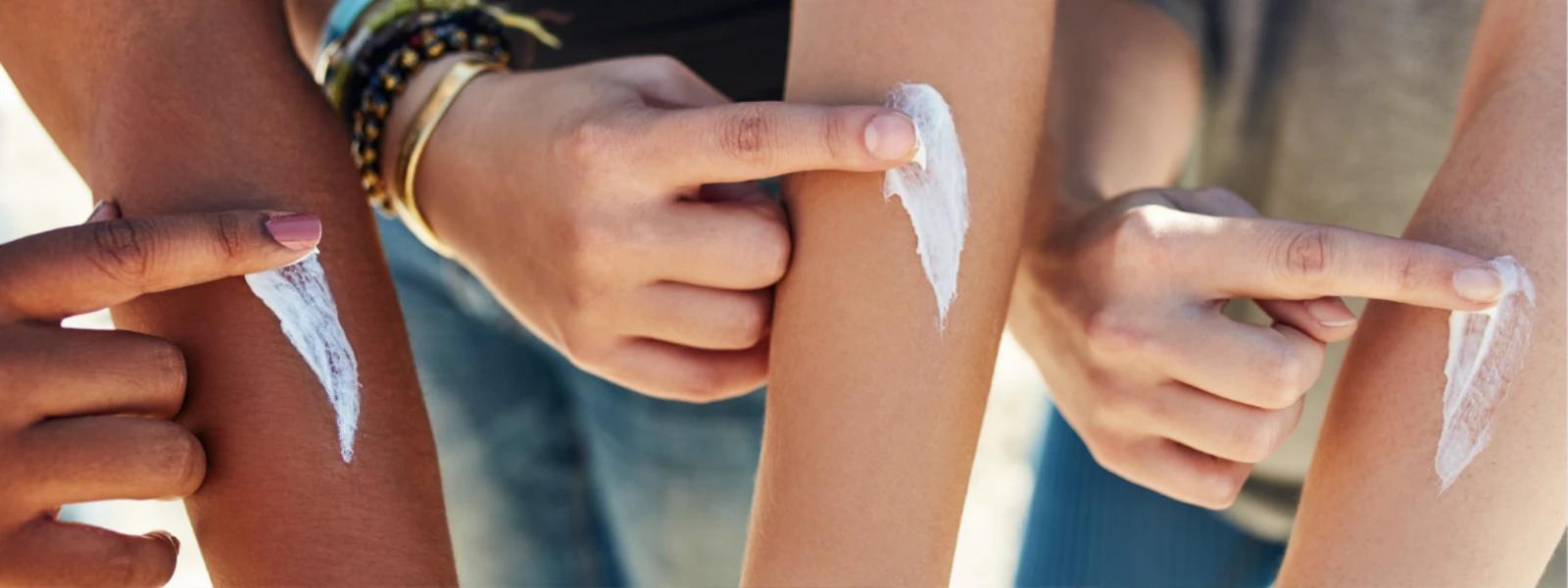
Nothing kills the sunscreen vibe quite like looking ashy or chalky after application. The dreaded white cast happens because traditional mineral sunscreens contain zinc oxide and titanium dioxide particles that sit on top of your skin, reflecting light - and unfortunately, reflecting it in a way that creates that ghostly appearance on darker complexions.
Here's the science bit: older formulations used larger particles that couldn't blend seamlessly with melanin-rich skin. Modern formulations have tackled this with micronised particles and better blending technology, but not all brands have caught up. Chemical sunscreens work differently - they absorb UV rays rather than reflecting them, which is why they typically don't leave any visible residue.
The particle size matters enormously. Nano-sized zinc oxide and titanium dioxide particles are small enough to blend more naturally with your skin tone, whilst still providing excellent protection. When shopping for mineral sunscreen for dark skin, look for terms like "micronised," "nano," or "sheer" on the packaging.
Not all sunscreens are created equal, especially when it comes to working beautifully with darker skin tones. Understanding the different types helps you make the right choice for your skin's needs and your lifestyle preferences.

Asaya Tinted Sunscreen SPF 50 | Makeup-Friendly | No White Cast | Niacinamide + Titanium Dioxide | For Oily, Combination & Acne-Prone Skin | 40ml
Chemical sunscreens are often the go-to choice for melanin-rich skin because they absorb into the skin rather than sitting on top. Ingredients like avobenzone, octinoxate, and octisalate work by absorbing UV rays and converting them to heat. These formulations typically feel lighter, blend seamlessly, and won't leave any white residue. They're particularly brilliant under makeup and for daily wear.
Tinted sunscreens have been a game-changer for darker skin tones. These formulations combine the protection of mineral sunscreens with pigments that complement various skin tones. Look for brands offering multiple tint options - what works for light brown skin might not suit deeper complexions. The best tinted sunscreens provide even coverage whilst offering broad-spectrum protection.
Hybrid sunscreens combine chemical and mineral filters to maximise protection whilst minimising white cast. These formulations often include smaller amounts of zinc oxide paired with chemical filters, giving you the photostability of minerals with the cosmetic elegance of chemical sunscreens.
The SPF debate for dark skin often centres around whether SPF 30 is sufficient or if SPF 50 is necessary. Here's the straightforward answer: SPF 30 is the minimum for daily protection, but SPF 50 offers meaningful additional benefits, especially if you're dealing with hyperpigmentation or spending extended time outdoors.
For hyperpigmentation prevention, higher SPF can make a real difference. Those dark spots from hormonal acne or melasma are incredibly photosensitive - even minimal UV exposure can darken them significantly. SPF 50 blocks about 98% of UVB rays compared to SPF 30's 97%, and whilst that 1% might seem negligible, it matters when you're trying to fade existing pigmentation.
Broad-spectrum protection is non-negotiable. UVA rays are the primary culprits behind photoageing and pigmentation issues, and they maintain consistent intensity throughout the day and seasons. Your daily sunscreen should protect against both UVA and UVB rays. Reapplication every two hours remains crucial, regardless of your skin tone - sunscreen effectiveness diminishes with time, sweat, and environmental exposure.
The best sunscreens for dark skin often include additional skin-loving ingredients that address common concerns whilst providing protection. Understanding these ingredients helps you choose formulations that work harder for your skin.

Asaya Fluid SPF 50 Sunscreen for Oily Skin | No White Cast | Matte, Ultra-Light & Non-Greasy | Niacinamide + Vitamin C | 50ml
Niacinamide is a brilliant addition to sunscreen formulations for darker skin tones. This form of vitamin B3 helps regulate oil production, reduces inflammation, and can help fade post-inflammatory hyperpigmentation over time. Vitamin C in sunscreen provides antioxidant protection against free radical damage whilst supporting collagen production. Hyaluronic acid keeps skin hydrated throughout the day, preventing that tight, dry feeling some sunscreens can cause.
If you have sensitive skin, avoid sunscreens with high concentrations of alcohol, which can be drying and irritating. Fragrances, whilst pleasant, can trigger sensitivity reactions, especially when combined with sun exposure. Some chemical filters like oxybenzone have been linked to hormonal disruption, though the research is still evolving. When in doubt, patch test new formulations before full-face application.
Proper application technique can make the difference between sunscreen that works beautifully with your skin and sunscreen that sits awkwardly on top. The key is understanding how to work with your skin's natural texture and tone.
Use the quarter-teaspoon rule for your face and neck - this ensures adequate coverage for protection. For darker skin, warming the product between your palms before application helps it blend more seamlessly. Apply in thin layers rather than one thick application, pressing gently into the skin rather than rubbing vigorously. This technique prevents pilling and ensures even coverage.
When layering with other skincare products, apply sunscreen as your final step before makeup. If you're using face sunscreen with active ingredients like niacinamide or vitamin C, allow each layer to absorb fully before applying the next. For reapplication over makeup, consider powder sunscreens or setting sprays with SPF, though these shouldn't replace your morning application.
The best sunscreen for dark skin depends on your specific needs, but generally, chemical sunscreens or tinted mineral formulations work brilliantly. Look for broad-spectrum SPF 30 or higher with no white cast. Chemical sunscreens with avobenzone or zinc oxide formulations specifically designed for darker skin tones are excellent starting points.
Chemical sunscreens are often preferred for black skin because they absorb completely without leaving residue. Alternatively, tinted mineral sunscreens designed for deeper skin tones provide excellent protection with a natural finish. Avoid traditional white zinc oxide formulations unless they specifically mention being suitable for darker complexions.

Asaya Mineral Sunscreen SPF 50 | Matte Finish | No White Cast | Non-Nano Zinc Oxide | Cica | Pregnancy Safe | All Skin Types | 50ml
SPF 50 is generally better for hyperpigmentation prevention and treatment. The additional protection helps prevent existing dark spots from darkening further and provides better defence against new pigmentation forming. If you're actively treating hyperpigmentation with ingredients like hydroquinone or tretinoin, higher SPF is particularly important.
Yes, if you're near windows or spend time in cars. UVA rays penetrate glass and contribute to photoageing and pigmentation issues. For purely indoor days with no window exposure, you can skip sunscreen, but most of us get some incidental UV exposure throughout the day.
Reapply every two hours when outdoors, or immediately after swimming or sweating heavily. For indoor office days, one morning application is typically sufficient unless you're by windows for extended periods. If you're wearing makeup, powder sunscreens or SPF setting sprays can help with reapplication.
You can, but face sunscreens are typically formulated to be lighter and less likely to cause breakouts. Body sunscreens might feel too heavy for facial use, especially if you have oily or acne-prone skin. Face formulations also often include additional skincare benefits like antioxidants or hydrating ingredients.
Finding the right sunscreen for melanin-rich skin doesn't have to be a frustrating journey of white casts and heavy formulations. The key is understanding your skin's specific needs and choosing formulations designed to work with, not against, your natural skin tone. Whether you prefer the seamless blend of chemical sunscreens, the natural coverage of tinted minerals, or the comprehensive protection of hybrid formulas, there's a perfect match for your skin.
Remember that consistent daily use matters more than finding the "perfect" formula. Your skin will thank you for the protection, and you'll notice the difference in how your complexion looks and feels over time. The beauty community has come so far in creating inclusive formulations - take advantage of the options available and don't let outdated myths keep you from the protection your skin deserves.
For those ready to explore premium sunscreen options, platforms like Smytten offer curated selections from trusted brands, often with sample opportunities to test formulations before committing to full sizes. With over 28 million users discovering their perfect products through trial and recommendation, you're in good company on your journey to better sun protection.
