Skincare for Melasma FAQ: Your Questions Answered
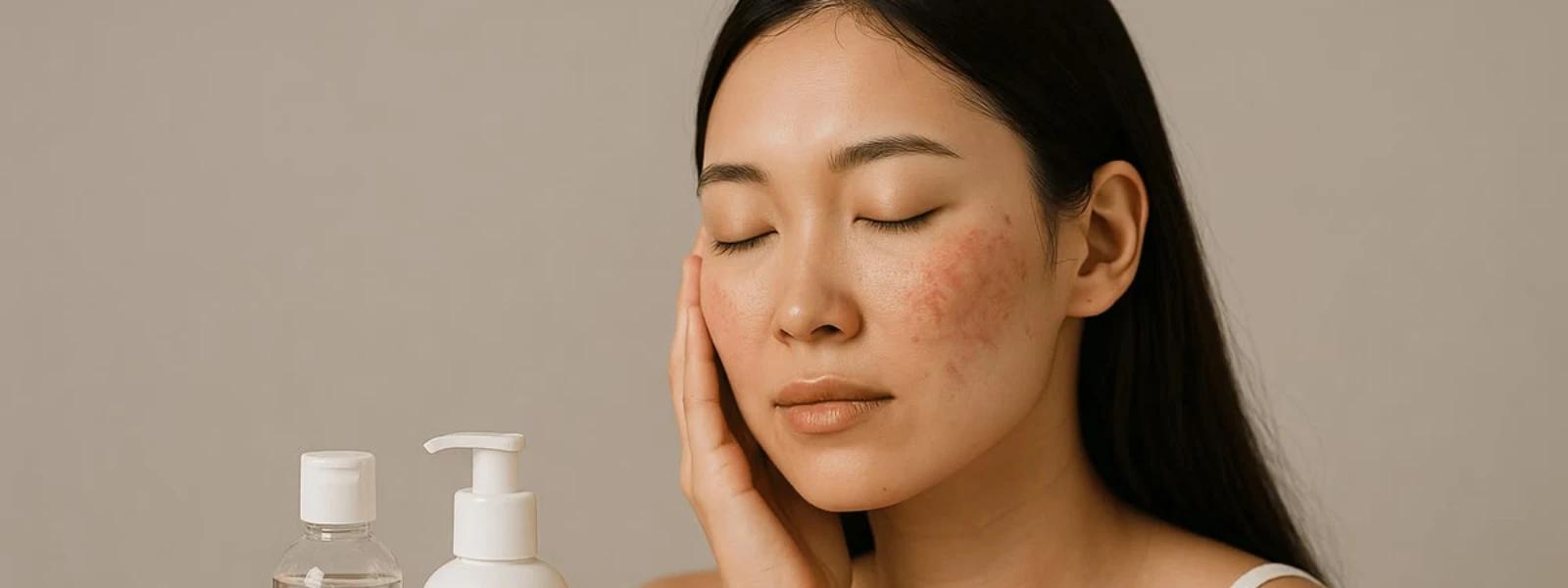

You've noticed those stubborn brown patches on your face that seem to darken with every sunny day. Perhaps they appeared during pregnancy, or after starting a new contraceptive. You're not alone—melasma affects millions of people, particularly women, and whilst it's completely harmless, it can feel frustrating when your usual skincare routine doesn't seem to make a dent. The good news? With the right approach and patience, you can manage melasma effectively. Let's dive into the most common questions about skincare for melasma and find the answers that actually work.
Melasma is a common skin condition that causes brown or grey-brown patches, typically on the face. Unlike other forms of hyperpigmentation such as post-inflammatory marks from acne, melasma has a distinctive pattern and specific triggers that set it apart.
The patches usually appear symmetrically on both sides of the face, most commonly on the cheeks, forehead, bridge of the nose, and upper lip. This symmetrical pattern is one of the key ways dermatologists distinguish melasma from other types of dark spots or uneven skin tone.
Several factors contribute to melasma causes. Hormonal changes are the primary trigger—pregnancy (often called "chloasma" or "the mask of pregnancy"), oral contraceptives, and hormone replacement therapy can all spark melasma development. This is why the condition affects women disproportionately, though men can develop it too.
Sun exposure acts as the main aggravating factor. UV rays stimulate melanocytes (pigment-producing cells) to produce excess melanin, darkening existing melasma patches. Even brief sun exposure without proper protection can undo months of treatment progress.
Genetics also play a role—if your mother or grandmother had melasma, you're more likely to develop it. Additionally, people with naturally darker skin tones are at higher risk, though melasma can affect all skin types and ethnicities.
Creating an effective skincare for melasma routine requires consistency, patience, and the right combination of protective and treatment products. Your routine should focus on three main goals: protecting existing skin, gently encouraging cell turnover, and preventing further pigmentation.
Morning Routine:
Gentle cleanser to remove overnight buildup without irritation
Vitamin C serum for antioxidant protection and skin brightening
Lightweight moisturiser to maintain barrier function
Broad-spectrum SPF 30+ sunscreen (the most crucial step)
Evening Routine:
Double cleanse if wearing makeup or sunscreen
Treatment products (retinoids, hydroquinone, or other prescribed ingredients)
Nourishing moisturiser to support skin barrier repair
Face oil if your skin tends toward dryness
Start slowly with active ingredients—introduce one new product every two weeks to assess tolerance. Many people make the mistake of using too many actives at once, which can cause irritation and actually worsen melasma. Your skin needs time to adjust, especially if you're dealing with hormonal fluctuations.
Consistency trumps intensity every time. A gentle routine followed religiously for months will yield better results than aggressive treatments used sporadically.
Effective melasma treatment often requires a multi-pronged approach, combining topical products with professional interventions when necessary. The key is understanding that melasma is a chronic condition that requires ongoing management rather than a quick fix.
Topical Treatments: Hydroquinone remains the gold standard for melasma treatment, available in 2% over-the-counter formulations or stronger prescription versions. It works by inhibiting tyrosinase, the enzyme responsible for melanin production. However, it should be used under dermatological guidance due to potential side effects with long-term use.
Tretinoin, a prescription retinoid, accelerates cell turnover and helps fade existing pigmentation whilst preventing new spots from forming. Kojic acid, azelaic acid, and arbutin offer gentler alternatives for those who can't tolerate hydroquinone.
Chemical peels can be highly effective for melasma when performed by qualified professionals. Glycolic acid, lactic acid, and TCA peels help remove pigmented surface cells and stimulate healthy skin renewal. However, improper peeling can worsen melasma, particularly in darker skin tones, so professional guidance is essential.
Professional treatments like laser therapy and microneedling show promise but require careful consideration. Some laser treatments can actually trigger more pigmentation in melasma-prone skin, whilst others, like certain fractional lasers, may help when used appropriately.
The most successful approach often combines multiple treatments—for example, a gentle chemical peel series combined with a prescription topical regimen and strict sun protection.
Choosing the right products for melasma requires understanding which ingredients work synergistically and which might cause irritation. The best approach focuses on gentle, consistent treatment rather than harsh, aggressive products.
Skin brightening serums should be your first port of call. Vitamin C serum provides antioxidant protection whilst gently inhibiting melanin production. Look for stable forms like magnesium ascorbyl phosphate or sodium ascorbyl phosphate, which are less likely to cause irritation than L-ascorbic acid.
Niacinamide deserves special mention—this gentle ingredient reduces inflammation, regulates oil production, and helps fade pigmentation without irritation. It's particularly beneficial for those with sensitive skin or those just starting their melasma treatment journey.
For gentle exfoliation, consider products with lactic acid or mandelic acid. These larger-molecule AHAs provide cell turnover benefits without the potential irritation of glycolic acid, making them suitable for melasma-prone skin.
Your moisturiser should focus on barrier repair and hydration. Look for ingredients like ceramides, hyaluronic acid, and peptides that support skin health without clogging pores or causing sensitivity.
Sunscreen deserves its own category—mineral sunscreens with zinc oxide and titanium dioxide provide excellent protection without the potential sensitivity issues of chemical filters. Choose SPF 30 or higher and reapply every two hours when outdoors.
Korean skincare philosophy offers valuable insights for melasma management, emphasising gentle, consistent care over aggressive treatments. This approach aligns perfectly with melasma's need for patient, sustained treatment.
The Korean focus on prevention over correction resonates strongly with melasma care. Daily sun protection, gentle cleansing, and consistent hydration form the foundation of K-beauty routines—exactly what melasma-prone skin needs.
Popular Korean ingredients like centella asiatica provide anti-inflammatory benefits that can help calm irritated skin during treatment. Snail mucin, whilst it might sound unusual, offers excellent hydration and healing properties that support skin barrier repair.
The multi-step approach allows for gentle layering of active ingredients. Rather than using one strong product, you might layer a vitamin C essence, followed by a niacinamide serum, then a hydrating toner—each providing benefits without overwhelming the skin.
Korean brands often formulate products with sensitive skin in mind, using lower concentrations of actives combined with soothing ingredients. This approach reduces the risk of irritation that can worsen melasma.
The emphasis on essence and ampoule products provides concentrated treatment in lightweight, easily absorbed formulas. This allows you to target pigmentation without heavy, potentially pore-clogging products.
Melasma prevention centres around understanding and managing your triggers. Since sun exposure is the primary aggravating factor, comprehensive sun protection forms the cornerstone of any prevention strategy.
Daily sunscreen application is non-negotiable—even on cloudy days, even when working indoors near windows. UVA rays, which contribute significantly to melasma, penetrate glass and clouds. Choose broad-spectrum protection and reapply every two hours when outdoors.
Physical protection enhances your sunscreen's effectiveness. Wide-brimmed hats, sunglasses, and seeking shade during peak UV hours (10 AM to 4 PM) provide additional protection. Consider UV-protective clothing for extended outdoor activities.
Hormonal management requires careful consideration. If you're on hormonal contraceptives and notice melasma developing, discuss alternatives with your healthcare provider. During pregnancy, when hormonal changes are unavoidable, focus intensively on sun protection and gentle skincare.
Lifestyle factors play supporting roles in melasma management. Stress can exacerbate hormonal fluctuations, potentially worsening melasma. Regular exercise, adequate sleep, and stress management techniques support overall skin health.
Seasonal adjustments help maintain progress year-round. Summer requires more frequent sunscreen reapplication and stronger protection, whilst winter might allow for slightly more active ingredients as UV exposure typically decreases.
The most effective approach combines prescription hydroquinone with tretinoin and strict sun protection. This triple combination, often called the Kligman formula, remains the gold standard for melasma treatment. However, treatment should always be supervised by a dermatologist to ensure safety and effectiveness.
Most people begin seeing improvements after 6-8 weeks of consistent treatment, with significant results typically visible after 3-6 months. However, melasma is a chronic condition that requires ongoing management. Some patches may take up to a year to fade significantly, and maintenance treatment is usually necessary to prevent recurrence.
Unfortunately, melasma cannot be permanently cured, but it can be effectively managed and controlled. The condition tends to be chronic, with patches potentially returning if triggers (like sun exposure or hormonal changes) occur. However, with proper treatment and prevention strategies, many people achieve significant fading and long-term control.
Avoid harsh scrubs, high-concentration glycolic acid, and any products that cause irritation, as inflammation can worsen melasma. Be cautious with essential oils, fragrances, and alcohol-based products. Some people find that certain chemical sunscreen ingredients can cause sensitivity, making mineral sunscreens a safer choice.
No, melasma and age spots are different conditions. Age spots (solar lentigines) are typically smaller, more defined, and appear on sun-exposed areas like hands and face. Melasma presents as larger, symmetrical patches with irregular borders, primarily on the face, and is hormonally triggered rather than purely sun-related.
Yes, whilst melasma affects women more frequently due to hormonal triggers, men can develop the condition too. In men, melasma is usually related to sun exposure, genetic predisposition, or certain medications. The treatment approach remains similar regardless of gender.
Managing melasma requires patience, consistency, and realistic expectations. This isn't a condition that responds to quick fixes or miracle products—it's a journey that rewards those who commit to gentle, sustained care.
Remember that progress isn't always linear. You might see initial improvement followed by plateaus, or even temporary worsening during hormonal fluctuations. This is normal and doesn't mean your routine isn't working.
The key is building a sustainable routine you can maintain long-term. Whether you're exploring new products through platforms like Smytten Shop, where you can try samples before committing to full sizes, or working with a dermatologist on prescription treatments, consistency remains your most powerful tool.
Your skin's needs may change with seasons, life stages, and hormonal fluctuations. Stay flexible and be prepared to adjust your routine accordingly. Most importantly, be kind to yourself—melasma is incredibly common, and with the right approach, you can achieve the clearer, more even-toned skin you're working towards.
