Skin Brightening Facial Routine FAQ: Your Questions Answered
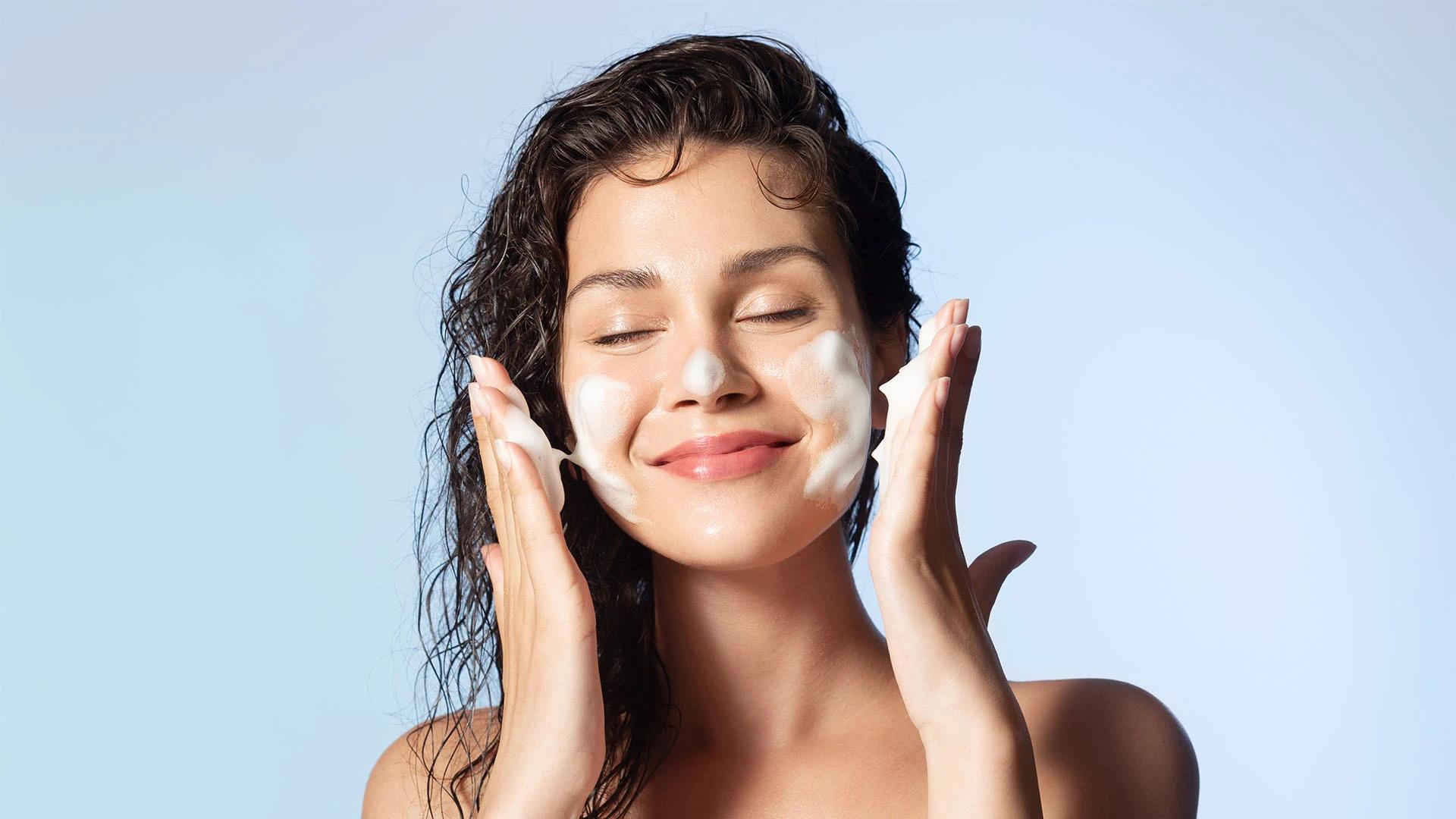

Ever stared at your reflection wondering why your skin looks so tired, even after a full night's sleep? You're not alone. Dull, uneven skin tone affects most of us at some point, whether it's from pollution, stress, or simply the natural ageing process. The good news? A well-crafted skin brightening facial routine can genuinely transform your complexion. But with so much conflicting advice online, it's easy to feel overwhelmed. Let's clear up the confusion and answer the questions you've been asking about achieving that natural, healthy glow.
Before diving into products and routines, it's crucial to understand what skin brightening actually means. Unlike harsh whitening treatments that aim to drastically alter your natural skin tone, brightening focuses on revealing your skin's natural radiance by addressing dullness, uneven tone, and dark spots.
Several factors contribute to lacklustre skin. Dead skin cells accumulate on the surface, creating a barrier that reflects light poorly. Sun damage leads to hyperpigmentation and uneven melanin distribution. Poor circulation, dehydration, and environmental stressors all play their part in making skin appear tired and dull.
The science behind brightening skincare involves accelerating cell turnover, inhibiting excess melanin production, and improving skin texture. Ingredients like vitamin C work as antioxidants whilst promoting collagen synthesis. AHAs gently dissolve the bonds between dead skin cells, revealing fresher skin underneath. Niacinamide helps regulate oil production and reduces the appearance of pores, contributing to overall skin clarity.
Realistic expectations are essential. Most people notice subtle improvements within 2-4 weeks of consistent use, with more significant changes appearing after 8-12 weeks. Remember, we're working with your skin's natural renewal cycle, which takes approximately 28 days.
A successful radiant skin routine requires consistency and the right products for your skin type. Here's a comprehensive approach that addresses brightening both morning and evening.
Start your day by gently cleansing away overnight impurities without stripping your skin's natural moisture barrier. A mild, pH-balanced cleanser works best for most skin types. Follow with a vitamin C serum – this powerhouse antioxidant protects against environmental damage whilst promoting a brighter complexion over time.
Next, apply a lightweight moisturiser containing niacinamide or other brightening agents. This step is crucial for maintaining hydration and supporting your skin barrier. Finally, never skip broad-spectrum SPF 30 or higher. Sun protection is non-negotiable in any skin brightening facial routine – UV exposure can undo weeks of progress in a single afternoon.
Evening routines can be more intensive since your skin repairs itself overnight. Begin with double cleansing if you wear makeup or sunscreen – an oil-based cleanser followed by your regular cleanser ensures thorough removal of the day's buildup.
Two to three times weekly, incorporate gentle exfoliation using AHAs like glycolic or lactic acid. These ingredients are excellent dull skin solutions that reveal brighter skin beneath. On non-exfoliation nights, apply brightening serums containing ingredients like kojic acid or arbutin. Finish with a nourishing night moisturiser that supports skin repair whilst you sleep.
Professional treatments can accelerate your brightening journey, but they're not essential for achieving results. Chemical peels performed by qualified aestheticians can address stubborn pigmentation more aggressively than at-home products. HydraFacials combine cleansing, exfoliation, and hydration in one treatment, making them excellent for maintaining a facial for glowing skin.
At-home treatments offer convenience and cost-effectiveness. Natural skin brighteners like turmeric masks, vitamin C-rich fruit enzymes, and gentle rice water treatments can complement your regular routine. However, consistency with proven ingredients typically yields better results than sporadic DIY treatments.
Vitamin C remains the gold standard for brightening. L-ascorbic acid is the most potent form, though magnesium ascorbyl phosphate offers stability for sensitive skin. Start with 10-15% concentrations and apply in the morning for maximum antioxidant protection.
Niacinamide deserves special mention for its versatility. This form of vitamin B3 not only brightens but also minimises pores, regulates oil production, and strengthens the skin barrier. It's suitable for all skin types and plays well with other ingredients.
Alpha hydroxy acids like glycolic and lactic acid work by dissolving the bonds between dead skin cells. Glycolic acid, with its smaller molecular size, penetrates deeper but can be more irritating. Lactic acid offers gentler exfoliation whilst providing hydration.
Kojic acid and arbutin specifically target melanin production, making them excellent for addressing dark spots and uneven tone. These ingredients work more slowly than AHAs but are generally well-tolerated by sensitive skin.
The biggest mistake people make is over-exfoliating in pursuit of faster results. Using multiple exfoliating products simultaneously or applying them too frequently can damage your skin barrier, leading to increased sensitivity and paradoxically, more dullness.
Another critical error is inconsistent sunscreen use. UV exposure not only prevents brightening ingredients from working effectively but can also worsen existing pigmentation. Make SPF your non-negotiable daily step, regardless of weather or indoor activities.
Patience is perhaps the most challenging aspect of any skin brightening routine. Many people abandon effective routines after just a few weeks, expecting overnight transformations that simply aren't realistic with safe, gentle ingredients.
The best facial for glowing skin depends on your specific concerns and skin type. For immediate radiance, oxygen facials or enzyme treatments work well. For long-term brightening, regular chemical peels or microdermabrasion sessions can be effective. However, consistency with a good at-home routine often produces better results than occasional professional treatments.
Whilst dramatic changes aren't realistic in a week, you can achieve noticeable improvements. Focus on gentle daily exfoliation with a mild AHA, consistent hydration, and protecting your skin from further damage with SPF. A vitamin C serum can provide immediate antioxidant benefits, though true brightening takes longer.
Apply products from thinnest to thickest consistency. After cleansing, use toners or essences, followed by serums (vitamin C in the morning, treatment serums at night), then moisturiser, and finally SPF during the day. Wait 10-15 minutes between active ingredients to allow proper absorption.
Some combinations work beautifully together, whilst others can cause irritation. Niacinamide pairs well with most ingredients. However, avoid using vitamin C with retinoids or AHAs in the same application. When introducing multiple actives, start slowly and monitor your skin's response.
Initial improvements in skin texture and hydration often appear within 2-3 weeks. Visible brightening and uneven skin tone treatment results typically become apparent after 6-8 weeks of consistent use. Stubborn dark spots may take 3-6 months to significantly fade, depending on their depth and age.
Some natural skin brighteners like vitamin C from citrus fruits or kojic acid from rice can be quite effective. However, synthetic versions often offer better stability and concentration control. The key is finding ingredients that work for your skin, regardless of their origin.
Yes, many brightening ingredients, particularly AHAs and retinoids, can increase photosensitivity. This makes daily SPF application absolutely crucial. Some people prefer to use these ingredients only in their evening routine to minimise sun sensitivity during the day.
Reduce the frequency of active ingredients and focus on gentle, hydrating products until irritation subsides. Consider whether you're using too many actives simultaneously or if a particular ingredient doesn't suit your skin. When reintroducing products, do so gradually and one at a time.
Your ideal best face brightening routine should reflect your skin type, concerns, and lifestyle. Oily, acne-prone skin benefits from salicylic acid-based cleansers and lightweight, non-comedogenic moisturisers with brightening ingredients. Those with dry or mature skin should prioritise hydrating formulations and consider gentler exfoliation methods.
Sensitive skin requires a more cautious approach. Start with lower concentrations of active ingredients and introduce them slowly. Arbutin and niacinamide are generally well-tolerated options for those with reactive skin.
Budget considerations needn't compromise effectiveness. Many affordable products contain proven brightening ingredients. Focus on key products like a vitamin C serum, gentle exfoliant, and reliable SPF rather than elaborate multi-step routines.
Achieving brighter, more radiant skin isn't about quick fixes or expensive treatments – it's about understanding your skin's needs and consistently using the right ingredients. A well-structured skin brightening facial routine can genuinely transform your complexion, but patience and consistency are your best tools.
Remember that healthy, glowing skin is a journey, not a destination. What works for your friend might not work for you, and that's perfectly normal. The key is finding products and routines that fit your lifestyle and skin type. Platforms like Smytten make this exploration easier by offering samples of premium skin brightening products, allowing you to test formulations before committing to full sizes. With over 28 million users discovering their perfect skincare matches, you're in good company on this journey to brighter, healthier skin.
