Scientific Basis for SPF Requirements: Indian UV Index Explained
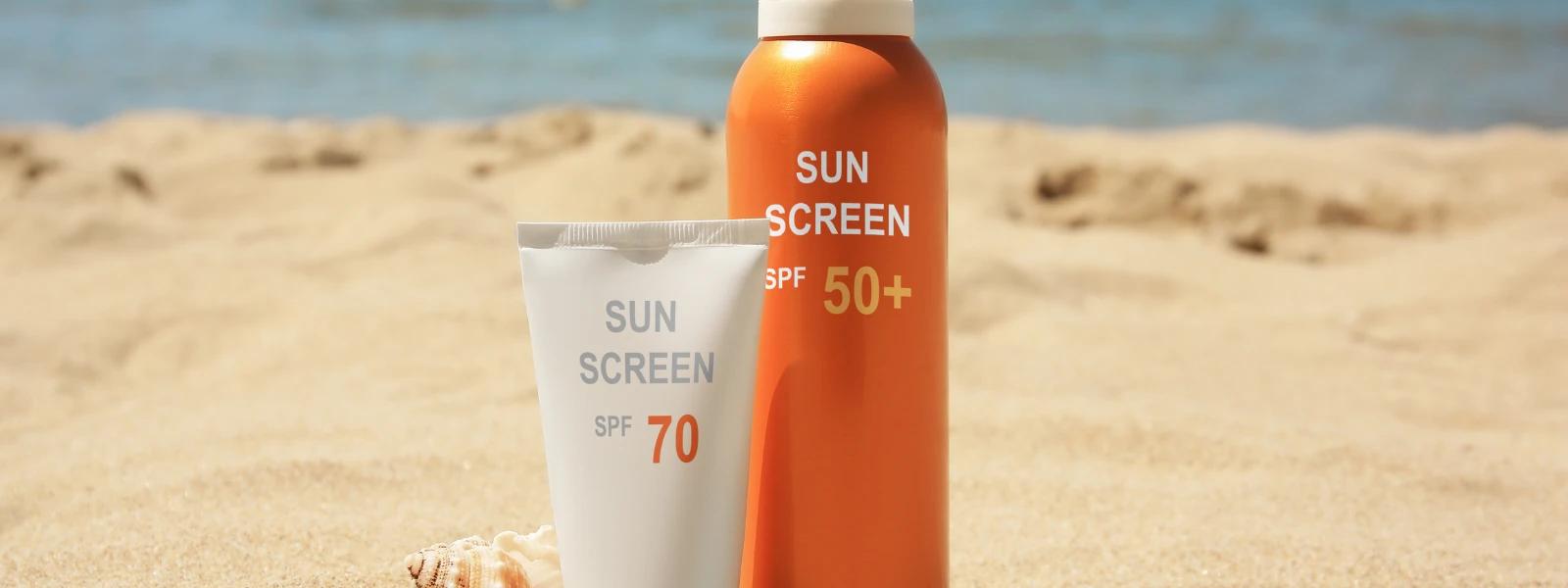

Ever wondered why your SPF 30 sunscreen feels inadequate during a Delhi summer, or why dermatologists insist on SPF 50+ for Indian conditions? The answer lies in understanding India's unique UV environment and the scientific basis for higher SPF requirements. With UV index levels consistently ranging between 8-12 across most Indian cities—significantly higher than global averages—our sun protection needs are far more demanding than standard international recommendations suggest.
India experiences some of the world's most intense UV radiation levels, with the Indian UV index regularly hitting extreme categories that demand serious protection. Unlike temperate countries where UV index peaks at 6-8 during summer, Indian cities consistently register 8-12 throughout the year, with some regions touching dangerous levels of 14+ during peak hours.
The geographic diversity across India creates varying UV exposure patterns. Northern plains, including Delhi and Punjab, experience UV index levels of 10-12 during summer months, whilst coastal regions like Mumbai and Chennai face year-round high UV exposure compounded by reflection from water surfaces. Mountainous regions present their own challenges—every 1000 metres of altitude increases UV radiation by approximately 10-15%, making places like Shimla and Darjeeling deceptively dangerous despite cooler temperatures.
Scientific measurements show that India's position near the equator, combined with clear atmospheric conditions for most of the year, creates optimal conditions for maximum UV penetration. Research conducted by the Indian Meteorological Department reveals that even during monsoon season, when cloud cover might suggest reduced exposure, UV radiation levels remain dangerously high due to scattered radiation.
This extreme UV environment explains why Western SPF requirements fall short for Indian conditions. Standard international guidelines, developed for UV index levels of 6-8, simply don't account for the sustained high-intensity exposure that characterises the Indian subcontinent.
The scientific basis for SPF requirements becomes clear when we examine the mathematical relationship between UV index and protection needs. Clinical research demonstrates that for every 2-point increase in UV index, the required SPF level should double to maintain equivalent protection.
Studies conducted on Indian skin types (predominantly Fitzpatrick phototypes III-V) reveal fascinating insights about our protection needs. Whilst Indian skin contains more melanin, providing natural protection equivalent to SPF 2-4, this baseline protection becomes insufficient against UV index levels of 8-12. Research published in the Indian Journal of Dermatology shows that even darker skin tones experience significant DNA damage when exposed to high UV conditions without adequate protection.
The mathematical relationship is straightforward: UV index 8-10 requires minimum SPF 30 for basic protection, whilst UV index 11-12+ demands SPF 50+ for safe exposure. This isn't marketing hyperbole—it's based on clinical testing that measures the time to erythema (skin reddening) under controlled UV exposure.
Clinical trials conducted across Indian cities demonstrate that sunscreen effectiveness drops significantly when SPF levels are inadequate for local UV conditions. A landmark study in Chennai showed that participants using SPF 15 in UV index 11 conditions experienced measurable skin damage equivalent to unprotected exposure in moderate UV environments.
Understanding the difference between UVA and UVB radiation is crucial for Indian consumers, as our intense sun exposure creates unique protection requirements. UVB radiation, responsible for immediate burning, peaks during midday hours. However, UVA radiation—the primary culprit behind premature ageing and hyperpigmentation—remains consistently high throughout daylight hours and penetrates through glass and cloud cover.
For Indian skin, UVA protection often matters more than UVB protection. Research shows that Indian skin types are more prone to post-inflammatory hyperpigmentation and melasma, conditions primarily triggered by UVA exposure. This explains why dermatologists emphasise PA++++ ratings alongside high SPF numbers.
The PA (Protection Grade of UVA) system, developed in Japan and widely adopted across Asia, provides crucial information for Indian consumers. PA+ offers some UVA protection, PA++ moderate protection, PA+++ high protection, and PA++++ extremely high protection. Given India's intense UVA exposure, PA+++ or PA++++ ratings are essential for meaningful sun damage prevention.
Scientific evidence shows that UVA radiation in Indian conditions can penetrate through monsoon clouds, reducing intensity by only 20-30%. This means that even on overcast days, significant UVA exposure occurs, making broad-spectrum protection non-negotiable for Indian skincare routines.
Regional variations across India demand tailored approaches to SPF requirements. Northern Indian cities like Delhi, Chandigarh, and Jaipur experience extreme UV conditions during summer months, with UV index consistently hitting 11-12. These conditions necessitate SPF 50+ with PA++++ protection for any outdoor activity lasting more than 15 minutes.
Coastal regions present unique challenges that go beyond UV index numbers. Cities like Mumbai, Chennai, and Goa face year-round high UV exposure compounded by reflection from water and sand surfaces. This reflected radiation can increase total UV exposure by 15-20%, making water-resistant formulations with frequent reapplication essential. Research conducted in Goa shows that beach exposure without proper protection can cause measurable skin damage within 10 minutes.
High-altitude destinations require special consideration. Places like Manali, Darjeeling, and hill stations in Uttarakhand experience intensified UV radiation due to thinner atmospheric protection. Every 300 metres of elevation increases UV exposure by approximately 4%, making SPF 50+ mandatory even during winter months.
Urban environments create their own protection needs. Cities with high pollution levels might seem to offer UV protection, but research shows that whilst pollution can scatter some UV radiation, it also creates photochemical reactions that can increase skin sensitivity. Metropolitan areas like Delhi and Mumbai require consistent high-SPF protection regardless of air quality conditions.
The sunscreen effectiveness depends heavily on proper application, and Indian climate conditions make this even more critical. The gold standard for sunscreen application is 2mg/cm², which translates to approximately 1/4 teaspoon for face and neck. However, studies show that most people apply only 25-50% of this amount, reducing protection by 50-80%.
Indian humidity and heat create additional challenges for sunscreen performance. Research conducted in Mumbai during monsoon season shows that high humidity can affect sunscreen adherence, whilst excessive sweating can remove protection within 40-60 minutes. This makes reapplication every 2 hours absolutely essential, not just recommended.
Water resistance becomes crucial in Indian conditions, not just for beach activities but for daily life in humid climates. The new Indian regulatory standards introduced in 2025 require more stringent water resistance testing, ensuring products maintain protection even under perspiration and humidity.
Application timing matters significantly in Indian UV conditions. Sunscreen should be applied 15-20 minutes before sun exposure to allow proper film formation. Given that UV index levels in India can reach dangerous levels as early as 10 AM, morning application becomes non-negotiable for anyone stepping outdoors.
Indian skin requires minimum SPF 30 for daily indoor-outdoor activities and SPF 50+ for extended outdoor exposure. This recommendation is based on India's consistently high UV index levels of 8-12, which demand higher protection than international standards suggest. Even with natural melanin protection, Indian skin experiences significant damage without adequate SPF in our intense UV environment.
For UV index 8-10 (typical Indian conditions): use SPF 30-40 minimum. For UV index 11-12+ (peak Indian summer): SPF 50+ is essential. For UV index 13+ (high altitude or extreme conditions): SPF 50+ with frequent reapplication every 90 minutes. These recommendations are based on clinical research specific to Indian UV exposure patterns.
Both are important, but UVA protection (indicated by PA ratings) is particularly crucial for Indian skin. UVA radiation causes hyperpigmentation, melasma, and premature ageing—common concerns for Indian skin types. Look for PA+++ or PA++++ ratings alongside high SPF numbers. UVA remains consistently high throughout the day and penetrates through clouds and glass.
Reapply every 2 hours as a baseline, but in Indian humidity and heat, consider reapplication every 90 minutes during peak exposure. After sweating, swimming, or towelling, immediate reapplication is necessary. Research shows that Indian climate conditions can reduce sunscreen effectiveness by 30-40% faster than temperate climates.
SPF 15 provides inadequate protection for Indian UV conditions. Clinical studies show that SPF 15 in UV index 10+ conditions offers protection equivalent to no sunscreen in moderate UV environments. For Indian conditions, SPF 15 should be considered the absolute minimum for very brief outdoor exposure, with SPF 30+ being the practical minimum for daily use.
Dermatologists recommend higher SPF because Indian UV conditions are more intense than global averages. Clinical research shows that Indian skin, despite melanin protection, experiences significant DNA damage and accelerated photoaging under high UV exposure. Higher SPF recommendations are based on scientific evidence, not marketing—they reflect the reality of India's extreme UV environment.
Understanding the scientific basis for SPF requirements in Indian conditions isn't just academic—it's essential for protecting your skin from our uniquely intense UV environment. The evidence is clear: India's consistently high UV index levels demand higher SPF protection than international standards suggest, and this isn't negotiable if you want to prevent long-term skin damage.
The beauty of modern skincare lies in having access to products specifically formulated for our needs. Platforms like Smytten make it easier to discover and try sunscreen formulations suited to Indian conditions before committing to full sizes. With over 28 million users exploring curated beauty selections, you can find the right SPF protection for your specific region and skin type whilst earning cashback on your purchases.
Your skin deserves protection based on science, not guesswork. Whether you're dealing with Delhi's extreme summer UV or Mumbai's year-round coastal exposure, choosing the right SPF level based on actual UV index data will make a measurable difference in your skin's health and appearance over time. Real talk: the investment in proper sun protection today prevents the expensive treatments needed tomorrow.
