Rough Skin vs Hyperpigmentation FAQ: Understanding Skin Texture
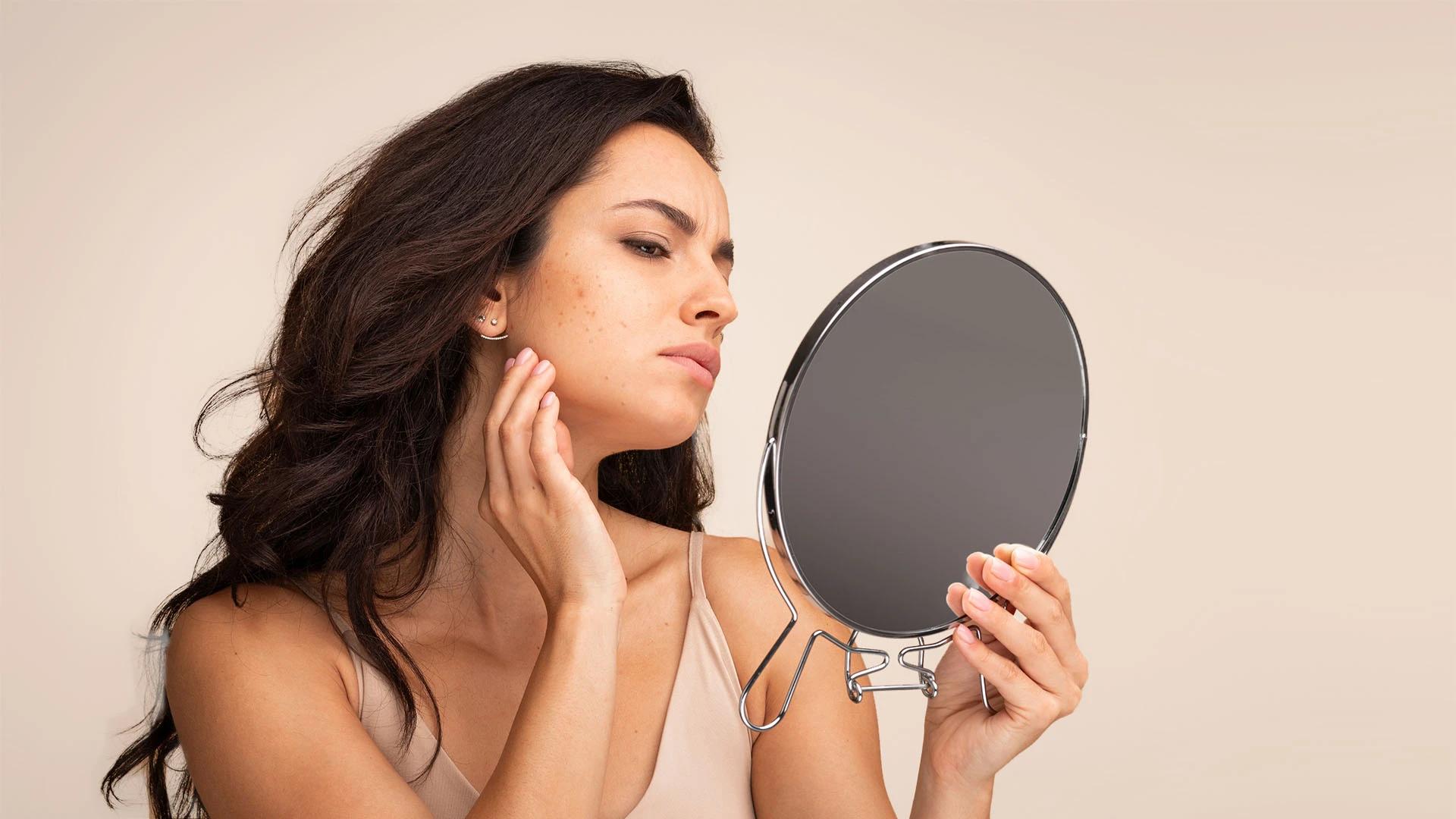

Ever found yourself staring at your skin in the mirror, wondering whether those bumps are texture issues or dark patches are pigmentation problems? You're not alone. Many of us struggle to identify whether we're dealing with rough skin or hyperpigmentation – and honestly, sometimes it's both. Understanding the difference between rough skin and hyperpigmentation is crucial because each requires completely different treatment approaches. Getting this wrong means you could be using the wrong products for months, wondering why nothing's working.
Rough skin is all about how your skin feels to touch. When you run your fingers across your face or body, you might notice bumps, dry patches, or an overall uneven surface that feels like sandpaper. This uneven skin texture happens when dead skin cells build up, pores become clogged, or your skin barrier isn't functioning properly.
The most common rough skin causes include environmental factors like harsh weather, over-exfoliation, or simply genetics. Keratosis pilaris – those tiny bumps that look like permanent goosebumps on your arms and legs – is one of the most recognisable forms of rough skin texture. This condition happens when keratin builds up around hair follicles, creating that characteristic bumpy feeling.
Dry bumpy skin often appears during winter months when indoor heating strips moisture from the air, or in areas with hard water that leaves mineral deposits on your skin. Unlike pigmentation issues, rough skin is primarily a tactile concern – you feel it before you see it.
Beyond keratosis pilaris, texture issues can manifest as enlarged pores that feel rough to touch, particularly around your nose and chin. Post-acne scarring creates another type of texture problem, where your skin feels uneven due to indented or raised areas left behind by previous breakouts.
Age-related texture changes happen gradually as collagen production slows down, making skin feel less smooth and supple. Environmental damage from pollution and UV exposure can also create a rough, weathered texture that's particularly noticeable on hands and face.
Hyperpigmentation is purely visual – it's about colour changes in your skin, not texture. When you notice dark spots on skin or patches that are darker than your natural skin tone, you're looking at excess melanin production in specific areas. Unlike rough skin, hyperpigmented areas usually feel completely smooth to touch.
Skin pigmentation occurs when melanocytes (pigment-producing cells) become overactive in certain areas. This can happen due to sun exposure, hormonal changes, inflammation, or genetic factors. The key difference from texture issues is that skin discoloration doesn't change how your skin feels – only how it looks.
Many people notice their skin getting darker for no apparent reason, especially during pregnancy, when starting new medications, or after inflammatory skin conditions like acne. This happens because melanocytes respond to various triggers by producing more pigment in localised areas.
Melasma appears as symmetrical brown patches, typically on the face, and is strongly linked to hormonal changes. Post-inflammatory hyperpigmentation (PIH) develops after acne, cuts, or other skin injuries heal, leaving behind darker marks that can persist for months or years.
Sun spots and age spots are another common form of hyperpigmentation, appearing as flat, brown patches on areas regularly exposed to UV light. These are purely cosmetic concerns and don't affect skin texture or health.
The fundamental difference lies in what you experience: rough skin is something you feel, whilst hyperpigmentation is something you see. When you close your eyes and touch your skin, rough areas will feel bumpy, dry, or uneven. Hyperpigmented areas will feel exactly the same as the surrounding skin.
Texture issues create shadows and dimension on your skin's surface, whilst pigmentation creates flat colour variations. Rough skin often looks different under various lighting conditions due to how light hits the uneven surface. Hyperpigmentation maintains consistent colour regardless of lighting, though it may appear more or less noticeable depending on contrast.
Location patterns also differ significantly. Rough skin commonly appears on areas prone to dryness or friction – elbows, knees, heels, and sometimes the face. Hyperpigmentation typically develops on sun-exposed areas or where inflammation has occurred.
Run your fingers gently across the affected area with your eyes closed. If you feel bumps, roughness, or texture differences, you're dealing with a texture issue. If the area feels smooth but looks different in colour, it's likely hyperpigmentation. Sometimes both conditions occur together, particularly after acne, where you might have both textural scarring and dark marks.
Understanding your specific concern is crucial because treatments for rough skin and hyperpigmentation work through completely different mechanisms. Using the wrong approach won't just be ineffective – it might actually worsen your condition.
Skin texture improvement focuses on removing dead skin buildup and supporting healthy cell turnover. Gentle physical exfoliation with soft cloths or fine scrubs can help, but chemical exfoliants like AHAs and BHAs are often more effective for consistent results.
For keratosis pilaris and other bumpy texture issues, consistent moisturising with ingredients like urea or lactic acid helps soften the keratin buildup. The key is patience and consistency – texture improvements typically take 6-8 weeks of regular treatment to become noticeable.
Hyperpigmentation treatment requires ingredients that either inhibit melanin production or help fade existing pigment. Vitamin C, niacinamide, and retinoids work well for mild hyperpigmentation, whilst stronger ingredients like hydroquinone or kojic acid may be needed for stubborn spots.
Professional treatments like chemical peels or laser therapy can accelerate results for severe hyperpigmentation, but these should always be performed by qualified practitioners. The timeline for pigmentation improvement is typically longer than texture issues, often requiring 3-6 months of consistent treatment.
Hyperpigmentation appears as flat, darker patches that feel smooth to touch. If you can feel bumps, roughness, or texture differences, you're likely dealing with a texture issue rather than pure pigmentation. Take photos in natural light to track colour changes over time, as hyperpigmentation often develops gradually.
Several hidden factors can trigger hyperpigmentation, including hormonal fluctuations, certain medications, vitamin deficiencies, or underlying health conditions. Even minor inflammation from tight clothing or harsh skincare products can stimulate melanin production. If darkening appears suddenly or extensively, consult a dermatologist to rule out underlying causes.
Gentle cleansers alone won't remove existing hyperpigmentation, as they don't contain active ingredients that affect melanin production. However, they play an important supporting role by maintaining skin barrier health, which allows targeted treatments to work more effectively. You'll need specific ingredients like vitamin C, retinoids, or AHAs for actual pigmentation improvement.
Microneedling can help with hyperpigmentation by promoting cell turnover and allowing better penetration of topical treatments. However, it's more effective for post-inflammatory hyperpigmentation than for melasma or sun spots. The treatment can initially worsen pigmentation in some people, so it's best performed by professionals who can assess your specific skin type and pigmentation pattern.
Complete removal isn't always possible, and timelines vary significantly based on the type and depth of pigmentation. Surface-level PIH might fade in 3-6 months with consistent treatment, whilst deeper pigmentation like melasma can take 12-18 months or longer. Some types of hyperpigmentation may only lighten rather than disappear completely, which is why prevention through sun protection is crucial.
Dry skin feels tight and may appear flaky but is generally smooth to touch. Keratosis pilaris creates distinct tiny bumps that feel rough and sandpaper-like, often described as "chicken skin." KP bumps are caused by keratin buildup around hair follicles, whilst dry skin is simply lacking moisture and natural oils.
Yes, but it requires a careful approach to avoid over-treating your skin. Start with gentle exfoliation to address texture, then gradually introduce pigmentation-targeting ingredients. Some ingredients like retinoids and AHAs can help with both concerns, making them efficient choices for combination issues. Always introduce new treatments slowly and monitor your skin's response.
Understanding the difference between rough skin and hyperpigmentation empowers you to choose the right treatments and set realistic expectations. Remember that texture issues respond to exfoliation and barrier repair, whilst pigmentation requires ingredients that affect melanin production. Both concerns take time to improve, so patience and consistency are your best allies.
If you're exploring new treatments, platforms like Smytten Shop offer curated selections from premium skincare brands, allowing you to discover effective products through their extensive range. With over 28 million users finding their perfect skincare matches, you can explore targeted treatments with confidence, knowing you're investing in products that align with your specific skin concerns.
Your skin journey is unique, and what works for others might not work for you. Focus on understanding your specific concerns first, then build a routine that addresses them systematically. Whether you're dealing with texture, pigmentation, or both, the right approach combined with patience will help you achieve the healthier skin you're working towards.
