Red Skin Spots FAQ: Causes, Treatment & Prevention
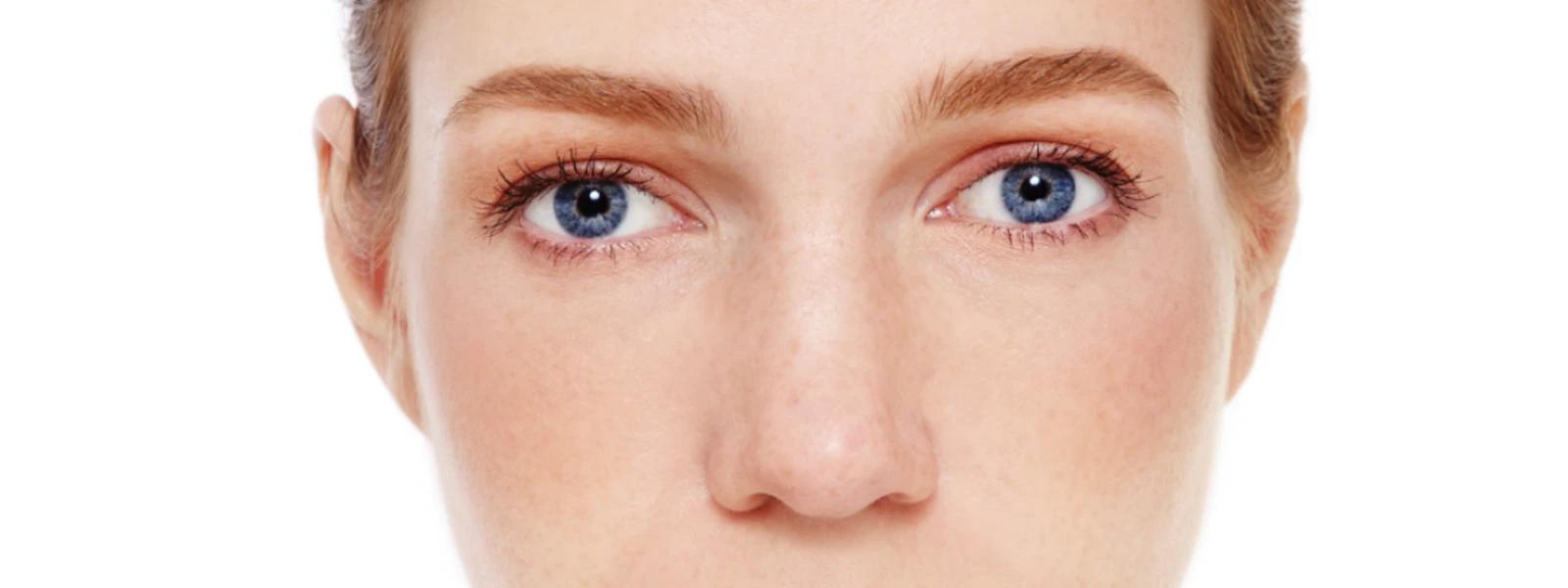

Those little red spots that suddenly appear on your skin can be quite unsettling. Whether they're tiny pinpricks or larger patches, red skin spots are one of the most common skin concerns that send people searching for answers. The good news? Most red spots on skin are completely harmless and temporary. From heat rash after a particularly warm day to allergic reactions from a new skincare product, our skin has many ways of communicating with us through these colourful signals.
Red skin spots are areas of skin discoloration that appear redder than your normal skin tone. They can range from tiny pinpoint dots to larger patches, and understanding their characteristics helps determine what might be causing them.
Flat red spots lie flush with your skin surface and often indicate broken blood vessels, allergic reactions, or viral infections. These might appear as small cherry-red dots or larger blotchy areas. Raised red bumps on skin, on the other hand, feel elevated when you run your finger over them and typically suggest inflammation, infection, or blocked pores.
The timeline matters too. Some red spots appear suddenly after exposure to an allergen or irritant, whilst others develop gradually over weeks or months. Itchy red spots often point to allergic reactions or inflammatory conditions, whereas non-itchy spots might be vascular in nature or related to age.
Size variations tell their own story. Tiny red dots smaller than 2mm are often petechiae from broken capillaries, whilst larger spots might indicate infections, chronic skin conditions, or skin inflammation from various causes.
Understanding what triggers red skin spots helps you respond appropriately and know when to seek professional help. Here are the most frequent culprits behind those mysterious red marks.
Allergic reaction skin responses are incredibly common, especially with new skincare products, detergents, or plants like poison ivy. Contact dermatitis typically appears within hours to days of exposure, creating red, inflamed patches that may itch intensely. The pattern often gives clues—linear streaks from plant contact or geometric shapes from jewellery or clothing.
Heat rash develops when sweat ducts become blocked, creating small red bumps particularly in areas where clothing fits snugly. This skin irritation is especially common during humid weather or after intense physical activity. The spots typically appear on the chest, back, and areas where sweat accumulates.
Various infections manifest as red spots. Viral infections like chickenpox create characteristic fluid-filled bumps, whilst bacterial infections might cause painful, pus-filled spots. Fungal infections often appear as circular red patches with clearer centres, particularly in warm, moist areas of the body.
Eczema and psoriasis are long-term conditions that cause recurring red, inflamed patches. Eczema typically appears in skin folds and may be intensely itchy, whilst psoriasis creates thick, scaly red patches often on elbows, knees, and scalp. Folliculitis, inflammation of hair follicles, creates small red bumps around hair shafts.
Cherry angiomas are small, bright red spots that become more common with age. They're made of dilated blood vessels and are completely harmless. Petechiae appear as tiny red or purple dots and result from minor bleeding under the skin, often from vigorous coughing or physical strain.
Most red spots are benign, but certain characteristics warrant closer attention. Learning to distinguish between harmless and concerning symptoms helps you make informed decisions about seeking medical care.
Benign red spots typically remain stable in size and appearance, don't spread rapidly, and aren't accompanied by systemic symptoms like fever or breathing difficulties. They may fade gradually over days or weeks and don't cause significant discomfort beyond mild itching.
Seek medical evaluation if red spots appear alongside fever, difficulty breathing, or rapid spreading across your body. Spots that bleed easily, change colour dramatically, or persist for several weeks without improvement also warrant professional assessment. Any skin rash that interferes with daily activities or causes severe discomfort should be evaluated promptly.
Dermatologists use various methods to diagnose red skin spots accurately. Visual examination under proper lighting reveals important details about size, shape, distribution, and surface characteristics. Sometimes, a small skin sample (biopsy) helps confirm the diagnosis, particularly for unusual or persistent spots.
Your medical history provides crucial context. Recent travel, new medications, dietary changes, or exposure to potential allergens all influence the diagnostic process. The location and pattern of spots often provide significant clues about underlying causes.
Treatment approaches vary significantly depending on the underlying cause of your red spots. The key is matching the treatment to the specific condition rather than just addressing the symptoms.
Antihistamines effectively manage allergic reactions and reduce itching from various causes. Topical hydrocortisone cream helps calm skin inflammation and provides relief from itchy, irritated areas. Cool compresses and calamine lotion offer immediate soothing relief, particularly for heat rash or minor allergic reactions.
Stronger topical corticosteroids may be necessary for persistent inflammatory conditions. Antifungal medications treat infections effectively, whilst immunosuppressants help manage chronic conditions like severe eczema or psoriasis. Your dermatologist will prescribe specific treatments based on your diagnosis.
Cool oatmeal baths provide gentle relief for widespread skin irritation. Aloe vera gel soothes inflamed skin naturally, whilst avoiding known triggers prevents recurring reactions. However, persistent or worsening symptoms always require professional medical evaluation rather than continued home treatment.
Preventing red spots often involves identifying and avoiding personal triggers whilst maintaining healthy skin barrier function.
Establishing a gentle skincare routine with fragrance-free products reduces the risk of allergic reactions. Sun protection prevents various types of skin discoloration and damage. Wearing breathable fabrics and managing stress levels also contribute to overall skin health.
Maintaining appropriate humidity levels prevents excessive skin dryness that can lead to irritation. Using hypoallergenic household products and regularly washing bedding in hot water reduces exposure to potential allergens and irritants.
Sudden red spots often result from allergic reactions to new products, foods, or environmental factors. Stress, hormonal changes, and viral infections can also trigger rapid spot development. Consider any recent changes in your routine, products, or environment when spots appear suddenly.
Small red dots are usually harmless, especially if they don't itch, spread, or change appearance. Cherry angiomas and minor broken capillaries are common causes. However, if dots appear with other symptoms like fever or breathing difficulties, seek medical attention promptly.
Non-itchy red spots often have vascular causes like cherry angiomas or broken blood vessels. Age-related changes, sun damage, and certain medications can also cause painless red spots. These are typically benign but worth monitoring for changes.
The timeline varies significantly by cause. Allergic reactions may resolve within days to weeks, whilst viral infections follow their natural course. Chronic conditions require ongoing management, and age-related spots like cherry angiomas are typically permanent unless treated.
Stress can trigger or worsen various skin conditions, including eczema flares and stress-related rashes. It weakens your immune system and can make existing skin conditions more reactive. Managing stress through relaxation techniques often improves overall skin health.
Most red spots aren't contagious. Allergic reactions, heat rash, and age-related spots pose no transmission risk. However, infectious causes like viral rashes or bacterial skin infections may be contagious until properly treated.
Consult a dermatologist if spots persist beyond a few weeks, change appearance rapidly, or interfere with daily life. Any spots accompanied by systemic symptoms or those that bleed easily warrant professional evaluation.
Red skin spots, whilst often concerning when they first appear, are usually manageable with proper understanding and care. The key lies in observing their characteristics, identifying potential triggers, and knowing when professional help is needed.
For those exploring new skincare products to address skin concerns, platforms like Smytten Shop offer the opportunity to try products before committing to full sizes. With access to premium brands and the ability to test formulations on your skin first, you can make informed decisions that support your skin health journey. Whether you're dealing with sensitive skin prone to reactions or simply want to maintain healthy skin, having access to curated, trusted products makes all the difference in achieving your skin goals.
