Post Acne Redness FAQ: Everything About PIE Treatment

 15 G
15 GAsaya Advanced Spot Targeting Gel | Fast-Acting Discolouration Care | Targets Stubborn Marks | Spicules + Biomimetic Peptides + Arbutin | 15g
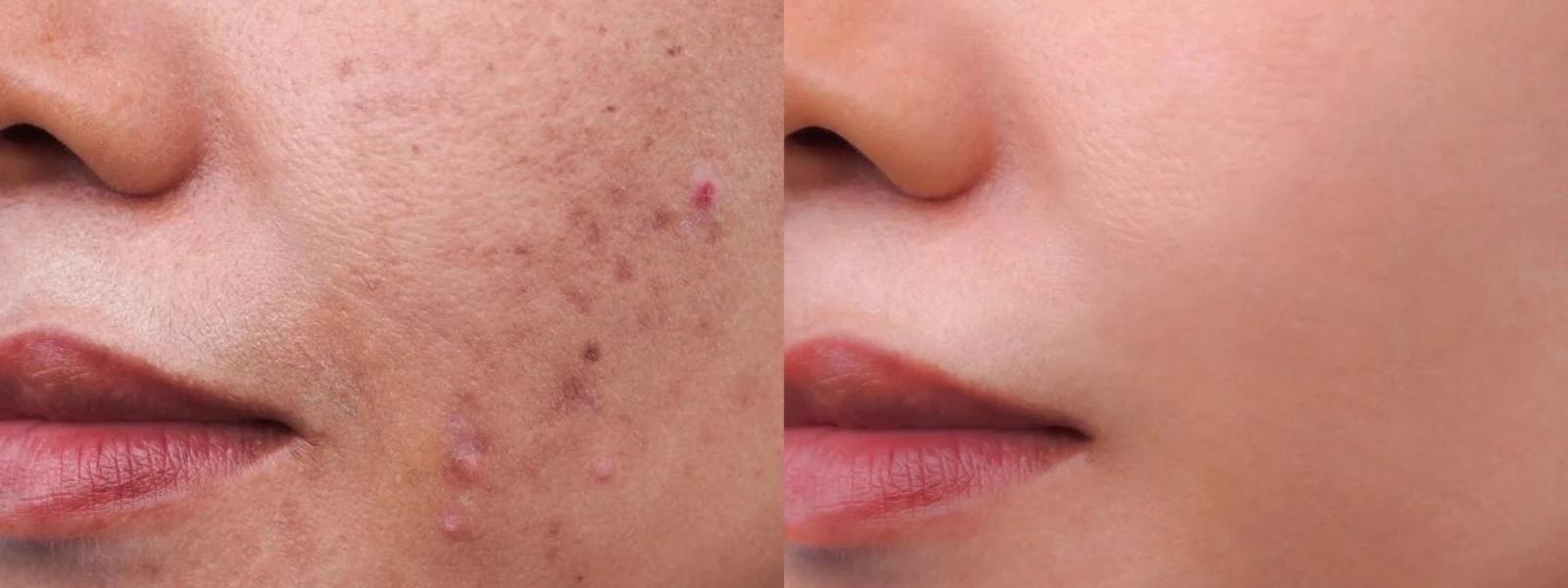
You know that moment when your breakout finally clears, but you're left staring at angry red marks that seem determined to overstay their welcome? Those stubborn patches of redness after acne can feel just as frustrating as the original spots themselves. Whether you're dealing with a few scattered marks or more widespread post inflammatory erythema, understanding what's happening beneath your skin—and more importantly, how to address it—can make all the difference in your journey back to clear, even-toned skin.
Let's start with the basics: not all red marks from acne are created equal. When your skin is healing from breakouts, it can leave behind two distinct types of marks that often get confused with each other. Post inflammatory erythema (PIE) appears as red or pink marks, whilst post inflammatory hyperpigmentation (PIH) shows up as brown or darker patches.
PIE happens when the tiny blood vessels beneath your skin become damaged during the inflammatory process of acne. Think of it as your skin's equivalent of a bruise—the skin redness after pimples you see is actually dilated or broken capillaries showing through. This is why PIE marks often have that distinctive red or pink hue that can look almost translucent in certain lighting.
Here's a simple test to identify what you're dealing with: gently press a clear piece of glass or plastic against the mark. If the redness disappears temporarily, you're likely looking at PIE. If the mark remains visible, it's probably PIH. This difference matters because PIE treatment requires a different approach than treating hyperpigmentation.
When acne inflames your skin, your body rushes blood to the area to fight infection and begin healing. This increased blood flow can damage the delicate capillary walls, leaving them dilated or broken. The result? Those persistent red marks that can linger long after the original spot has healed. Deeper, more inflamed breakouts like cystic acne tend to cause more severe vascular damage, which explains why some acne scar redness is more stubborn than others.
The timeline for treating post acne redness varies significantly from person to person, but understanding general expectations can help you stay patient with the process. Mild PIE from surface-level breakouts might fade naturally within 2-6 weeks, whilst deeper inflammatory acne can leave marks that persist for several months without intervention.
Your age plays a role here—younger skin typically heals faster due to more efficient cell turnover and better circulation. Skin type matters too; those with sensitive or reactive skin often experience longer-lasting redness. The severity and depth of the original breakout also influences healing time, with cystic acne generally leaving more persistent marks than surface-level spots.
Several factors can slow down your skin's natural healing process. Sun exposure is a major culprit, as UV rays can worsen inflammation and delay recovery. Picking at healing skin, using harsh products, or not maintaining a consistent gentle routine can all extend the timeline. Stress, poor sleep, and inflammatory foods might also impact how quickly your skin bounces back.
The good news is that many effective treatments for red acne marks can be incorporated into your daily routine without requiring professional intervention. The key is choosing ingredients that specifically target inflammation and support healthy circulation whilst being gentle enough not to cause further irritation.

Asaya Rapid Dark Spot Correction Set | Reduces Dark Spots & Post-Acne Marks | Cleanser, Gel, Moisturizer & Sunscreen Kit
Niacinamide deserves a spot at the top of your PIE-fighting arsenal. This form of vitamin B3 is brilliant at reducing inflammation and improving circulation, which directly addresses the root cause of post acne redness. Look for concentrations between 5-10% for optimal results without irritation. Many people notice improvements within 2-4 weeks of consistent use.
Azelaic acid is another powerhouse ingredient that works particularly well for PIE. It gently exfoliates whilst reducing inflammation and has the added benefit of being suitable for sensitive skin. Start with lower concentrations (around 10%) and gradually work up if your skin tolerates it well.
Gentle retinoids can help speed up cell turnover, encouraging your skin to heal more efficiently. Over-the-counter retinol products are a good starting point, though you'll want to introduce them slowly to avoid irritation that could worsen redness.
Your morning routine should focus on protection and gentle treatment. Start with a mild cleanser—nothing too foaming or stripping. Apply your niacinamide serum to slightly damp skin, follow with a lightweight moisturiser, and never skip SPF. Sun protection is absolutely crucial when treating post acne redness, as UV exposure can set back your progress significantly.
Evening routines can incorporate slightly more active ingredients. After cleansing, you might alternate between azelaic acid and retinol (never on the same night initially), always followed by a nourishing moisturiser. Remember, consistency trumps intensity when it comes to PIE treatment.
When you need fast relief from angry-looking marks, a cold compress can work wonders. Wrap ice in a soft cloth and gently press against the affected area for 5-10 minutes. This helps constrict blood vessels temporarily, reducing the appearance of redness.
Aloe vera gel straight from the fridge provides both cooling relief and anti-inflammatory benefits. Look for pure aloe without added fragrances or colours. Green tea compresses are another gentle option—brew a strong cup, let it cool completely, then soak a clean cloth and apply to red areas.
When at-home treatments aren't providing the results you're after, professional options can offer more dramatic improvements in shorter timeframes. These treatments specifically target the vascular component of PIE, addressing the damaged blood vessels directly.

Asaya Dark Spot Reduction Set | 3-Step Routine for Hyperpigmentation & Even Skin Tone | Cleanser, Serum & Moisturizer | Skin Care Routine Kit
IPL (Intense Pulsed Light) is often considered the gold standard for treating post inflammatory erythema. The light energy targets the haemoglobin in dilated blood vessels, causing them to collapse and be reabsorbed by the body. Most people need 3-5 sessions spaced 4-6 weeks apart, with results becoming visible after the second treatment.
Pulsed dye lasers work similarly but with more targeted wavelengths. They're particularly effective for deeper red marks but may require more downtime. LED light therapy offers a gentler approach, using specific wavelengths to reduce inflammation and promote healing, though results take longer to appear.
Dermatologists might prescribe oxymetazoline gel, which works by constricting blood vessels to reduce redness. It's particularly effective for persistent PIE that hasn't responded to other treatments. Results can be seen within hours of application, though the effect is temporary and requires ongoing use.
Tranexamic acid is gaining popularity for its ability to reduce both redness and inflammation. Available in both topical and injectable forms, it works by stabilising blood vessels and reducing inflammatory responses.
The most effective approach to fading acne scars and preventing PIE is addressing breakouts properly from the start. This means treating active acne promptly and gently, avoiding the temptation to pick or squeeze spots, and maintaining consistent anti-inflammatory skincare practices.
Sun protection cannot be overstated in its importance. UV exposure not only worsens existing redness but can also trigger more inflammation in healing skin. Use a broad-spectrum SPF 30 or higher daily, even when you're primarily indoors, as windows don't block all harmful rays.
Consider incorporating anti-inflammatory foods into your diet—omega-3 rich fish, leafy greens, and antioxidant-rich berries can support your skin's healing process from the inside out. Staying well-hydrated and getting adequate sleep also play crucial roles in skin recovery.
One of the biggest mistakes people make when trying to speed up PIE healing is over-exfoliating. Whilst gentle exfoliation can help, aggressive scrubbing or using multiple exfoliating products simultaneously will only increase inflammation and potentially worsen redness. Stick to one gentle exfoliant and use it no more than 2-3 times per week initially.
Product switching is another common pitfall. It's tempting to try every new treatment that promises quick results, but constantly changing your routine prevents you from accurately assessing what's working. Give new products at least 6-8 weeks before deciding whether they're effective.
Skipping moisturiser because you're worried about clogging pores is counterproductive when dealing with PIE. Properly hydrated skin heals faster and is less prone to irritation. Choose non-comedogenic formulas that won't exacerbate breakouts whilst supporting your skin barrier.

Asaya Anti-Acne Set | Targets Acne, Breakouts & Clogged Pores | Lightweight, Non-Greasy Routine | Ideal for Oily & Acne-Prone Skin
Results vary depending on the treatment method and severity of your PIE. Topical treatments like niacinamide typically show improvements within 4-6 weeks of consistent use, whilst professional treatments like IPL may show results after 2-3 sessions. Natural healing without intervention can take anywhere from 6 weeks to several months. The key is maintaining realistic expectations and staying consistent with your chosen treatment approach.
Yes, you can safely use makeup to cover post inflammatory erythema as long as you choose non-comedogenic products that won't clog pores or irritate healing skin. Green-tinted colour correctors work particularly well for neutralising red tones before applying foundation. Always remove makeup thoroughly at the end of the day and avoid products with heavy fragrances or potential irritants.
PIE is rarely permanent, though some marks may take months to fade completely without treatment. Unlike true acne scars, which involve changes to skin texture, PIE is primarily a vascular issue that can improve with time and appropriate treatment. However, very deep or severe PIE from cystic acne may require professional intervention to achieve optimal results.
PIE refers specifically to the red or pink discolouration left behind after acne, caused by damaged blood vessels. True acne scars involve changes to skin texture—either raised (hypertrophic) or depressed (atrophic) areas where the skin structure has been permanently altered. PIE is generally easier to treat than textural scars and often responds well to anti-inflammatory treatments.
Yes, but it requires a careful balance. Many ingredients that help with active acne, such as salicylic acid and benzoyl peroxide, can be irritating to skin that's already dealing with post-inflammatory redness. Focus on gentle, anti-inflammatory ingredients like niacinamide that can address both concerns simultaneously. Always introduce new products gradually and monitor your skin's response.
Whilst professional and clinically-proven treatments tend to be most effective, some natural approaches can provide supportive benefits. Aloe vera has genuine anti-inflammatory properties, and green tea contains antioxidants that may help reduce redness. However, be cautious with DIY treatments like lemon juice or baking soda, which can actually worsen inflammation and delay healing.
Treating post acne redness requires patience, consistency, and the right approach for your specific skin needs. Whether you choose gentle at-home treatments or decide to explore professional options, understanding that PIE is a treatable condition—not a permanent fixture—is the first step towards clearer, more even-toned skin.
Remember that everyone's skin responds differently to treatments, and what works brilliantly for one person might not be the perfect solution for another. The key is finding a routine that you can stick with consistently whilst being gentle with your healing skin. For those exploring new products and treatments, platforms like Smytten Shop offer the opportunity to try samples before committing to full sizes, helping you discover what works best for your skin without the guesswork. With over 28 million users discovering their perfect skincare matches, you're certainly not alone in this journey towards healthier, happier skin.
