Post-Acne Marks FAQ: Understanding Acne Scars & Hyperpigmentation
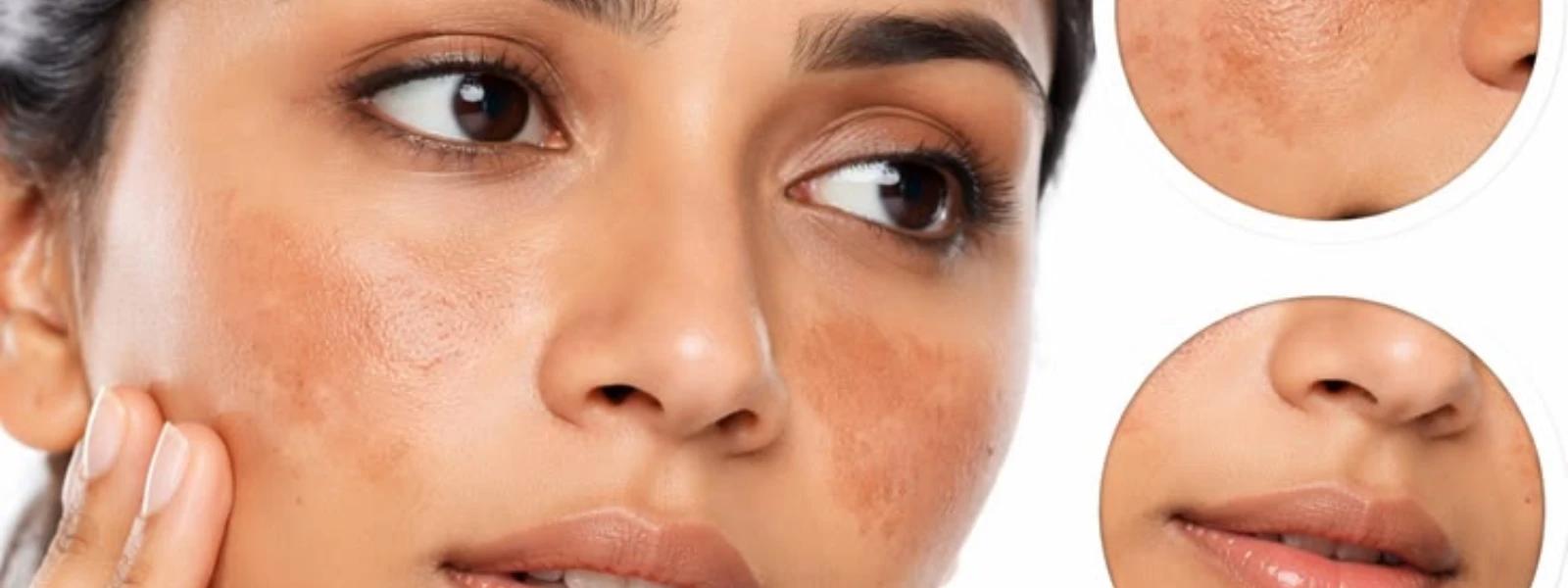

You've finally cleared your acne, but now you're left staring at dark spots and marks that seem determined to overstay their welcome. Sound familiar? Those stubborn reminders of past breakouts can feel more frustrating than the original spots themselves. Whether you're dealing with brown patches that appeared after your last hormonal flare-up or red marks from that stress-induced breakout during exam season, understanding what you're actually looking at is the first step to addressing it properly.
Real talk: not all marks left behind after acne are the same, and knowing the difference changes everything about how you treat them. Understanding post-acne marks starts with recognising that what many people call "acne scars" are often actually temporary discolouration that will fade with time and the right approach.
Post-inflammatory hyperpigmentation appears as flat, dark brown, grey, or purple marks on deeper skin tones. This happens when your skin produces excess melanin in response to inflammation from acne. Think of it as your skin's protective response gone a bit overboard. These marks are completely flat to the touch and tend to be more prominent on Indian skin tones due to higher melanin content.
PIE shows up as red or pink marks, typically on lighter skin tones with Fitzpatrick types I-III. These marks result from damaged capillaries and blood vessels beneath the skin surface. Unlike PIH, these marks often have a slightly different texture and may appear more raised or inflamed initially.
Here's where it gets important: acne scars involve actual textural changes to your skin, whilst post-acne marks are flat discolouration. Scars create permanent changes in skin structure, whilst marks are temporary pigmentation issues that will eventually fade. The treatment approaches are completely different, which is why proper identification matters.
Identifying what type of marks you're dealing with helps you choose the right treatment path and set realistic expectations for your skin journey.
On light skin tones, you'll typically see pink, red, or light brown marks that contrast against your natural complexion. For deeper skin tones, expect dark brown, grey, or purple discolouration that can appear quite dramatic initially. The Fitzpatrick phototype classification system helps dermatologists predict how your skin will respond to treatments based on your natural pigmentation levels.
Run your finger gently across the affected area. If the surface feels completely flat and smooth, you're likely dealing with post-acne hyperpigmentation or PIE. Any raised bumps or depressed areas indicate actual scarring that requires different treatment approaches. This simple test can save you from using the wrong products for months.
When acne does create permanent textural changes, understanding the specific type of scarring helps determine the most effective treatment approach.
Ice pick scars appear as deep, narrow indentations that look like someone took a tiny ice pick to your skin. Boxcar scars create broad, rectangular depressions with defined edges. Rolling scars cause wave-like surface irregularities that create an uneven skin texture. Each type responds differently to treatments, from topical ingredients to professional procedures.
These raised, thick formations of scar tissue occur more frequently in darker skin tones and areas prone to tension like the chest and back. Prevention through early acne treatment and avoiding picking becomes crucial for those predisposed to this type of scarring.
Understanding why these marks form in the first place helps you prevent future ones whilst treating existing discolouration.
When an acne pore becomes inflamed, the surrounding skin tissue experiences trauma. Your body's natural healing process triggers increased melanin production as a protective response. This excess melanin gets deposited in the skin, creating those stubborn dark spots that can persist long after the original spot has healed.
Picking and squeezing behaviours significantly increase your risk of developing prominent marks. Delayed or inadequate acne treatment allows inflammation to persist longer, creating more severe discolouration. Genetic predisposition plays a role, particularly for those with naturally higher melanin production. Sun exposure during the healing process can darken marks and extend their duration considerably.
The good news? Most post-acne marks will fade naturally over time, but you can definitely speed up the process with the right approach.
Vitamin C serums help brighten existing marks whilst preventing new ones from forming. Niacinamide reduces inflammation and helps regulate melanin production. Retinoids accelerate cell turnover, bringing fresh skin to the surface faster. Chemical exfoliants like AHAs and BHAs gently remove the top layer of discoloured skin cells. Most importantly, daily SPF prevents existing marks from darkening and protects healing skin.
For actual scarring, professional treatments become necessary. Laser resurfacing targets both pigmentation and texture issues. Chemical peels provide deeper exfoliation than at-home options. Microneedling stimulates collagen production to improve skin texture. These treatments require professional assessment and often multiple sessions for optimal results.
Natural fading typically takes 6-12 months or longer, depending on your skin tone and the severity of marking. Treatment can accelerate this process significantly, often reducing the timeline to 3-6 months. Factors like sun protection, consistent product use, and your skin's natural turnover rate all affect healing speed.
Choosing the right products depends on whether you're dealing with active marks, preventing new ones, or addressing actual scarring.
Retinoids remain the gold standard for accelerating cellular turnover and improving both pigmentation and mild textural issues. Hydroquinone and kojic acid specifically target melanin production for stubborn pigmentation. Peptides and growth factors support skin repair processes, particularly useful for mild scarring and overall skin health.
For PIH, focus on brightening ingredients like vitamin C, arbutin, and gentle exfoliants. PIE responds better to anti-inflammatory ingredients and gentle treatments that support capillary healing. Many people benefit from combination therapy that addresses multiple concerns simultaneously.
Prevention remains your best strategy. Use gentle cleansing methods and avoid harsh scrubbing. Incorporate anti-inflammatory ingredients like niacinamide into your routine. Most importantly, resist the urge to pick or squeeze spots, and consider professional extractions when necessary.
Most post-acne marks fade naturally within 6-12 months, though this varies significantly based on your skin tone, the severity of the original inflammation, and whether you protect your skin from sun exposure. Deeper skin tones may experience longer-lasting marks due to higher melanin production, whilst lighter skin tones might see faster natural fading.
No legitimate treatment can remove established acne scars in a week. Whilst some products might temporarily plump the skin or reduce the appearance of marks, true scar improvement requires time and often professional intervention. Be wary of any product claiming overnight scar removal, as this sets unrealistic expectations.
Red marks after acne (PIE) result from damaged blood vessels and typically occur on lighter skin tones. Brown marks (PIH) come from excess melanin production and are more common on deeper skin tones. Both are temporary, but they respond to different treatment approaches.
Consider professional consultation if marks haven't improved after 6-12 months of consistent at-home treatment, if you're dealing with actual textural scarring, or if the marks are significantly affecting your confidence. A dermatologist can distinguish between marks and scars and recommend appropriate treatments.
Price doesn't always correlate with effectiveness for acne mark treatment. Many affordable products contain proven ingredients like niacinamide, vitamin C, and gentle exfoliants. Focus on ingredient lists rather than price points, and remember that consistency matters more than cost.
Use gentle, anti-inflammatory ingredients, never pick or squeeze spots, apply SPF daily, and treat acne promptly to minimise inflammation duration. Incorporating niacinamide into your routine can help prevent excessive pigmentation whilst treating active breakouts.
Yes, UV exposure can significantly darken existing marks and extend their duration. This is why dermatologists emphasise daily SPF use as part of any acne mark treatment routine. Sun protection is particularly crucial for deeper skin tones prone to PIH.
The most effective treatment depends on your specific types of acne scars. Laser resurfacing works well for multiple scar types, whilst microneedling excels for rolling scars, and chemical peels can address both pigmentation and mild textural issues. Professional assessment determines the best approach for your individual case.
Understanding the difference between temporary marks and permanent scars changes everything about your skincare approach. Most of what people worry about are actually temporary pigmentation issues that will improve with time and the right ingredients. The key lies in patience, consistency, and realistic expectations about timelines.
Whether you're exploring new treatments through platforms like Smytten Shop, where you can try products before committing to full sizes, or working with a dermatologist for professional treatments, remember that your skin's healing journey is unique. What works for your friend might not work for you, and that's completely normal.
Focus on gentle, evidence-based ingredients, protect your skin from sun damage, and resist the urge to pick at active breakouts. Your skin has an remarkable ability to heal and renew itself, and with the right support, those stubborn marks will become just a memory.
