PIH Treatment Options FAQ: Your Guide to Hyperpigmentation
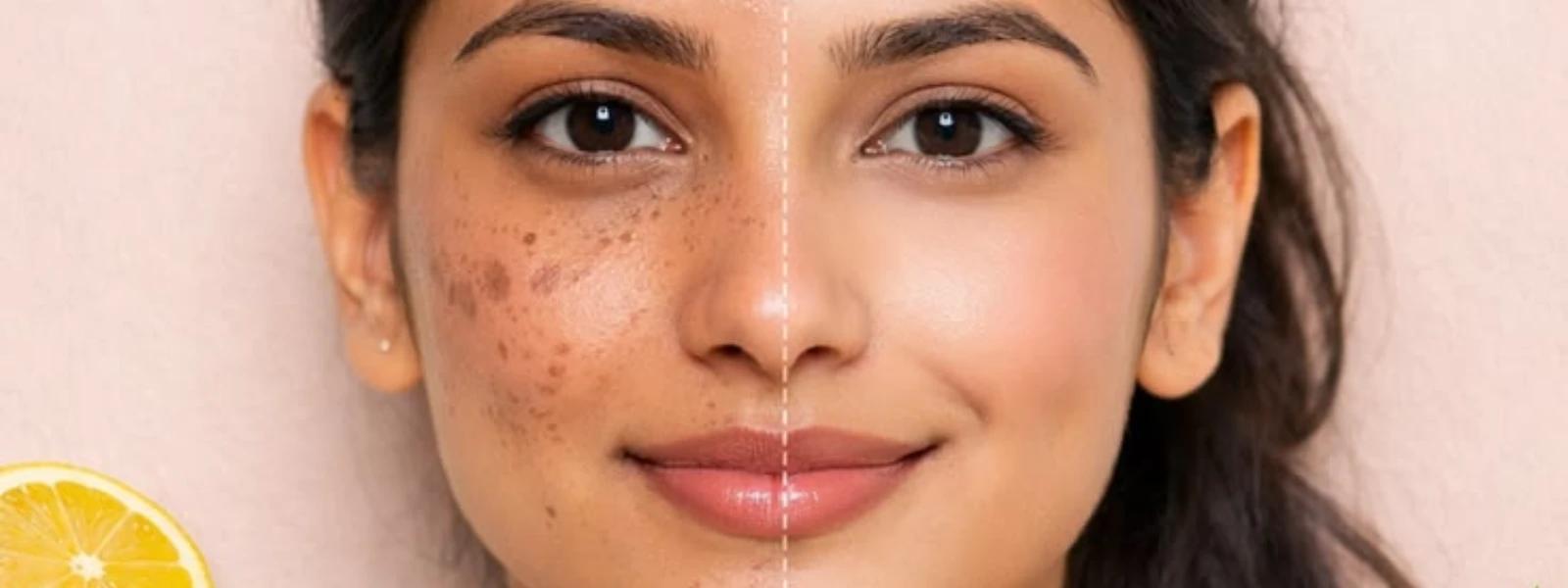

You've been diligently treating your acne, and finally, the active breakouts have calmed down. But now you're left staring at stubborn dark marks that seem determined to overstay their welcome. If this sounds familiar, you're dealing with post-inflammatory hyperpigmentation (PIH) — one of the most common skin concerns that affects people across all skin tones. The good news? There are proven PIH treatment options that can help fade these marks, though the journey requires patience and the right approach for your skin.
Post-inflammatory hyperpigmentation occurs when your skin produces excess melanin in response to inflammation or injury. Unlike other forms of hyperpigmentation such as melasma or age spots, PIH is directly triggered by trauma to the skin — whether from acne, cuts, burns, eczema flares, or even aggressive skincare treatments.
The process begins when inflammation activates melanocytes (pigment-producing cells) in the affected area. These cells go into overdrive, depositing extra melanin as part of the healing response. The result is those frustrating dark spots that can range from light brown to deep black, depending on your natural skin tone and the depth of the original inflammation.
Epidermal PIH affects the surface layers of skin and typically appears brown or black. This type responds better to topical treatments and tends to fade more quickly. Dermal PIH sits deeper in the skin, often appearing blue-grey or ashy, and proves more challenging to treat with topical products alone.
Whilst anyone can develop PIH, certain factors increase your likelihood. People with darker skin tones naturally produce more melanin and are more prone to developing PIH after any inflammatory event. Additionally, if you have a history of picking at spots, using harsh skincare products, or experiencing frequent breakouts, you're at higher risk for developing these persistent marks.
When it comes to effective PIH treatment options, professional interventions often provide the most dramatic and lasting results. Dermatologists have access to stronger formulations and advanced technologies that can target skin discoloration more aggressively than over-the-counter alternatives.
Hydroquinone remains the gold standard for treating PIH, available in prescription strengths up to 4%. This ingredient works by inhibiting tyrosinase, the enzyme responsible for melanin production. When combined with tretinoin and a mild steroid, it forms the classic "triple therapy" that many dermatologists prescribe for stubborn pigmentation.
Tretinoin and other prescription retinoids accelerate cell turnover, helping to push pigmented cells to the surface more quickly whilst preventing new pigmentation from forming. These treatments require careful introduction and consistent sun protection, as they can initially make skin more sensitive.
Chemical peels using glycolic acid, salicylic acid, or trichloroacetic acid (TCA) can dramatically improve PIH by removing damaged surface layers and stimulating healthy cell renewal. The depth and type of peel will depend on your skin tone and the severity of your pigmentation.
Laser therapy represents the most effective option for complete PIH clearance, particularly for deeper dermal pigmentation. Q-switched lasers and fractional lasers can target specific pigmented areas without damaging surrounding tissue, though multiple sessions are typically required.
Microneedling combined with vitamin C or other brightening serums can enhance product penetration whilst stimulating collagen production. This treatment works particularly well for textural issues that often accompany PIH.
Whilst professional treatments offer the fastest results, consistent at-home care forms the foundation of any successful PIH treatment plan. The key lies in choosing ingredients that work synergistically to inhibit melanin production, accelerate cell turnover, and protect against further damage.
Vitamin C in the form of L-ascorbic acid or magnesium ascorbyl phosphate helps inhibit melanin production whilst providing antioxidant protection. Look for concentrations between 10-20% for optimal efficacy without irritation.
Niacinamide offers gentle yet effective pigmentation control by reducing melanin transfer from melanocytes to surrounding skin cells. This ingredient works well for sensitive skin and can be used both morning and evening.
Alpha hydroxy acids like glycolic and lactic acid help resurface the skin, removing pigmented cells whilst improving overall texture. Start with lower concentrations (5-10%) and gradually increase as your skin builds tolerance.
Kojic acid and azelaic acid provide additional melanin-inhibiting benefits and work particularly well in combination with other brightening ingredients. These options are often gentler than hydroquinone for long-term use.
Morning routines should focus on protection and gentle brightening with vitamin C serums followed by broad-spectrum SPF. Evening routines can incorporate stronger actives like retinoids or AHAs, always followed by a nourishing moisturiser to support the skin barrier.
Remember that consistency trumps intensity when it comes to fading dark spots. It's better to use gentler products regularly than to irritate your skin with overly aggressive treatments that could potentially worsen pigmentation.
One size definitely doesn't fit all when it comes to treating uneven skin tone and PIH. Darker skin tones require special consideration, as they're more prone to developing PIH and may experience longer healing times.
People with deeper skin tones should approach PIH treatment more cautiously, as aggressive treatments can potentially trigger more pigmentation. Lower concentrations of active ingredients, longer adjustment periods, and extra emphasis on sun protection are crucial for safe and effective treatment.
Certain ingredients like high-concentration hydroquinone or aggressive chemical peels may cause irritation that leads to additional PIH in darker skin. Gentler alternatives like kojic acid, arbutin, or licorice root extract often provide safer options for long-term use.
Mild PIH often responds well to consistent topical treatment with vitamin C, niacinamide, and gentle exfoliation. Moderate PIH may require prescription-strength ingredients or professional peels for optimal results. Severe or deep PIH typically needs professional intervention with lasers or combination therapies for meaningful improvement.
The most effective PIH treatment is prevention. By addressing inflammation quickly and protecting your skin from further damage, you can minimise the formation of new dark spots whilst treating existing ones.
Proper acne treatment prevents the inflammatory cascade that leads to PIH. This means using appropriate acne medications, avoiding picking or squeezing spots, and maintaining a gentle skincare routine that doesn't further irritate compromised skin.
Anti-inflammatory ingredients like niacinamide, green tea extract, and centella asiatica can help calm active inflammation whilst supporting the skin's natural healing processes.
Daily broad-spectrum SPF 30 or higher is absolutely essential when treating PIH. UV exposure not only darkens existing spots but can also trigger new pigmentation. Physical sunscreens containing zinc oxide or titanium dioxide often work best for sensitive, PIH-prone skin.
Reapplication every two hours during sun exposure and seeking shade during peak UV hours (10 AM to 4 PM) will significantly improve your treatment outcomes and prevent new pigmentation from forming.
Understanding realistic timelines helps set appropriate expectations for your PIH treatment journey. Epidermal PIH typically shows improvement within 3-6 months of consistent treatment, whilst dermal PIH may take 6-12 months or longer to fade significantly.
Professional treatments can accelerate this timeline, with some patients seeing noticeable improvement after just 2-4 sessions. However, maintenance treatments and ongoing topical care are usually necessary to prevent recurrence and maintain results.
Factors that influence healing speed include the depth of pigmentation, your natural skin tone, treatment consistency, and sun protection habits. Patience and persistence are key, as rushing the process with overly aggressive treatments often backfires by causing additional inflammation and pigmentation.
The most effective approach typically combines prescription-strength topical treatments (like hydroquinone or tretinoin) with professional procedures such as chemical peels or laser therapy. However, the "best" treatment depends on your skin tone, PIH severity, and tolerance for downtime. Consulting with a dermatologist ensures you receive a personalised treatment plan that's both safe and effective for your specific needs.
The fastest results come from a comprehensive approach combining prescription topicals, professional treatments, and strict sun protection. Laser therapy often provides the quickest improvement for stubborn PIH, particularly when combined with proper at-home care. However, "fast" is relative — even the most aggressive treatments typically require 3-6 months for significant improvement.
Severe PIH almost always requires professional intervention. Dermatologists may recommend combination therapy using prescription-strength hydroquinone, tretinoin, and corticosteroids, alongside procedures like chemical peels or laser treatments. The key is working with a qualified professional who can assess the depth and extent of your pigmentation to create an appropriate treatment protocol.
Yes, PIH can often be completely cleared, especially with laser therapy, which is currently the only treatment showing complete PIH clearance in clinical studies. However, the timeline varies significantly — anywhere from 3-24 months depending on the depth of pigmentation, your skin tone, and treatment approach. Some very deep or old PIH may improve significantly but not disappear entirely.
Most topical treatments require 6-12 weeks before you notice initial improvement, with significant results typically visible after 3-6 months of consistent use. Professional treatments may show faster results, with some improvement visible after 2-4 weeks, though multiple sessions are usually needed. The key is maintaining realistic expectations and staying consistent with your treatment plan.
Many PIH treatments can be adapted for sensitive skin by starting with lower concentrations and gentler ingredients. Niacinamide, kojic acid, and vitamin C are generally well-tolerated options. However, sensitive skin may require longer adjustment periods and more conservative treatment approaches. Always patch test new products and consider consulting a dermatologist for personalised guidance.
Yes, but layering multiple active ingredients requires careful planning to avoid irritation. Generally, it's best to introduce one new treatment at a time and allow your skin to adjust before adding others. Some combinations work synergistically (like vitamin C in the morning and retinoids at night), whilst others should never be mixed (like certain acids with retinoids). Professional guidance helps ensure safe and effective combinations.
Whilst both conditions involve hyperpigmentation, melasma is hormonally driven and often requires different treatment approaches. PIH typically responds better to standard brightening ingredients and procedures, whilst melasma may need hormone regulation and is notoriously difficult to treat. Melasma also tends to be more symmetrical and appears in specific patterns, unlike the random distribution of PIH following inflammation sites.
Treating PIH successfully requires patience, consistency, and often a combination of approaches tailored to your specific skin needs. Whilst the journey to clearer skin can feel lengthy, understanding your options empowers you to make informed decisions about your skincare routine.
Remember that prevention remains your most powerful tool — protecting your skin from sun damage and treating inflammation promptly can prevent new PIH from forming whilst you work on fading existing spots. Whether you choose gentle at-home treatments or seek professional intervention, the key lies in maintaining realistic expectations and staying committed to your routine.
For those exploring new products and treatments, platforms like Smytten Shop offer the opportunity to try samples from premium brands before committing to full sizes. With over 28 million users discovering products through trial sizes and earning cashback on purchases, it's easier than ever to find the right PIH treatment products for your skin without the guesswork. Your skin deserves the patience and care required to achieve the clear, even complexion you're working towards.
