Niacinamide Serum for Dark Spots FAQ: Your Questions Answered
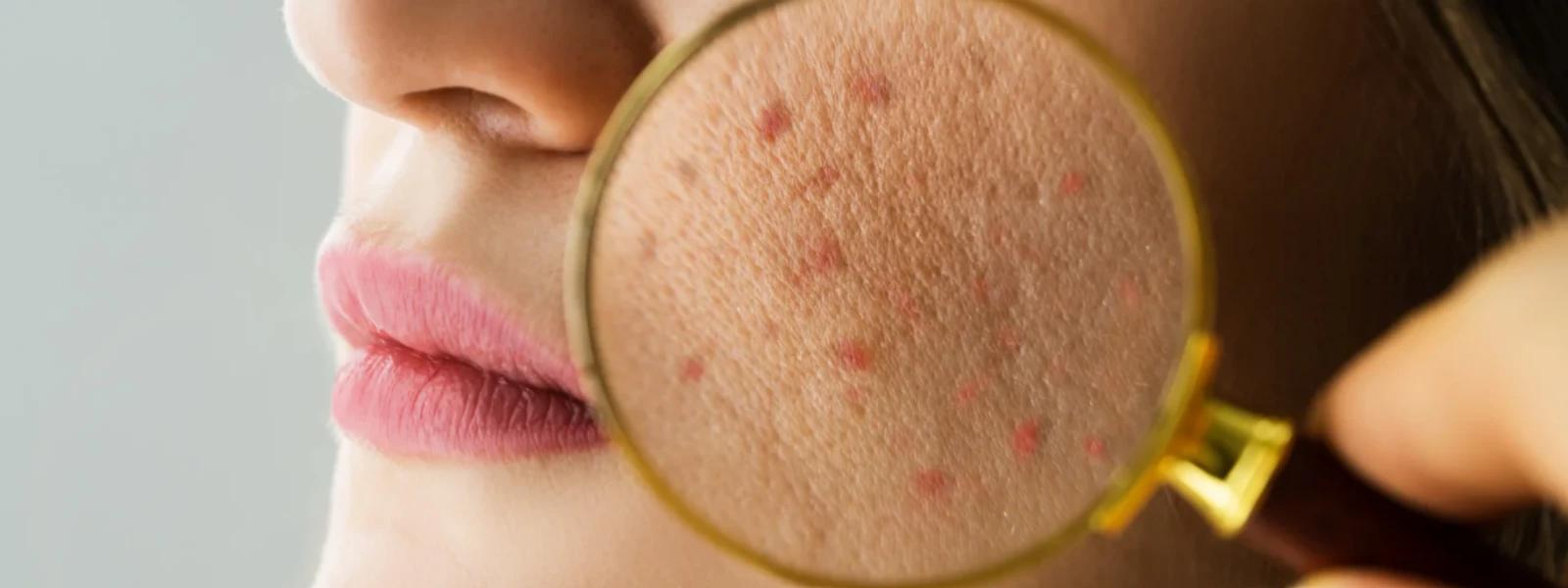

You've been staring at those stubborn dark spots for months now, wondering if that niacinamide serum everyone's talking about actually works. Whether it's post-acne marks that refuse to fade or melasma patches that appeared seemingly overnight, dealing with hyperpigmentation can feel like an uphill battle. The good news? Niacinamide serum for dark spots has genuine science backing its effectiveness, and understanding how to use it properly can make all the difference in your skin's journey back to evenness.
Niacinamide, also known as vitamin B3 serum, is a water-soluble vitamin that's become a skincare superstar for good reason. Unlike some ingredients that work on the surface, niacinamide gets down to the cellular level where dark spot treatment really happens. It works by inhibiting the transfer of melanin from melanocytes to keratinocytes—essentially stopping the pigment from reaching the upper layers of your skin where you can see it.
What makes this hyperpigmentation serum particularly brilliant is its multi-tasking nature. While it's busy fading existing dark spots, it's simultaneously strengthening your skin barrier and reducing inflammation. This means it's not just treating the symptoms but addressing some of the underlying causes that led to the skin discoloration in the first place. The anti-inflammatory properties are especially helpful if your dark spots are the result of acne or other inflammatory skin conditions.
Research shows that niacinamide can reduce melanin production by up to 68% when used consistently. It also helps regulate sebum production, which means fewer breakouts and, consequently, less post-inflammatory hyperpigmentation forming in the future. This dual action makes it an excellent choice for anyone dealing with both active acne and the marks it leaves behind.
The short answer is yes, but let's dive into what the research actually tells us about niacinamide serum for dark spots. Multiple clinical studies have demonstrated niacinamide's effectiveness as a skin brightening serum, with some showing visible improvements in as little as four weeks of consistent use.
One particularly compelling study published in the British Journal of Dermatology found that 5% niacinamide significantly reduced hyperpigmentation compared to a placebo. Participants saw improvements in skin lightness, reduced red and yellow discoloration, and overall more even skin tone. What's especially encouraging is that these benefits continued to improve throughout the 12-week study period.
The mechanism behind niacinamide's effectiveness lies in its ability to interrupt the melanin transfer process. When your skin experiences trauma—whether from acne, sun damage, or inflammation—it produces excess melanin as a protective response. Niacinamide steps in to regulate this process, preventing the overproduction and helping existing pigmentation fade more quickly. This makes it particularly effective for post-inflammatory hyperpigmentation, the type of dark spots that appear after acne heals.
When it comes to choosing the best dark spot corrector, niacinamide holds its own against other popular ingredients, each with unique strengths. Understanding these differences helps you make an informed choice for your specific skin concerns and tolerance levels.
Niacinamide vs. Vitamin C is probably the most common comparison. While vitamin C is excellent for prevention and overall brightening, niacinamide tends to be gentler and more suitable for sensitive skin. Vitamin C works primarily as an antioxidant that prevents future damage, whilst niacinamide actively works to fade existing spots. The brilliant news? You can actually use both together for comprehensive serum for uneven skin tone treatment.
Niacinamide vs. Hydroquinone presents a different consideration. Hydroquinone is often considered the gold standard for dark spot treatment, but it comes with potential side effects and isn't suitable for long-term use. Niacinamide, being a vitamin, can be used indefinitely without the same concerns. While hydroquinone might work faster for some people, niacinamide offers a safer, more sustainable approach to managing hyperpigmentation.
For those dealing with multiple skin concerns, niacinamide's versatility makes it an excellent choice. It addresses dark spots whilst also helping with enlarged pores, excess oil production, and skin texture—making it a true multi-tasker in your routine.
Real talk: patience is key when it comes to dark spot treatment with niacinamide. Most people start seeing initial improvements around the 4-6 week mark, with more significant changes becoming apparent after 8-12 weeks of consistent use. However, several factors influence how quickly you'll see results.
The age and depth of your dark spots play a crucial role in treatment timeline. Fresh post-inflammatory hyperpigmentation from recent breakouts typically responds faster than older, more established marks. Sun damage and melasma, which affect deeper layers of the skin, may take longer to show improvement—sometimes 3-6 months of consistent use.
Your skin's natural turnover rate also affects results. Younger skin typically renews itself every 28 days, whilst this process slows with age. This is why combining niacinamide with gentle exfoliation (like AHAs) can help speed up the process by encouraging faster cell turnover. The concentration of niacinamide you're using matters too—5% formulations are gentler but may take longer to show results compared to 10% concentrations.
To maximise effectiveness, consistency is absolutely crucial. Using your niacinamide serum sporadically won't give you the cumulative benefits that lead to visible improvement. Think of it as a marathon, not a sprint—steady, consistent use will get you to the finish line.
If you're dealing with marks left behind by acne, it's important to understand what you're actually treating. True acne scars involve changes to skin texture—indentations, raised areas, or ice-pick marks. Post-inflammatory hyperpigmentation (PIH), on the other hand, refers to the flat, discoloured marks that remain after a spot heals. Niacinamide for acne scars works differently for each concern.
For PIH, niacinamide is genuinely effective. These marks are essentially areas where your skin produced excess melanin in response to inflammation. By regulating melanin production and reducing inflammation, niacinamide helps these marks fade more quickly than they would naturally. Many people see significant improvement in PIH within 2-3 months of consistent use.
For textural acne scars, niacinamide's benefits are more indirect but still valuable. While it won't fill in indented scars or flatten raised ones, it can improve overall skin texture and tone, making scars less noticeable. The ingredient's ability to boost collagen production may provide some subtle improvement in skin plumpness over time, though dramatic changes in scar depth aren't realistic expectations.
When dealing with acne-prone skin, niacinamide's sebum-regulating properties provide an added bonus. By helping control oil production, it can prevent new breakouts and, consequently, new PIH from forming. This preventative aspect is just as important as treating existing marks.
Getting the most from your hyperpigmentation serum isn't just about the product itself—it's about how you use it. Proper application and routine placement can significantly impact your results, so let's break down the optimal approach.
Start with clean, dry skin and apply 2-3 drops of niacinamide serum to your entire face, paying particular attention to areas with dark spots. The beauty of niacinamide is its versatility—you can use it both morning and evening without concerns about photosensitivity. In fact, using it twice daily often yields better results than once-daily application.
In your morning routine, apply niacinamide after cleansing but before heavier moisturisers and SPF. The lightweight texture absorbs quickly, making it an excellent base for other products. Evening application follows the same principle—after cleansing and any treatment products like retinoids, but before your night moisturiser.
Concentration matters when it comes to effectiveness and tolerance. If you're new to niacinamide, starting with a 5% concentration allows your skin to adjust whilst still providing benefits. Once your skin is comfortable, you can move up to 10% if desired, though many people find 5% perfectly effective for their dark spot treatment needs.
Layering with other ingredients requires some consideration, though niacinamide is generally compatible with most skincare actives. It pairs beautifully with hyaluronic acid for added hydration, vitamin C for comprehensive brightening, and even retinoids for enhanced anti-aging benefits. The key is introducing new combinations gradually to monitor your skin's response.
One of the reasons vitamin B3 serum has gained such popularity is its excellent safety profile. Unlike some other dark spot treatments, niacinamide is generally well-tolerated by most skin types, including sensitive skin. However, understanding potential side effects helps you use it safely and effectively.
The most common side effect is mild irritation when first starting use, particularly with higher concentrations. This might manifest as slight redness, tingling, or dryness. These effects typically subside as your skin adjusts, usually within a week or two of consistent use. Starting with a lower concentration and gradually building up can help minimise initial irritation.
Some people experience flushing when using niacinamide, especially if they have rosacea or very sensitive skin. This reaction is usually temporary and occurs more frequently with higher concentrations or when the product is applied to damp skin. If flushing persists, reducing the concentration or frequency of use often resolves the issue.
Patch testing is always wise when introducing any new skincare ingredient. Apply a small amount of the niacinamide serum to your inner forearm and wait 24-48 hours to check for any adverse reactions. This simple step can prevent potential widespread irritation on your face.
Yes, niacinamide serum can be used twice daily as it's gentle and well-tolerated by most skin types. Unlike some actives that require cycling or limited use, niacinamide's vitamin status makes it safe for consistent, long-term application. Many people find that twice-daily use provides better results than once-daily application for dark spot treatment.
5-10% niacinamide concentration is most effective for dark spot treatment without causing irritation. Beginners should start with 5% to assess tolerance, whilst those with resilient skin may benefit from 10% formulations. Research shows that concentrations above 10% don't necessarily provide additional benefits and may increase the risk of irritation.
Yes, niacinamide and vitamin C can be used together and may provide enhanced skin brightening benefits. Contrary to old beliefs about ingredient incompatibility, recent research confirms these ingredients work well together. You can apply them simultaneously or use one in the morning and the other in the evening.
Niacinamide is most effective on post-inflammatory hyperpigmentation and melasma, with limited effects on age spots. It works best on pigmentation caused by inflammation or hormonal changes rather than purely sun-induced damage. For comprehensive hyperpigmentation treatment, combining niacinamide with other ingredients like vitamin C or gentle acids often yields better results.
Use 2-3 drops for the entire face, focusing on areas with dark spots and hyperpigmentation. A little goes a long way with niacinamide serums, and using more doesn't necessarily provide better results. Gentle patting motions help the product absorb effectively without irritating the skin.
Yes, niacinamide is considered safe during pregnancy and breastfeeding for treating dark spots. As a vitamin, it doesn't carry the same concerns as some other skincare actives. This makes it an excellent choice for managing pregnancy-related melasma or post-acne marks during this time when many other treatments are off-limits.
No, niacinamide doesn't cause purging as it's not an exfoliating ingredient like retinoids or acids. If you experience breakouts when starting niacinamide, it's more likely due to product sensitivity or other factors rather than purging. The ingredient actually helps reduce breakouts over time through its sebum-regulating properties.
Yes, niacinamide and retinol complement each other well for comprehensive dark spot treatment. Niacinamide can actually help buffer some of retinol's potential irritation whilst providing its own pigmentation benefits. Many people use niacinamide in the morning and retinol in the evening, though they can be layered together if your skin tolerates it well.
Understanding how to use niacinamide serum for dark spots effectively can genuinely transform your approach to treating hyperpigmentation. The key lies in realistic expectations, consistent use, and patience with the process. While it may not work overnight, the cumulative benefits of this gentle yet effective ingredient make it worth adding to your routine.
Your skin's journey with dark spots doesn't have to be navigated alone. Platforms like Smytten Shop make it easier to discover and try different niacinamide formulations from premium brands, helping you find the perfect match for your skin's needs. With over 28 million users exploring curated beauty selections, you're part of a community that values informed skincare choices and the confidence that comes from trying before committing to full sizes.
Remember, the best serum for uneven skin tone is one you'll actually use consistently. Whether you're dealing with fresh post-acne marks or longer-standing hyperpigmentation, niacinamide offers a gentle, science-backed approach to achieving the even, radiant complexion you're working towards. Your skin will notice the difference, and more importantly, so will you.
