Natural Ways to Fade Bumpy Underarms FAQ: Your Questions Answered
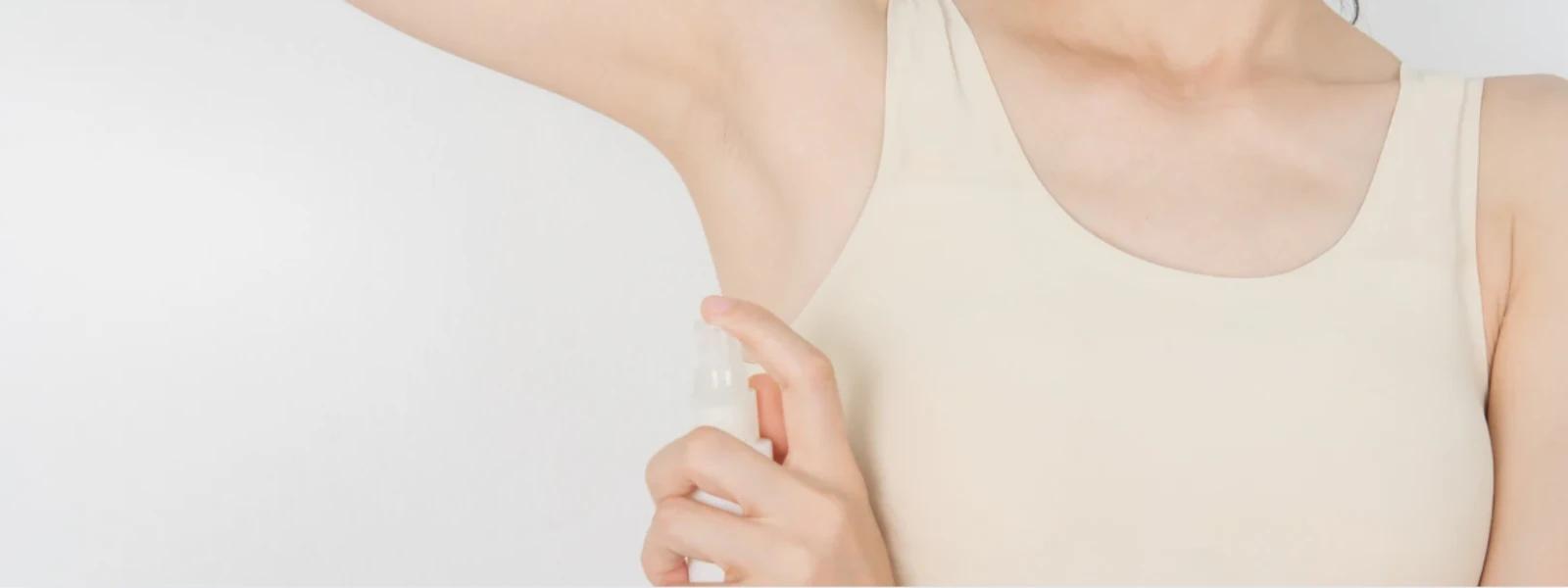

You've noticed those bumpy, darkened patches under your arms and wondered if there's a natural way to address them. Whether it's from years of shaving, tight clothing, or simply genetics, underarm discoloration and texture issues are incredibly common. The good news? Your kitchen cupboard might hold some surprisingly effective solutions. Let's explore the science-backed natural methods that can help you achieve smoother, more even-toned underarms without harsh chemicals or expensive treatments.
Before diving into solutions, it's worth understanding what causes these concerns in the first place. Underarm hyperpigmentation often results from a combination of factors working together over time.
The delicate skin under your arms faces daily challenges that can lead to both darkening and bumpy texture. Friction from tight clothing and repetitive arm movements creates micro-irritation that triggers melanin production. Your skin responds by producing more pigment as a protective mechanism, leading to those darker patches you're trying to address.
Shaving irritation compounds this issue. Each time you shave, you're creating tiny wounds that heal with potential pigmentation changes. Add to this the buildup from deodorants and antiperspirants, which can clog pores and create an environment where bacteria thrive, leading to bumpy, inflamed skin.
Hormonal factors play a significant role too. Conditions like insulin resistance can cause a skin condition called acanthosis nigricans, which appears as dark, velvety patches in body folds. This is why some people notice their underarm concerns worsen during hormonal changes or weight fluctuations.
Many people unknowingly sabotage their progress by over-scrubbing the area. Harsh physical exfoliation can actually increase inflammation and darken the skin further. Similarly, using deodorants with harsh chemicals or alcohol can dry out and irritate the delicate underarm skin.
Tight synthetic clothing that doesn't breathe well creates a perfect storm of friction, heat, and moisture retention. This environment encourages bacterial growth and keeps the skin in a constant state of mild irritation.
The beauty of natural approaches lies in their gentle yet effective action. These methods work with your skin's natural healing processes rather than forcing dramatic changes that might cause irritation.
Potatoes contain natural enzymes and vitamin C that can help lighten pigmentation over time. The starch in potato juice has mild bleaching properties whilst being incredibly gentle on sensitive skin. Simply grate a fresh potato, extract the juice, and apply it to clean underarms for 10-15 minutes before rinsing.
For best results, use this treatment daily for 4-6 weeks. You can enhance its effectiveness by mixing the potato juice with a few drops of lemon juice, though be cautious with lemon if you have very sensitive skin.
Citric acid in lemon acts as a natural exfoliant and lightening agent, whilst honey provides antibacterial properties and moisture. Mix equal parts fresh lemon juice and raw honey, apply to the underarm area, and leave for 15 minutes before washing off with lukewarm water.
Important note: always use this treatment in the evening and avoid sun exposure afterwards, as citric acid can make your skin photosensitive. Start with twice weekly applications to gauge your skin's tolerance.
This combination addresses both pigmentation and inflammation. Curcumin in turmeric has been shown to inhibit melanin production, whilst aloe vera soothes and hydrates irritated skin. Mix fresh aloe vera gel with a pinch of turmeric powder to create a paste.
Apply this mask 2-3 times weekly, leaving it on for 20 minutes before rinsing. Be aware that turmeric can temporarily stain the skin yellow, so test on a small area first and avoid white clothing immediately after treatment.
Proper exfoliation is crucial for addressing bumpy underarm texture, but the key word here is gentle. The goal is to remove dead skin cells and encourage cell turnover without causing irritation.
A simple baking soda paste can work wonders when used correctly. Mix one part baking soda with three parts water to create a gentle scrub. The alkaline nature of baking soda helps neutralise odour-causing bacteria whilst providing mild exfoliation.
Oatmeal offers perhaps the gentlest exfoliation option. Grind oats into a fine powder and mix with milk or yogurt to create a soothing scrub. The natural saponins in oats cleanse whilst the texture gently buffs away dead skin.
For those who can tolerate slightly more intensive exfoliation, a mixture of brown sugar and coconut oil provides effective physical exfoliation whilst the coconut oil moisturises and has antimicrobial properties.
Most people benefit from exfoliating their underarms 2-3 times per week maximum. Over-exfoliation can lead to increased sensitivity and paradoxically worsen pigmentation. Pay attention to how your skin responds and adjust accordingly.
If you notice increased redness, stinging, or darkening, reduce the frequency or switch to a gentler method. Your skin should feel smooth and refreshed after exfoliation, never raw or irritated.
An armpit detox can be particularly helpful if you've been using conventional antiperspirants for years. This process helps remove built-up chemicals and allows your skin to reset before starting natural lightening treatments.
Conventional antiperspirants contain aluminium compounds that can build up in pores over time. This buildup can contribute to bumpy texture and may interfere with the effectiveness of natural treatments. A detox helps clear this congestion and prepares your skin for better absorption of natural remedies.
Bentonite clay is particularly effective for this purpose. Its negative charge attracts positively charged toxins and impurities, drawing them out of the skin. Mix bentonite clay with apple cider vinegar to create a paste, apply to clean underarms, and leave for 10-15 minutes before rinsing.
Expect some increased sweating and possibly stronger odour during the first week of detoxing. This is normal as your body adjusts to functioning without antiperspirant. Stay hydrated and consider doing the detox during a time when you can manage any temporary increase in perspiration.
Natural remedies work best when supported by skin-friendly daily habits. Small changes in your routine can significantly impact your results and help prevent future issues.
If you shave, always use a sharp, clean razor and plenty of lubricant. Shave in the direction of hair growth to minimise irritation, and never dry shave. Consider alternatives like trimming or professional waxing if shaving consistently causes problems.
Post-hair removal care is crucial. Apply a soothing, fragrance-free moisturiser immediately after shaving to calm the skin and create a protective barrier.
Switch to natural deodorants free from aluminium, parabens, and artificial fragrances. Look for ingredients like coconut oil, shea butter, and essential oils that provide odour protection without harsh chemicals.
Choose breathable, natural fabrics like cotton or bamboo for clothing that touches your underarms. Avoid overly tight garments that create friction and trap moisture.
Most people notice initial improvements in skin texture within 2-3 weeks of consistent use. Significant lightening of pigmentation typically takes 6-12 weeks, depending on the severity of discoloration and your skin's natural turnover rate. Remember, natural methods work gradually but tend to provide longer-lasting results than harsh chemical treatments.
Yes, but introduce them gradually. Start with one treatment and use it consistently for a week before adding another. This approach helps you identify which methods work best for your skin and reduces the risk of irritation from combining too many active ingredients.
Most natural remedies like potato juice, aloe vera, and gentle exfoliation are safe during pregnancy. However, avoid treatments containing essential oils or strong acids like lemon juice without consulting your healthcare provider first. When in doubt, stick to the gentlest options like oatmeal scrubs and plain aloe vera.
If you suspect your underarm hyperpigmentation is related to insulin resistance, PCOS, or other hormonal conditions, consult a healthcare provider. Natural remedies can still help improve the appearance, but addressing the underlying condition is important for long-term success.
Take photos in consistent lighting before starting treatment and weekly thereafter. Look for gradual lightening, smoother texture, and reduced bumps. If you experience increased irritation, redness, or darkening, discontinue the treatment and try a gentler approach.
Absolutely. Men's underarm skin may be slightly thicker, but the same principles apply. Men might benefit from slightly more frequent exfoliation, but should still start gently and adjust based on their skin's response.
Continue with gentle weekly exfoliation and maintain good daily habits like using natural deodorant and wearing breathable fabrics. A weekly maintenance treatment with your most effective remedy can help preserve results. Prevention is always easier than correction.
If you've tried natural methods consistently for 3-4 months without improvement, consider consulting a dermatologist. They can assess whether there's an underlying condition and recommend appropriate treatments. Sometimes a combination of professional and natural approaches works best.
Achieving smoother, more even-toned underarms naturally requires patience and consistency, but the results are worth the effort. These gentle methods work with your skin's natural processes rather than against them, leading to improvements that last.
Remember that everyone's skin responds differently, so what works brilliantly for one person might need adjustment for another. The key is finding the combination of treatments and habits that suit your skin type and lifestyle. With platforms like Smytten, you can explore various natural and gentle skincare products through samples before committing to full sizes, making it easier to find what works for your unique skin needs.
Your underarm skin deserves the same care and attention you give to your face. With these natural approaches and a bit of patience, you can achieve the smooth, even-toned results you're looking for whilst keeping your skin healthy and happy.
