Managing Acne Prone Skin FAQ: Your Questions Answered
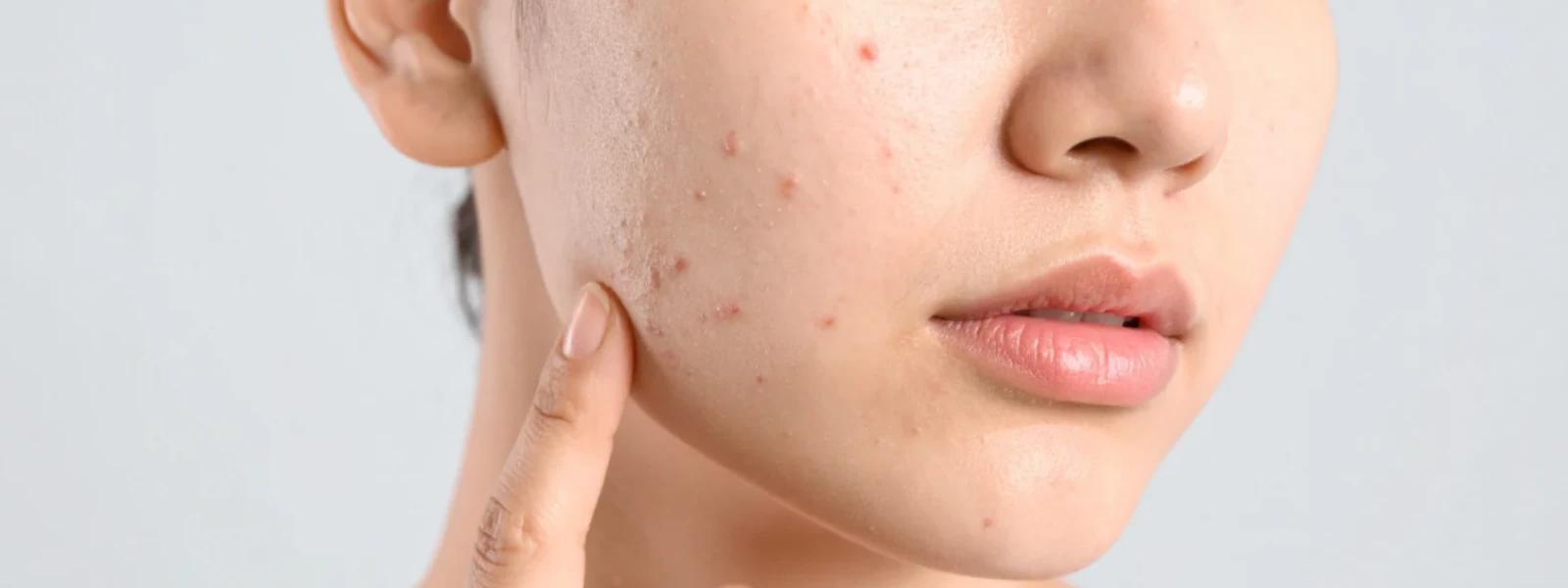

You've tried everything, haven't you? The gentle cleanser that promised to calm your skin but left you with more breakouts. The spot treatment that worked for your friend but made your cheeks burn. The expensive serum that was supposed to clear everything up in a week but somehow made things worse. If you're reading this with a fresh pimple staring back at you from the mirror, you're not alone. Managing acne prone skin feels like solving a puzzle where the pieces keep changing shape. But here's what we've learned from countless skincare journeys: the right information makes all the difference. This comprehensive FAQ addresses the real questions you're asking at 2 AM while researching yet another ingredient, because your skin deserves answers that actually work.
Before diving into treatments and routines, let's get clear on what we're actually dealing with. Acne prone skin isn't just about the occasional spot before your period or that stress breakout during exam season. It's skin that consistently develops blemishes across multiple areas, often with a combination of different types of spots appearing regularly.
The telltale signs include persistent blackheads around your nose and chin, whiteheads that seem to appear overnight, and those deeper, more painful spots that take weeks to fully heal. You might notice your skin feels oilier by midday, especially in your T-zone, and that certain products seem to trigger more breakouts rather than prevent them. Unlike occasional breakouts that come and go with hormonal changes or stress, acne prone skin requires consistent, targeted care to maintain balance.
Understanding why acne happens helps you choose the right treatments. Every breakout starts with these four interconnected factors working together. Excess oil production creates the perfect environment for problems to begin. Your sebaceous glands produce more oil than your skin can naturally shed, creating a buildup that feels heavy and looks shiny.
Clogged pores happen when dead skin cells mix with this excess oil, forming plugs that block your hair follicles. This is where blackheads and whiteheads form. Bacterial overgrowth occurs when P. acnes bacteria feed on the trapped oil and multiply rapidly. Finally, skin inflammation develops as your immune system responds to the bacterial overgrowth, creating the redness, swelling, and pain associated with active breakouts.
The skincare world loves to complicate things, but effective acne treatment comes down to a handful of proven ingredients. The key is understanding how each one works and how to use them without destroying your skin barrier in the process.
Salicylic acid remains the gold standard for pore cleansing because it's oil-soluble, meaning it can penetrate into your pores to dissolve the mixture of oil and dead skin cells that creates blockages. Unlike harsh scrubs that can irritate and worsen inflammation, salicylic acid works gently from within the pore. Start with 0.5% concentrations and gradually work up to 2% as your skin builds tolerance.
Benzoyl peroxide tackles the bacterial component of acne by releasing oxygen into the pore environment, which P. acnes bacteria cannot survive in. It also helps with blemish control by gently encouraging skin cell turnover. However, it can be drying and may bleach fabrics, so start with 2.5% formulations and always use white pillowcases and towels.
Niacinamide deserves special mention for sensitive skin types dealing with acne. This form of vitamin B3 helps regulate oil production, reduces skin inflammation, and supports your skin barrier function. At 5-10% concentrations, it provides redness reduction without the irritation potential of stronger actives, making it perfect for daily use.
The biggest mistake people make when managing acne prone skin is thinking more products equal better results. Your skin needs consistency and gentleness, not an arsenal of harsh treatments that strip away its natural protection.
Your morning routine should focus on gentle cleansing, treatment application, and protection. Use a non-comedogenic cleanser that removes overnight oil buildup without over-drying. Apply your chosen active ingredient (salicylic acid or niacinamide work well for morning use), follow with a lightweight, oil-free moisturiser, and never skip SPF. Sun protection is crucial because many acne treatments increase photosensitivity, and UV exposure can worsen post-inflammatory hyperpigmentation.
Evenings are when your skin does its repair work, making it the ideal time for stronger treatments. Double cleanse if you wear makeup or SPF, removing all traces of the day's buildup. This is when you can use benzoyl peroxide or retinoid treatments, but never layer multiple strong actives together. Always finish with a nourishing moisturiser to support your skin barrier overnight.
Weekly maintenance includes gentle exfoliation with AHAs or additional BHA treatments, but avoid over-exfoliating. Your skin should never feel tight, raw, or constantly irritated. If it does, you're using too many actives or concentrations that are too strong for your current skin condition.
The urge to scrub away breakouts or pile on multiple treatments is understandable, but these approaches typically backfire spectacularly. Over-cleansing strips your skin's natural protective barrier, triggering increased oil production as your skin tries to compensate. Washing more than twice daily, using harsh scrubs, or combining multiple drying ingredients creates a cycle of irritation and rebound oiliness.
Physical manipulation of breakouts through picking, squeezing, or aggressive extraction pushes bacteria deeper into the skin and damages surrounding tissue. This leads to prolonged healing times, increased skin inflammation, and often permanent scarring. Instead of picking, use targeted spot treatments with salicylic acid or benzoyl peroxide to encourage natural healing.
Not all skincare products are created equal when you're dealing with acne prone skin. Heavy oils, thick creams, and products containing comedogenic ingredients like coconut oil or certain silicones can worsen congestion. Always check that products are labelled non-comedogenic, and introduce new products one at a time to identify any triggers.
The internet is full of promises about clearing acne in days or weeks, but real improvement takes time. Most effective acne treatments require 6-12 weeks of consistent use before you see significant changes. This is because your skin needs time to cycle through its natural renewal process and for active ingredients to address the underlying causes of breakouts.
During the first few weeks of treatment, you might experience a "purging" phase where existing clogs come to the surface more quickly, temporarily increasing breakouts. This is normal and actually indicates that the treatment is working to clear out your pores. However, if irritation, excessive dryness, or worsening breakouts continue beyond 6-8 weeks, reassess your routine.
The best approach to blemish control is prevention through consistent daily care. Keep your hands away from your face, change pillowcases regularly, and clean anything that touches your skin frequently (phone screens, glasses, hair accessories). Maintain your routine even when your skin looks clear, as stopping treatment often leads to breakouts returning.
Sometimes over-the-counter treatments aren't enough, and that's completely normal. If you're dealing with deep, painful cysts, widespread breakouts that don't respond to consistent treatment, or significant scarring, it's time to consult a dermatologist. Professional treatments like prescription retinoids, antibiotics, or hormonal therapies can address severe acne more effectively than any skincare routine.
Acne scars and post-inflammatory marks require different approaches than active breakouts. Prevention during the active phase is crucial - never pick at spots and always use SPF to prevent darkening of healing areas. For existing marks, ingredients like vitamin C, niacinamide, and gentle AHAs can help fade discolouration over time.
Having both sensitive skin and acne feels like a cruel joke, but it's more common than you think. The key is building tolerance slowly and choosing gentler formulations. Start with lower concentrations of active ingredients, use them every other day initially, and always buffer with moisturiser. Look for products specifically formulated for sensitive, acne-prone skin that combine effectiveness with gentleness.
There's no single "best" treatment because acne varies so much between individuals. Salicylic acid works excellently for mild to moderate acne with blackheads and whiteheads, while benzoyl peroxide is more effective for inflammatory breakouts. For persistent or severe acne, prescription treatments like tretinoin or oral medications may be necessary. The best approach is starting with gentle, proven ingredients and building up based on your skin's response.
Oil control for acne-prone skin requires balance, not elimination. Use gentle, foaming cleansers twice daily, incorporate BHA treatments to manage pore congestion, and choose lightweight, oil-free moisturisers. Niacinamide is particularly effective for regulating oil production without over-drying. Avoid harsh astringents or over-cleansing, which can trigger increased oil production.
Research suggests that high-glycemic foods and dairy products may worsen acne in some people, but the relationship isn't straightforward. If you suspect dietary triggers, try eliminating potential culprits for 6-8 weeks while maintaining your skincare routine. However, topical treatments remain the most reliable approach to managing acne prone skin.
Most people notice initial improvements in skin texture and reduced oiliness within 2-4 weeks, but significant reduction in breakouts typically takes 6-12 weeks of consistent use. This timeline reflects your skin's natural renewal cycle and the time needed for active ingredients to address underlying causes of acne formation.
Layering multiple strong actives often causes irritation without improving results. Start with one treatment and give it 6-8 weeks to work before adding others. If you want to combine treatments, use gentler options like niacinamide with stronger actives, or alternate different treatments on different days rather than layering them.
Many people find their skin becomes less acne-prone with age, particularly after hormonal changes stabilise. However, maintaining clear skin often requires ongoing attention to your routine and product choices. The good news is that once you understand what works for your skin, maintenance becomes much easier.
Managing acne prone skin successfully comes down to understanding your skin's specific needs and responding with patience and consistency. The most effective approach combines proven active ingredients with gentle daily care, realistic expectations, and the willingness to adjust your routine based on your skin's response. Remember that clear skin is a journey, not a destination, and what works for others may not work for you.
The beauty of platforms like Smytten Shop lies in their ability to let you discover what actually works for your unique skin through samples and trials, rather than investing in full-sized products that might not suit you. With access to curated selections from trusted brands and the experiences of 28M+ users, you can build your perfect routine based on real results rather than marketing promises. Your skin's story is unique, and finding the right products should be about discovery, not guesswork.
