Layering Serums FAQ: Your Gentle Removal Questions Answered
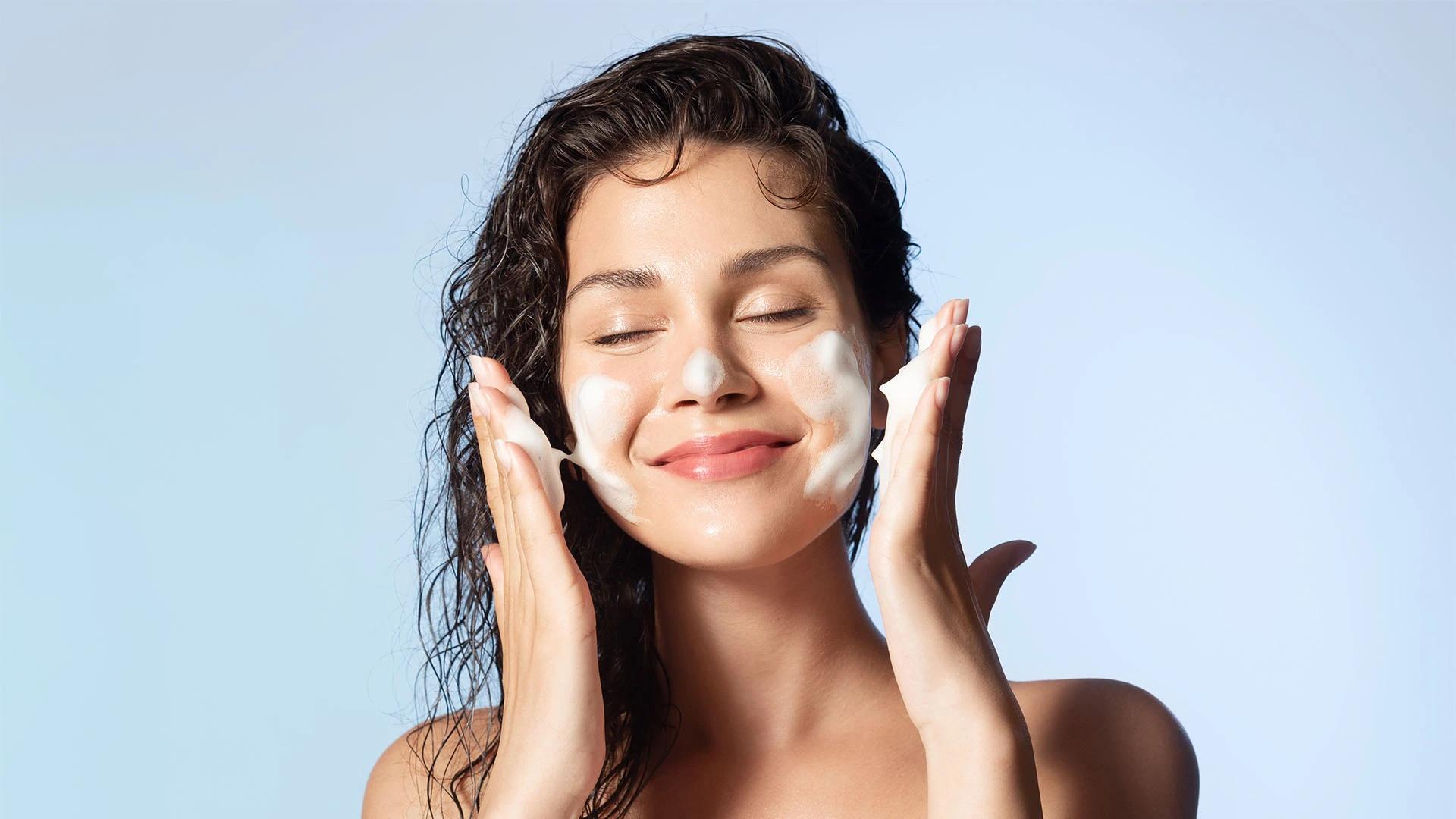

Ever layered three serums only to realise your skin feels sticky, congested, or just... off? You're not alone. Whether it's that ambitious morning routine that's gone a bit overboard or evening layers that haven't quite absorbed as expected, knowing how to gently clear your skin without stripping it bare is essential. The good news? You don't need harsh chemicals or aggressive scrubbing to reset your canvas. With the right approach, you can remove excess serums whilst keeping your skin barrier happy and healthy.
Your skin barrier is remarkably delicate, and aggressive removal methods can do more harm than good. When you've layered multiple serums, the temptation might be to reach for a strong cleanser or scrub vigorously, but this approach often backfires. Harsh chemical removal can strip away not just the excess product, but also your skin's natural protective oils, leading to irritation, dryness, and even increased sensitivity.
Think about it this way: your skin has spent energy trying to absorb those carefully chosen serums. Aggressive cleansing disrupts this process and can actually push your skin into overdrive, producing excess oil to compensate for what's been stripped away. This is particularly problematic if you're dealing with hormonal acne or dehydration, where maintaining balance is crucial.
A natural serum cleanse approach respects your skin's natural processes whilst effectively removing what hasn't absorbed. This method helps maintain your skin's pH balance, preserves beneficial bacteria, and ensures you're not undoing the good work your serums were meant to do. Real talk: gentle doesn't mean ineffective. It means working with your skin, not against it.
Before diving into removal techniques, it's worth understanding when removal is actually necessary. Not every serum application requires intervention – sometimes what feels like excess product is simply your skin taking its time to absorb active ingredients.
Most serums need 10-15 minutes to fully penetrate your skin, though this varies based on molecular size and skin type. Hyaluronic acid serums, for instance, can feel tacky initially but often absorb completely given enough time. Niacinamide formulations typically absorb faster, whilst oil-based serums containing peptides may take longer.
Signs your serums have absorbed include: skin feeling smooth rather than sticky, no visible residue when you gently press a tissue to your face, and makeup applying smoothly if you're doing a morning routine. If after 20 minutes your skin still feels heavy or congested, that's when gentle removal becomes beneficial.
Over-layering happens to the best of us. You might have applied your usual vitamin C serum, followed by a hydrating serum, then remembered you wanted to try that new retinol alternative. Suddenly, your skin feels overwhelmed.
Product incompatibility is another common issue. Certain ingredients don't play well together immediately – think vitamin C and retinol, or AHAs with certain peptides. When this happens, your skin might feel irritated or products might pill up on the surface.
This gentle approach takes about 20 minutes total and can be done any time you feel your skin needs a reset. The key is patience and using lukewarm water throughout – hot water can irritate already sensitised skin.
Start by assessing what's actually on your skin. Gently press a clean tissue to different areas of your face. If it picks up product or feels sticky, removal will be beneficial. Gather your supplies: a gentle oil (jojoba, sweet almond, or even a drop of your regular facial oil), soft cotton pads or a clean muslin cloth, and lukewarm water.
Tie your hair back and ensure your hands are clean. This isn't the time to rush – gentle removal requires a mindful approach that respects your skin's current state.
Oil-based gentle removal is your first step. Apply 2-3 drops of your chosen oil to clean fingertips and gently massage in upward circular motions for 30 seconds. The oil helps dissolve excess serums without stripping your skin. This is particularly effective for removing oil-based serums or heavy formulations that haven't absorbed.
Next comes the lukewarm water rinse. Cup water in your palms and gently splash your face 10-15 times. The temperature should feel neutral – not warm, not cool. Pat with a clean towel, don't rub.
For mild exfoliation for serums, dampen a soft muslin cloth with lukewarm water and gently move it across your skin in small circular motions. This helps lift any remaining product whilst providing gentle physical exfoliation. Spend no more than 30 seconds on this step.
Finish with a chemical-free cleanser if needed. A gentle, pH-balanced cleanser can help ensure all residue is removed without disrupting your skin barrier. Massage for 30 seconds, then rinse thoroughly.
After removal, your skin might feel slightly tight or look a bit pink – this is normal. Apply a hydrating toner or essence to restore moisture, followed by a simple moisturiser. Avoid applying new serums immediately; give your skin 30 minutes to settle before introducing new products.
Building a chemical-free skincare routine doesn't mean compromising on effectiveness. Several natural ingredients excel at gentle serum removal whilst nourishing your skin.
Coconut oil and honey mixture works beautifully for dry or mature skin. Mix one teaspoon of raw honey with half a teaspoon of melted coconut oil. The honey provides gentle antibacterial properties whilst coconut oil dissolves excess product. Massage gently for one minute, then rinse with lukewarm water.
Green tea and chamomile rinses are perfect for sensitive or inflamed skin. Brew a strong cup of green tea with a chamomile tea bag, let it cool to room temperature, then use as a final rinse after your gentle cleansing routine. Both ingredients have anti-inflammatory properties that soothe whilst removing residue.
When shopping for natural serum cleanse products, look for ingredients like rose water, aloe vera, and plant-based oils. Avoid anything with sulfates, parabens, or synthetic fragrances. Many brands now offer micellar waters made with natural ingredients that effectively remove serums without harsh chemicals.
Different serum formulations require slightly different removal approaches. Understanding these nuances helps you tailor your technique for optimal results.
Hyaluronic acid serums are water-loving, so they respond well to gentle water-based removal. A damp cotton pad pressed gently against the skin for 10 seconds often lifts excess product effectively.
Vitamin C serum clearing requires extra care, as vitamin C can be photosensitising. Use lukewarm water and avoid any scrubbing motions. A gentle micellar water works well here, followed by a thorough but gentle rinse.
Retinol and retinoid clearing should be done with extra gentleness, as these ingredients can increase skin sensitivity. Use the oil cleansing method described earlier, but spend less time massaging and more time rinsing thoroughly.
Heavy moisturising serums often contain peptides or ceramides that can feel sticky if over-applied. A warm, damp cloth pressed gently against the skin helps lift excess whilst preserving what has absorbed.
Even with the gentlest approach, you might encounter some challenges. Here's how to navigate them whilst keeping your skin happy.
If your skin is particularly reactive, patch test any removal method on your inner wrist first. For extra-sensitive skin, sometimes simply pressing a damp cloth against the face for 30 seconds is enough to lift excess product without irritation.
Watch for signs that your removal method is too harsh: increased redness, stinging, or tightness that lasts more than 10 minutes post-cleansing. If this happens, simplify your approach further or consider just letting the serums absorb naturally next time.
Sometimes serums can build up over several days, creating a film on your skin. For this, try a gentle steam treatment: hold your face over a bowl of warm water with a towel over your head for 2-3 minutes, then proceed with your gentle removal routine. The steam helps soften buildup without harsh scrubbing.
Prevention is always better than correction. By refining your application technique and understanding your skin's absorption capacity, you can minimise the need for removal whilst maximising serum benefits.
Apply serums in thin layers, waiting 2-3 minutes between each application. This gives your skin time to absorb each layer properly. Start with the thinnest consistency and work up to thicker formulations. Remember: your skin can only absorb so much at once.
Quality over quantity applies here. Two well-chosen serums that work synergistically will serve you better than five different formulations competing for absorption. Consider your skin's current needs – is it dehydration, dull skin, or post-inflammatory hyperpigmentation that needs addressing?
Incorporate gentle removal into your routine once or twice weekly, even when you haven't over-layered. This helps prevent product buildup and keeps your skin receptive to active ingredients. Think of it as a reset that allows your regular routine to work more effectively.
For most skin types, gentle removal 1-2 times per week is sufficient for maintenance. However, if you regularly layer multiple serums or notice buildup, you might benefit from more frequent gentle cleansing. Listen to your skin – if it feels congested or products aren't absorbing well, it's time for a gentle reset.
Absolutely. The key is using lukewarm water, gentle motions, and avoiding harsh chemicals or excessive scrubbing. Your skin barrier can actually benefit from gentle removal when done correctly, as it prevents pore congestion and allows your skin to breathe.
Regular cleansing removes daily impurities like dirt, oil, and makeup. Serum removal specifically targets excess or unabsorbed skincare products. It's gentler than deep cleansing and focuses on resetting your skin's surface without stripping natural oils.
Most properly formulated serums shouldn't need removal if applied correctly. Water-based serums with smaller molecules typically absorb completely. However, very rich or oil-based serums, or situations where you've applied too much product, may benefit from gentle removal.
Signs include persistent redness lasting more than 15 minutes, stinging or burning sensations, increased sensitivity to your regular products, or skin that feels tight and uncomfortable. If you experience any of these, simplify your approach or consult a dermatologist.
Gentle oils like jojoba or sweet almond oil work excellently for dissolving excess product. Honey provides gentle cleansing with antibacterial benefits. Aloe vera soothes whilst helping lift residue. Green tea and chamomile offer anti-inflammatory properties during the removal process.
While the basic gentle approach works for most serums, you might need slight modifications. Oil-based serums respond well to oil cleansing, whilst water-based serums may only need a damp cloth. Retinol products require extra gentleness due to increased skin sensitivity.
The entire process should take 15-20 minutes, including preparation and post-care. The actual removal typically takes 5-10 minutes. Rushing this process defeats the purpose – gentle removal requires patience and mindful attention to your skin's responses.
Mastering gentle serum removal is about understanding your skin's needs and respecting its natural processes. Whether you're dealing with over-enthusiastic layering or simply want to reset your skin's surface, these natural methods help you maintain healthy, balanced skin without harsh chemicals.
Remember, skincare is a journey of discovery. What works for your skin might evolve with seasons, hormones, or lifestyle changes. The beauty of gentle removal techniques is that they're adaptable and forgiving – perfect for those moments when your routine needs a gentle reset.
For those exploring new serums and building their perfect routine, platforms like Smytten Shop offer the opportunity to try products before committing to full sizes. With over 28 million users discovering their ideal skincare matches, you can experiment with confidence, knowing you have gentle removal techniques in your toolkit for those inevitable learning moments. Your skin will thank you for the patience and care you show it, both in application and removal.
