KP FAQ: Best Ways to Treat Keratosis Pilaris for Gen Z
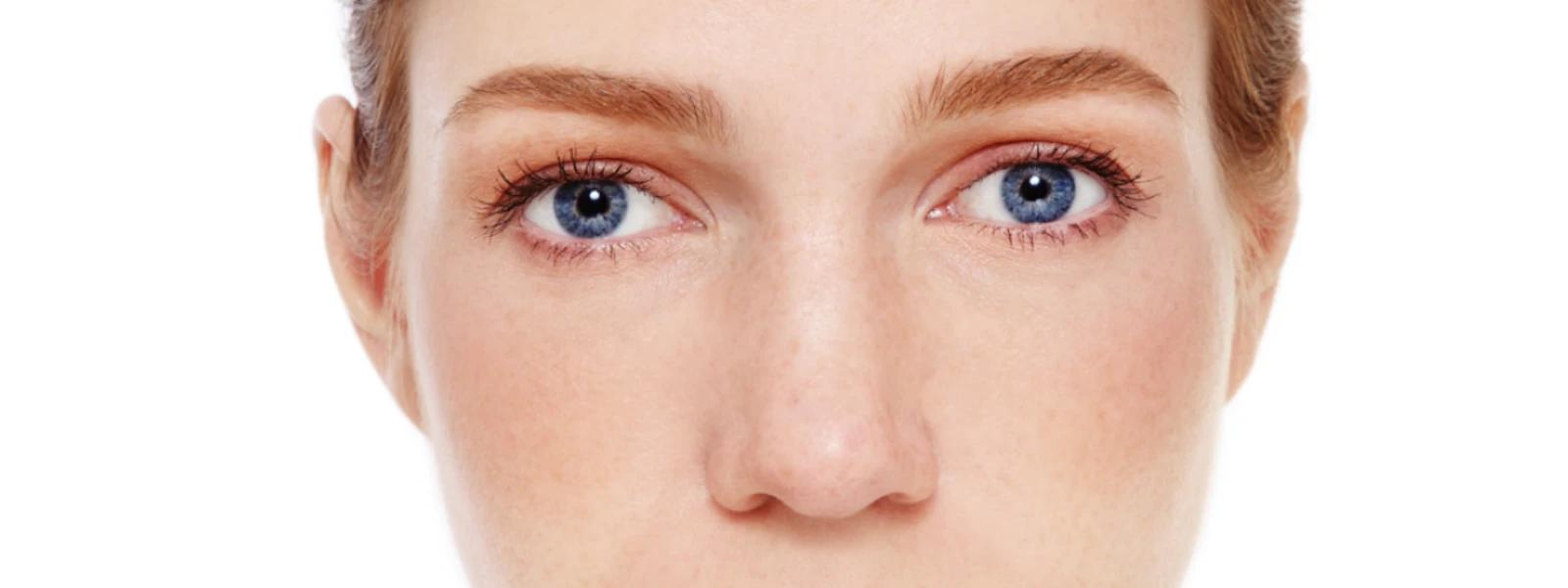

You've probably noticed those tiny bumps on your arms, thighs, or even your face that feel like permanent goosebumps. They're not going anywhere with regular moisturiser, and scrubbing harder only makes them angrier. If this sounds familiar, you're likely dealing with keratosis pilaris – and you're definitely not alone. Nearly 40% of people experience this common skin condition, with Gen Z being particularly affected due to hormonal changes and lifestyle factors. The good news? There are proven ways to smooth things out.
Keratosis pilaris (or KP) is essentially your skin overproducing keratin – the same protein that makes up your hair and nails. This excess keratin gets trapped in hair follicles, creating those characteristic small, rough bumps that many people call "chicken skin". The bumps can appear white, red, or match your skin tone, and they're most common on the backs of arms, fronts of thighs, and sometimes the face.
What makes KP particularly frustrating is that it's largely genetic. If your parents dealt with bumpy skin, there's a good chance you will too. The condition often appears during childhood and can become more noticeable during the teenage years when hormones are fluctuating. While KP isn't harmful or contagious, it can affect confidence – especially when social media constantly showcases impossibly smooth skin.
Unlike acne, these bumps don't contain pus and won't respond to typical spot treatments. They're also different from ingrown hairs, though the two can sometimes occur together. Understanding what you're dealing with is the first step towards finding effective keratosis pilaris treatment options.
Gen Z's relationship with KP skincare is complicated by several factors that previous generations didn't face. Social media creates constant exposure to filtered, edited skin that sets unrealistic expectations. When your feed is full of glass skin and poreless complexions, normal skin texture can feel like a major flaw.
Environmental factors also play a role. Increased pollution, more time indoors with air conditioning, and higher stress levels can all impact skin barrier function. Many Gen Z individuals also experiment with multiple skincare products simultaneously, which can sometimes worsen KP by over-exfoliating or disrupting the skin barrier.
Budget considerations matter too. University students and young professionals often need affordable solutions that actually work, not expensive treatments that promise overnight miracles. The key is finding KP solutions that fit both your lifestyle and your wallet.
Understanding why KP happens can help you choose better treatments. Your hair follicles naturally shed dead skin cells, but with KP, these cells stick together instead of falling away. The trapped keratin creates a plug that blocks the follicle opening, resulting in those familiar bumps.
Genetics determine how much keratin your skin produces and how efficiently it sheds. Hormonal changes during puberty, pregnancy, or times of stress can temporarily worsen KP. Dry environments and harsh weather also contribute by compromising your skin's natural barrier function.
Gentle exfoliation for KP is crucial, but the keyword here is gentle. Aggressive scrubbing will only irritate your skin and potentially worsen inflammation. The goal is to help those trapped keratin plugs work their way out naturally.
Chemical exfoliation works better than physical scrubs for most people with KP. Salicylic acid (a BHA) can penetrate into follicles to dissolve the keratin plugs, while lactic acid (an AHA) helps remove dead skin cells from the surface. Urea is another excellent option that both exfoliates and moisturises simultaneously.
Start with products containing 2-5% of these ingredients, using them 2-3 times per week initially. You can gradually increase frequency as your skin adapts. Look for formulations designed for sensitive skin, as KP-prone areas tend to be more reactive than other parts of your body.
Apply exfoliating products to clean, dry skin and leave them on for the recommended time. Don't rinse off leave-on treatments unless the product specifically instructs you to. Follow up with a moisturiser to prevent over-drying, which can actually make KP worse.
Proper moisturising for keratosis pilaris isn't just about hydration – it's about supporting your skin's natural exfoliation process. When your skin is well-moisturised, dead cells shed more easily, reducing the likelihood of keratin plugs forming.
Look for moisturisers containing ceramides, which help restore your skin barrier, and hyaluronic acid, which draws moisture into the skin. Glycerin is another excellent humectant that helps maintain hydration levels throughout the day.
Some moisturisers specifically formulated for KP contain mild exfoliating ingredients like ammonium lactate or low concentrations of glycolic acid. These can be particularly effective for maintaining smooth skin once you've got your KP under control.
During the day, choose lighter formulations that absorb quickly and won't interfere with clothing. At night, you can use richer creams or even add a few drops of facial oil to boost hydration. Apply moisturiser to slightly damp skin to lock in extra moisture.
An effective KP skincare routine doesn't need to be complicated, but it does need to be consistent. Here's a realistic approach that fits into busy Gen Z lifestyles:
Morning routine: Gentle cleanser, lightweight moisturiser with SPF if the affected area will be exposed to sun. Keep it simple – your skin needs time to recover from evening treatments.
Evening routine: Gentle cleanser, exfoliating treatment (2-3 times per week), moisturiser. On non-exfoliating nights, you might add a nourishing oil or extra-rich cream.
Consistency matters more than perfection. It's better to do a simple routine every day than an elaborate one sporadically. Most people start seeing skin texture improvement within 4-6 weeks of consistent care.
Once or twice a week, consider using a gentle physical exfoliant like a soft washcloth or dry brush before showering. This can help remove loose, dead skin cells and improve the absorption of your other products.
Your daily habits significantly influence how your KP behaves. Hot showers might feel relaxing, but they strip your skin of natural oils and can worsen dryness. Stick to lukewarm water and limit shower time to 5-10 minutes when possible.
Clothing choices matter too. Tight, synthetic fabrics can trap sweat and bacteria against your skin, potentially irritating KP bumps. Breathable, natural fibres like cotton allow your skin to breathe and reduce friction.
Diet plays a supporting role in skin texture improvement. While there's no specific "KP diet," eating plenty of omega-3 fatty acids (found in fish, walnuts, and flax seeds) and staying well-hydrated supports overall skin health.
Chronic stress can worsen inflammatory skin conditions, including KP. Finding healthy ways to manage stress – whether through exercise, meditation, or creative hobbies – can have positive effects on your skin over time.
Most people notice some skin texture improvement within 4-6 weeks of consistent treatment. However, significant changes often take 2-3 months. KP is a chronic condition, so maintenance is key – stopping treatment usually means the bumps return within a few weeks.
While there's no permanent cure for KP, it can be effectively managed with the right keratosis pilaris treatment approach. Many people see dramatic improvement with consistent care, and some find their KP naturally improves with age, particularly after the teenage years.
Gentle retinoids can be helpful for KP, but they should be introduced slowly and used sparingly. Start with over-the-counter retinol products before considering prescription options. Always use retinoids at night and follow with moisturiser, as they can increase sun sensitivity.
Cold, dry air and indoor heating can worsen KP by reducing skin moisture levels. Your skin produces less natural oil in winter, making the keratin plugs more likely to form. Increase your moisturising routine during colder months and consider using a humidifier in your bedroom.
While diet isn't a primary cause of KP, some people find that reducing dairy or gluten helps their skin. There's limited scientific evidence for these connections, but if you suspect food triggers, try eliminating potential culprits for 4-6 weeks to see if your bumpy skin remedies improve.
Consider seeing a dermatologist if over-the-counter treatments aren't helping after 3 months, if your KP is severely inflamed, or if it's significantly affecting your confidence. They can prescribe stronger treatments and rule out other skin conditions.
Managing KP successfully is about finding the right balance of gentle exfoliation, consistent moisturising, and patience with the process. Remember that smooth skin doesn't happen overnight, and everyone's skin responds differently to treatments.
The beauty industry has evolved to offer more targeted solutions for specific skin concerns like KP. Platforms like Smytten allow you to try products before committing to full sizes, which is particularly valuable when you're experimenting with new KP solutions. With over 28 million users discovering products through samples and reviews, you can make more informed choices about what might work for your unique skin.
Your skin journey is exactly that – a journey. Focus on progress rather than perfection, and remember that healthy skin comes in many textures. With consistent care and the right products, you can significantly improve your KP and feel more confident in your skin.
