Hyperpigmentation Treatment For: Your FAQs Answered
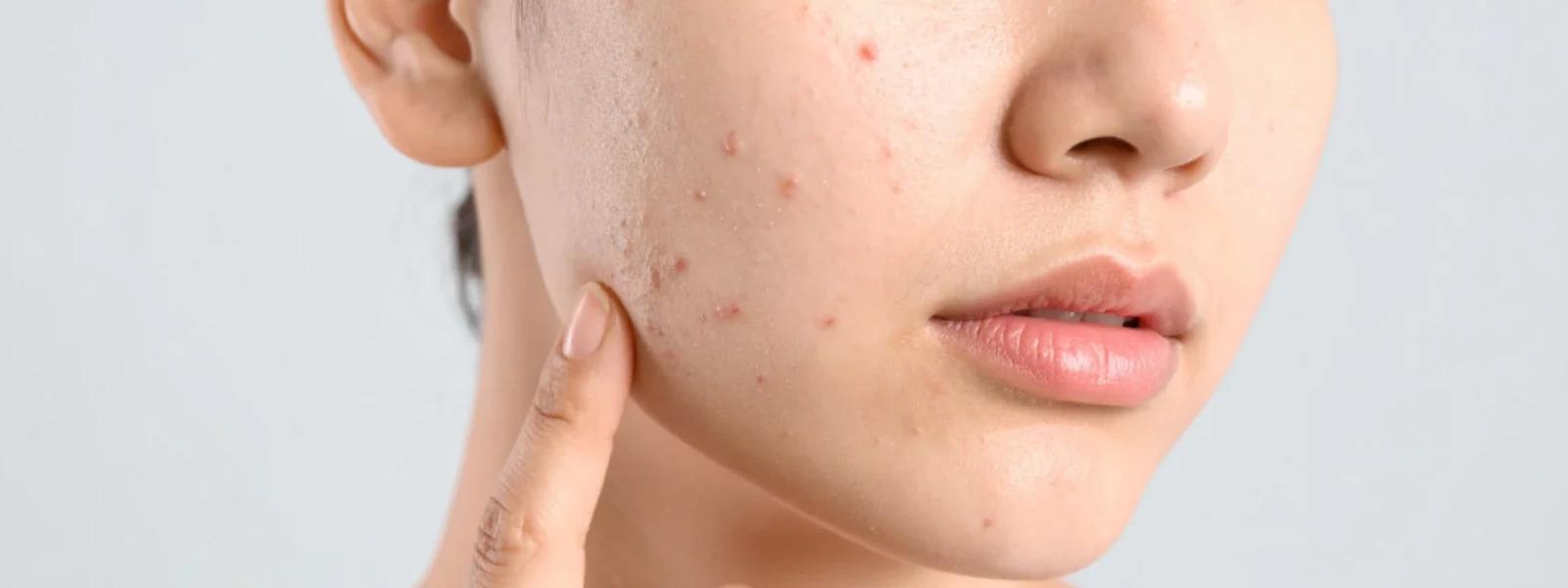

You've been diligently applying that vitamin C serum for weeks, yet those stubborn dark spots from last summer's breakouts still haven't budged. Or perhaps you've noticed new patches appearing despite your best skincare efforts. If you're feeling frustrated with hyperpigmentation, you're absolutely not alone. The journey to clearer, more even-toned skin is filled with questions, and finding the right answers can feel overwhelming. Whether you're dealing with melasma, age spots, or post-inflammatory marks, understanding your treatment options is the first step towards the glowing skin you're after.
Hyperpigmentation occurs when your skin produces excess melanin, the pigment responsible for your skin's colour. Think of it as your skin's overenthusiastic response to various triggers, resulting in those frustrating dark patches that seem to appear overnight but take ages to fade.
The most common hyperpigmentation causes include sun exposure, which remains the biggest culprit behind age spots and general skin discolouration. Your skin remembers every unprotected moment in the sun, often revealing this 'memory' years later. Hormonal fluctuations, particularly during pregnancy or when starting new contraceptives, can trigger melasma - those symmetrical patches that often appear on the cheeks and forehead.
Post-inflammatory hyperpigmentation (PIH) develops after your skin heals from acne, cuts, or any form of trauma. This explains why that spot where you picked at a blemish months ago still shows a dark mark. Genetics also play a role - if your parents dealt with pigmentation issues, you're more likely to experience them too.
Different types of skin discolouration require different approaches. Age spots typically appear on sun-exposed areas like hands, face, and shoulders. Melasma often presents as larger, irregular patches, whilst PIH can occur anywhere you've experienced skin inflammation. Understanding which type you're dealing with helps determine the most effective hyperpigmentation treatment approach.
Not all skin responds to pigmentation treatments the same way, and this is particularly important to understand when choosing your approach. Your skin tone, sensitivity level, and the area you're treating all influence which treatments will work best for you.
If you have deeper skin tones, you'll want to approach hyperpigmentation treatment with extra care. Melanin-rich skin can sometimes develop additional pigmentation in response to aggressive treatments - a condition called post-inflammatory hyperpigmentation. This means gentler, consistent approaches often work better than intensive treatments.
Niacinamide is particularly effective for darker skin tones, as it gently inhibits melanin transfer without causing irritation. Kojic acid and arbutin are also excellent choices, offering brightening benefits without the harsh effects that some treatments can cause.
Sensitive skin requires a patient, gentle approach to pigmentation reduction. Start with lower concentrations of active ingredients and gradually increase as your skin builds tolerance. Vitamin C in stable forms like magnesium ascorbyl phosphate can provide brightening benefits without irritation.
Always patch test new products, especially those containing AHAs or retinol. Your skin will thank you for taking things slowly rather than rushing into aggressive treatments that could worsen pigmentation.
Hyperpigmentation treatment for body areas like your back, chest, or arms can handle stronger formulations than facial skin. Body skin is typically thicker and less sensitive, allowing for higher concentrations of glycolic acid or salicylic acid.
For hands dealing with age spots, consistent use of dark spot correctors containing hydroquinone or kojic acid can be particularly effective. Remember that hands are constantly exposed to environmental factors, so diligent sun protection is crucial for maintaining results.
When over-the-counter options aren't delivering the results you're hoping for, professional treatments can provide more dramatic improvements. Dermatologists have access to stronger formulations and advanced technologies that can target stubborn pigmentation more effectively.
Chemical peels remain one of the most effective professional treatments for pigmentation reduction. Glycolic acid peels work by removing the top layers of skin, revealing fresher, more even-toned skin beneath. For deeper pigmentation, TCA (trichloroacetic acid) peels can provide more dramatic results, though they require longer recovery times.
Laser treatments like IPL (Intense Pulsed Light) target melanin directly, breaking up pigmented areas so your body can naturally eliminate them. Q-switched lasers are particularly effective for age spots and sun damage repair, often showing results after just one session.
Hydroquinone at prescription strength (4%) remains the gold standard for melasma treatment. Often combined with tretinoin and a mild steroid in formulations like tri-luma, these combinations can provide significant improvement in stubborn pigmentation cases.
Your dermatologist might recommend prescription retinoids like tretinoin, which accelerate cell turnover and help fade dark spots more quickly than over-the-counter alternatives.
The good news is that many effective hyperpigmentation remedies are available without a prescription. Building a consistent routine with proven ingredients can deliver impressive results over time.
Vitamin C serums work by inhibiting tyrosinase, the enzyme responsible for melanin production. Look for stable forms like L-ascorbic acid or magnesium ascorbyl phosphate. Apply in the morning under your SPF for maximum benefit.
Niacinamide is brilliant for those seeking gentle skin brightening treatments. At concentrations of 5-10%, it reduces melanin transfer from melanocytes to skin cells, gradually evening out your complexion without irritation.
Alpha hydroxy acids like glycolic and lactic acid work by exfoliating the skin's surface, helping to fade surface-level pigmentation. Beta hydroxy acid (salicylic acid) penetrates deeper into pores, making it excellent for treating PIH from acne.
Whilst natural remedies can support your skincare routine, they typically work more slowly than clinical ingredients. Aloe vera contains aloin, which has mild skin-lightening properties and helps soothe inflammation that could worsen pigmentation.
Green tea extract provides antioxidant benefits and contains compounds that may help inhibit melanin production. However, these natural approaches work best as supportive treatments alongside proven active ingredients.
Let's address the elephant in the room - 'permanent' pigmentation removal isn't quite as straightforward as many hope. However, with consistent treatment and proper maintenance, you can achieve significant, long-lasting improvements.
Most dark spot correctors require 6-12 weeks of consistent use before you'll notice meaningful changes. Surface-level pigmentation responds faster than deeper melasma, which can take 3-6 months or longer to show improvement.
Factors affecting your success include the depth of pigmentation, your skin's natural cell turnover rate, consistency of product use, and most importantly, your commitment to sun protection. Without proper SPF use, new pigmentation will continue forming faster than treatments can address existing spots.
The most effective uneven skin tone solutions often involve combining treatments. You might use a vitamin C serum in the morning, a retinol product at night, and incorporate weekly AHA treatments for enhanced exfoliation.
However, be cautious about over-treating. Start with one active ingredient, establish tolerance, then gradually introduce others. Your skin needs time to adapt, and rushing the process often leads to irritation that can worsen pigmentation.
Men's skin presents unique challenges when it comes to hyperpigmentation treatment. Shaving can cause micro-trauma that leads to PIH, particularly around the beard area. Additionally, men are often less consistent with sun protection, leading to more extensive sun damage.
Post-shave pigmentation responds well to gentle niacinamide treatments and consistent moisturising. If you're dealing with razor bumps that leave dark marks, consider switching to a single-blade razor and using a pre-shave oil to reduce skin trauma.
For men seeking straightforward routines, a morning vitamin C serum followed by SPF, and an evening retinol treatment can address most pigmentation concerns without complicated multi-step routines.
The most effective hyperpigmentation treatment is prevention. Once you've invested time and effort into fading existing spots, protecting your results becomes crucial for long-term success.
SPF 30 or higher should be your daily non-negotiable, regardless of weather or season. UVA rays penetrate clouds and glass, meaning your skin is exposed even on overcast days or whilst driving. Reapply every two hours when outdoors, and consider zinc oxide or titanium dioxide for sensitive skin.
Physical barriers like wide-brimmed hats and UV-protective clothing provide additional protection, particularly important if you're using treatments that increase photosensitivity.
Consistency trumps intensity when it comes to maintaining clear, even-toned skin. A simple routine with proven ingredients, used religiously, will outperform sporadic use of expensive treatments.
Apply products in order of thinnest to thickest consistency, and always finish with SPF during the day. Evening routines can include your active treatments, followed by a nourishing moisturiser to support skin barrier function.
The best hyperpigmentation treatment depends on your specific type of pigmentation, skin tone, and sensitivity level. For most people, a combination approach works best: consistent use of vitamin C and niacinamide for daily brightening, weekly AHA treatments for exfoliation, and strict sun protection. Stubborn cases may benefit from professional treatments like chemical peels or prescription hydroquinone.
Sun exposure is the primary cause of most hyperpigmentation, responsible for age spots and general skin discolouration. However, hormonal changes (particularly during pregnancy), post-inflammatory responses to acne or injury, and genetic predisposition also play significant roles. Understanding your specific triggers helps determine the most effective treatment approach.
Absolutely. Many effective dark spot correctors are available over-the-counter. Look for products containing niacinamide, vitamin C, kojic acid, or alpha hydroxy acids. Whilst they may work more slowly than prescription treatments, consistent use of quality drugstore products can deliver significant improvements in skin discolouration.
True 'permanent' removal is challenging because your skin continues producing melanin throughout your life. However, professional treatments like laser therapy or chemical peels can provide long-lasting results when combined with proper maintenance. The key is consistent sun protection and ongoing use of skin brightening treatments to prevent new pigmentation from forming.
Most treatments require 6-12 weeks of consistent use before visible improvement. Surface-level pigmentation from recent acne may fade in 4-6 weeks, whilst deeper melasma or long-standing age spots can take 3-6 months or longer. Professional treatments may show faster initial results, but maintenance is still required for lasting improvement.
Common side effects include initial dryness, mild irritation, or increased photosensitivity. Retinol and AHAs may cause peeling during the adjustment period. More concerning is the risk of developing additional pigmentation if treatments are too aggressive for your skin type. Always start slowly, patch test new products, and discontinue use if you experience persistent irritation.
Your journey to clearer, more even-toned skin doesn't have to be a solo expedition. Understanding your options - from gentle daily treatments to professional interventions - empowers you to make informed decisions about your skincare routine. Remember that the most effective approach combines patience, consistency, and realistic expectations.
Whether you're exploring hyperpigmentation remedies for the first time or looking to upgrade your current routine, platforms like Smytten Shop offer access to premium dark spot correctors and skin brightening treatments from trusted brands. With over 28 million users discovering new products through samples and trials, you can find the right treatments for your skin without the guesswork of full-size purchases.
Your skin's story is unique, and finding the right hyperpigmentation treatment is about understanding what works specifically for you. Trust the process, protect your progress with diligent sun protection, and celebrate the small improvements along the way. Clear, radiant skin is absolutely achievable with the right knowledge and consistent care.
