Hyperpigmentation FAQ: Your Questions on Dark Spot Removal Answered

 30 ml
30 ml15% Vitamin C Face Serum | Brightens & Evens Skin Tone | Boosts Collagen & Firmness | Reduces Dark Spots | Vitamin C & E + Ferulic Acid | 30ml
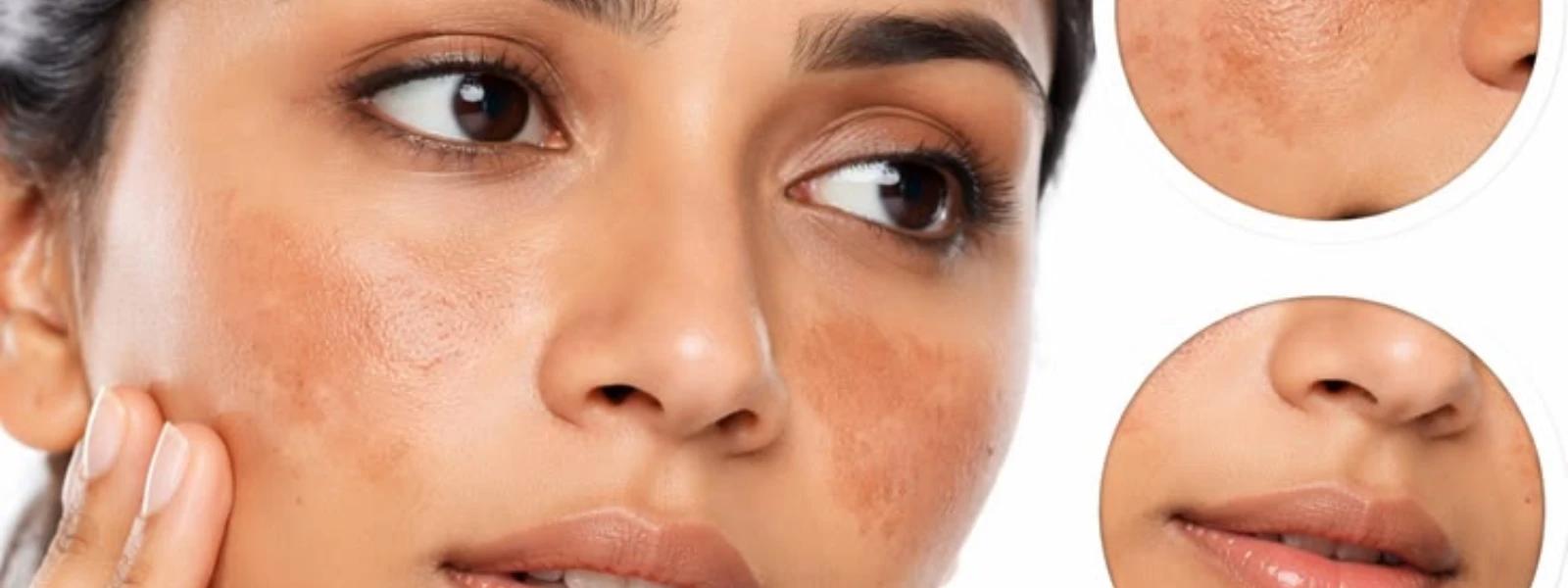
That stubborn dark spot from last summer's breakout is still there, isn't it? Or perhaps you're dealing with patches that appeared during pregnancy and refuse to budge. Hyperpigmentation affects nearly everyone at some point, yet the flood of conflicting advice online can make treatment feel overwhelming. Whether you're battling melasma, post-inflammatory hyperpigmentation, or simple sunspots, understanding the facts behind dark spot removal is your first step towards clearer, more even-toned skin.
Hyperpigmentation occurs when your skin produces excess melanin in certain areas, creating those frustrating dark patches that seem to have a mind of their own. Think of melanin as your skin's natural umbrella - it's meant to protect you from UV damage, but sometimes the system goes into overdrive.
There are three main types you're likely encountering. Post-inflammatory hyperpigmentation (PIH) appears after acne, cuts, or any skin trauma - those dark marks that linger long after the actual spot has healed. Melasma typically shows up as symmetrical patches on your cheeks, forehead, or upper lip, often triggered by hormonal changes during pregnancy or from birth control. Solar lentigines, commonly called age spots or sunspots, develop from years of sun exposure and tend to appear on areas like your hands, face, and shoulders.
The culprits behind skin discoloration are surprisingly varied. Sun exposure remains the biggest trigger, but hormonal fluctuations, certain medications, and even aggressive skincare routines can spark melanin overproduction. Your genetics also play a role - if your mum dealt with stubborn dark spots, you're more likely to face similar challenges.
The good news? Multiple proven ingredients can help you tackle uneven skin tone effectively. The key is understanding which approach suits your skin type and the severity of your concerns.
Hydroquinone remains the gold standard for hyperpigmentation treatment, working by inhibiting the enzyme that produces melanin. You'll find it in concentrations from 2% (available without prescription) up to 4% (dermatologist-prescribed). However, it's not suitable for long-term use and can cause irritation in sensitive skin.
Vitamin C deserves a spot in every brightening routine. This antioxidant not only helps fade dark spots but also prevents new ones from forming. Look for stable forms like magnesium ascorbyl phosphate or sodium ascorbyl phosphate if you have sensitive skin.
Niacinamide works beautifully for those seeking gentle skin brightening. At concentrations of 5-10%, it helps regulate melanin transfer and reduces inflammation that can worsen pigmentation. Azelaic acid offers similar benefits whilst being pregnancy-safe, making it perfect for treating melasma.
 100ml
100mlFace Wash for Dark Spots & Marks | Alpha Arbutin + Kojic Acid | Evens Skin Tone | Non-Stripping Gentle Formula | For All Skin Types | 100ml
Chemical peels, laser treatments, and microneedling can accelerate results significantly. These treatments work by removing pigmented skin layers or breaking up melanin deposits, but they require professional supervision to avoid complications.
Real talk - patience is absolutely essential when treating hyperpigmentation. Your skin's natural renewal cycle takes about 28 days, but pigmented cells often sit deeper in the epidermis, requiring multiple cycles to reach the surface and shed away.
Without any treatment, mild PIH might fade naturally over 6-24 months, depending on your skin tone and the depth of pigmentation. Darker skin tones typically experience longer fading times due to higher baseline melanin levels.
With consistent topical treatment using ingredients like vitamin C, retinoids, or hydroquinone, you can expect to see initial improvements within 6-8 weeks. Significant fading usually occurs over 3-6 months of dedicated use. Professional treatments can show visible results in 4-8 weeks, but multiple sessions are often needed.
Several factors affect your timeline. Superficial pigmentation responds faster than deep melasma. Your age matters too - younger skin typically recovers more quickly. Most importantly, consistency with your routine and religious sun protection will determine your success.
If you have darker skin, you're unfortunately more prone to developing post-inflammatory hyperpigmentation after any skin trauma. The higher melanin content that beautifully protects you from sun damage also means your skin responds more dramatically to inflammation.
Certain ingredients require extra caution on melanin-rich skin. High-concentration hydroquinone (above 2%) can sometimes cause paradoxical darkening or create a halo effect around treated areas. Aggressive chemical peels or laser treatments also carry higher risks of causing additional pigmentation.
Vitamin C, niacinamide, and azelaic acid work beautifully across all skin tones with minimal risk of irritation. Kojic acid and arbutin offer gentle brightening without the concerns associated with hydroquinone.
Start slowly with any new active ingredient. Introduce one product at a time, use it every other night initially, and always pair with a gentle moisturiser and broad-spectrum SPF during the day.
Creating an effective routine doesn't require a bathroom cabinet full of products. Focus on consistency with a few proven ingredients rather than overwhelming your skin with multiple actives.
Your morning routine should centre around protection and prevention. After cleansing, apply a vitamin C serum to help prevent new dark spots from forming. Follow with a moisturiser and broad-spectrum SPF 30 or higher - this step is absolutely non-negotiable.
Evenings are for treatment and repair. After cleansing, apply your chosen brightening active - whether that's retinol, hydroquinone, or azelaic acid. Always follow with a nourishing moisturiser to support your skin barrier.
Gentle exfoliation once or twice weekly can help accelerate cell turnover and improve product penetration. Look for AHAs like glycolic or lactic acid, but use them sparingly to avoid irritation that could worsen pigmentation.
Most hyperpigmentation is treatable, though some cases prove more stubborn than others. Post-inflammatory hyperpigmentation typically responds well to treatment, whilst deep melasma may require ongoing maintenance. True permanent pigmentation is rare and usually results from certain medications or medical conditions.
Professional treatments like chemical peels or laser therapy offer the quickest results, often showing improvement within 2-4 weeks. However, at-home treatments with proven ingredients like vitamin C and retinoids are safer for long-term use and can be highly effective with patience.
Yes, vitamin C has solid scientific backing for treating hyperpigmentation. It works by inhibiting tyrosinase, the enzyme responsible for melanin production, whilst also providing antioxidant protection against further damage. Look for concentrations between 10-20% for optimal results.
Consistent sun protection is your best defence. Use broad-spectrum SPF 30+ daily, even indoors, and reapply every two hours when outdoors. Treat acne promptly to prevent PIH, and avoid picking at your skin. A gentle skincare routine with niacinamide can help maintain results.
Absolutely, many effective treatments are available for home use. Start with gentler ingredients like vitamin C, niacinamide, or low-concentration retinol. See a dermatologist if you experience worsening pigmentation, develop new dark patches rapidly, or if over-the-counter treatments aren't showing results after 3-4 months.
Several factors can worsen hyperpigmentation. Inadequate sun protection is the most common culprit. Over-exfoliation or using too many actives simultaneously can increase inflammation and darken existing spots. Some ingredients may cause initial darkening before improvement - this is normal with treatments like hydroquinone.
Treating hyperpigmentation successfully requires patience, consistency, and realistic expectations. While the journey to clearer skin isn't always quick, the right combination of proven ingredients and sun protection can deliver remarkable results over time.
Remember that your skin is unique, and what works brilliantly for others might need adjustment for your specific needs. Whether you're exploring new treatments through sample programmes or building a comprehensive routine, focus on gentle, consistent care rather than aggressive quick fixes.
The key to lasting results lies in understanding your skin's needs and responding with appropriate, evidence-based treatments. Your patience and dedication will be rewarded with the clearer, more even-toned skin you're working towards.
